Transformative Coaching for Professionals & Individuals | Elevating Careers & Team Dynamics with 30+ yrs of Professional Expertise and Personal Development
This struck a very personal chord with me of endless procrastination.
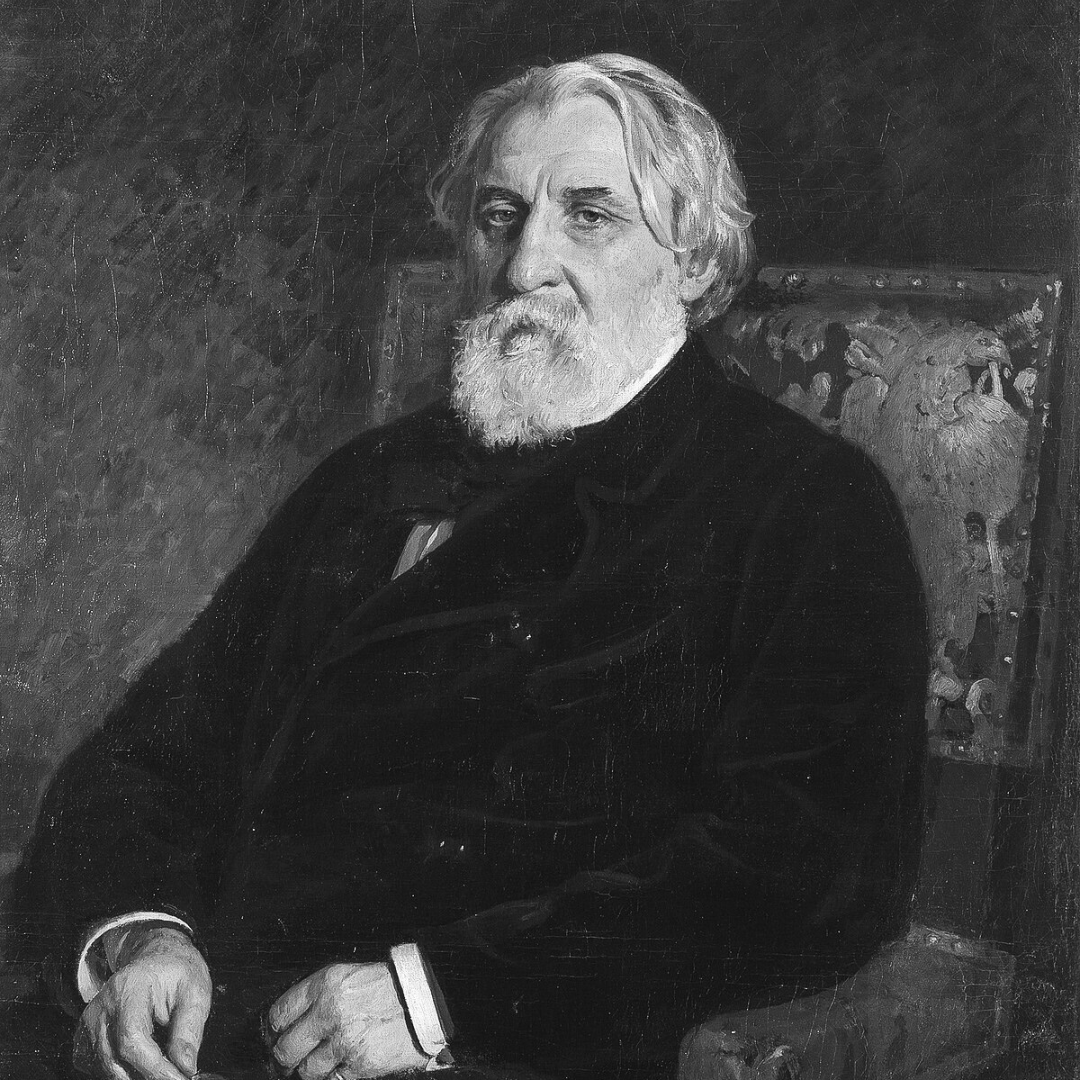
May I be so bold as to invert Ivan’s saying;
“We should start with what we have, even when nothing is fully prepared, so that we can adapt to achieve practical purposes.”
@lifenote1948 Like it! Make me think of endless possibilities or potential. Like earth is a mirror manifesting the potential of the sun.
O my so much to unpack here!
An amazing quote!
Also, I've seen a true friend, one who always stands for what's true but will defend you even if you are guilty. They are not troublemakers but will fight for you when you deserve to suffer on your own. They are very collected but will give his/her life for you when your stupidity would otherwise kill you.
The worst place I found myself in was when I wanted to change, but I didn't know how. I didn't know what to identify with or what painful process to expect, and I didn't know that pain was not the enemy but a part of the process.
With all these hard lessons and many scars on myself and those around me, I would have liked to tell my younger self: 'Get help, get it quickly, but stay away from institutional quacks, and find true mentors.’
@Mindsetconquer Ouch! That hurts, especially when He tells you He wants to “kill”(implying die to self) you first. The ego can be such a stumbling block to growing into your life's purpose!
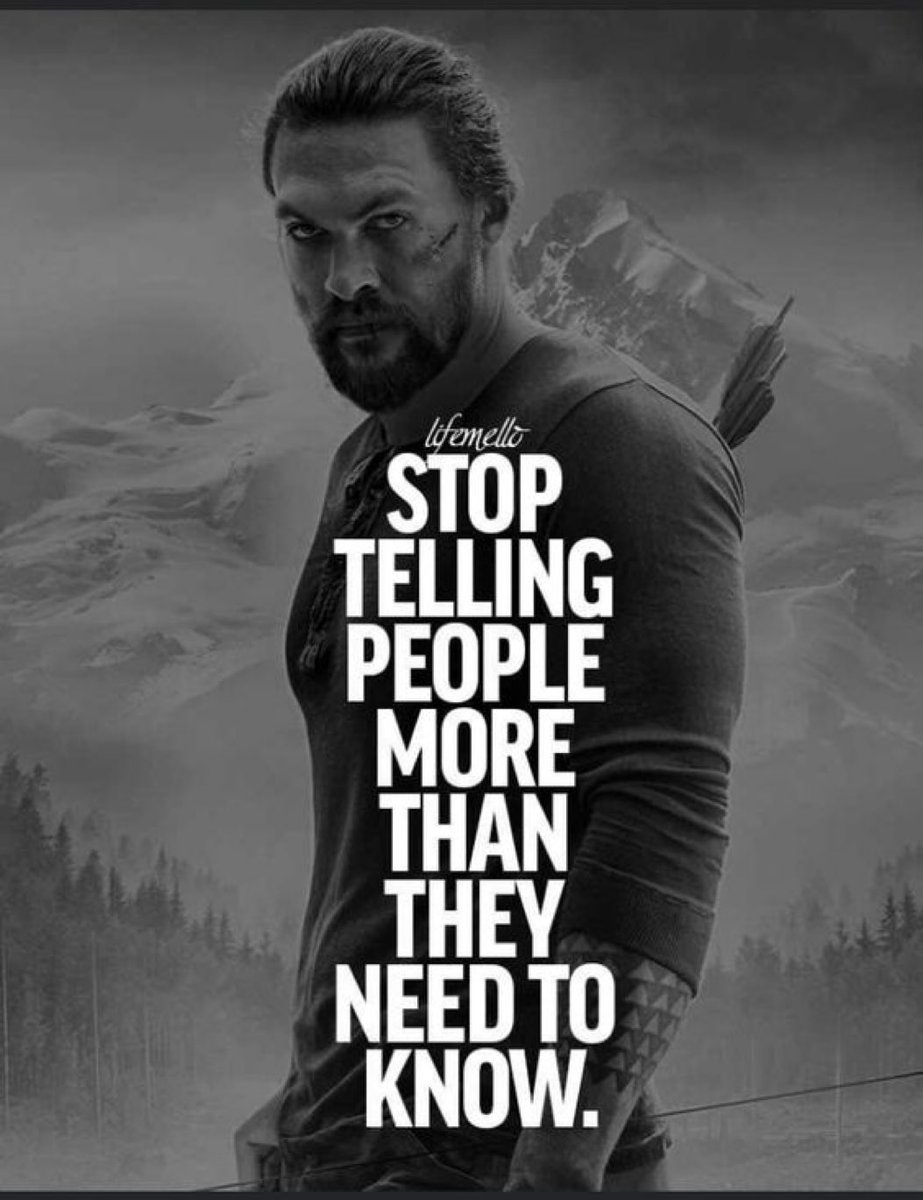
What if saying something could be more useful? Well it takes time to say something useful but then you will owe humanity a useful response. I guess this could be a very thought provoking discussion, especially if we need to "just say enough".
Then we have less agreeable people that think we must say as little as possible. How we balance these is an art I think.
A huge lesson I’ve learned is not to mistake aggression for assertiveness.
Understanding Aggression and Assertiveness is key in leadership and life: Aggression turns you into a monster, but Assertiveness with wisdom makes you a king. Choose wisely.
Good post @MindPsychology_ !!
Authenticity
This word has puzzled me for some time because it seems to have many other relatable concepts like truthfulness, honesty, and transparency. When we start unpacking these, it appears to be a two-way street on how we are authentic toward ourselves and our authenticity toward others. Why would this character trait be so important? Those who have mastered authenticity have found this to be the core foundation for successful growth, both professionally and personally.
Let's steer clear of the perceptions that are sometimes fake expressions of authenticity:
1. Stubbornness masked as Principle --> Observing someone insist they're just sticking to their guns, when really, they're refusing to listen or adapt out of stubbornness, not authentic belief.
2. Impulsivity masked as Honesty --> Noticing someone mistake every spontaneous whim for "just being real," rather than recognizing that thoughtful self-control can also be a part of their true self.
3. Rudeness masked as Frankness --> Seeing someone be brutally honest and mistaking it for authenticity, when in fact, genuine authenticity respects others' feelings and involves tactful truth-telling. And rather using it as a teaching moment if possible.
4. Conformity masked as Adaptability --> Watching someone believe they're being flexible and adaptable when they're actually just aiming to fit in or please others, losing sight of their own beliefs and values. They look good on the outside but possibly conforming to evil. (@elonmusk made this very clear recently)
5. Ignorance masked as Simplicity --> Perceiving someone choose to ignore complexities or broader perspectives, thinking it's a simpler, more 'authentic' way to live, rather than engaging with and understanding the world. This ties back to conforming; we tend to conform rather than going a bit deeper to uncover the truth.
6. Cynicism masked as Wisdom --> Witnessing someone adopt a cynical attitude and call it 'seeing the world as it really is,' instead of understanding that true wisdom includes recognizing the good and the potential in situations. On the opposite side of the coin, not all "doom prophets" are wrong; be careful then to reject wisdom as cynicism.
7. Self-Deprivation masked as Non-Materialism --> Identifying someone living a minimalistic lifestyle not because it aligns with their values, but because they think it's what they should do, mistaking self-denial for authentic living.
**Reference**: Michael Kernis - Authenticity Inventory
Now, for us to be truly authentic, a few personal transformative approaches are very effective:
a) Know Yourself and Be Real: Start by really knowing who you are - what you feel, what you want, and what you believe in. Be honest about your strengths and where you fall short. This isn't just about admitting these things to others, but owning them yourself without making excuses or pretending to be something you're not.
b) Accept and Own It: Once you know yourself, accept it. All of it. The good, the bad, and everything in between. This doesn't mean you don't try to improve, but it does mean you don't beat yourself up. You're unique, with your own set of quirks and qualities. Being honest with yourself aligns what you do and say with who you really are.
c) Express Yourself Clearly: How you show yourself to the world should match who you are inside. Be transparent about what you believe and how you feel. This doesn't mean you need to share everything with everyone, but don't hide your true self. Let your inside match your outside. This is how you live genuinely, by ensuring your external actions reflect your internal truths.
Transforming into a more authentic person is not a one-time fix. It requires reflection, adjustment, and a way to gauge your progress. Here's a 3-point checklist to help you measure how well you're progressing:
1. Inner Alignment: Continuously match your actions to your inner thoughts and feelings. Think of it as walking your talk. Regularly ask, "Do my choices reflect my true self?"
2. Harmony with Yourself: Strive for a life where your actions, thoughts, emotions, and values are in tune. Like an orchestra, every part should work together seamlessly. If you're feeling off-balance, it's time to adjust.
3. Courage to Face Yourself: Authenticity requires courage to face and embrace all aspects of yourself, especially under pressure. Reflect on your decisions, especially the tough ones. Are they true to who you are? The more you practice, the stronger you'll become.
Watch Professor Herminia Ibarra's TED talk, 'The Authenticity Paradox,' to learn how adapting and evolving can enhance personal and leadership authenticity.
https://t.co/PCNQgZCnrW
@Positive_Call Instant gratification is so easy to come by.
"Dopamine Detox" is used by some coaches to address the overconsumption of instant rewards, to help individuals reset their dopamine receptors for better self-control and focus.
I find it very interesting that the Hebrew word 'רַע' (ra) was translated as 'evil' in the King James Bible and more recently referred to as 'anxiousness.'
And this 'evil’ called anxiousness, or should we add worry, keeps us from fully living life. I'm amazed by our ability to be prophetic when it comes to conjuring up fear. However, I've also noticed that as soon as you experience release from fear, it's instantaneous. It will come back to test you, but this time around, you'll be better equipped. Good post!!
And how I've seen this with beauty. Take a beautiful woman; her beauty (implying herself) should be protected, not consumed. You can draw this parallel to goodness and even tangible things like architecture or nature.
This speaks to how value is perceived today. Synthetic and fake things, as @elonmusk mentioned, are about people trying to look good but doing evil!
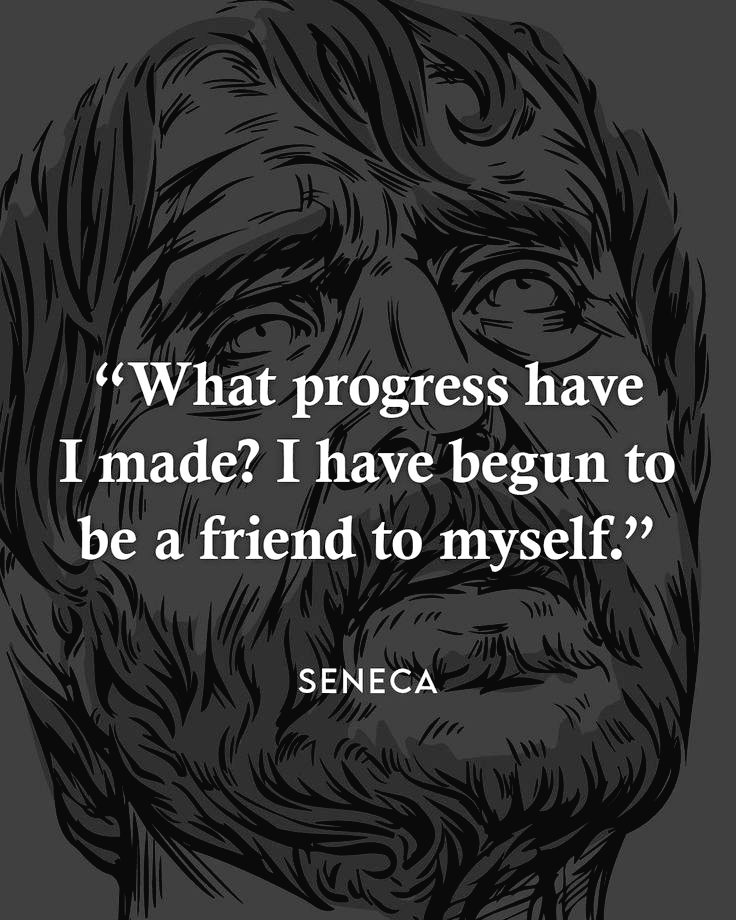
The moment you can truly love yourself is the moment you can truly love others. How many times have we denied ourselves 'loving ourselves'? Traditionally, we mistakenly equated the love of self with the love of our ego. Nope, you need to love yourself but steer clear of the ego; it will consume and destroy you. And when we deny ourselves the pure form of loving ourselves, we could mistake this for being an introvert.
Love yourself so you can personally experience how it would make others feel.
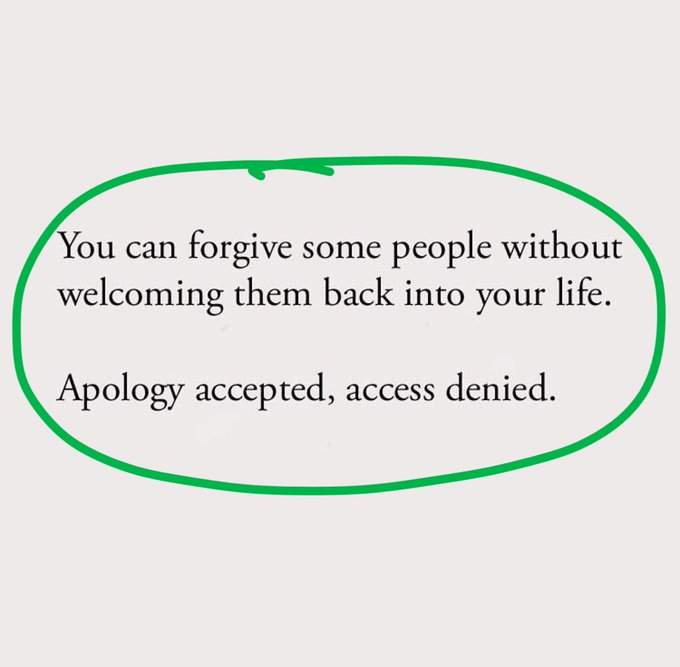
So true – you're not responsible for everyone around you; that circle is small and reserved for only a few. On the other hand, you do have a responsibility to make a difference for those who are willing to listen, especially when you have something useful to share.
Pain can reveal our true selves; for some, it leads to greater authenticity, while others may become resentful. How we react to pain shapes our authenticity. This topic has significant implications, synchronicity often brings forth what we are genuinely authentic about, even though proving this principle can be challenging. - So much could be said about this 🤓 Thx, good post!
@The_MMW Good advice for all of us, just as I wish I had given this advice to myself 30 years ago. The ego can be a detrimental partner, and it's crucial for everyone to learn this lesson early in life.
This is such a good example of having a creative mindset or focus. Problem-solution thinking makes our wheels spin. We've become accustomed to the idea that life is supposed to be like this. It makes me think of the garden with Adam and Eve and the tree of knowledge of good and evil versus the tree of life. I find it fascinating that it's not called the 'tree of the knowledge of life,' but just the 'tree of life’. It begs the question; is wisdom synonymous with living a fulfilling life?
I love this, and I'd like to add an additional insight. We need to have sails in the wind. If you want to understand where you're going, it will only come with movement. It's challenging to change direction if you're stationary. If you're stuck, pick one task or action to complete every day and start with that.
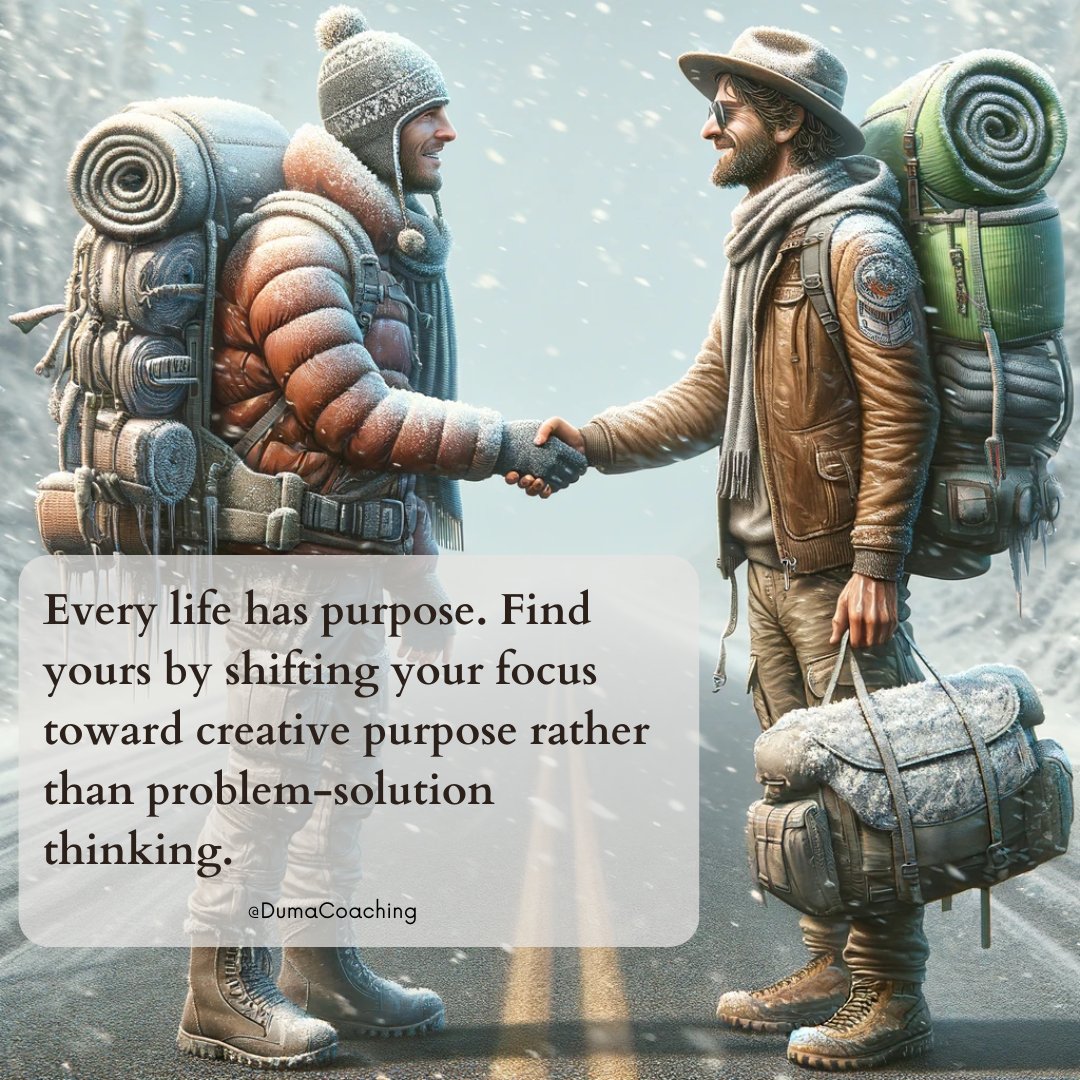
How do you identify with life? The cycle of problem-solution may be the most normal thing we were taught. It's so easy to apply and makes a lot of sense: "Have a problem, own up, then find a solution." How easy is that! This seems to be purposeful life. Could I challenge you with a simple shift of focused understanding to approach this thinking, away from a problem-solution versus true living perspective?
To illustrate this, we would need to use a simple example of perspective. When you change your perspective, your approach will also change. Consider two adventurers you met in a coffee shop on separate occasions. The first bumped into you accidentally and apologized for being so distracted, mentioning their return from a remote trip recently. Receiving your drinks, with curiosity, you struck up a conversation about his journey. It started with something like, "It was not easy," getting the right people, crossing various borders was a nightmare. Challenges with nature and getting to the remote spot after getting lost a few times. Then, sharing his discovery with you that changed archaeology forever. Nothing wrong with this story, but if you're able to read between the lines, that was a very stressful time, and he conveyed the high price paid to reach the goal.
On the other hand, the second adventurer started with the discovery and how it changed his life. He focused on the impact in more detail, explaining the discovery's uniqueness, mentioning the people with him. He shared his plans post-discovery, and how this moment created opportunities for many people. Since this is, after all, your second adventurer you met, you asked about the challenges. You got a short answer, "Sure, we had various problems along the way, but as soon as we saw what we worked so hard for, everyone's spirits were lifted. We'll never be the same after this."
Notice your second adventurer had a birthing moment, a creation moment; they lived life. When a child is born, do the mother or father dwell on the 9 months leading to the final moment of struggle? What are the characteristics of a creation moment?
It is very easy to draw parallels to our own lives from these examples:
- You need to do what you love doing, what you're good at, and what is useful to others, not only yourself.
- Living your purpose, results will overshadow the struggles completely, because the journey is part of who you are. So much less effort is applied.
- How many times have we heard, "Work hard, and you can do anything"? When you carry the burden of something you don't love, it's called slavery. Don't be fooled and convince yourself that this is "working hard."
- Life has problems, always. If you respond to those while working towards your purpose, you'll steer clear of the problem-solution mentality.
- Creative moments sometimes come from very crazy ideas, creating excitement in you. Guard against the overwhelming fear of change that may follow closely on the heels of your new idea. This is usually the moment that will determine if you'll be living life.
- Make uncertainty your partner. Stop over-planning and detail dumpster diving. You don't know what you don't know, accept that and just start. We can sometimes be so eager to think of problems that it leads us to over-plan.
- Doom prophets are not your problem; they can think of issues all day long. You don't need to make their ideas part of your creation. True wisdom or advice for your journey will help with the next steps to navigate challenges. "What if's" have so many dimensions, are distracting, and will slow you down.
Problems will always be with us, but living a life of problem-solution is a form of slavery, yet it is a choice. Every life has a purpose. Find yours by shifting your focus slightly toward having creative moments rather than just solving problems.
-- Anton Keyter --