New publication argues that adding larval source management to existing malaria prevention methods can close protection gaps and sharply cut mosquito-borne diseases in Africa
~
Most malaria programs kill adult mosquitoes using bed nets and house spraying with insecticides, but these tools are weakening as mosquitoes increasingly resist the insecticides and sometimes bite outdoors. Recently, we worked with a group of nearly 50 scientists and vector control practitioners from around the world to make the argument that larval source management (LSM), which involves finding and treating or removing the water surfaces where mosquitoes breed, should be integrated as a key malaria control strategy in Africa. We integrated (a) expert consultations, (b) an analysis of countries that successfully eliminated local malaria transmission, and (c) a mathematical modeling exercise employing two distinct approaches to develop seven key recommendations for enhancing LSM as a strategy for controlling malaria and other mosquito-borne diseases in Africa.
Our final report advocates for increased funding, expanded LSM training programs, and more flexible WHO guidelines to facilitate the scaling up of LSM
~
Okumu et al https://t.co/dqV8JwX02h (Image by AI)
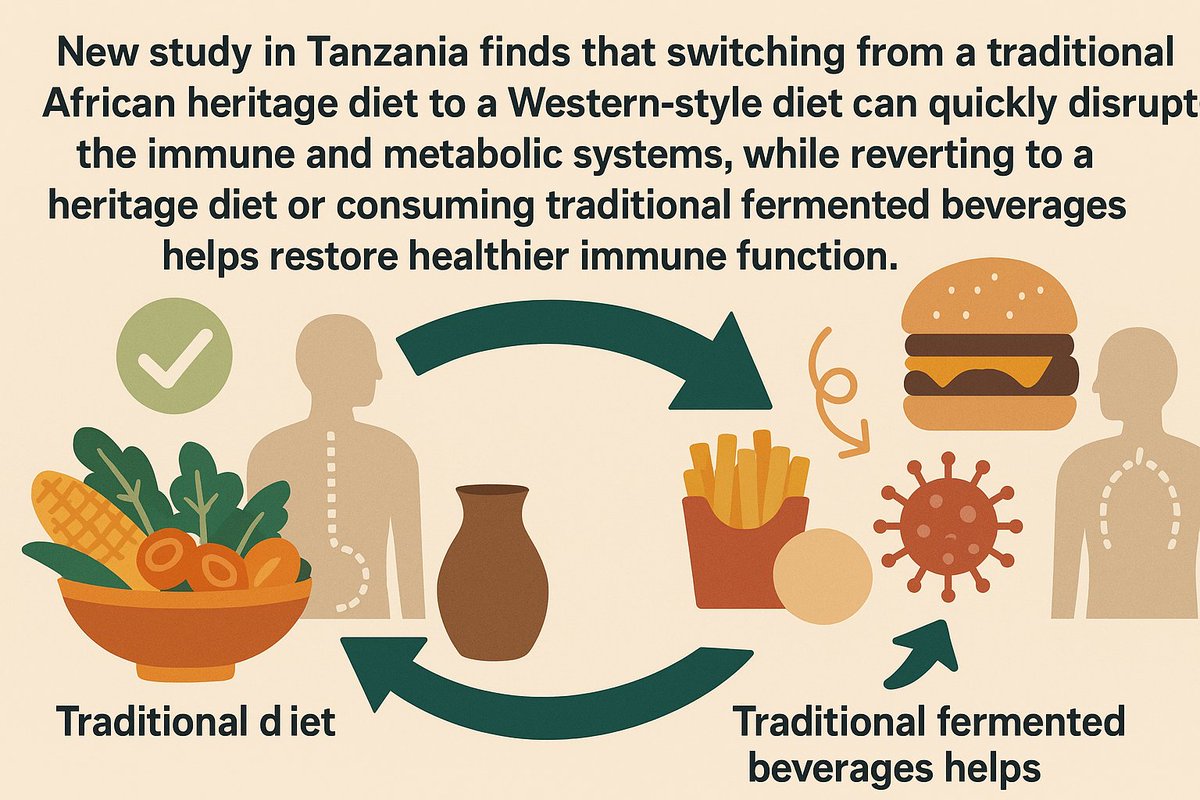
New study in Tanzania finds that switching from traditional African foods to a Western-style diet can quickly disrupt the immune and metabolic systems, while reverting to the heritage diet or consuming traditional fermented beverages helps restore healthier immune function.
~
Researchers hypothesized that the growing shift away from plant-based, fiber-rich traditional diets (like those of the Chagga people in Kilimanjaro) toward calorie-dense, processed Western diets may drive chronic inflammation and noncommunicable diseases (NCDs). So they did a randomized trial, monitoring 77 healthy young men who either swapped diets for two weeks or added a traditional fermented banana drink called Mbege for one week. The team assessed changes in immune responses, inflammation markers, gene expression, and metabolism. They found that switching to a Western diet increased weight, promoted inflammation, reduced the body’s ability to fight infections, and activated immune cells in ways linked to chronic diseases. In contrast, returning to a heritage diet or drinking Mbege had anti-inflammatory effects and improved immune signaling, with some benefits lasting weeks after the interventions ended. The researchers concluded that preserving traditional diets and fermented foods could help prevent the rising burden of NCDs in sub-Saharan Africa.
In other words, you should Mbege and eat magimbi, ndizi, z=viazi maharagwe etc etc;
Fikra za wazalendo zidumu milele
~
Temba et al 2025: Immune and metabolic effects of African heritage diets versus Western diets in men: a randomized controlled trial https://t.co/6Q9RfU6oYx
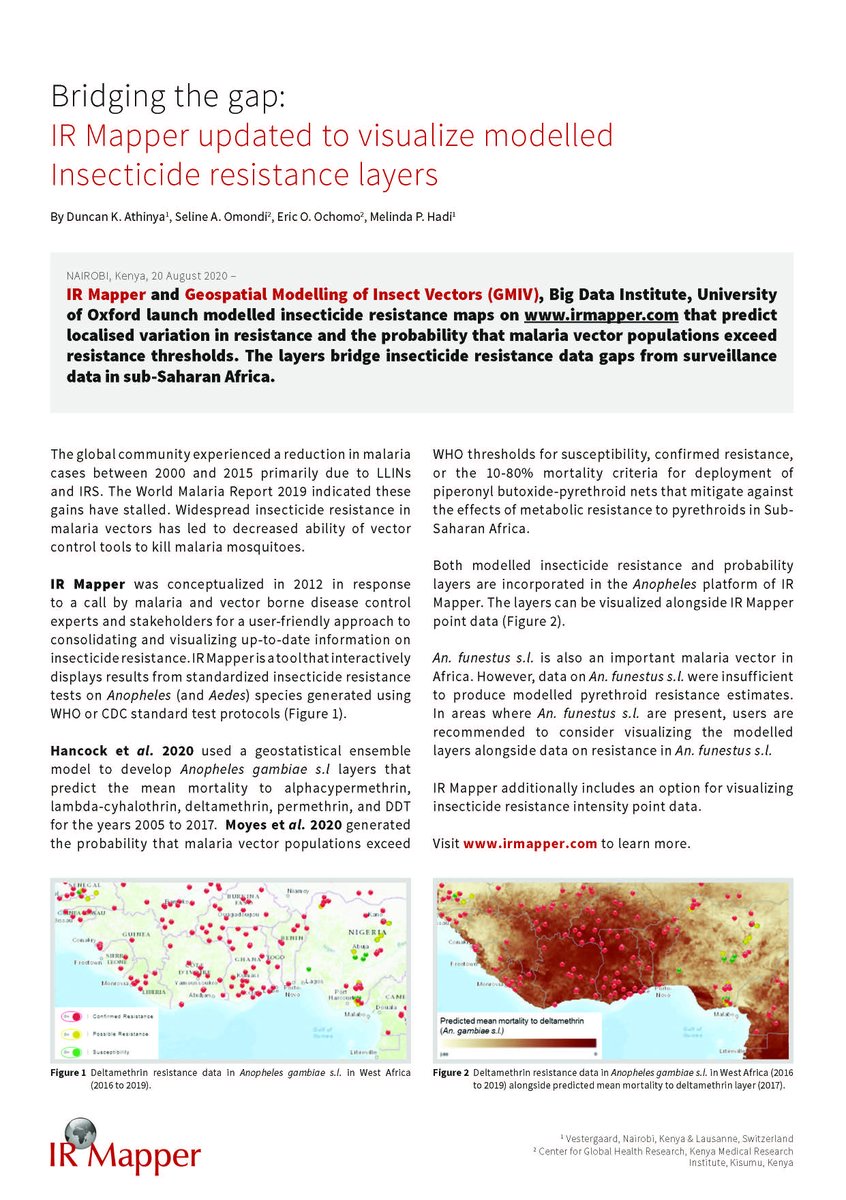
On #WorldMosquitoDay@IRMapper and @GMIVvectormaps launch modelled insecticide resistance maps on https://t.co/WvT3z3Fmbx that predict localised variation in resistance and the probability that malaria vector populations exceed resistance thresholds.
@ntsa_kenya you guys need to get better systems. Its very unfair mtu kurauka for smart DL activation halafu unaambiwa system iko down and this keeps on for a week.