This week Elena is joined by Bright Morning teammate, Becky Barstein, to explore these questions and many more in Part 1 of our three-part Transformational PD mini-series. If you design or facilitation adult learning, this is an episode you won’t want to miss!
What does it look like to connect with and help our students advance their thinking? How do we support them in making sense of mathematics? We discuss these topics and more in MLC’s new podcast, Rounding Up. We launched today with four episodes live now! https://t.co/b2QG7Xoxnd
For teams to be effective, they need conflict. Not destructive conflict, healthy conflict—the kind that allows for disagreements, different viewpoints, & a path forward that deepens relationships on a team.
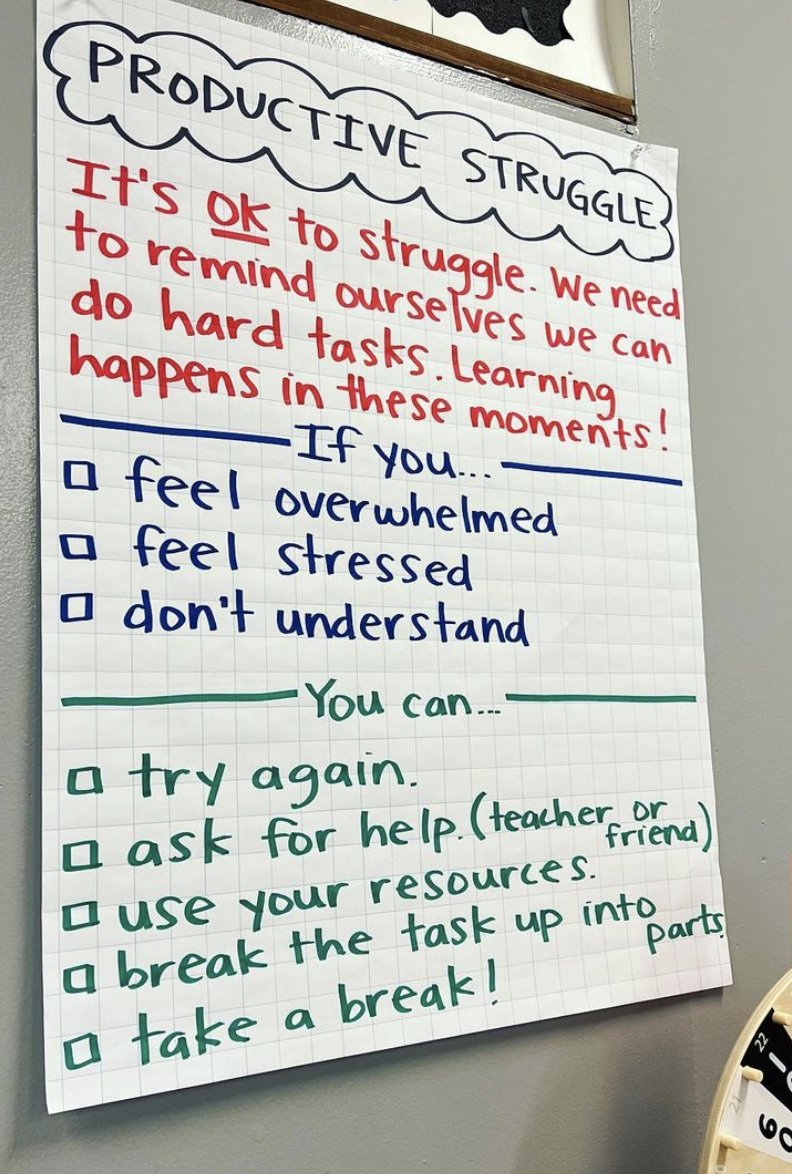
Impostor syndrome: “I don't know what I'm doing. It's only a matter of time until everyone finds out."
Growth mindset: "I don't know what I'm doing yet. It's only a matter of time until I figure it out."
The highest form of self-confidence is believing in your ability to learn.
“Systemic reflection, not reflexive reaction, is fundamental to long-term improvement. Schools and districts must first ask the right questions.”
Tony Wagner
via @ASCD Educational Leadership (1993)
#edchat
@JenSigrist@BrooksHarper@CentralRivers I think promoting yourself or selling yourself is a skill that should be encorporated in career exploration/21st century learning for this reason. Hooking it to social media and promotion makes it more relevant to where they are at.
Instead of defaulting to calling people "resistant to change", leaders can ask:
What is this person concerned about that we haven't seen or engaged with?
So-called resistance is mostly about: a lack of co-creation of the future; loss (e.g. of autonomy) or of values-threat.