NEW RELEASE 📚
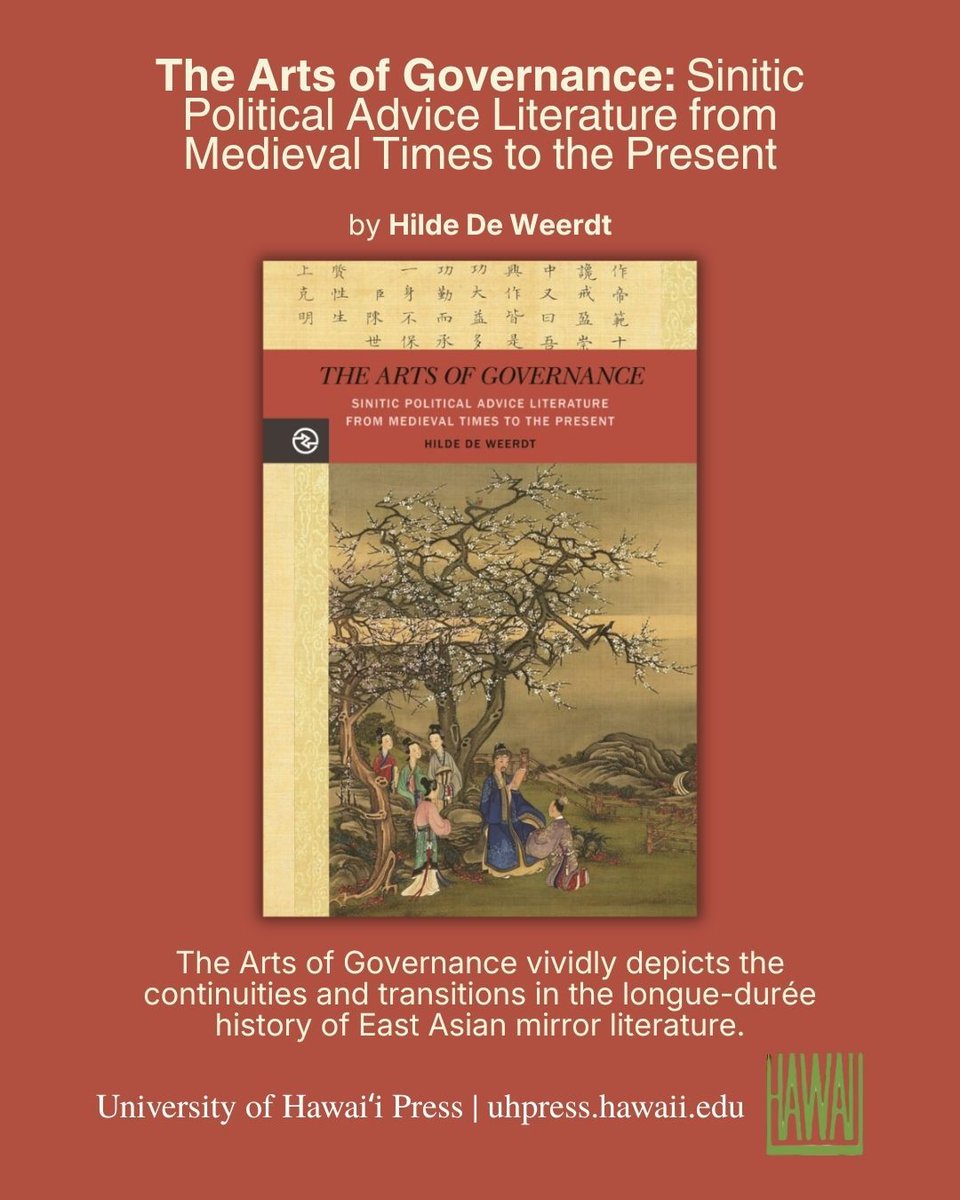
The Arts of Governance by Hilde De Weerdt traces the global influence of Sinitic political advice literature from medieval China to today.
Save 30% with code Newreads30 through July 31, 2026.
Purchase today: https://t.co/wl4jaMrUkx
#NewBook#ChineseStudies
China's Environmental History: A Reader, coming soon. It’s been a pleasure to contribute to this source collection, which will be useful for teachers and students alike. Many congrats to Brian and Peter, who pulled off a major contribution to Chinese and environmental history.
In this new translation of the TAO TE CHING, David Bentley Hart reveals the metaphysical, moral, and poetic depth of Laozi’s classic. Born of the Axial Age, it explores the tension between flesh and spirit, renewed here with striking clarity and relevance.
“In carrying out his close analysis of these ‘key works’ that include different genres and span over millennia, Williams adopts a strategy that ‘aims to excavate the layers of meaning embedded in key literary works rather than survey entire collections or periods’ (p. 17). This is similar to the philological methodology that Erich Auerbach (1892–1957) recommended and demonstrated in his seminal writings such as ‘Philology and Weltliteratur’ and Mimesis: The Representation of Reality in Western Literature. It proves equally effective in Williams’s study. His sensitive analyses of and comments on these carefully chosen texts convincingly demonstrate both the relevance and vitality of the soul-summoning motif throughout the long history of Chinese literature.” —Harvard Journal of Asiatic Studies https://t.co/otjHxkwcO3 #NationalPoetryMonth
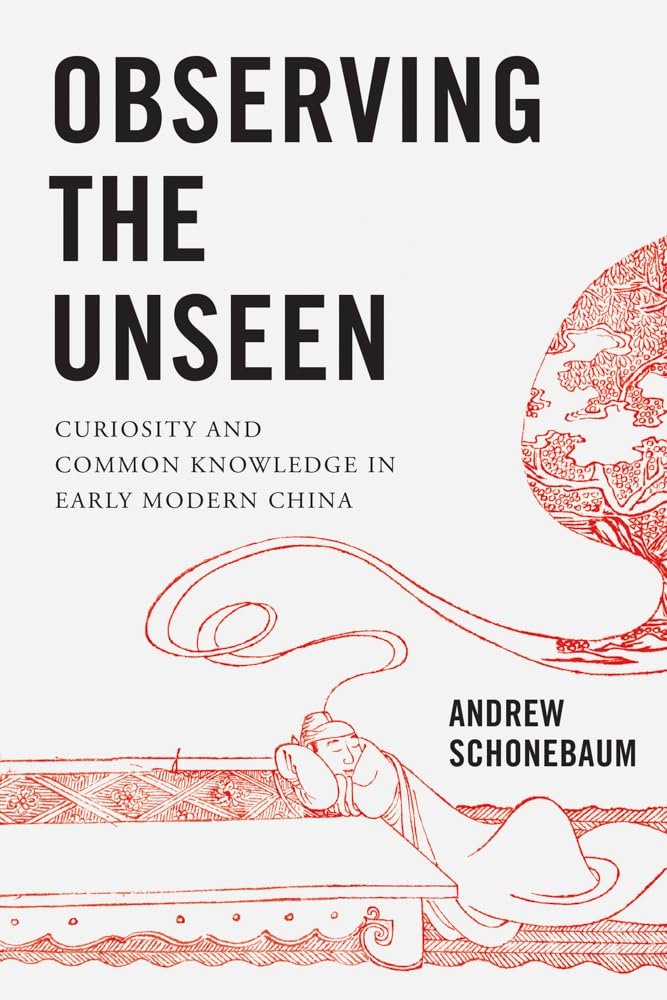
New Book Announcement: “Observing the Unseen: Curiosity and Common Knowledge in Early Modern China” by Andrew Schonebaum @UWAPress https://t.co/ohXlIUj2c0
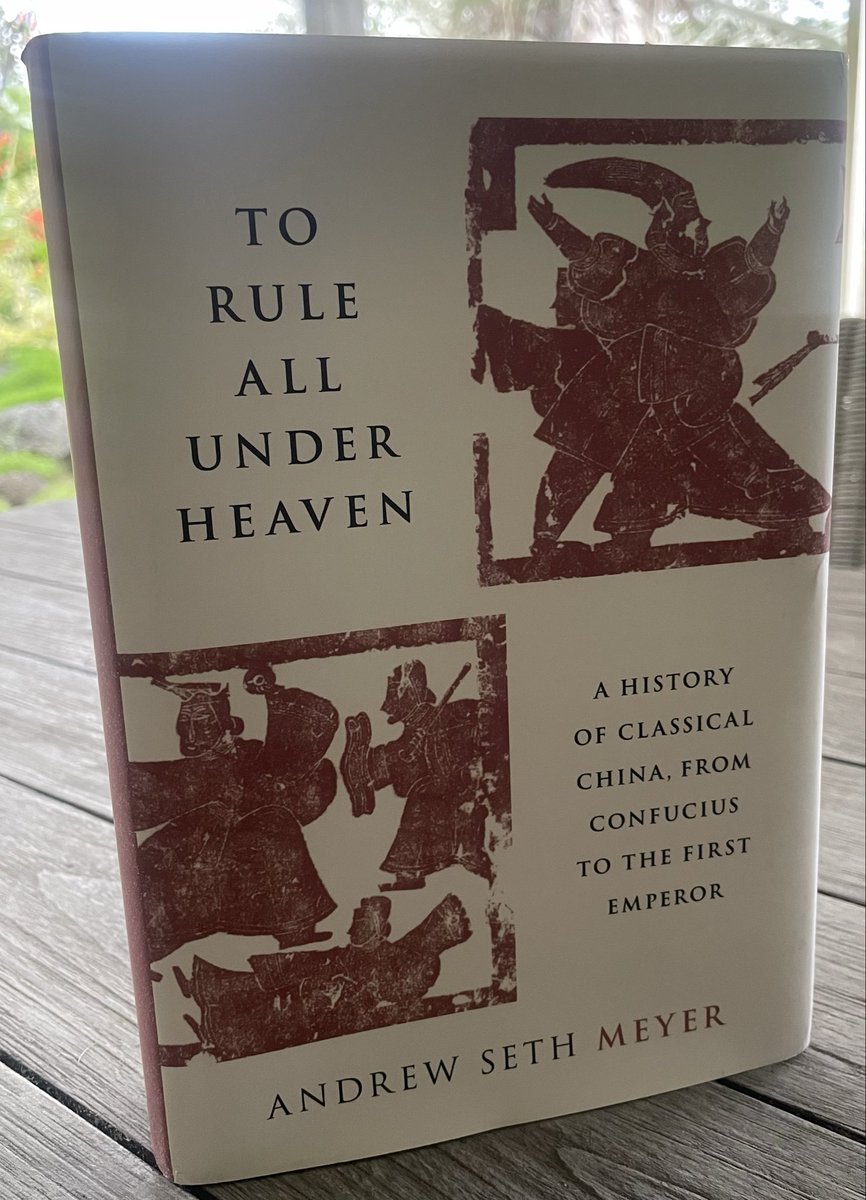
“If one enters almost any bookstore in the English speaking world in search of a book about classical Athens or the early Roman Republic written for a general reader, one will have many options. But if one looks for such a book about early Chinese history, there are none.”
"This study not only proves the importance of souls’ wanderings, resurrections, & transcendence in Chinese literature but also makes significant contributions to the understudied intersections of poetry, performing arts, & religion." —Asian Studies Review https://t.co/fkQFtrI2Xx
Yongtai Ancient Town in Yongtai County, Gansu Province. It was built in 1602 of Ming Dynasty (1368 -1644), in order to protect against invasions & attacks from nomadic groups in the northern China. During its heyday, it was home to around 2,000 infantrymen and 500 cavalry units.
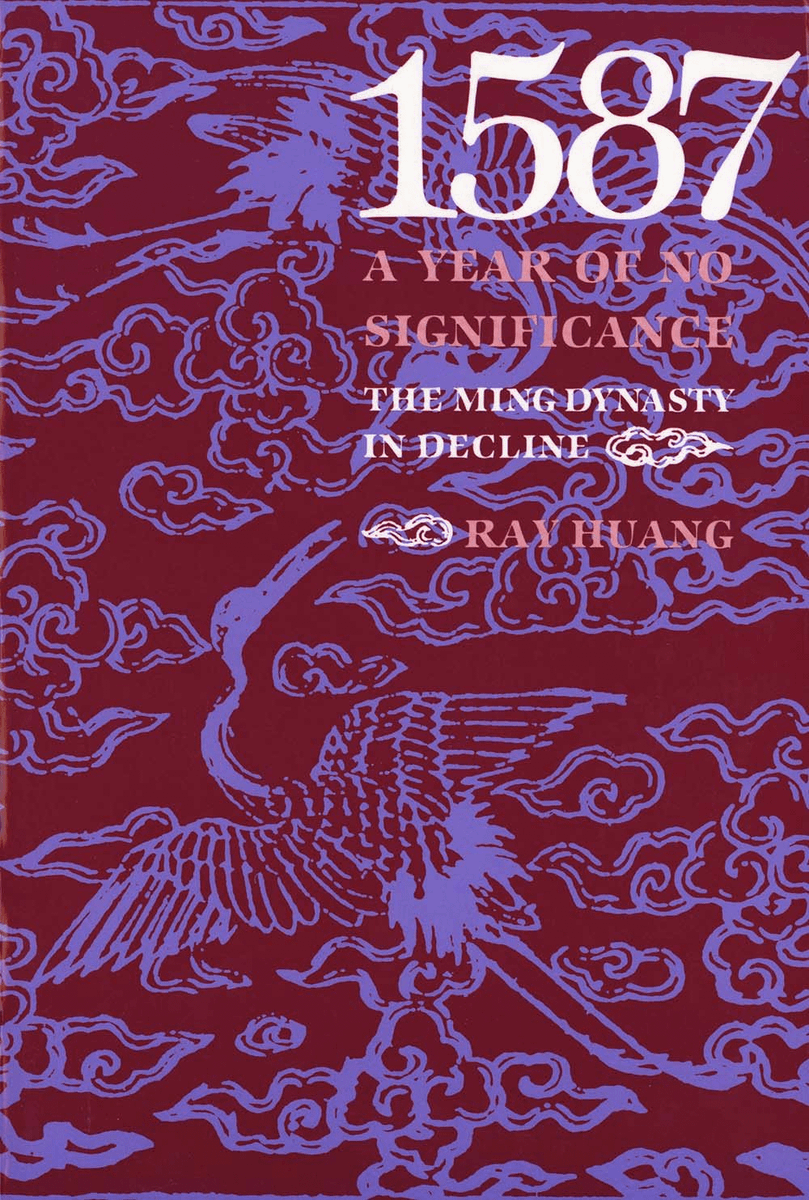
1587 is absolutely one of the great books on Chinese history.
It is a series of vignettes, each a chapter centered on the life of a single notable individual in a single year during the Ming dynasty’s decline.
Actually kind of gives ATLA's "Tales of Ba Sing Se" vibe
Shocked😧to see that according to WorldCat our book One Man Talking is only available in 15 libraries worldwide! And no reviews. Surely there must be people interested in Chinese Republican literature & art & 邵洵美 out there! Please consider asking your library to order it.🙂
But what is true: from 2025, China waives tuition for *only* the final year of public kindergarten. Approved private kindergartens get reduced fees, but costs stay high.
China's "free" kindergarten claim is misleading: public ones cost $140–$420/mo. Private: ~$238–$357/mo (mid-tier) to $700–$3,000/mo (elite). 85% of 3–6-yr-olds (48M) enrolled by 2020. Fees vary by region, wealthy pick private for quality. #ChinaEducation
China now has free kindergarten education and care.
That’s 12 million kids and their families enjoying the benefits of socialism.
How’s life in capitalist America?