Zinc increases weight loss by 3X and hip circumference decrease by 10X (!) in trial.
This study put people on weight loss diets of roughly ~300 calories fewer than baseline.
Those taking 30 mg of zinc:
➟ Lost ~10 lb (placebo lost <3)
➟ Lost ~2 inches off their waist (placebo 0.6)
➟ Lost ~1.9 inches off their hips (placebo 0.19)
They also showed better insulin, blood sugar, and inflammatory markers.
Thought to be due to zinc's ability to regulate the central melanocortin system.
The Best Supplements for Gut Health
Food is always the first priority, but targeted supplementation is VITAL for truly healing the gut
Here are my top 9:
Sometimes you don't need hundreds of labs.
Sometimes you need to just pay attention to what your body is telling you.
We see this ALL THE TIME.
If you want some help navigating it - book a free call with us here:
https://t.co/OB8DK7yBxF
Healthy gut, happy life.
We launched something new today for a healthy microbiome.
It's built around Akkermansia muciniphila, a keystone bacterium that decreases with age. The less of it you have, the worse your metabolic health tends to look.
Akkermansia is one of the most interesting organisms in microbiome research.
Why it matters
+ strengthens gut barrier integrity
+ is associated with glucose regulation, insulin sensitivity, and metabolic health
+ contains Amuc_1100, a surface protein studied for TLR2 signaling and gut barrier function
We paired Akkermansia with butyrate triglycerides, a butyrate precursor that supports the gut lining directly, instead of relying on fiber fermentation to produce butyrate.
Akkermansia for microbial signaling.
Butyrate for epithelial support.
A capsule within a liquid capsule to make it possible.
I take one capsule daily. You can get yours at Blueprint Bryan Johnson.
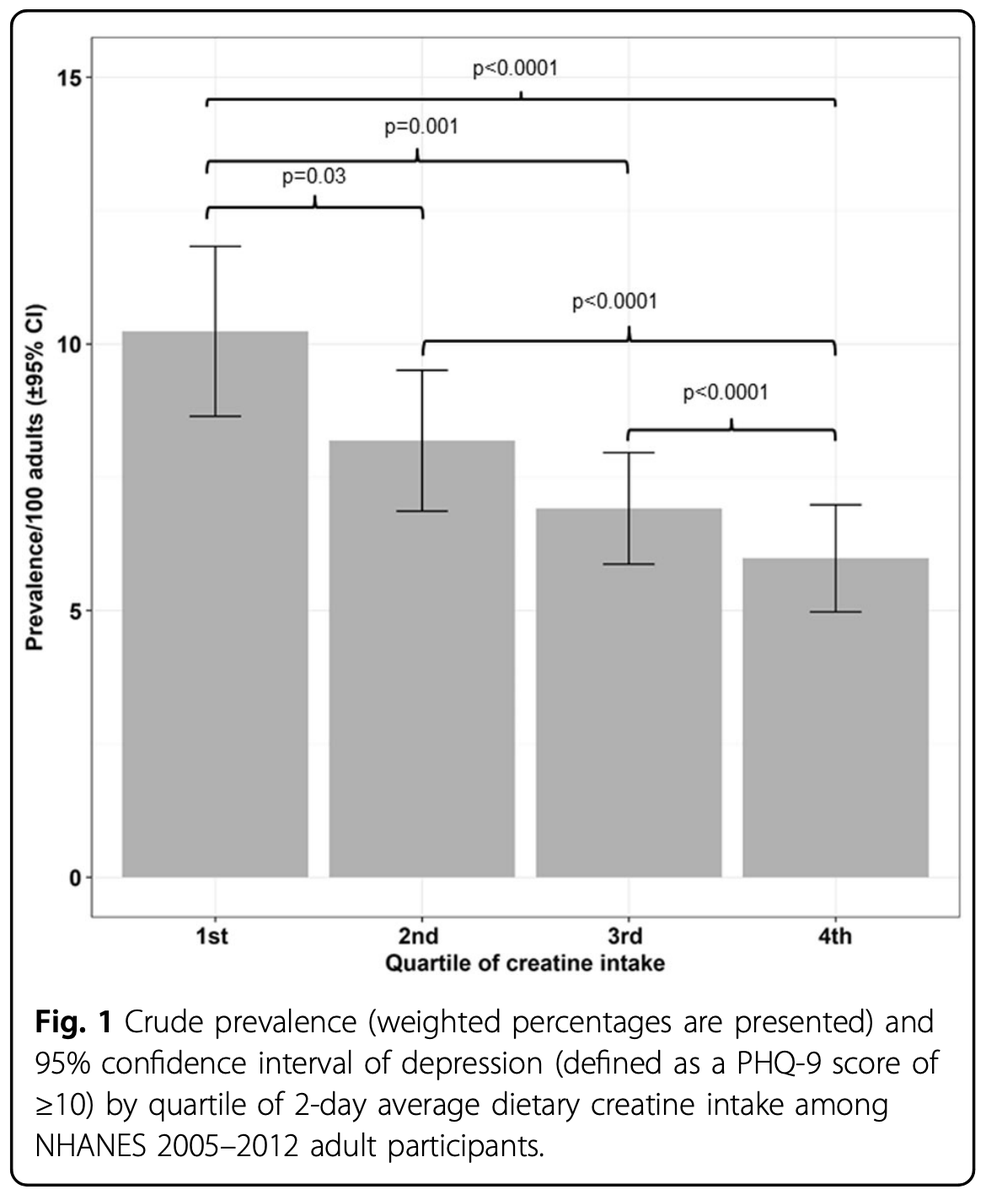
Low creatine intake increases depression risk by ~50%.
Vegans / vegetarians are at risk - creatine is only in meat.
Supplementing it back has therapeutic effects.
Creatine fuels brain energy production, the core driver of good mental health
La salud física está fuertemente ligada a las relaciones sociales porque el cerebro humano procesa las amenazas sociales (rechazo, exclusión, soledad) de manera muy similar a las amenazas físicas de supervivencia (depredadores, heridas).
Cuando los humanos se sienten rechazados o solos, se activan los mismos sistemas de alarma que ante un peligro real: el sistema nervioso simpático (respuesta de lucha o huida), el eje HPA (estrés crónico) y respuestas inflamatorias del sistema inmune.
Aunque estas respuestas son útiles a corto plazo para sobrevivir, cuando se activan de forma repetida por problemas sociales generan inflamación crónica, mayor riesgo de enfermedades (diabetes, problemas cardiovasculares...) y aumentan la mortalidad. El aislamiento social le duele literalmente al cuerpo porque el cerebro lo interpreta como una amenaza vital.
A lo largo de la evolución, los mamíferos —y especialmente los humanos, que son una especie ultrasocial— dependieron tanto de formar parte de un grupo para sobrevivir que el cerebro terminó usando los mismos circuitos neurales (amígdala, corteza cingulada anterior, ínsula) para detectar tanto peligros físicos como sociales. Por el contrario, el apoyo social y la sensación de conexión activan circuitos de “seguridad” que inhiben estas respuestas de estrés y protegen la salud. Por eso, sentirse conectado funciona como un escudo biológico, mientras que el sentimiento de soledad actúa como un factor de riesgo tan potente como el sedentarismo, la obesidad o fumar.
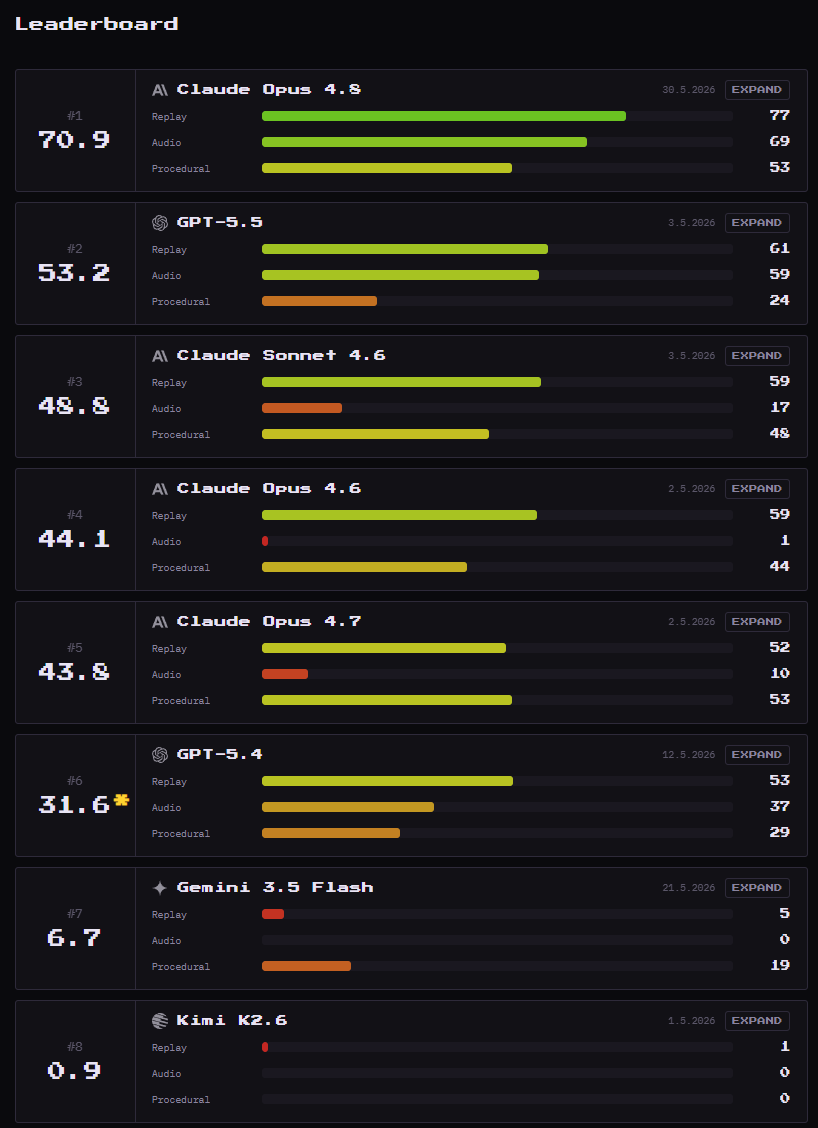
Claude 4.8 Opus smashes GPT-5.5 and is new SOTA on GBA Eval
On GBA Eval models are used as coding agents to build a working Game Boy Advance emulator from scratch within 24 hours.
BREAKING: Largest Human Cancer Study of Ivermectin + Mebendazole Is Now PEER-REVIEWED and PUBLISHED in a MAJOR Cancer Journal
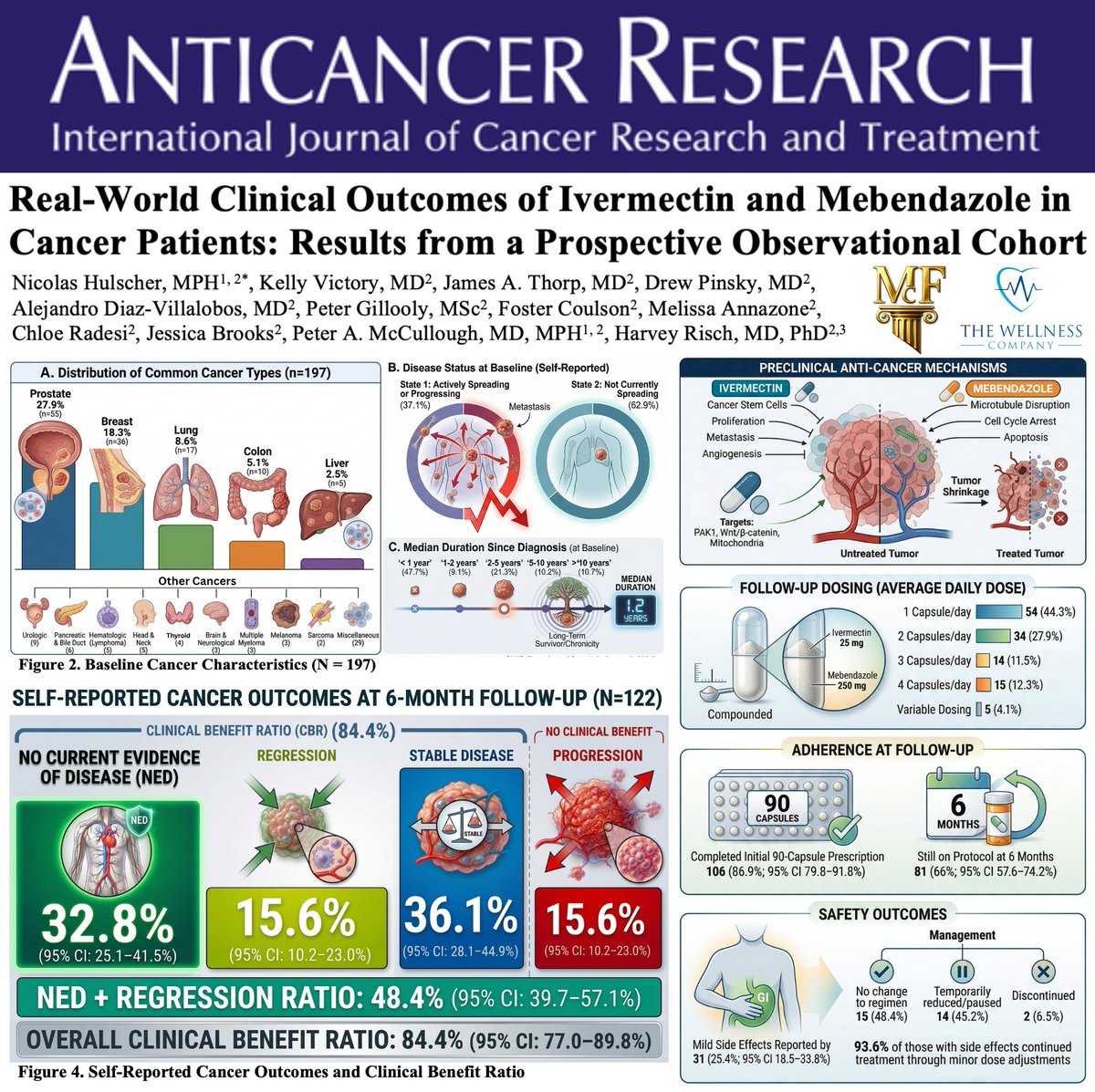
84.4% of cancer patients taking ivermectin + mebendazole for 6 months declared either CANCER DISAPPEARANCE, TUMOR REGRESSION, or CANCER STABILIZATION.
Our study, “Real-world Clinical Outcomes of Ivermectin and Mebendazole in Cancer Patients: Results from a Prospective Observational Cohort,” is now peer-reviewed and published in Anticancer Research—a major international oncology journal of the International Institute of Anticancer Research (IIAR), established in 1995.
The results represent one of the most compelling clinical signals ever documented for repurposed anti-parasitic therapies in oncology.
A diverse population of cancer patients (n=197) was prescribed compounded ivermectin–mebendazole through a U.S. telemedicine platform, with each capsule containing 25 mg ivermectin and 250 mg mebendazole.
Participants were followed for approximately six months using standardized digital surveys assessing cancer outcomes, medication adherence, and tolerability.
At approximately six months post-treatment initiation, we observed an 84.4% Clinical Benefit Ratio (CBR)—meaning more than four out of five patients reported either:
No evidence of disease (32.8%)
Tumor regression (15.6%)
or Cancer stabilization (36.1%)
Importantly, adherence was remarkably high, with 86.9% completing the initial prescription and 66.4% remaining on therapy at six months.
Side effects were predominantly mild and manageable, reported in 25.4% of patients (primarily gastrointestinal), with 93.6% of those experiencing side effects continuing treatment after minor dosing adjustments.
This groundbreaking peer-reviewed publication was made possible through a unique collaboration between The Wellness Company, the McCullough Foundation, and the Chairman of the President’s Cancer Panel—uniting real-world clinical data, frontline medical experience, and epidemiologic expertise to evaluate inexpensive, repurposed therapies with major translational potential.
With these extraordinarily promising results, double-blind, placebo-controlled clinical trials are now required.
In the meantime, many cancer patients are exercising their right to try.
@twc_health@McCulloughFund@IIAR_Journals@P_McCulloughMD@DrHarveyRisch@DrKellyVictory@jathorpmfm@drdrew@PeterGillooly@FosterCoulson
Healthy gut = Healthy mind.
Unhealthy gut = Unhealthy mind.
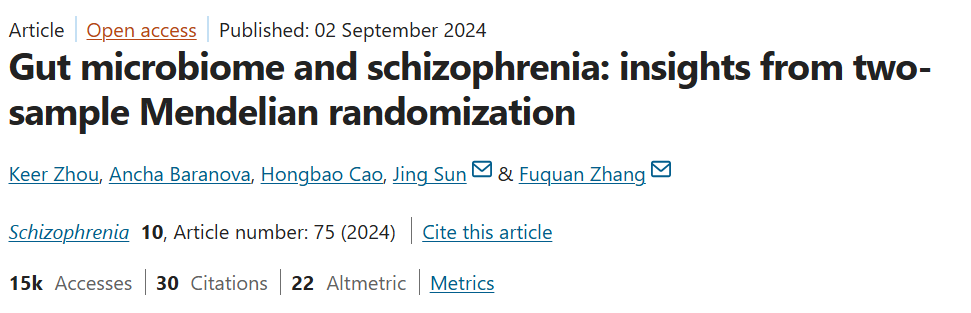
Besides depression, brain fog, Alzheimer's and anxiety, poor gut health can contribute (and might even trigger) OCD, schizophrenia and bipolar.
Depression isn't some unknown genetic condition like your doctor tells you.
In fact, we know the exact biological causes behind it.
Here are 10 hallmarks of depression, & what you might be able to do about each: