Denmark is once again showing how much flexible demand we have on our electricity grid.
EVs, heatpumps/cooling, district heating etc..
When electricity prices dropped deep into negative at noon our electricity demand went from 4350 MW to 5100 MW an 750 MW increase. We need more of this 💪
There was even a big increase in power demand as prices went to zero both at 08:00 and 18:00 when the demand was at just 2700 MW quickly raising to 4200 MW as prices became zero. ⚡️🔌
Proximity to nuclear power plants was associated with elevated mortality from breast, colon, and lung cancers. From 2000 to 2020, an estimated 39,767 female deaths (95% CI: 9312–69,381), representing 2.01% (95% CI: 0.47–3.50%), and 38,124 male deaths (95% CI: 16,106–59,600), representing 2.33% (95% CI: 0.98–3.64%), were attributable to this proximity. Lung cancer accounted for the largest burden in both sexes, followed by breast and colon cancer in females and colon cancer in males. Mortality risks declined with increasing distance, becoming negligible beyond 50 km.
Nature 20th May 2026
https://t.co/auf7lX15oa
This roadside verge reveals:
A total absence of personal responsibility
A rejection of the notion of community pride
A failure of legal enforcement against criminals
A complete embarrassment for Britain
It cannot go on. @benonwine
Renewables are now 53% cheaper than nuclear for total system cost - not just generation cost. That includes all the costs of ‘firming’ renewables and ensuring a stable power supply. Offshore wind and solar achieves significantly lower generation costs in a coupled energy system than nuclear. And the stunning growth of battery storage puts it at centre of global energy security.
At a time when so much looks grim, the renewable evolution holds out real hope. In 2025, more power was generated worldwide from renewable energy than from coal, and 91% of new renewables are now cheaper than fossil fuels. Renewables made up 85.6% of last year’s new global power capacity additions. Each year nuclear adds only as much net global power capacity as renewables add every two days.
The part that nobody talks about when it comes to 20mph speed limits!
This was really informative, especially the part about reduced insurance costs, was not aware of that!
Amazing video @WillHayCardiff - really clear, evidence based facts.
Solar isn't just growing. The scale of its 2025 surge is completely bonkers
>We added enough new solar last year to displace every single unit of gas power generated by 100% of LNG exports through the Strait of Hormuz
>So just 1 year of solar growth wiped out the energy equivalent of the world's most critical fossil fuel chokepoint
>Solar growth was 18x gas growth
>China alone added more solar in 1 year than the entire world in 2023
This isn't a transition. It's a hostile takeover by superior economics. Betting on fossil fuels today is exactly like betting on whale oil while Edison was turning on the lightbulb
44% of evening peak met by batteries. In California, world’s 4th largest economy. Not some tiny pilot project or a niche experiment, a global industrial powerhouse
If you’re still sitting in boardrooms or parliament banging on about baseload and the intermittency of renewables, you’re not just wrong, you’re a dinosaur
California's 44% isn't an anomaly. It's a preview of the 2027-2030 reality for every major grid overbuilding renewables
The "technical barriers" the fossil fuel lobby loves to cry about are gone. We are shifting solar and wind into the night at a massive, industrial scale. We don't need expensive, inflexible coal or gas to keep the lights on; we need more storage and we need it now - everywhere
https://t.co/geHZpe7hNA
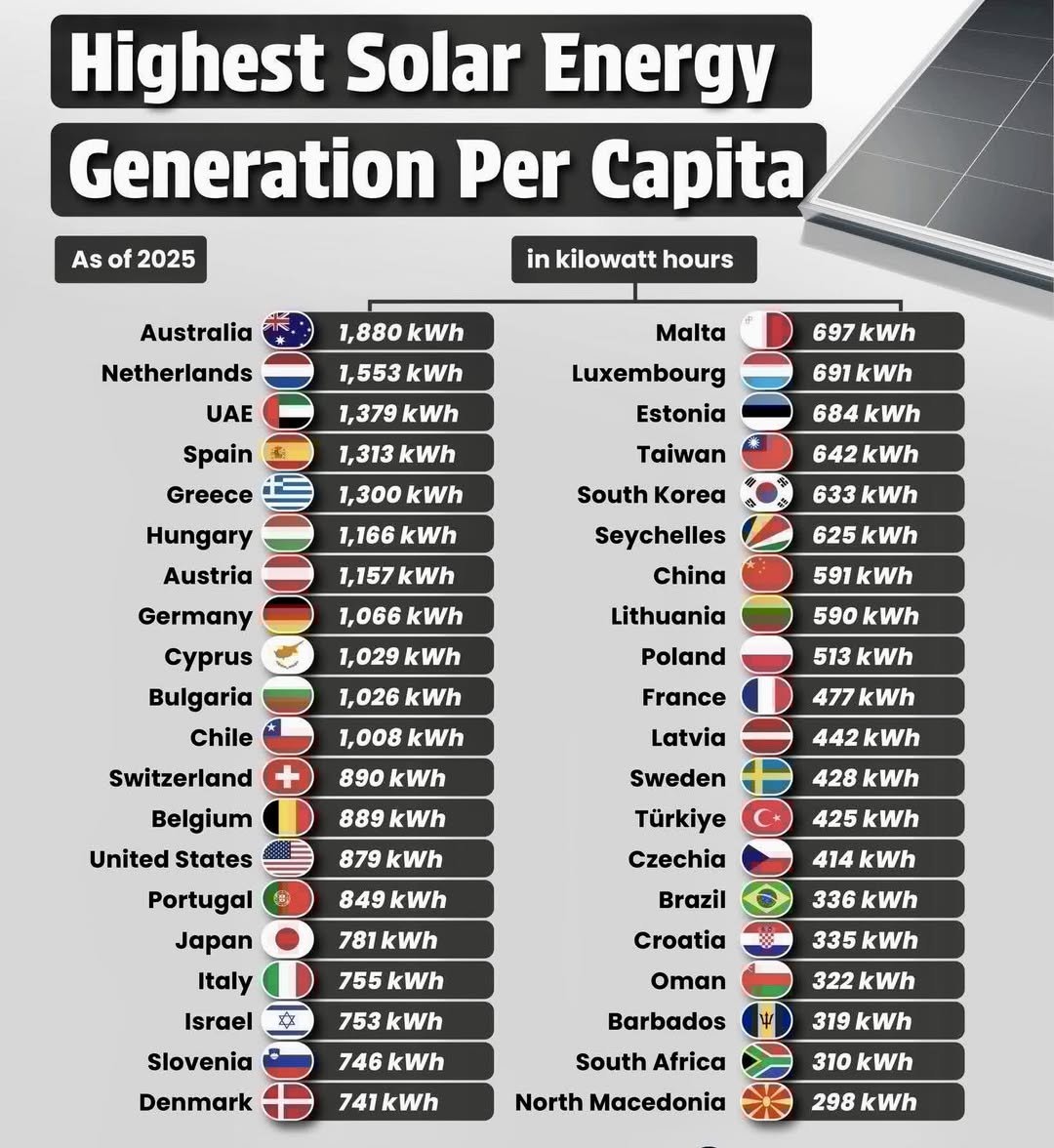
This isn’t peak solar. This is early innings of system replacement. Australia leads per capita as rooftops turn homes into power stations & BESS scales fast. Centralized grids aren’t competing anymore—they’re being replaced faster than linear models anticipated. #Bettrification
🚨 In 2019, a MIT lecture quietly dropped that changed how the smartest people communicate.
Most people still ignore it.
It came from Patrick Winston and instead of teaching speaking, he exposed why people fail to be understood.
18M+ views later, it’s still ahead of its time.
His core idea was simple: your ideas are like your children. You can’t just present them and expect others to care. You have to shape them, guide them, and make them easy to understand. Raw thoughts don’t land structured ideas do.
He also stressed that the first five minutes decide everything. If you don’t clearly explain what you’re saying and why it matters, you lose attention instantly. People don’t wait they switch off.
And about humor most speakers get it wrong. Jokes at the start usually fail because trust isn’t built yet. Connection comes first, then personality.
His biggest insight? Communication isn’t about what you say it’s about what people actually understand and remember.
That’s why this MIT lecture still stands out.
Because while everyone is chasing attention…
Very few know how to hold it.
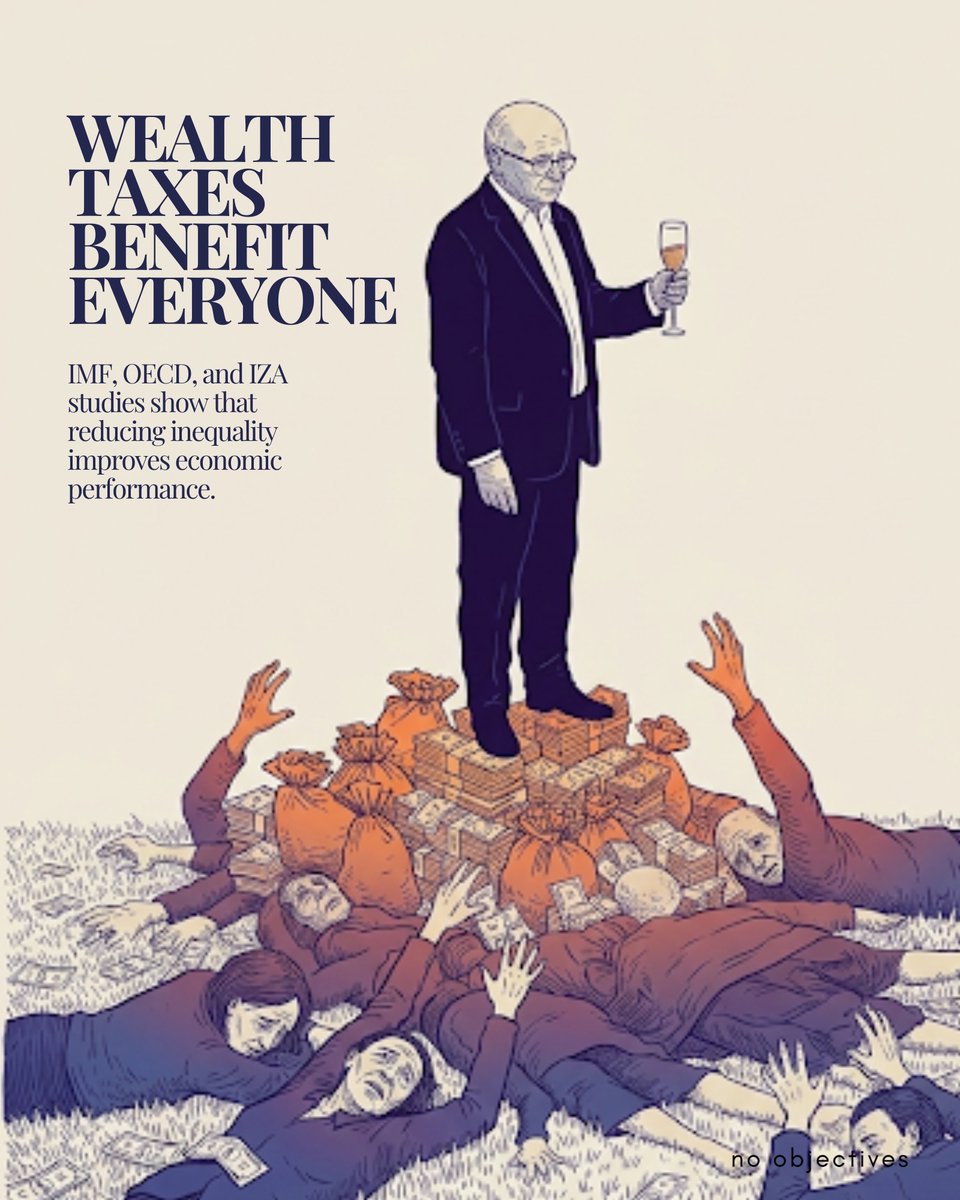
The science on wealth taxes is settled.
People opposing it are either protecting their own wealth or letting ideology override evidence.
Here is what the research actually says. 🧵👇
It’s almost like climate science was a … science, with testable and nullifiable hypotheses, not vibes. And that anthropogenic climate change, and its rate and drivers, are actually supported by observed data …
A single gas leak in Pennsylvania vented more than 1.4B cubic ft of methane into the atmosphere. That’s as much climate pollution as 261 coal plants! There’s nothing “clean” about “#naturalgas"
We have so many solutions. Implement them. #ActOnClimate#climate#renewables
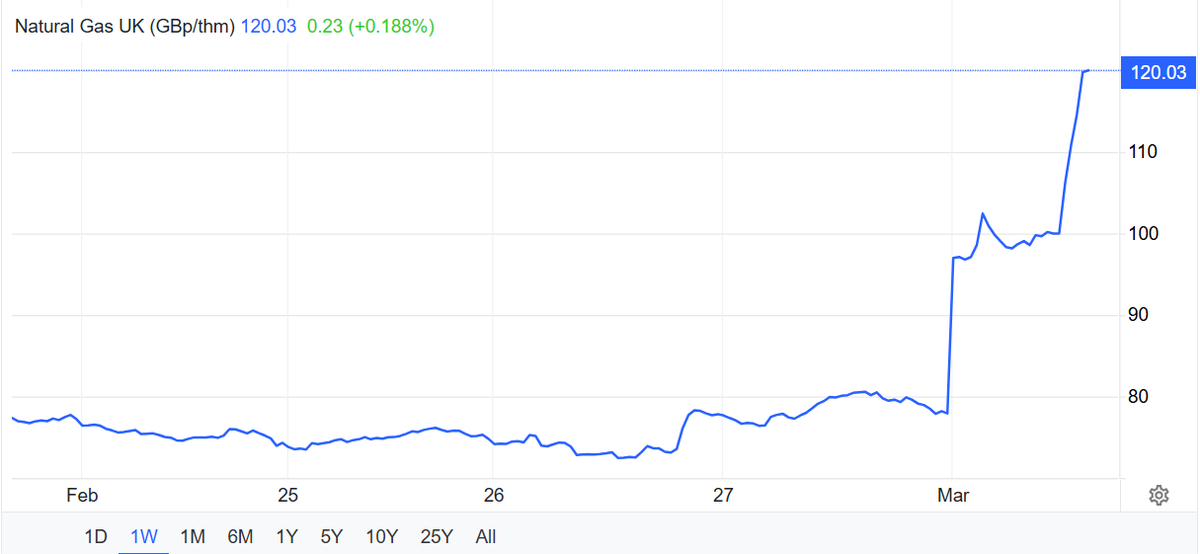
UK Gas prices now approaching double what they were a week ago.
Do you know what wont be increasing in price, existing wind and solar.
Meanwhile Norwegian and North Sea gas will be double despite no increase in extraction costs.
A recent study published in the journal Nature Communications reports higher cancer mortality rates in the United States (US) counties within 200 km of operational nuclear energy plants compared with more distant counties
https://t.co/4vvKd6gAM6
Fish protection for Hinkley C #nuclear plant.
#EDF say "just two salmon will be killed per year, when Environment Agency experts warn that 4.6 million fish will die every year – including critically endangered species such as European eel."
https://t.co/s4ZC6LXaBR