We are looking for a Postdoctoral Research Associate to join our AHRC-funded project, Eighteenth-Century Political Participation and Electoral Culture 🗳️
https://t.co/N8Gonw4b9r
"He who makes the most people drunk may depend upon the greatest number of votes"
Abbe Le Blanc, on 18th-century British elections (1730s).
#HistParl#twitterstorians@ECPPEC_Project
There will be celebrations in the @TheVictCommons to mark this great achievement from our senior research fellow Dr Martin Spychal! For a taster of his work, see https://t.co/PlNbYaRHi5
MP, Lord Mayor of London, journalist, jailbird, and lover of strawberries...
Why wouldn't you want to know about John Wilkes? And, as is posed in the podcast, why isn't there a movie about him yet?
@BaroquePodcast#twitterstorians#HistParl
https://t.co/Mvb5uZmocU
In our August issue of Historical Research: Mapping and ‘stage-managing’ elections in the long eighteenth century: electoral culture, popular politics and the rhetoric of political space by Kendra Packham https://t.co/vxmJ3xSrYF
As we wait for one final seat to be decided, it's worth remembering not only that pre-Reform elections could last for days, even weeks, & outcomes could be disputed for up to a year> Controverted Elections - @ECPPEC_Project#twitterstorians https://t.co/IKFHQJp0p5
Have you ever wondered how your constituency voted in the 18th c.?
If you are curious, @ECPPEC_Project have produced an election directory, surveying elections between 1695 and 1832 all across England 👇
https://t.co/3amFlR07rd
Electors in the 18C often had their entitlement to vote challenged, so had to prove their case> Challenging votes - @ECPPEC_Project#twitterstorians https://t.co/pW9WYcs98u
1807 Yorkshire election was the most expensive prior to 1832 Reform Act. Issues included controversy over Act for the Abolition of the Slave Trade (Mar. 1807) & the civil rights of Roman Catholics. @ECPPEC_Project@Hillary_Burlock#twitterstorians https://t.co/Bdlx26Cpdc
Voters? Canvassers? Objects of canvassing? Political hostesses? Officials in the election process? Find out more about women's electoral involvement & influence prior to 1832 - @ECPPEC_Project#twitterstorians https://t.co/NJEyi2tOhv
@ECPPEC_Project solicits your votes for the international Digital Humanities Awards in the 'Best DH Dataset' category! The awards are voted for entirely by the public and close on 30 March. You can cast your vote at the bottom of the page here: https://t.co/WKrgGR6fMX
.@ECPPEC_Project has been nominated for an International Digital Humanities award ‘BEST DH DATASET’ category. We're thrilled but competition is stiff. Anyone can vote-so I am pinning on my cockades & canvassing! Voting open until 30 Mar.: https://t.co/Ev4RVMzxk3 #twitterstorians
The winner of @BSECS Prize for Digital Resources is the incredible @ECPPC_Project The judges were impressed by the scope of the project, it's ability to connect with a wide audience, & its potential to support future research. It will be showcased at our #BSECS2025 conference.
Very pleased to see this (open access) article out in the latest issue of @Parlhistjournal. It's a fantastic looking special issue with a great range of contributions stemming from some of the papers at the @ECPPEC_Project conference in 2022!
https://t.co/gFGYzdsoS7
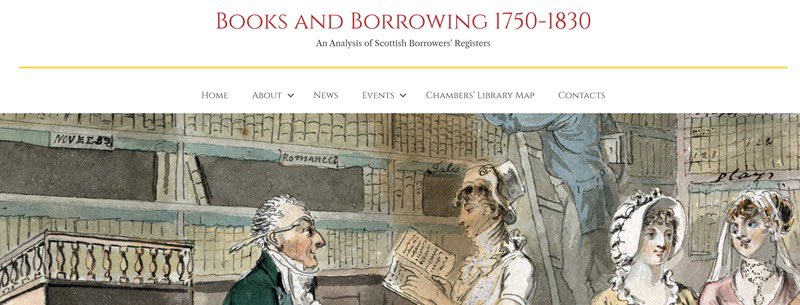
Now live on website "Books & Borrowing: Analysis of Scottish Borrowers’ Registers, 1750-1830" there's a fabulous new database now able to be readily accessed (https://t.co/NWDImWPNXT) - & link on Leighton Library website https://t.co/n8bxbbd1zn. It's in trial & test phase.../🧵👇
In the notorious 1784 general election, Charles Fox (born #OnThisDay 1749) secured the second seat at #Westminster, but it took until 1785 for him to be confirmed in place.
See the full voting details on the @ECPPEC_Project site:
https://t.co/5MtizWL1e9
#HistParl#elections