Pragmatic Idealist. Co-CEO Poppy 🌺We measure and monitor indoor air safety.🌺 Former COO @Meta, former CZI, Microsoft. Mentor of science-based startups.
Did you see Poppy's Co-CEO @ECaley at @elevatetechca today?
Thank you to @theavnishah and Brendan Frey for an illuminating conversation. They shared insights and personal stories on the path from academic breakthrough to market.
A special shout-out to all who attended.
#tech
1 in 7 Americans experienced dangerous indoor air quality in 2023.
April 3, @ECaley will be joined by @cleantechgroup Alex Crutchfield to discuss innovations in wildfire management, and how to measure your building for smoke safety.
Register: https://t.co/L7ZAMH0tMo
Each day, I am looking at landmarks and natural formations and their history with the Indigenous Peoples.
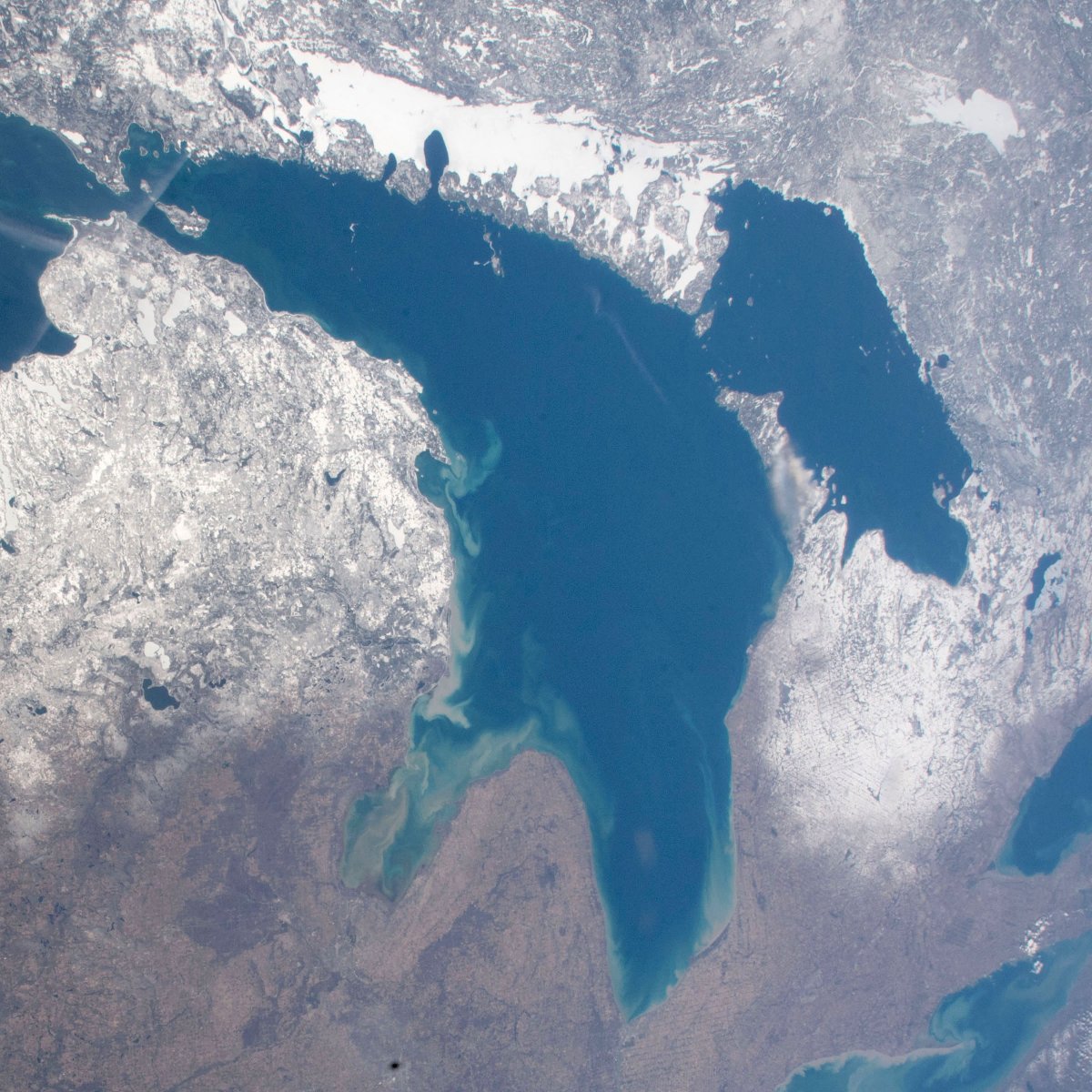
Today, I am looking at Lake Huron.
Lake Huron is one of the five Great Lakes, with a surface area of 59,590 sq-km and 30,000 islands. Due to its size, it was a very important resource and trading centre for the Indigenous Peoples.
Around 9,000 years ago, the water level of the lake was 100 metres lower than today. This allowed a land bridge to be exposed that enabled the migration of caribou. Following the caribou, were humans hunting them.
Many settlements were found on this land bridge, and in 2008 60 stone constructions were found submerged on a ridge. These were believed to be hunting blinds used by the Indigenous Peoples.
There was also evidence of an extensive trade network, with obsidian from Oregon discovered that dated back 10,000 years.
Archeological evidence, including a spear point found on a beach in Sarnia, puts the Indigenous Peoples habitation around the lake at upwards of 13,000 years.
At the time of European contact, some of the Indigenous Nations on the Canadian side of the lake were the Anishinabewaki, the Cree, Algonquin, Odawa, Wendake, Petun and Mississauga.
There were several important gathering places for the Indigenous Nations along Lake Huron, including Aamjiwnaag for the Ojibwa, which was located at the foot of Lake Huron.
The Wyandot called the lake Karegnondi, meaning "Freshwater sea" or simply "lake".
Many of the settlements around Lake Huron in the 1500s had grown quite large. One had over 100 large structures and a population of 4,000 to 6,000 people.
If you enjoy my Canadian history content, please consider a donation to Canadian History Ehx at https://t.co/u12Dmz8vKv
Sources:
https://t.co/ez9yRwcGmE
https://t.co/d6vhaAJjMX
https://t.co/W2l14KpvBv
In my last IRL meeting in March 2022, Sam Molyneux shared the work he, @ECaley & @poppy_health were doing to detect Sars-CoV-2 & their vision to make the spaces where we live & work healthier. The approval👇of @ashraenews Standard 241 is a groundbreaking step in their journey. 👏
@kprather88 Good news Kimberley!
The standard is coming. ASHRAE looks to be on track to releasing the indoor air standard in the next few weeks. Stay tuned!
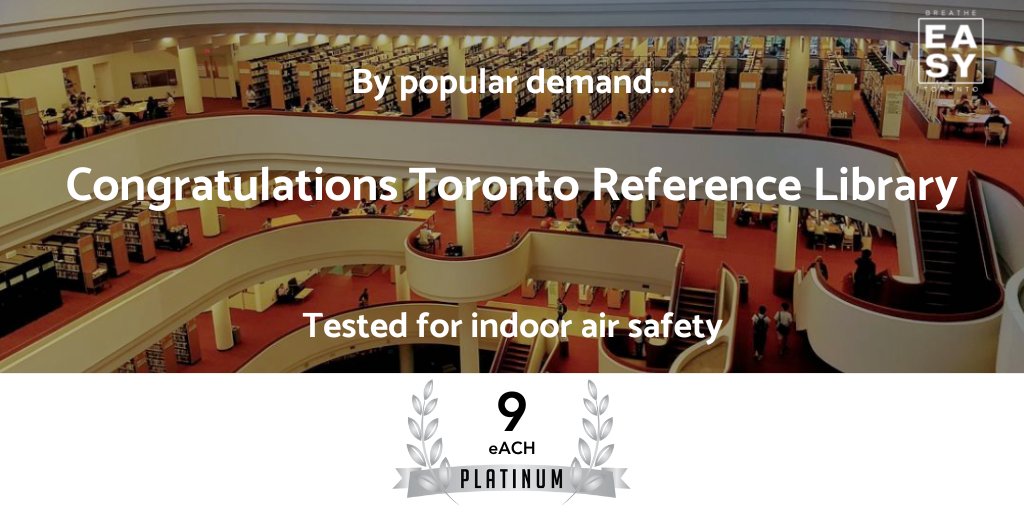
Following heavy voting, @torontolibrarys Toronto Reference Library was tested for indoor air safety. Visitors can feel confident in their excellent air safety score, verified by Poppy Health.
Vote for more #toronto buildings: https://t.co/GYDfU262hR
#iaq#ventilation
This year, our co-founder and co-CEO @ECaley has been nominated for @TheDMZ's Annual Women of the Year award, honouring the most extraordinary and inspirational women from the Canadian tech ecosystem. #DMZWomenOfTheYear
🎧 EP303: Elizabeth & Sam on Complements
A dynamic duo joins Connected Intelligence – @ECaley and @SamDMolyneux are the co-CEOs of @poppy_health, the world’s most advanced biosafety intelligence system for indoor spaces.
https://t.co/3DmlcttS9w
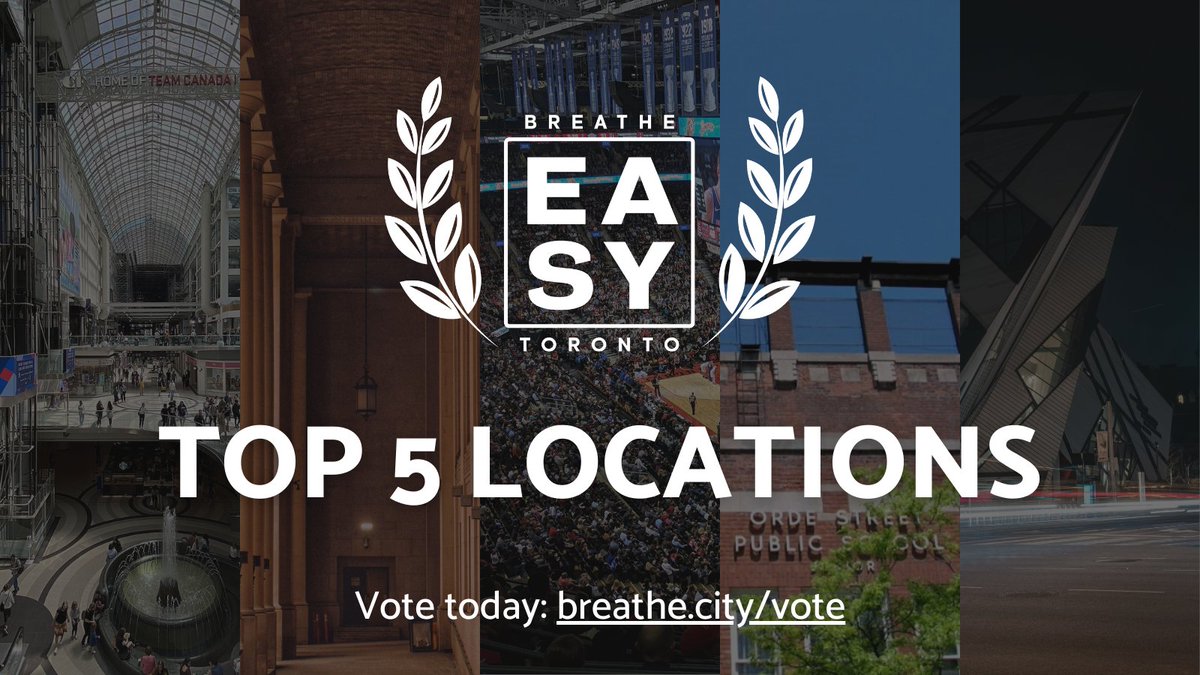
Stay tuned today for top 5 list of places that Toronto voted for this weekend.
The team's working on getting them tested and scored so keep the votes coming!
https://t.co/CdyEaVDCtE
#breatheeasyto#ventilation#Toronto