Recovery can feel lonely — but you don’t have to walk it alone. 💬Peer support groups create a safe space where healing happens through connection, understanding, and shared strength. #EDAOP#eatingdisorders
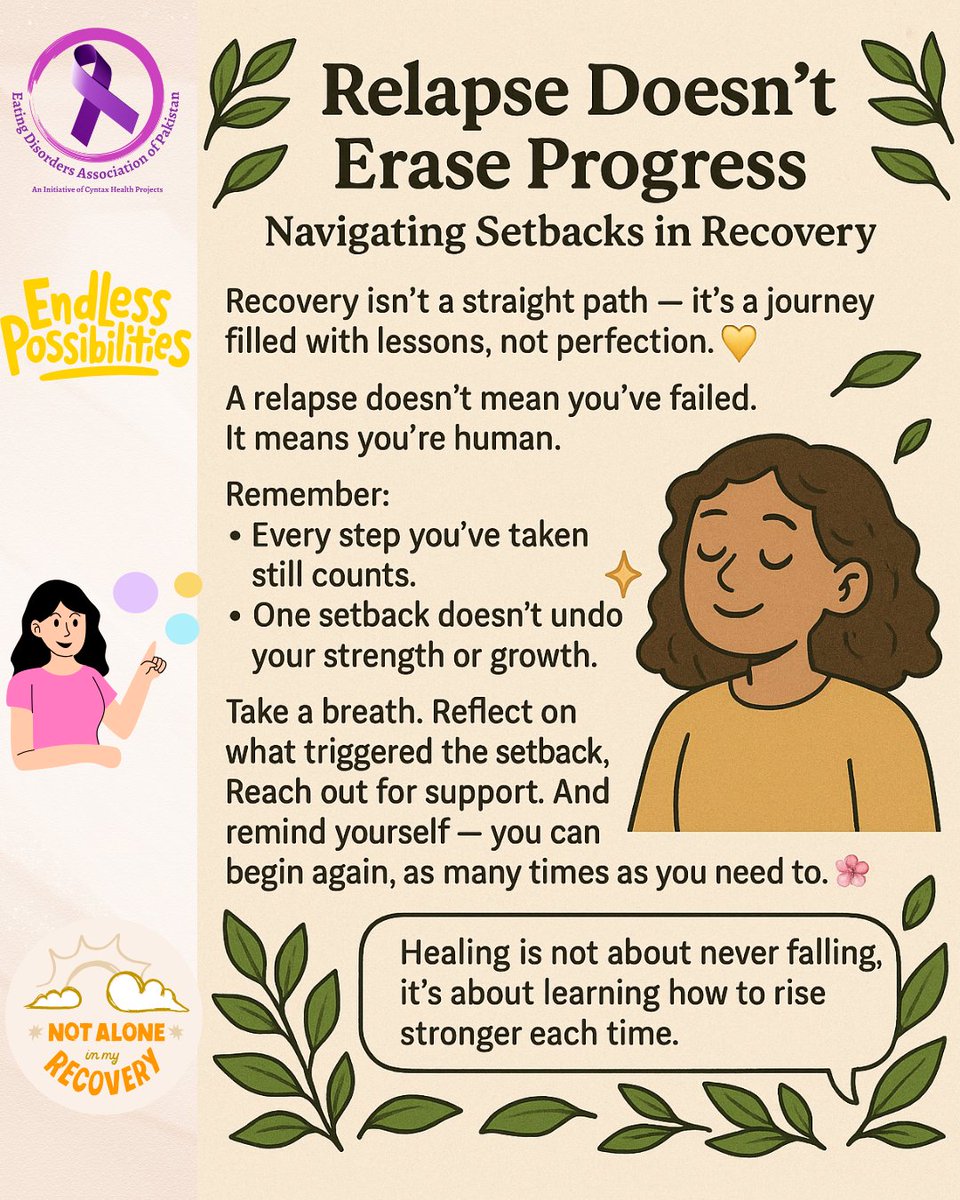
Recovery isn’t a straight path — it’s a journey filled with lessons, not perfection. 💛A relapse doesn’t mean you’ve failed. It means you’re human. #edaop#eatingdisorders
Eating disorders often begin during adolescence making schools critical place for prevention. When schools empower students with knowledge and support, they protect both mental and physical health.#edaop#eatingdisorders
It might feel natural to say “You look great, have you lost weight?” — but even well-intentioned compliments can cause harm.#edaop#eatingdisorders#weightloss
Body Acceptance vs. Body Positivity: Choosing What Serves You. 👉 The key is choice. Maybe positivity inspires you. Maybe acceptance feels gentler. Maybe you shift between the two — and that’s okay.#edaop#eatingdisorders#bodypositivity
Detoxes and cleanses are often marketed as “quick fixes” for health and weight loss. 🍋🥒 But behind the glossy ads, they can be dangerous — and may even trigger disordered eating.#edaop#eatingdisorders
Eating disorders don’t just affect the body — they also impact the brain. ⚡ Malnutrition, nutrient deficiencies, and constant preoccupation with food and weight can disrupt how the brain works. #EDAOP#eatingdisorders
Living with a chronic illness like PCOS, diabetes or other long-term health conditions often means constant attention to food, weight, and body. Over time, this can blur the line between healthy management and disordered eating.#edaop#eatingdisorders
Intersection of Trauma & Eating Disorders: Understanding the Link. Did you know? Many people struggling with eating disorders have also experienced trauma. Whether it’s childhood adversity, abuse, neglect, or major life stressors trauma.
BDD is not vanity—it’s a serious, treatable condition. If these signs feel familiar, you’re not alone, and help is available through therapy and support networks. 💙#EDAOP
Eating nutritious foods is important—but when the pursuit of “clean” or “perfect” eating becomes rigid, obsessive, or anxiety-inducing, it may signal disordered eating.#edaop
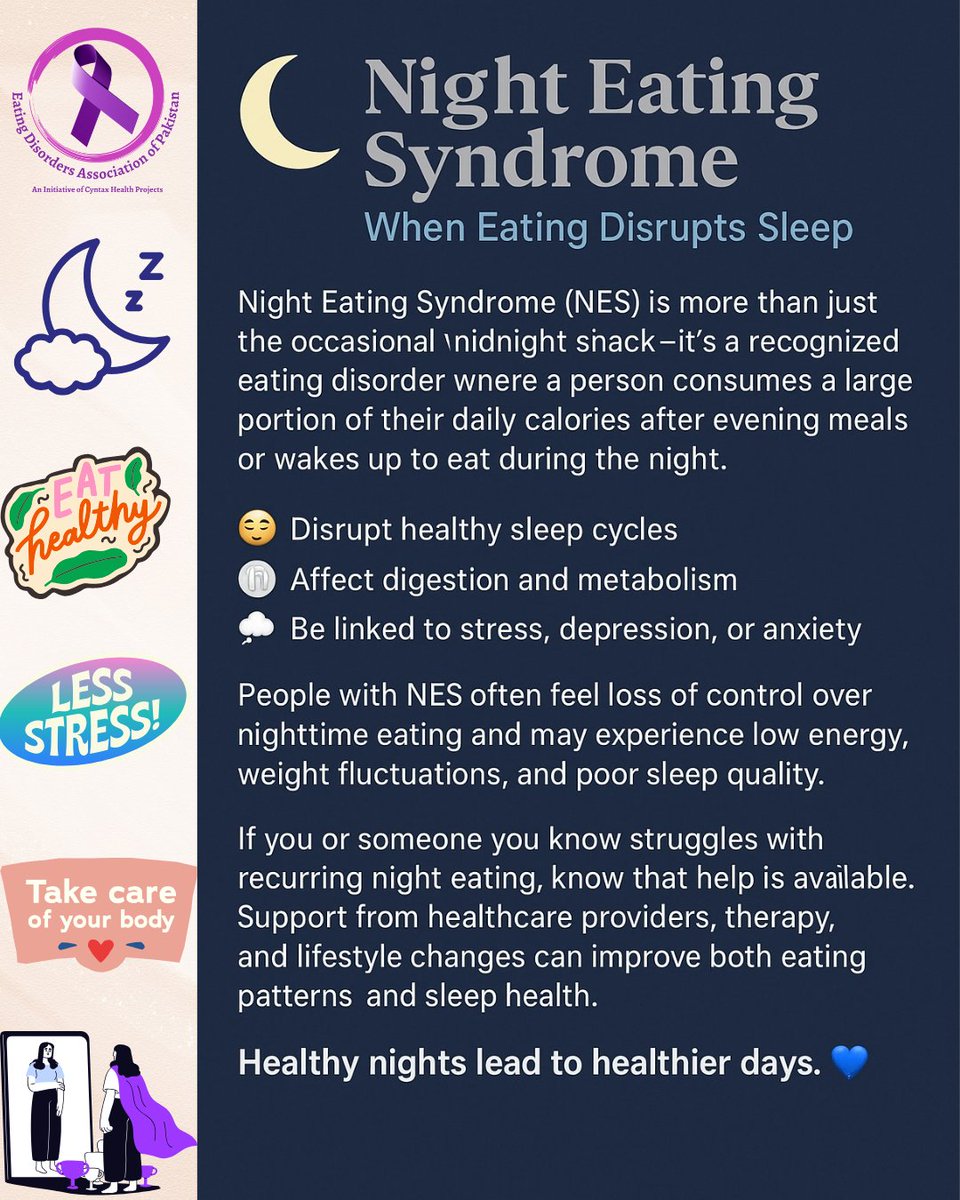
Night Eating Syndrome (NES) is more than just the occasional midnight snack—it’s a recognized eating disorder where a person consumes a large portion of their daily calories after evening meals or wakes up to eat during the night.#edaop
Laxative abuse is a dangerous but often overlooked behavior in eating disorders. It involves using laxatives excessively or without medical need to try to “get rid of” food or control weight.#edaop
💬 I am more than a number on a scale or a reflection in the mirror. I am a collection of dreams, memories, and experiences. I am the warmth in my laughter, the kindness in my heart, and the courage in my steps.#edaop
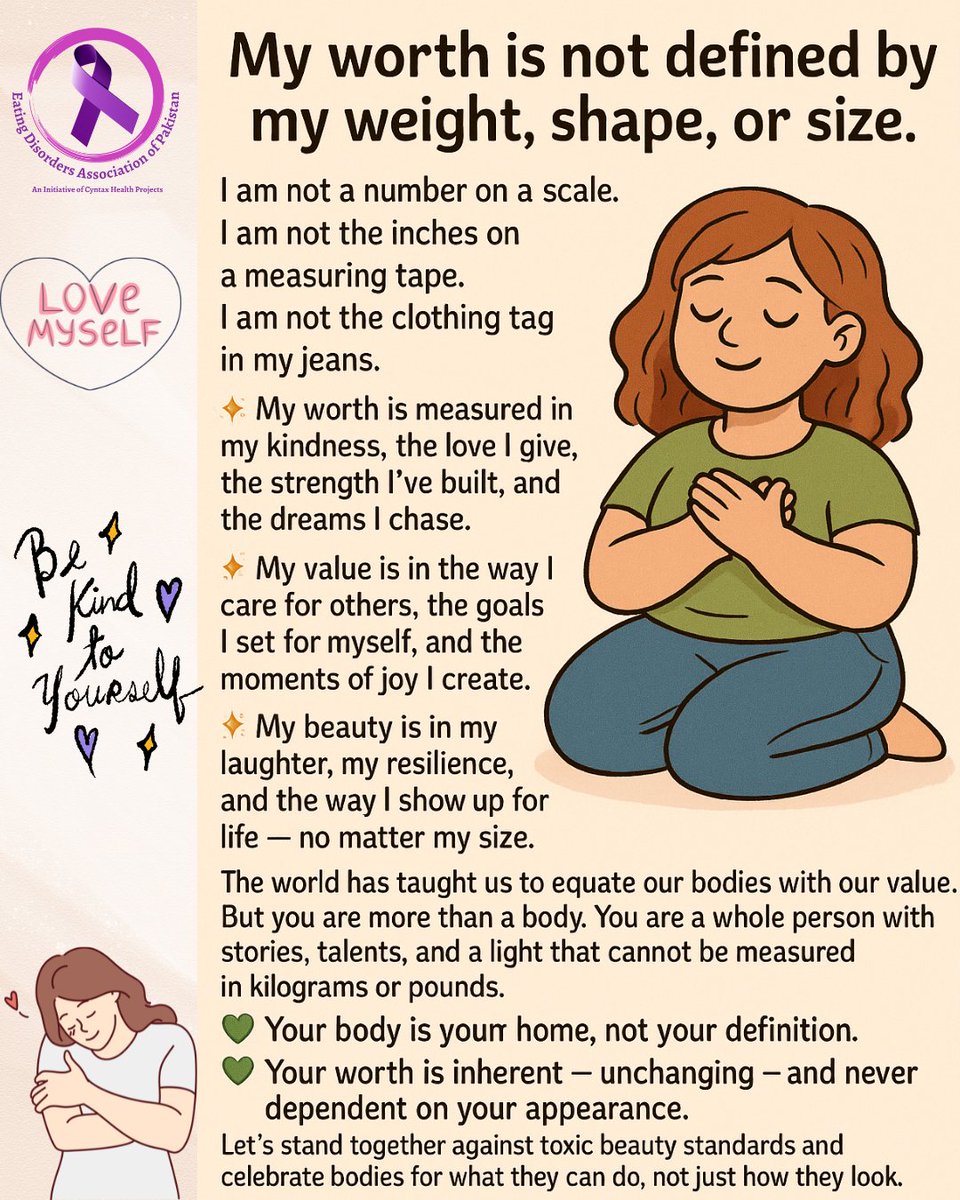
💬 My worth is not defined by my weight, shape, or size.
I am not a number on a scale.
I am not the inches on a measuring tape.
I am not the clothing tag in my jeans.#edaop
🌱 ED Recovery: Myths vs Facts — Let’s Set the Record Straight. Recovery from an eating disorder (ED) is a journey filled with misconceptions. These myths can make healing harder and isolate those who are struggling. #edaop
Words can wound, especially when it comes to food and body image. What may seem like a harmless joke or compliment can trigger anxiety, guilt, or shame — especially for someone silently struggling with an eating disorder.#edaop
Social events can be overwhelming when you’re battling food anxiety — the pressure to eat “normally,” the fear of being judged, the inner battle no one sees.#edaop