I have a proposition for any bold Fortune 500 CMO.
If you buy 50 yard line seats for the NCAA National Championship for my 8 friends, we will dress in whatever costume you want, do whatever you want while the camera is on us, and we will document the entire journey.
A 30-second ad spot is $2M for the game. This is close to 3 hours (10,800 seconds) of air time.
The amount of media value will 100% exceed the cost of the tickets you buy.
Miami is playing in the National Championship game for the first time in 23 years, and it’s a home game.
Let’s do something special. Go ‘Canes!
Ship66 Day 42!
- Made good progress on integrating podcast transcripts from apple podcasts. Not as much luck with spotify, but I this is looking real promising!
- Reprioritized tasks, have a sneaky launch coming up and getting ready for that!
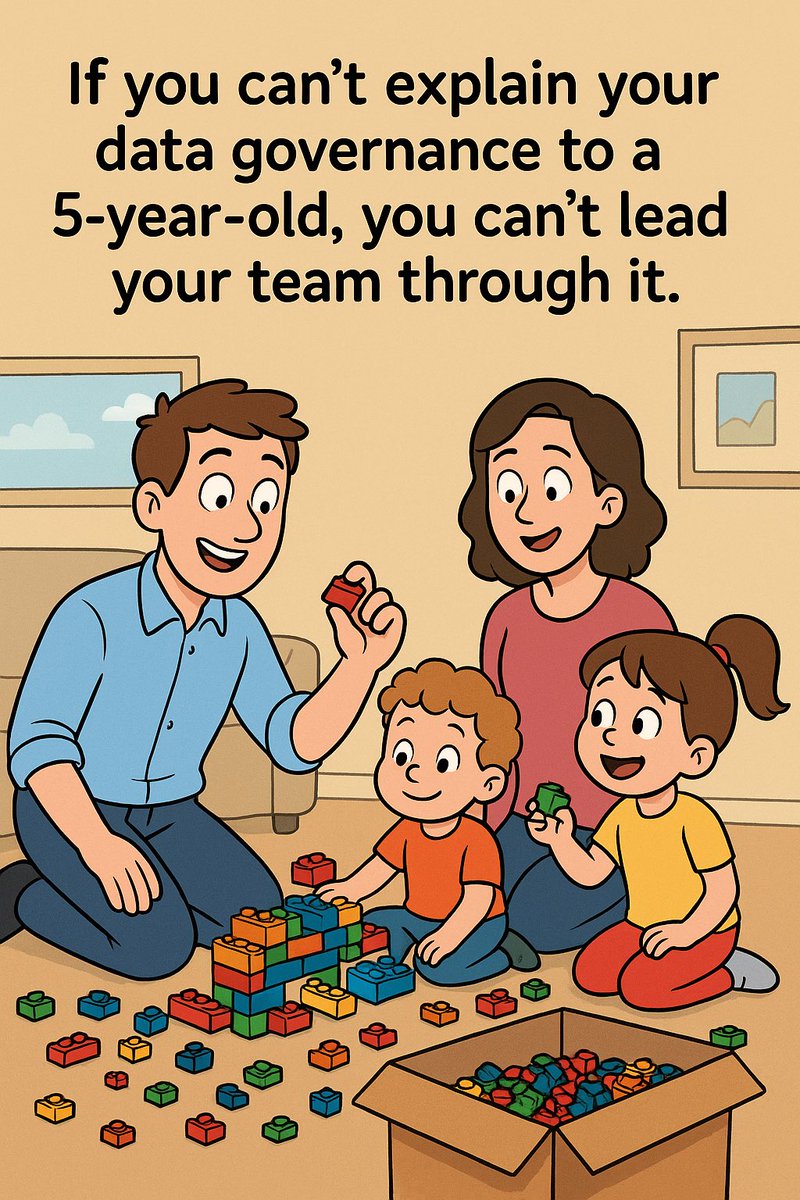
If you can’t explain your data governance to a 5-year-old, you can’t lead your team through it.
Think LEGO: if you don’t put the brick back in the right spot, the next builder can’t finish.
Governance isn’t bureaucracy—it’s making sure everyone can keep building without chaos.
Every. Single. Time.
I get paid to clean up vibe code.
Shadow apps everywhere.
Fragmented tech stacks.
No ownership.
Speed isn’t strategy.
Fractional leaders don’t scale chaos; we replace it.
If your foundation is shaky, scaling just makes it collapse faster.
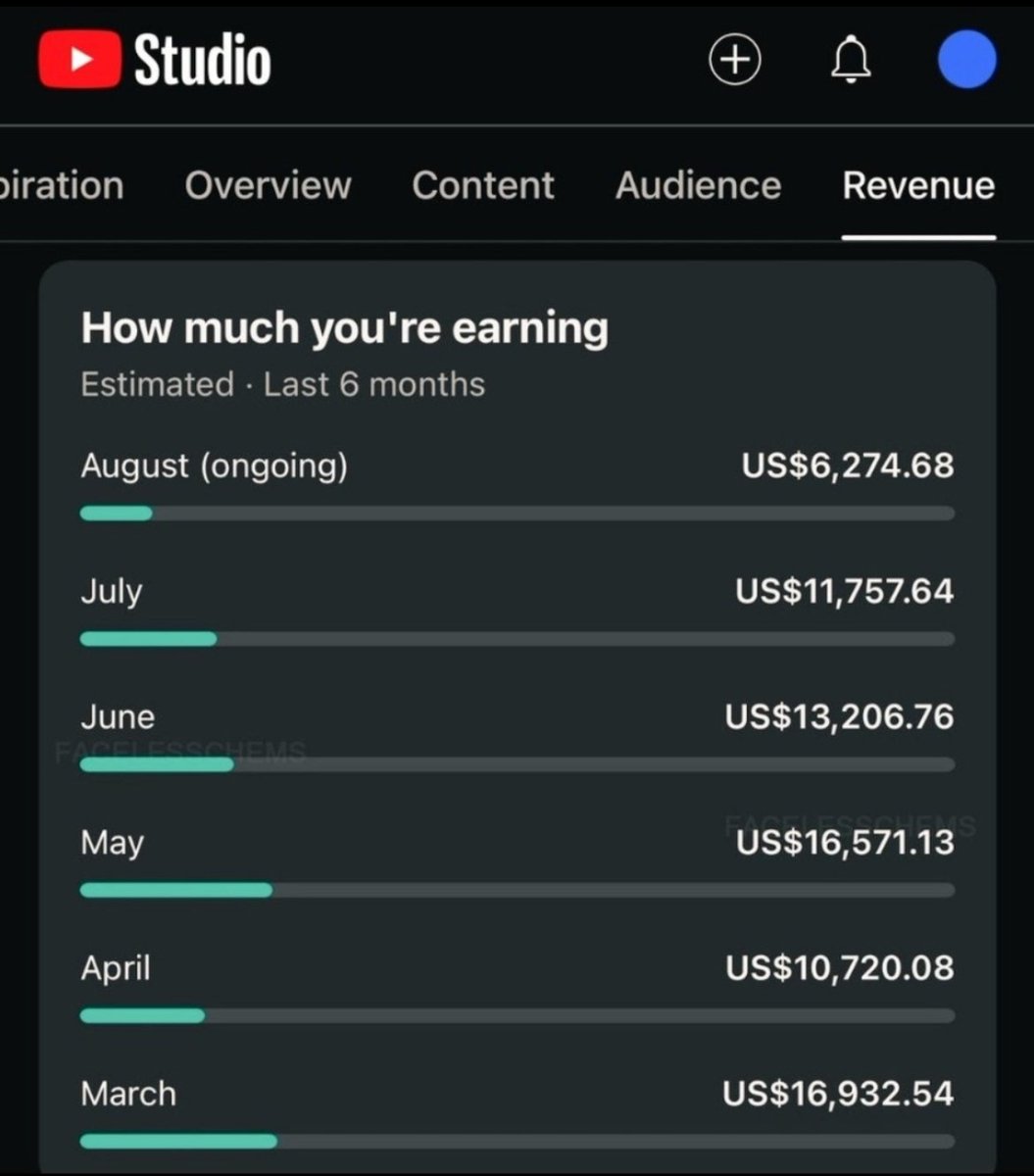
Make a new youtube channel
September : Get monetized
And make your first $10k before december.
Charge 100$ but this time Free.
Like,
Repost
and comment "YT"
I'll send you a training guide to get you started.
(must be following)
The easiest way to get promoted is to focus on what drives profitability for the company.
Everything else is noise.
What does this look like as a data leader?
1. Meeting with all the executives within the senior leadership team to understand their operational workflows and where data are(n’t) used today.
2. Align the company's objectives set by the board or executive team with the departmental initiatives and allocate resources based on the highest priority (high impact, low cost) use cases.
3. Saying no to low-value requests that don’t fit into the prioritized initiatives.
4. Continuously remediating tech debt over the year (preferably at least once a quarter).
5. Ensure your teams are central enough to build within the same applications/frameworks but federated enough to have a line of sight to each of the business lines.
6. Build only when it is quicker and more cost-effective. Buy only when it is quicker and more cost-effective.
7. Recognizing that opportunity cost is the silent killer for your role, team, and organization.
8. Ensuring BI is figured out before deploying AI.
9. Focusing on first principles and fundamentals of the business and avoiding chasing shiny objects.
What else would you add?
#EGDataGuy
Hot take: Stakeholders rarely know what they actually need.
Your job as a data professional isn’t to be an order-taker—it’s to be a detective.
Interview → Wireframe → Feedback → Iterate
Or watch your data product become expensive shelf-ware.
What’s AI hype vs. Data reality?
How can this apply to my business?
If you’re wondering the answers to those two questions, then check out the The Data Storytellers podcast I recorded with Laz this week!