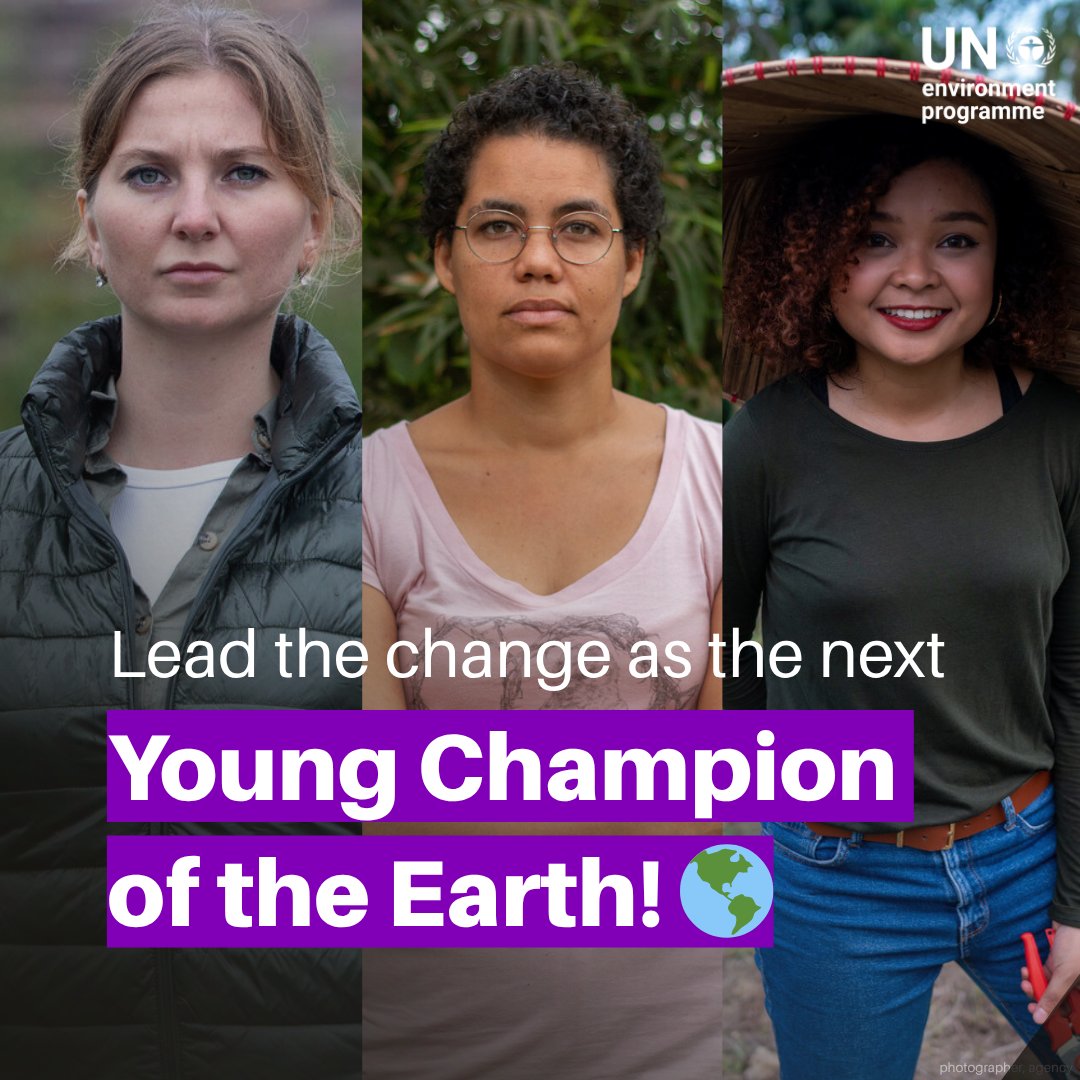
📢 Application deadline extended!
Did you miss the chance to apply for the Young Champions of the Earth award? The deadline has been extended to 15 April.
If you are a young innovator aged 18 to 30 with a bold idea for the planet, this is your opportunity to bring it to life.
Apply to become one of our next #YoungChamps: https://t.co/gvF2kQLk2l
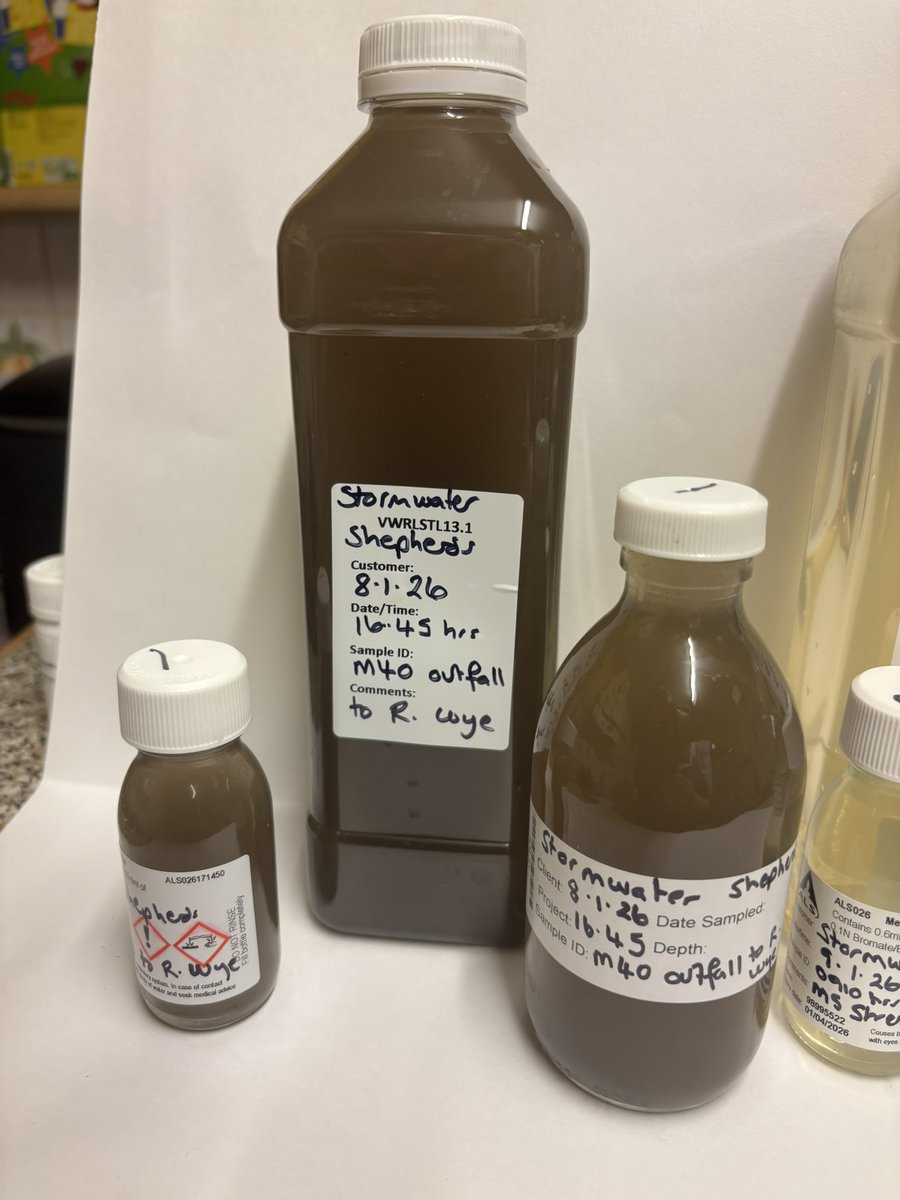
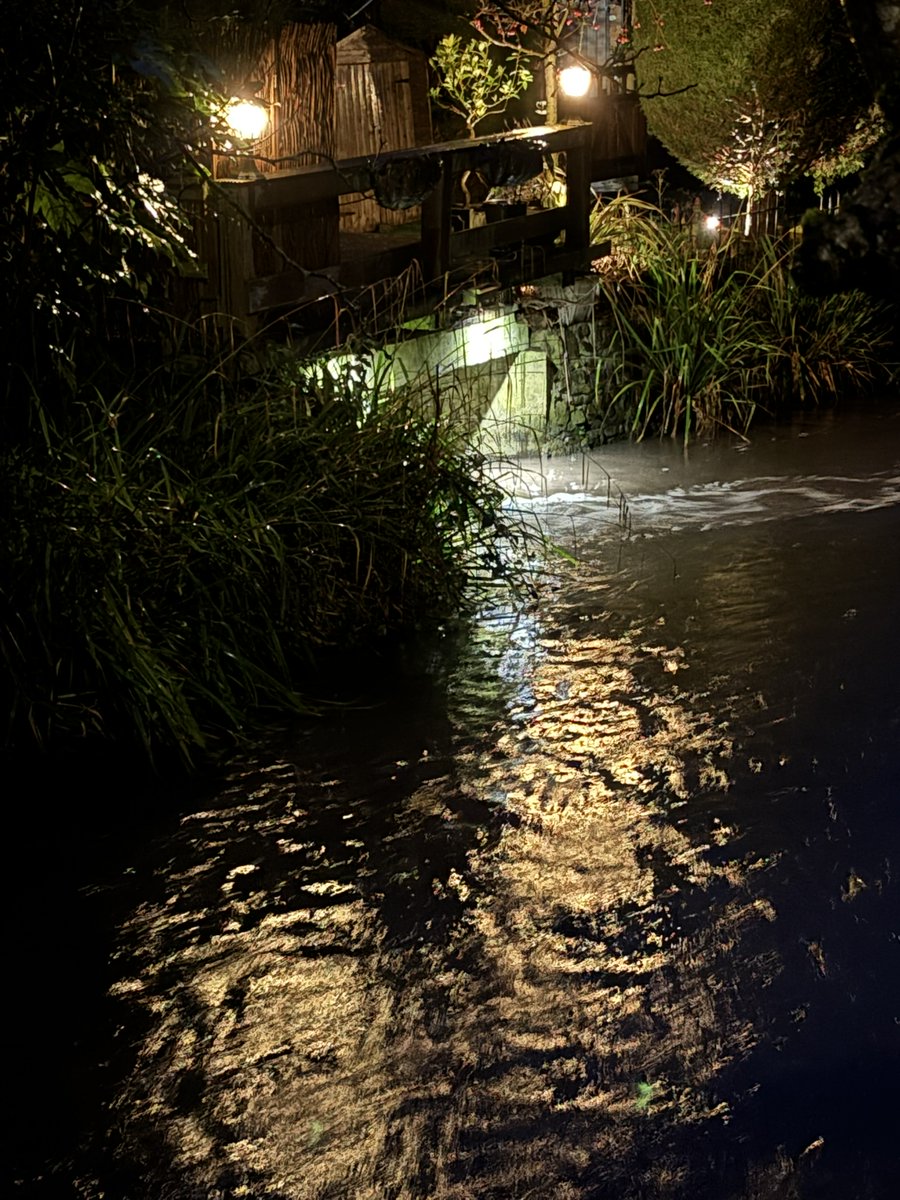
I took a sample of motorway runoff into the River Wye recently. The pollution level for Benzo(g,h,i)perylene exceeded the legal Standard by 675 times. How can our rivers ever recover when this toxic pollution occurs every time it rains? This chemical is extremely toxic.
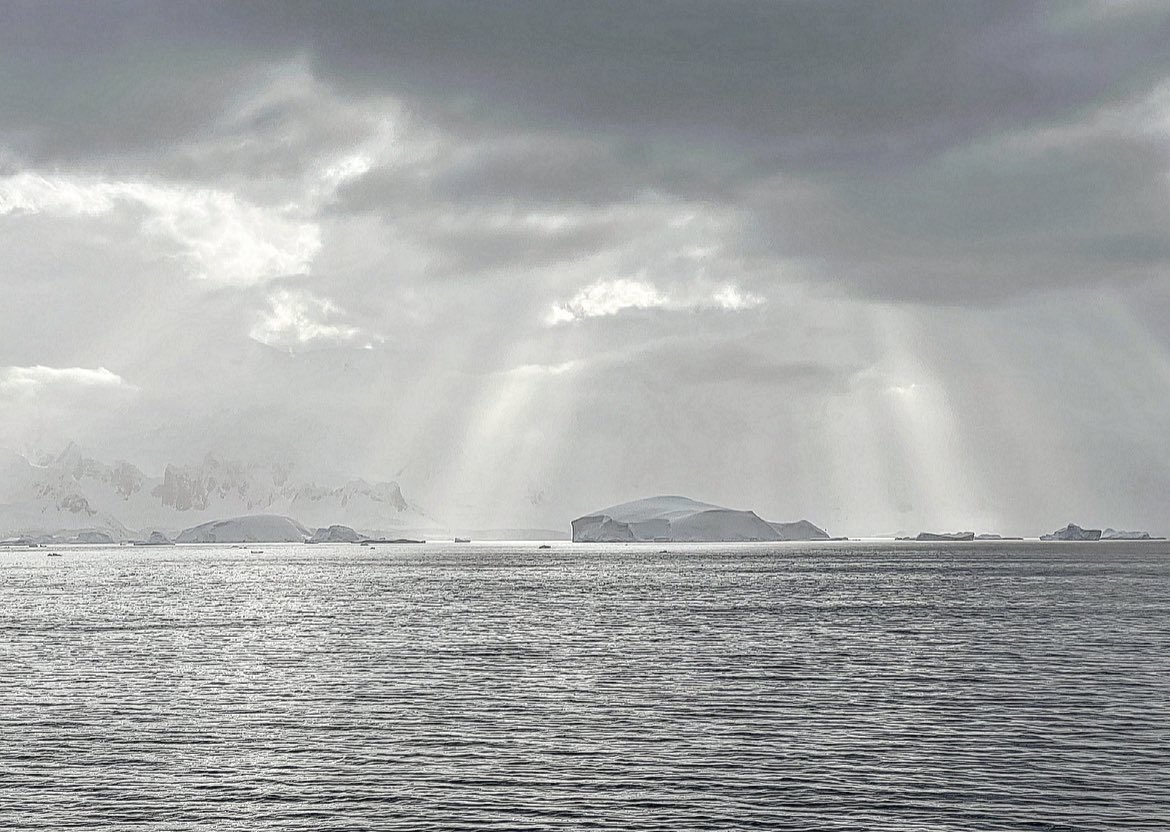
🌊The UN High Seas Treaty is now law—bringing the first real protections to the roughly half of our planet that lies beyond national borders.
It enables marine protected areas, environmental impact checks, and fair sharing of ocean benefits.
#HighSeas#BBNJ#OceanAction
🌍
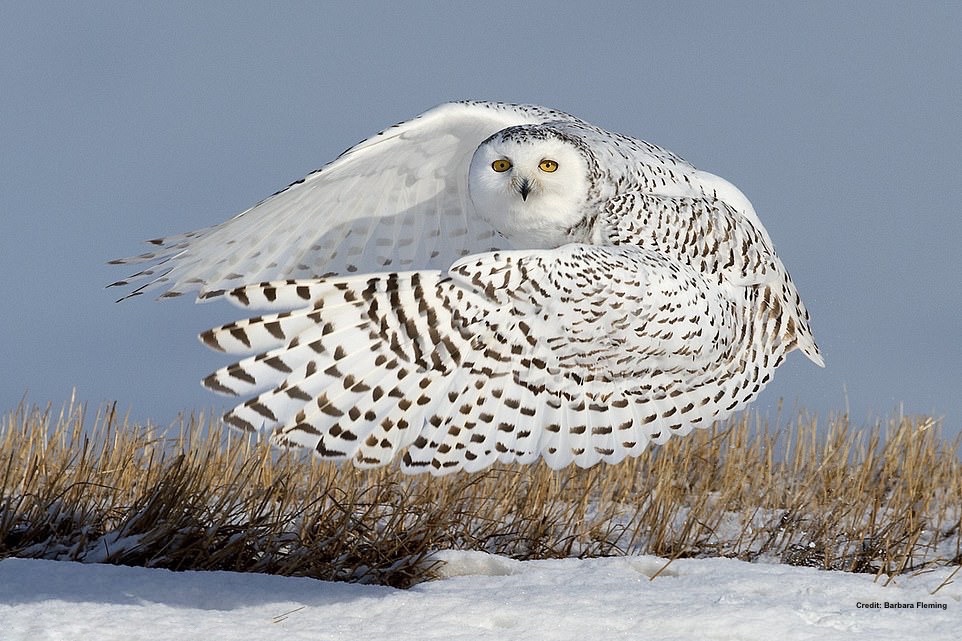
Sweden has declared the Snowy Owl nationally extinct after a decade with no nesting or breeding.
But it's not only in Sweden: Snowy Owls have declined by ~30 % across their range in just 25–30 years.
Rapid Arctic warming is disrupting prey cycles and habitat.
In this wide-ranging, nomadic species, their global decline is a serious warning.
Sources in 🧵
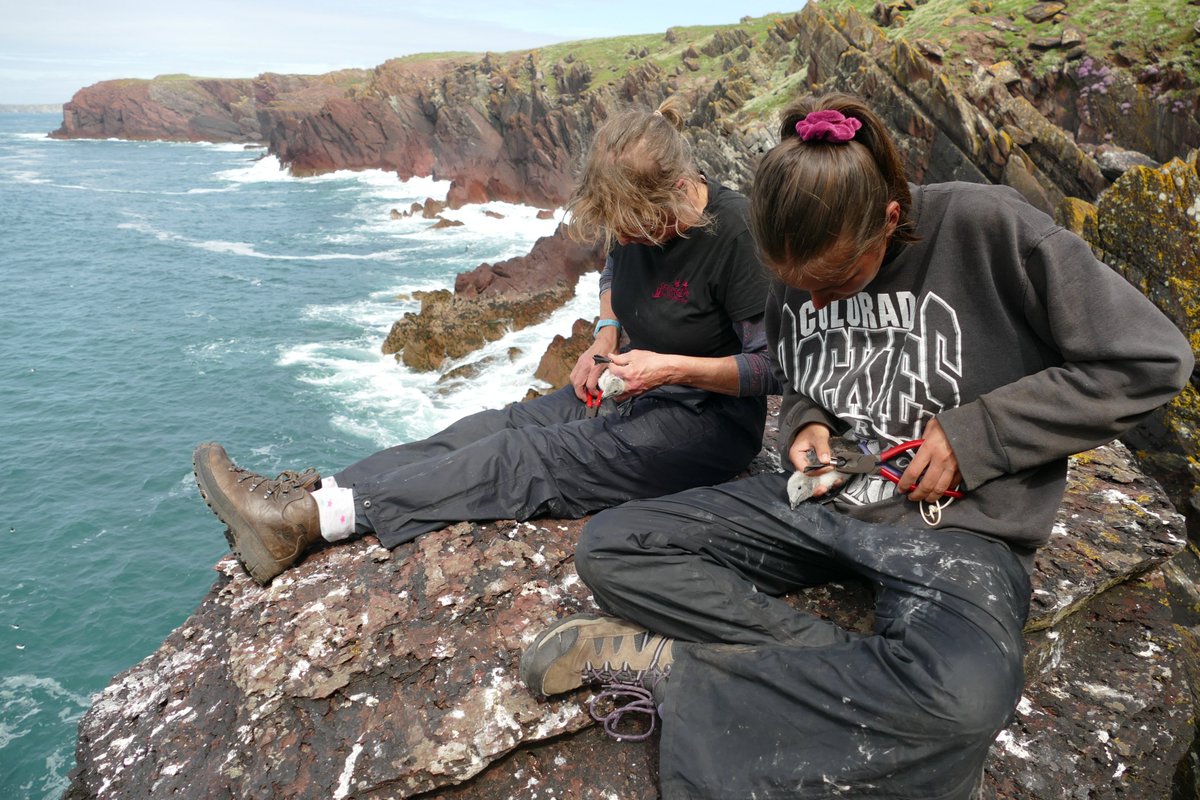
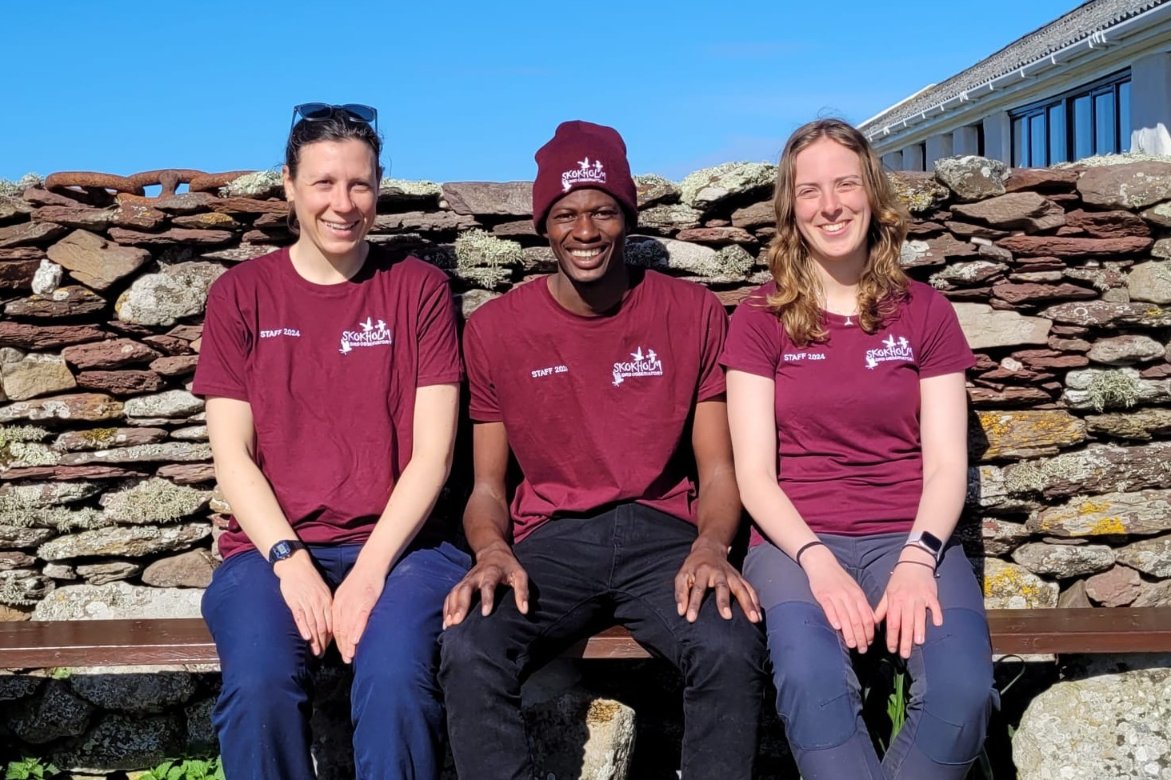
We are now looking for our 2026 Long-term Volunteers. This is an amazing opportunity to spend some time on a very special island, learning how to monitor seabirds on a NNR and being part of the Bird Observatory team. Please visit the link below to apply
https://t.co/r8ktJJZqnI
We've been getting reports of Portuguese Man O' War washing up on UK beaches
If you spot one, or any jellyfish, we want to know about it. Report you sightings here 👉 https://t.co/NFZXGdnIvN
Klamath salmon are spawning in the Williamson River 4 the 1st time since the early 1900s. This pivotal moment is a testament to decades of activism, rigorous scientific research & advocacy from Klamath Basin Indigenous communities & allies. Photos by Paul Wilson/Klamath Tribes
Most sewage treatment systems don't remove all medicines before wastewater is discharged back into rivers or turned into sewage sludge + spread on farm fields. In fact, some meds get more concentrated by the treatment process, study finds.
Not all bacteria are killed by current treatment processes either, so we're discharging bacteria + antibiotics into rivers - perfect breeding grounds for treatment resistant bacteria. When Watershed tested English bathing water sites last year we found antibiotic resistant genes present in the water at several.
Sewage sludge, used as a fertiliser on some farmland, is treated to kill disease but not enough to remove medicines + chemicals.
Meds in discharged wastewater can impact the health + behaviour of fish + water insects - even at very low levels.
In England, if a sewage treatment plant serves fewer than 2000 people, sewage only gets treated once. If you live in an area with a higher population, your sewage should be treated twice. Neither method is enough to kill all diseases or remove all medicines + recreational drugs from sewage.
Treating sewage three times (tertiary treatment) is needed to remove all medicines, all recreational drugs, all diseases + most chemicals from sewage. Since this treatment method was introduced in Switzerland, the health of their rivers has soared.
But even tertiary treatment is not enough to remove PFAS forever chemicals. Swiss Water authorities say removing PFAS from water is so difficult, energy intensive + costly the only way to prevent PFAS pollution in water is to stop making PFAS. They join EurEau + Water UK in calling for a ban on PFAS to protect our drinking water sources, our rivers, lakes, streams + seas.
https://t.co/KL2jw3lBuo
1️⃣ Edinburgh council adopts a ‘motion for the ocean’
The City of Edinburgh has become the first council in Scotland to adopt a motion which commits local authorities to promote and prioritise ocean recovery.
https://t.co/pFSR6YD2xT
#Motion4theOcean@EG_Cunningham
🌏
It is extraordinary how little we value life on Earth.
Below: Life and death of ecosystems in South Australia's worst harmful algal bloom on record — fuelled by prolonged marine heatwaves, floods, and nutrient run-off.