The European Institute of Sports Trauma Medicine hosts the leading course in Europe for sports first aid & injury management, for coaches, referees, & athletes.
The continent of Europe. Bases in the UK - Germany - Russia - Italy - Czech Republic - Portugal - Sweden - Romania
(1/6) #AuricularHaematoma is a condition that involves a separation of the cartilage in the auricle of the ear from its overlying perichondrium. Perichondrium is a dense fibrous connective tissue that closely wraps around different types of cartilage.
(5/6) The fluid can then be drained in the hospital and a mastoid dressing applied. However, it is possible that more fluid will accumulate again over 24 hours, so it may have to be drained a second time.
With respect to #HeadInjury and #SpineInjury, it is important to remember that unlike most other cells in the body, the nerve cells of the brain and spinal cord, are largely incapable of regeneration. So when they die, they are lost forever.
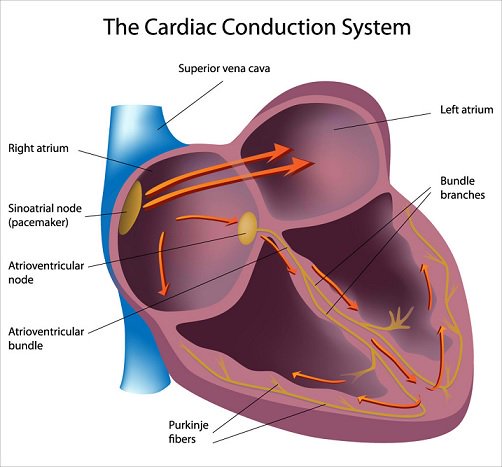
(6/6) Individuals with a suspected complete heart block must be transferred to a hospital casualty department very urgently. Complete heart block is usually treated with an artificial pacemaker as well as medications.
(1/6) #LevsDisease (or Lenegre-Lev syndrome) is an acquired disease of the electrical conduction system of the heart where the electrical signal does not pass from the upper chambers (atria) to the lower chambers (ventricles). It is also known as #CompleteHeartBlock.
(5/6) Symptoms vary greatly from minimal such as fatigue, dizziness, impaired exercise tolerance, or chest pain; to profound symptoms such as fainting (syncope), confusion, difficulty breathing (dyspnoea), severe chest pain, cardiac arrest and sudden death.
(5/5) Sports first aid treatment mandates that the athlete be referred immediately to a hospital casualty department. It is not often that surgery is required but the athlete will require diagnostic imaging such as CT scans and other tests and be kept under observation.
(1/5) The #liver plays an important role in detoxification, as well as the synthesis of protein. It also produces red blood cells and some types of white blood cells. It may be ruptured as a result of a direct impact in many contact/collision sports.
(4/5) A major liver rupture may cause bile to leak into the abdominal cavity causing peritonitis, which can affect all the organs in the cavity. Peritonitis in an inflammation of the peritoneum, which is the lining of the abdominal cavity.
(5/5) Following x-ray examination, the athlete should not return to contact/collision sports until the fracture has healed. This usually takes between 6 and 8 weeks.
(1/5) With #FracturedRibs it is the 4th to the 7th ribs that are fractured most frequently. If the fracture is displaced it can cause pneumothorax or haemothorax so all rib fractures (or suspected fractures) must be X-rayed, to rule out more serious underlying conditions.
(4/5) Two simple side-line tests can be used to try to determine if a rib fracture is present, and these are taught on our https://t.co/dj2tcWF9k7 online course. The athlete must not be allowed to continue play if a rib fracture is suspected.