Fighting for free and fair elections for ALL voters. A coalition of conservative leaders, concerned citizens and officials dedicated to election integrity.
The debate over NPVIC isn't settled by a party label.
The National Popular Vote Interstate Compact (NPVIC) is advancing state by state, but not without controversy.
Virginia became the latest state to join in 2026, following a narrow 21–19 Senate vote. Maine joined in 2024 after its House approved the legislation by just one vote, 73–72.
Here are the 18 states and Washington, D.C., that have joined the compact, listed by year:
2007 — Maryland
2008 — New Jersey, Illinois, Hawaii
2009 — Washington
2010 — Massachusetts, Washington, D.C.
2011 — Vermont, California
2013 — Rhode Island
2014 — New York
2018 — Connecticut
2019 — Colorado, Delaware, New Mexico, Oregon
2023 — Minnesota
2024 — Maine
2026 — Virginia
Together, these jurisdictions represent 222 electoral votes, just 48 short of the 270 needed to activate the compact.
The 2026 midterms have renewed attention on five states: Arizona, Michigan, Nevada, Pennsylvania, and Wisconsin. If all five joined, the compact would reach 283 electoral votes.
This debate is bigger than party. It is about how Americans choose their president and how states are represented in that decision.
Help build the solution now—bring voter-verifiable paper ballot reforms to your state.
59% support hand-marked paper ballots and eliminating touchscreen or ballot-marking devices, according to Scott Rasmussen’s polling.
The U.S. Citizens Elections Bill of Rights calls for secure, hand-marked paper ballots. EIN’s Model Election Laws Handbook provides state solutions that make them the standard while preserving necessary disability accommodations.
Voters should be able to inspect the record of their selections.
Help your coalition explain the proposal, research your state’s equipment and put model legislative language in lawmakers’ hands.
A blueprint needs builders. Your state needs you.
Explore the handbook: https://t.co/VOOWiJQGmw
Join your state EIN coalition: https://t.co/IX6Wd6zOro
YOUR STATE VOTES ONE WAY. ITS ELECTORAL VOTES GO ANOTHER.
One heavily populated county can contribute a massive voting margin toward determining the national winner—and where participating states' electoral votes go.
Harris County, Texas(home to Houston) has more people than Iowa, Oklahoma, Kansas, Arkansas, Mississippi, Nebraska, and 20 other states.
Why does that matter to the National Popular Vote Interstate Compact (NPVIC)?
Under NPVIC, participating states must award ALL their electoral votes to the national popular vote winner, even when their own voters choose someone else.
Houston gets its voice. But what happens to Iowa? Kansas? Nebraska?
NPVIC has NOT taken effect yet.
The compact has 222 electoral votes committed. It needs 270.
Just 48 more electoral votes could activate it.
Following the 2026 midterms, Arizona, Michigan, Nevada, Pennsylvania, and Wisconsin are states to watch as potential additions.
The clock is ticking toward 2028.
Talk to your state lawmakers.
Your state's voice matters.
#NPVIC #ElectoralCollege #NationalPopularVote
In TN it’s the “Republicans” who are in charge and gave us:
☑️Centralized vote centers
☑️Electronic poll
Books 🇨🇳
☑️Electronic voting machines 🇨🇳
☑️Barcoded ballots
☑️A state law that requires the use of electronic tabulators🇨🇳
☑️ “Never resided” voters
☑️ $2,500 voter rolls
☑️ No transparency about noncitizens on the voter rolls
☑️ No excuse absentee voting for age 60 and up
☑️ Prohibition on counties to use the SAVE system to verify voter eligibility
When the general assembly is ready to pay attention to the vulnerabilities that WILL be exploited by the left, they should start with getting a new SOS and state coordinator of elections.
@CSexton25@SenJohnson@MarshaBlackburn
Even One State Can Contain Different Political Worlds
Imagine following a road from a busy waterfront through suburbs, smaller towns, and rural communities.
Along the way, the conversations change. Housing costs may dominate one stop. Fishing, forestry, farming, or access to health care may lead the discussion at another.
State boundaries matter in presidential elections, but the people inside those boundaries are far from identical.
Maine offers a useful example. In 2016, Hillary Clinton won the statewide vote and the First Congressional District, receiving three electoral votes. Donald Trump won the Second Congressional District and received one.
Maine’s electoral votes split between the major-party tickets for the first time under the district system it had adopted.
Most states use a winner-take-all system; Maine and Nebraska use a different approach. That distinction is a reminder that the Constitution’s Electoral College framework and states’ methods of awarding electoral votes are related but separate parts of the process.
It also illustrates why campaigns need to understand communities in detail. A statewide label can conceal substantial differences among voters.
The Electoral College requires building coalitions across states. Effective coalition building also requires listening to the different communities within them.
Learn more about the Electoral College with our friends at @SaveOurStates. Share this example and help others look beyond a solid-colored election map.
The Founders did not establish a direct national popular vote for president.
They understood that majority rule alone was not enough to safeguard a constitutional republic. A majority could exercise political power at the expense of minority interests, and concentrated power could threaten liberty.
Instead, they established a system of checks and balances, federalism, and representative government.
The Electoral College was part of that design. States would appoint presidential electors rather than simply allowing a nationwide popular vote to determine the presidency.
Alexander Hamilton defended the method of presidential selection in Federalist No. 68, writing:
“If [the Electoral College] be not perfect, it is at least excellent.”
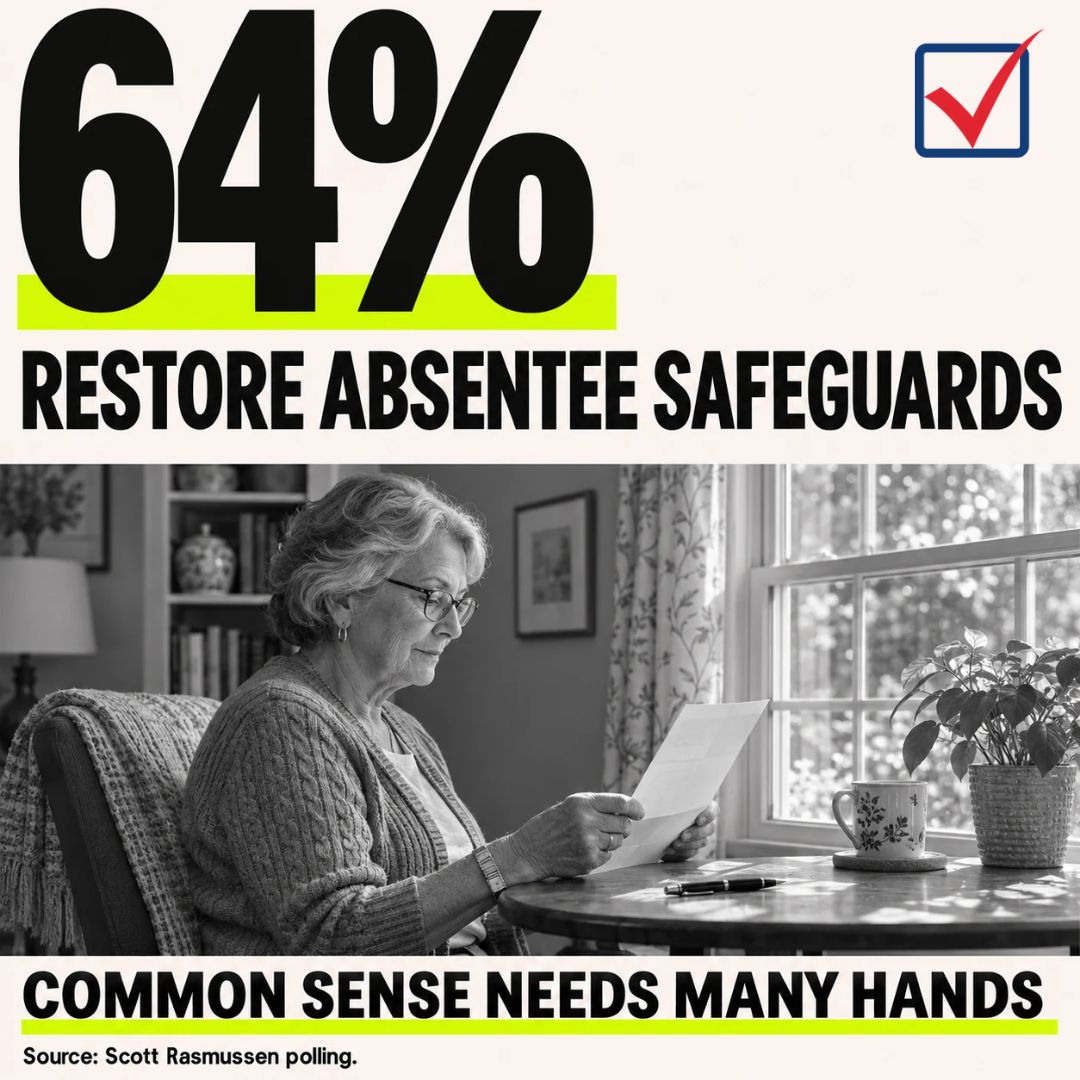
Be part of the solution now—help protect vulnerable voters before someone takes control of their choices.
64% support eliminating no-excuse mail voting, according to Scott Rasmussen’s polling.
The U.S. Citizens Elections Bill of Rights calls for defined absentee eligibility. EIN’s Model Election Laws Handbook provides state solutions for qualifying absentee voters, along with protections against coercion and unauthorized ballot handling.
Every ballot represents a person. Assistance must respect that person’s choice—including the choice to decline.
Help your coalition educate families, ask facilities about voting procedures and advocate for safeguards that protect eligible residents’ independence.
Protect the person. Protect their choice.
Explore the handbook: https://t.co/VOOWiJQGmw
Join your state EIN coalition: https://t.co/IX6Wd6zOro
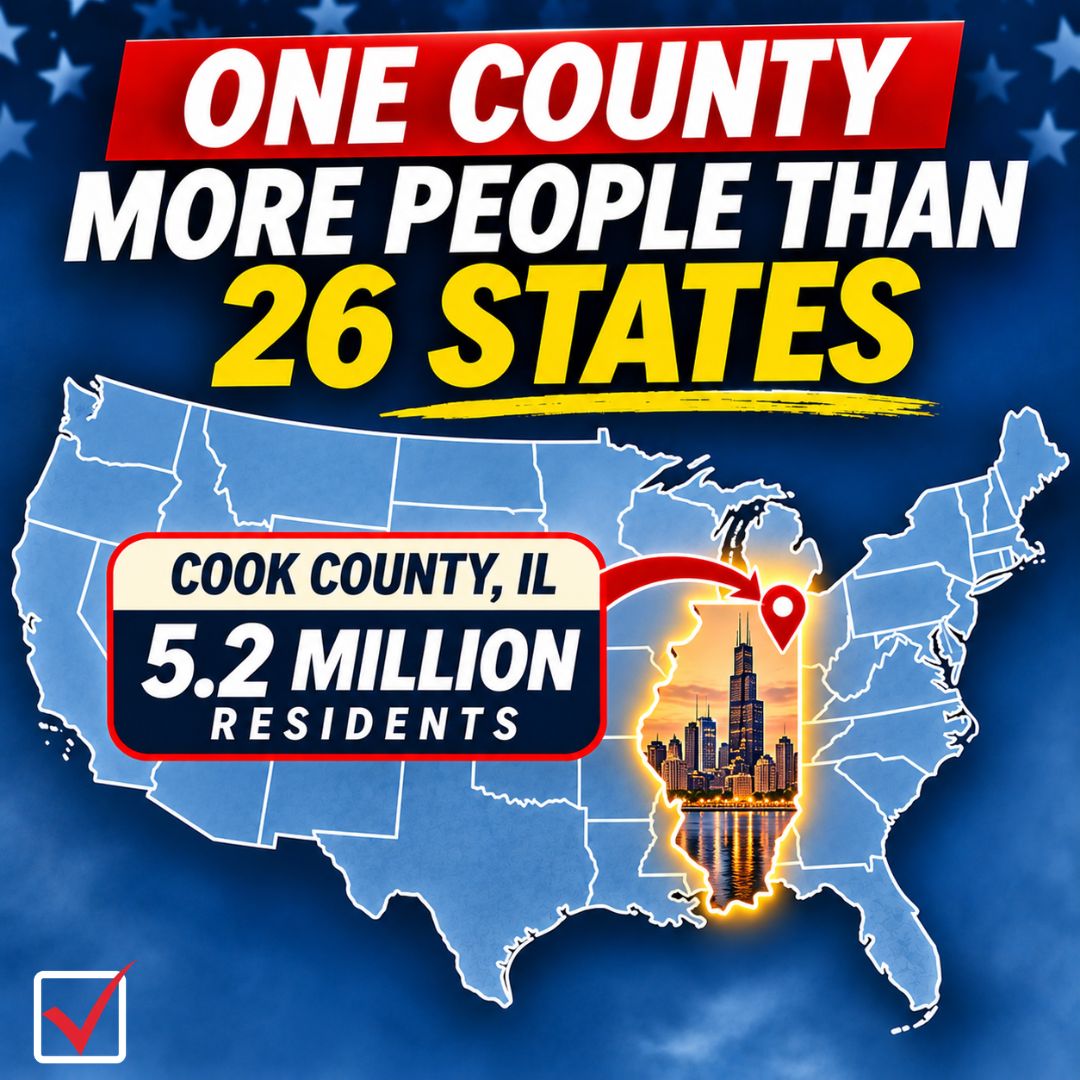
Cook County, Illinois has more people than the entire states of Iowa, Oklahoma, Kentucky, Arkansas, Kansas, Mississippi, and 20 others.
Now consider the National Popular Vote Interstate Compact (NPVIC).
Under NPVIC, participating states would award ALL their electoral votes to the winner of the national popular vote even when their own voters choose someone else.
Think about that.
Cook County's presidential voting margins alone can outweigh those of entire states.
Chicago gets its voice. But what happens to Iowa? Oklahoma? Kansas?
The Electoral College gives every state a distinct role in electing the president and it must be preserved.
NPVIC would replace participating states' own presidential election outcomes with the national popular vote result.
Talk to your state lawmakers.
NPVIC has not taken effect yet. The compact currently has commitments totaling 222 electoral votes and will only become active when participating states collectively reach 270—the number needed to elect a president.
The 2026 midterms have opened a potential path for additional states to join(AZ, MI, NV, PA, WI, TX) making NPVIC a significant issue heading into the 2028 presidential election. Only 48 more electoral votes are needed to reach the threshold.
The Constitution protects us against regional candidates and other dangerous pluralities. Instead, the Electoral College forces candidates to build national coalitions to win.
Message to state legislators in Pennsylvania, Wisconsin, Michigan, Nevada, and Arizona: Voting to join the National Popular Vote interstate compact is a slap in the face to your own constituents.
You're right. In the case of Los Angeles-automatic voter registration, universal mail ballots, and no voter ID exacerbate the problem. LA county has over 9 million people. That's not the same as 9 million ELIGIBLE voters. But that's the point of national popular vote. It's a numbers game-eligible or not.
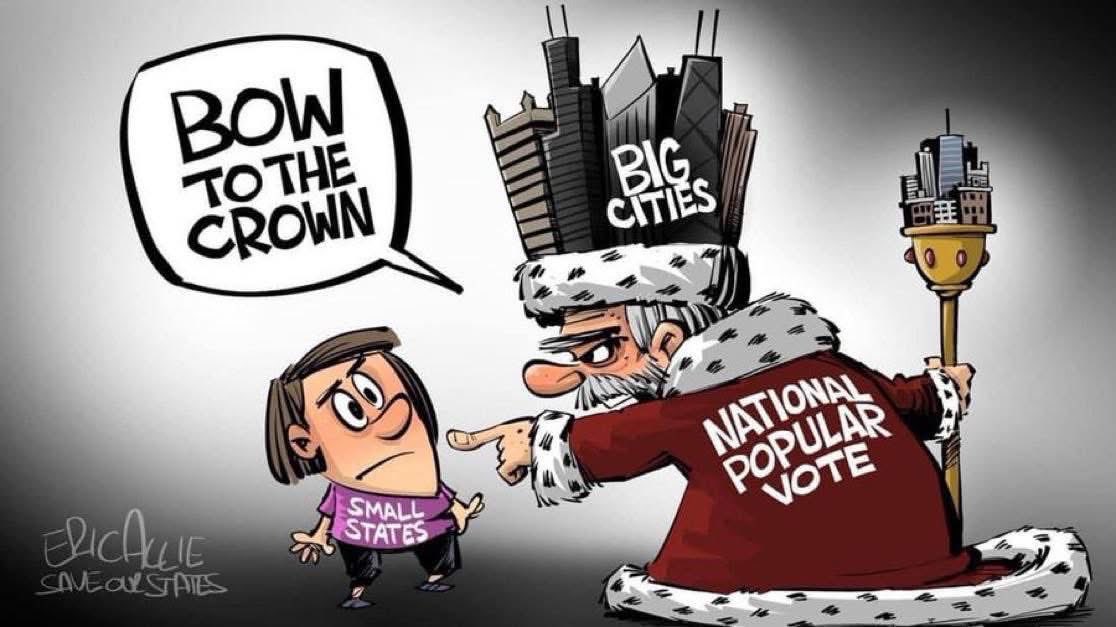
A national popular vote would allow Los Angeles, Houston and New York choose the next president.
Why would a candidate campaign in Wyoming when they can just focus on a few densely populated blue cities to get enough votes to win?
Rural communities and small population states would be overlooked and lose political influence under the National Popular Vote interstate Compact.
The Electoral College ensures that every state, big or small, has a voice in selecting the president.
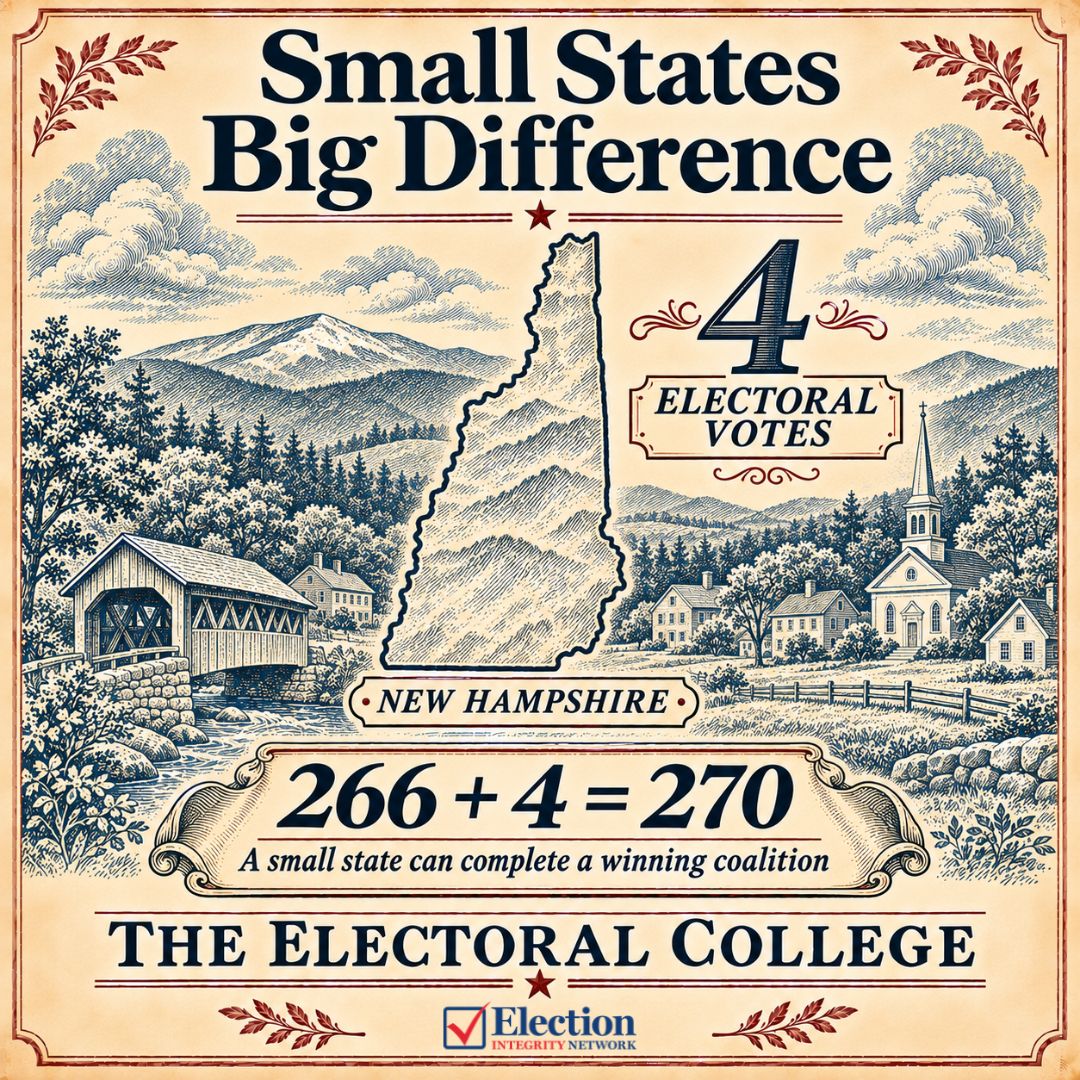
Four electoral votes may not sound like much.
But imagine a candidate sitting at 266. Four more means reaching the 270 electoral votes currently needed to win.
That is why the smaller numbers on an electoral map deserve attention.
New Hampshire has four electoral votes. Delaware, Vermont, and Wyoming each have three. Those totals are smaller than the allocations of the largest states, but they can become essential pieces of a winning coalition.
There is a real historical example. In 2000, George W. Bush won New Hampshire’s four electoral votes and finished with 271. Had Al Gore won those four instead, with the other results unchanged, he would have reached 270. The arithmetic shows how a small state can change the outcome.
Small population does not make a state irrelevant to the Electoral College. Its electoral votes remain part of the coalition a candidate must assemble.
That guaranteed role helps preserve the place of smaller states in presidential selection.
Get educated about the Electoral College with our friends at @SaveOurStates. Share this story with someone who lives in a small state. Their voice matters!
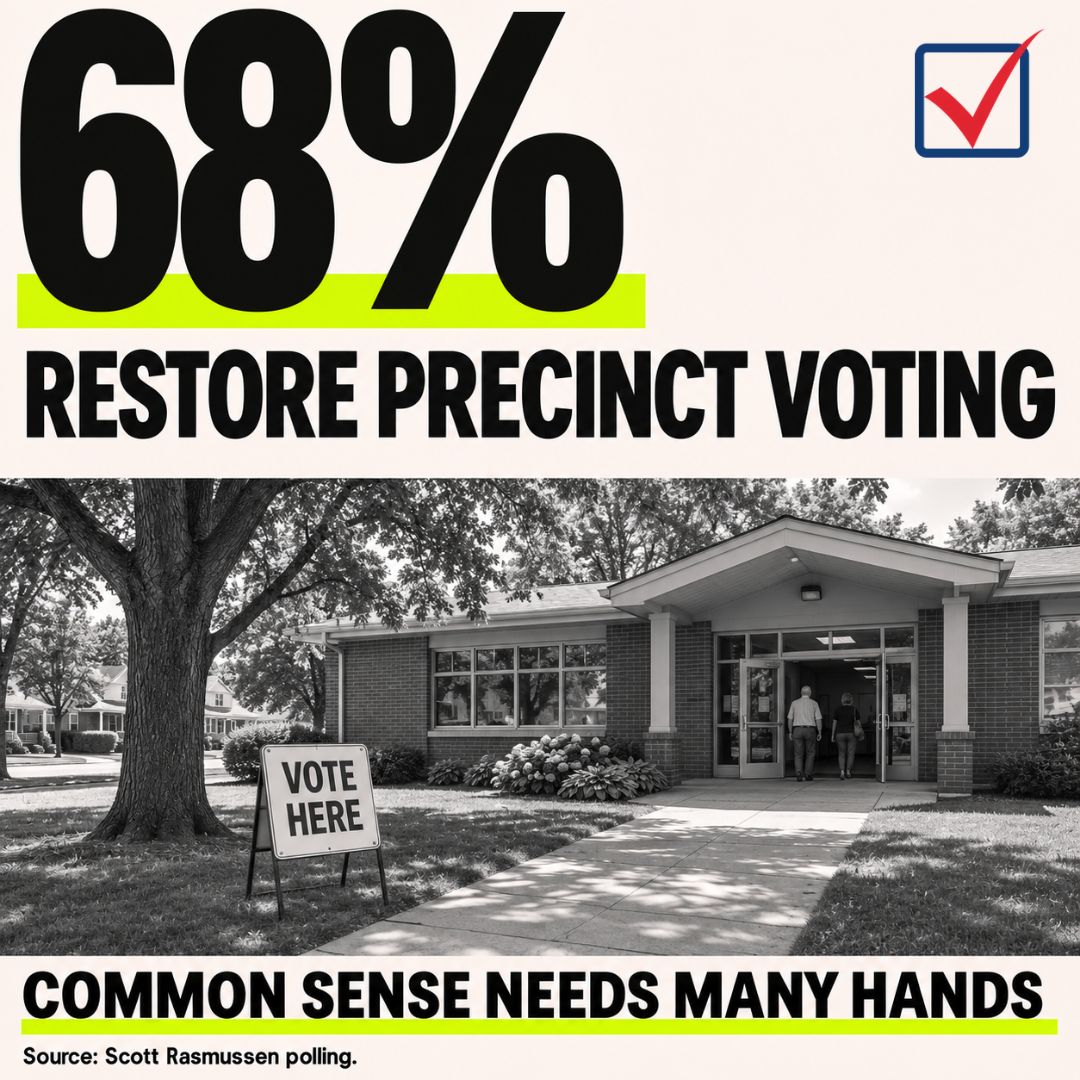
Start building the solution in your own county—local election accountability needs you now.
68% support restoring precinct voting, according to Scott Rasmussen’s polling.
The U.S. Citizens Elections Bill of Rights calls for precinct voting. EIN’s Model Election Laws Handbook gives states solutions that preserve precinct assignments, ballot accounting and reporting.
Citizens should be able to follow the process from their neighborhood polling place through the reported results.
Attend county election meetings. Study polling locations. Learn how ballots are tracked. Help your coalition advocate for procedures citizens can meaningfully observe.
Common sense needs a local presence. Be part of it.
Explore the handbook: https://t.co/VOOWiJQGmw
Join your state EIN coalition: https://t.co/IX6Wd6zOro
The Electoral College is simply a part of the United States’ way of doing what every other democratic nation on the Earth has done, which is to incorporate a number of features that limit in important ways the power of majorities or pluralities
I said that almost no large, diverse nations use a national popular vote for anything.
And I was rebutted because ... Finland and Taiwan have direct national elections.
Wait, no, I was proven right.
The Electoral College is not an outlier. https://t.co/gHE9HVDJKC