European Large Families Confederation (ELFAC): Defending and promoting the rights and interests of families with three or more children. Consultative status @UN
Divorce rate:
🇮🇳India: 1%
🇻🇳Vietnam: 7%
🇹🇯Tajikistan: 10%
🇮🇷Iran: 14%
🇲🇽Mexico: 17%
🇪🇬Egypt: 17%
🇿🇦South Africa: 17%
🇧🇷Brazil: 21%
🇹🇷Turkey: 25%
🇨🇴Colombia: 30%
🇵🇱Poland: 33%
🇯🇵Japan: 35%
🇩🇪Germany: 38%
🇬🇧United Kingdom: 41%
🇳🇿New Zealand: 41%
🇦🇺Australia: 43%
🇨🇳China: 44%
🇺🇸United States: 45%
🇰🇷South Korea: 46%
🇩🇰Denmark: 46%
🇮🇹Italy: 46%
🇨🇦Canada: 47%
🇳🇱Netherlands: 48%
🇸🇪Sweden: 50%
🇨🇵France: 51%
🇧🇪Belgium: 53%
🇫🇮Finland: 55%
🇨🇺Cuba: 55%
🇺🇦Ukraine: 70%
🇷🇺Russia: 73%
🇱🇺Luxembourg: 79%
🇪🇦Spain: 85%
🇵🇹Portugal: 94%
Note: This compares the number of divorces in a given year to the number of marriages in that same year (the ratio of the crude divorce rate to the crude marriage rate). For example, if there are 500 divorces and 1,000 marriages in a given year in a given area, the ratio would be one divorce for every two marriages, e.g. a ratio of 0.50 (50%).
Data is from last available year by country. As an example Portugal data is from 2020, Germany is from 2017.
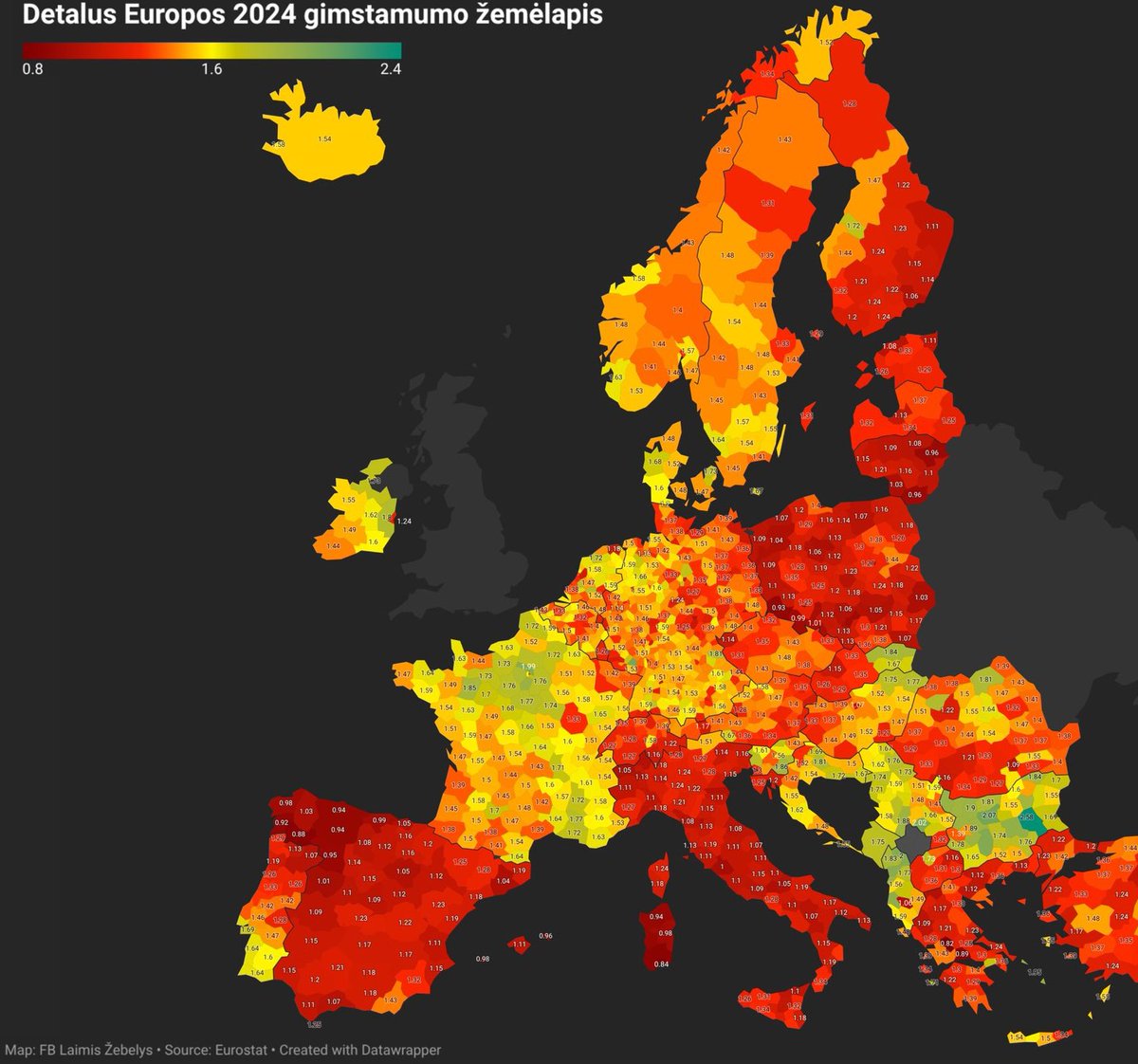
A brilliant new map by @ZebelysL shows fertility across Europe, district by district. It is shockingly low almost everywhere, and lower than any other region outside of East Asia.
In a new article, I explain the biggest causes of Europe's low fertility and what can be done. 1/3
Families within institutions: subsidiarity as public policy
👉 From the Constitution to the neighborhood: Alghero’s Office of Family Policy puts shared governance into practice https://t.co/0AxSC7NJU2
🎶🔥 Descobriu el flamenc en família amb un 25% de descompte en el @palaumusicacat que apropa el flamenc als infants d’una manera divertida, sorprenent i plena de ritme. 💃
Diumenge 22 de novembre, a les 12 h
👉 Més informació i entrades: https://t.co/IWHisVLYmj
El suport a les famílies i a la natalitat serà una prioritat en la campanya electoral?
📝 En el seu article d’opinió, @raulsanchezfl, director de FANOC, alerta sobre la baixa natalitat, l’envelliment de la població i l’augment de la pobresa infantil👉 https://t.co/B92yrgdrUi
Giant towel celebrates portuguese large families.
👉🏻 More than just a towel, it has become a fun and symbolic representation of a core belief: where there is room for one, there is room for all. https://t.co/i9SgDX9TOz
Valencian Association of Large Families @AVAFAM (Spain) celebrates its 60th anniversary with more than 1,300 members at a day dedicated to families https://t.co/0Dlf9O5Piu
From Civic Engagement to Public Policy: @FamNumeroasa ASFANU Wins National Civil Society Award in Romania and creates a community of 34 Large Families in Neamț https://t.co/SeyVAvn11x
Entrevista a Pedro José Román, padre de 7 hijos y presidente de #FamiliasNumerosas de #Extremadura, comunidad anfitriona de del encuentro nacional de estos hogares este fin de semana 👉 Las #familiasnumerosas «hacemos una sociedad más justa y más alegre» https://t.co/HrTAp91rw6
Romania treats twins as "half-price" children: Families lose over 56,000 lei
👉 ASFANU, the Association of Large Families @FamNumeroasa filed an amicus curiae with the Constitutional Court and argues that each child should receive their own allowance https://t.co/wEO2ndzANd
Large families from Spain held their 15th national congress in the city of Badajoz - @FamNumerosas
👉 Large families called for recognition and financial and social support https://t.co/qD2novogwj
Fa molts anys que a FANOC formem part de la @XarxaNust, compartint el compromís per una millor cultura del temps.
Per a les famílies, i especialment per a les famílies nombroses, poder conciliar la vida laboral, familiar i personal és fonamental.
Celebrem aquests 20 anys💚
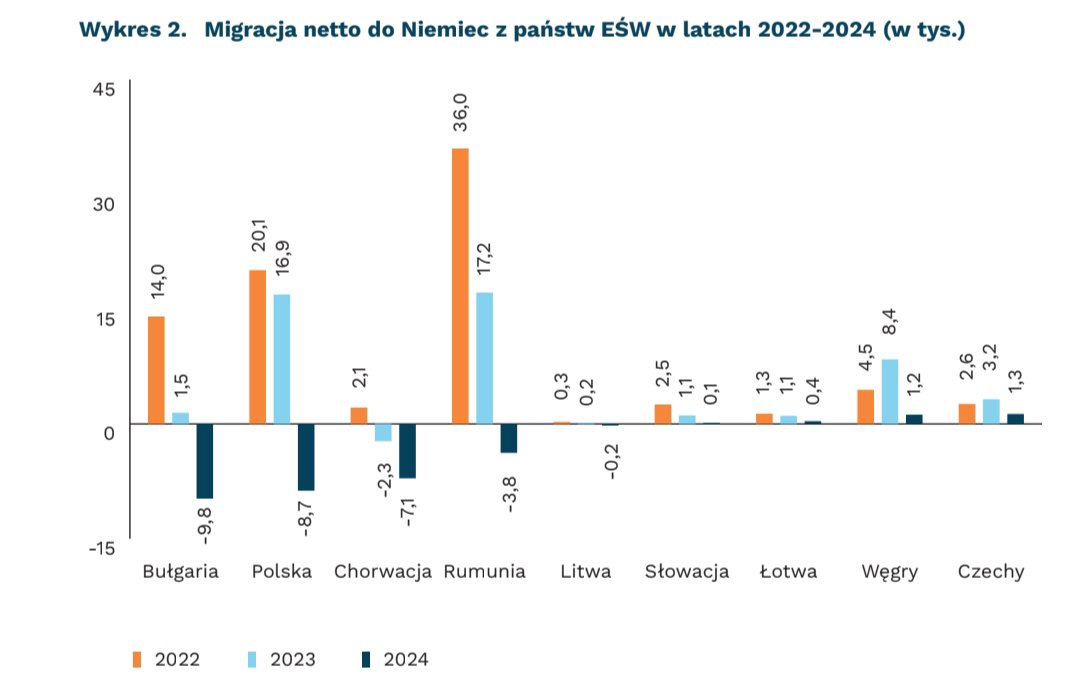
In any case, relying on intra-European immigration isn’t viable anymore. The proverbial Gastarbeiter flows from Eastern Europe (especially Poles and Croats, but also Bulgarians now) are reversing as their home countries catch up economically (and also, their fertility rates are falling as well).
The Canadian Married Families Index measures how families are doing (fertility, marriage and the proportion of children living with married parents). In contrast with 20 years ago, each province has declined, Nunavut and Quebec the most. 1/2 https://t.co/Do5YrXUbI0