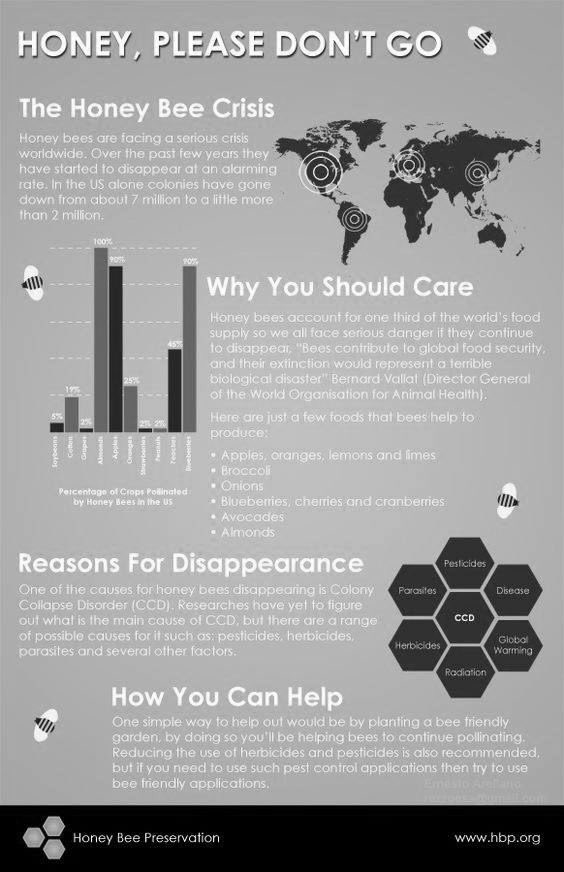
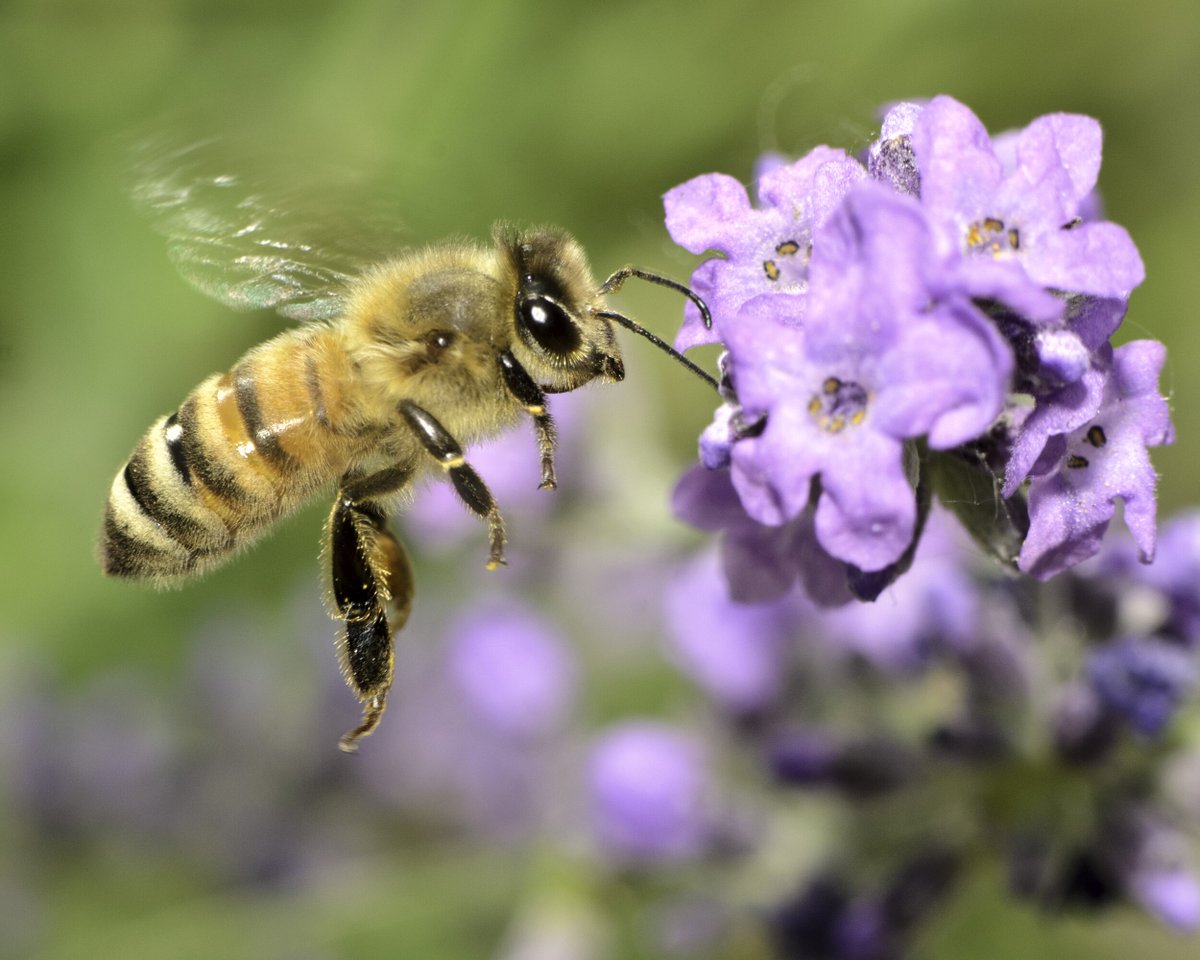
No bees, no food. 🐝🍎 Honey bees are vital to our food supply, but they’re disappearing fast. Let’s protect their habitats, ban harmful pesticides, and support local beekeepers. Together, we can save the bees! 🌸 #SaveTheBees#PollinatorsMatter#EcoFriendly#EM203
🐝Did you know that 1 in 3 bites of food we eat depends on pollinators like honey bees? But bee populations are declining rapidly due to pesticides, habitat loss, and climate change. 🌍 Let’s take action to #SaveTheBees! Learn how you can help: https://t.co/dSfDXRqjMF🌻
Honey bees account for one third of the world's food supply. Their disappearance would be a global disaster. Without bee's the world can survive for 3 years tops, this is a crisis we can't ignore. This post exemplifies this idea.
🌸#SaveTheBees#EM203Robin#EM203Research
I discovered a helpful article that I would love to share, It about protecting pollination and how important it is for our ecosystem! y'all should check out how @penn_state is making an impact with their latest research and initiatives🐝🌸.#EM203Research
https://t.co/QCb6eeewjS
@EM203Fsaunders This education concept map highlights key points like equal opportunities, low-cost human capital investment, and real-world skills. But it misses critical issues: accessibility, quality assurance, and the digital divide in online learning. #EM203problems
@EM203JAltomare mental health is something I feel like we are struggle wit big or small, Rising anxiety & burnout, fueled by social media & stress, are major mental health challenges for young adults. How can we promote better coping strategies? #EM203problems"
@CharlotteM0109 I 100% agree with you smoking is dangerous and we should try our best to educate and get people to stop. On that topic Low-income and indigenous population do face higher smoking rates due to limited access to prevention programs. How can we address this disparity