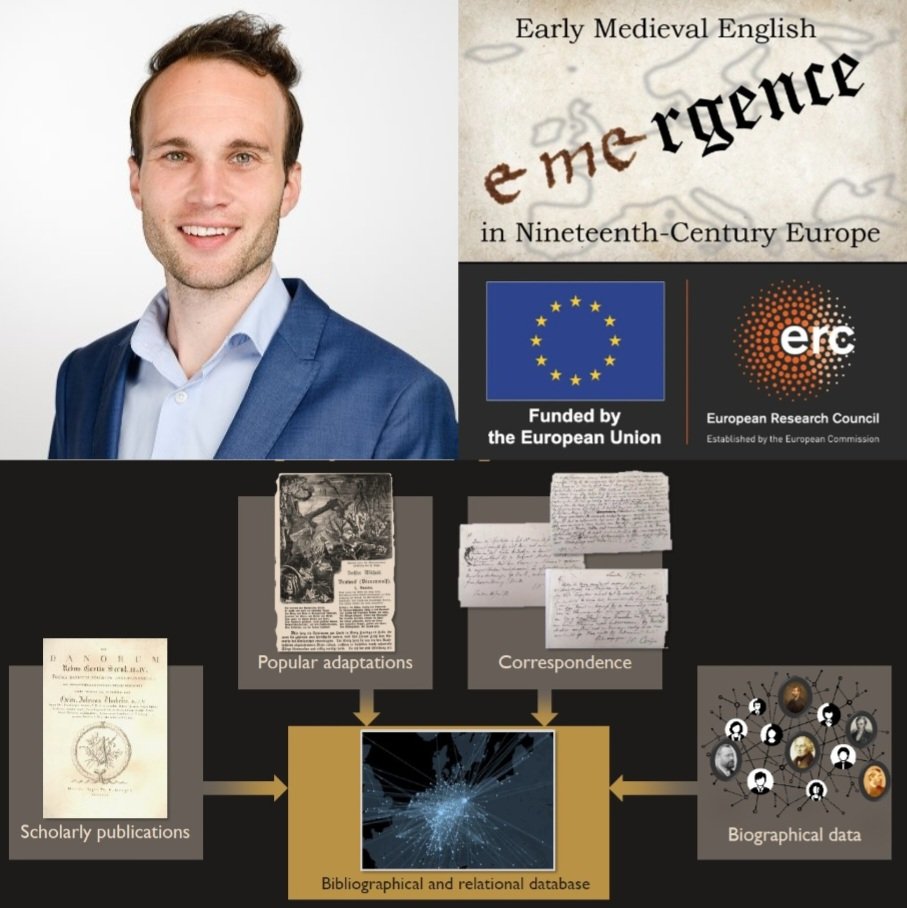
The #ERCStG project EMERGENCE will explore the reception of early medieval English in 19th-century Europe! This twitter-thread will outline our five interconnected projects!
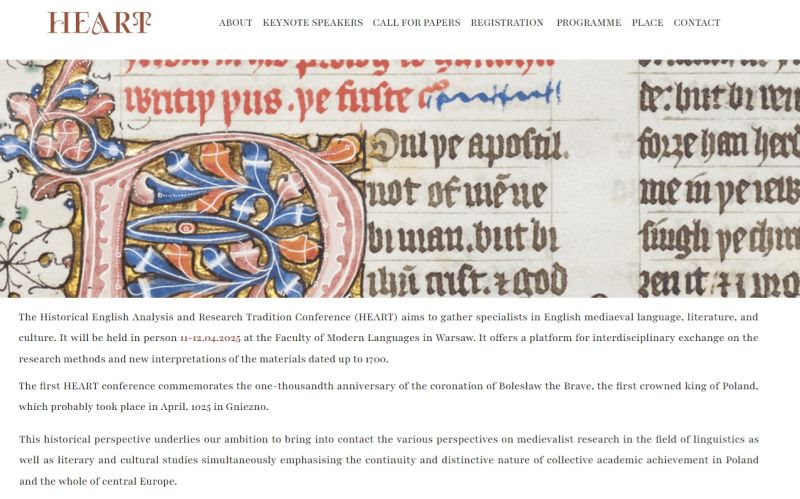
❤️Don't miss it! ❤️Our P.I. @thijsporck will be giving one of the keynotes at the Historical English Analysis and Research Tradition (HEART) Conference! The deadline of the call for papers is 30 November 2024!
https://t.co/HvQAA0CAQv
"What a blundering booby" - John Mitchell Kemble clearly was unimpressed by Franz Mone's "Quellen und Forschungen zur Geschichte der teutschen Literatur und Sprache" (1830), which contained editions of various Old English texts.
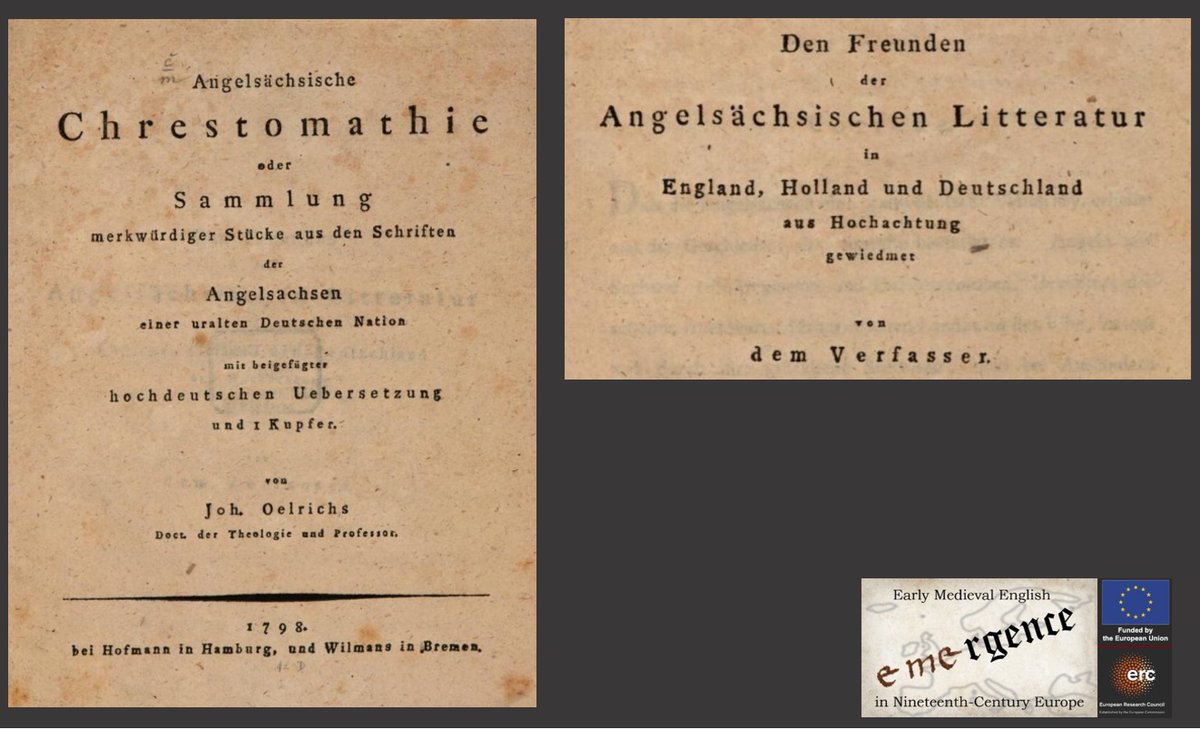
One of the first anthologies of Old English was made by Johann Oelrichs in 1798, who dedicated his Angelsächsische Chrestomathie to 'the friends of Anglo-Saxon literature in England, Holland and Germany'
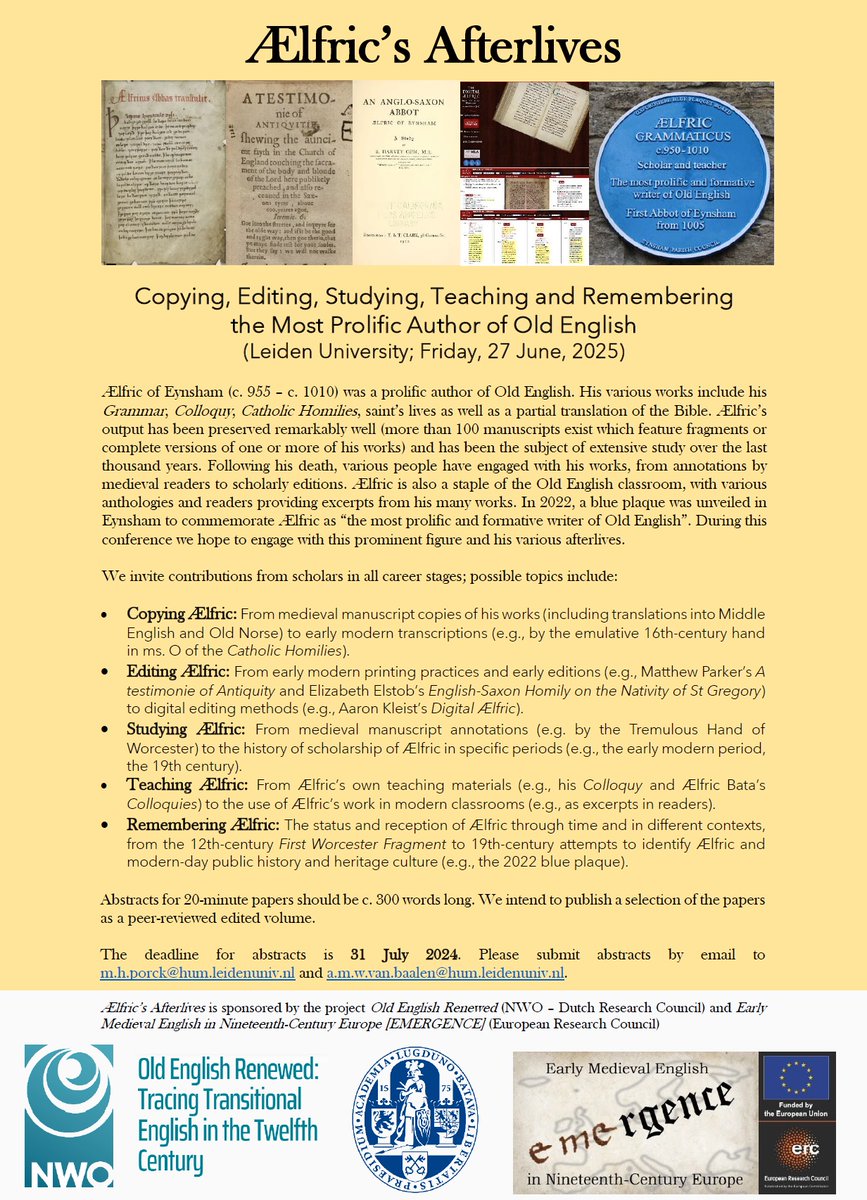
🎺We are organising a cool conference on everyone's favourite abbot! 🎺
Ælfric's Afterlives: Copying, Editing, Studying, Teaching and Remembering the Most Prolific Author of Old English (27 June, 2025) - please help share this CFP :)
Just a few more days left to apply! Join the University of Leiden Early Medieval English Awesome Research Collective [ULEMEARC] of young doctors, PhD students and guest PhDs :)
@Black_Kettle Definitely part of the appeal! To paraphrase P. J. Cosijn's lecture 'On Anglo-Saxon Poetry' (1899): while the bards were singing in England, frogs were croaking in the Low Countries :)
And today we are launching our "P. J. Cosijn Research Fellowship"! The first Cosijn Fellow has started working on their project on early Dutch children's adaptations of Beowulf!
#OTD 125 years ago, Pieter Jacob Cosijn, rector magnificus of Leiden University, held a public lecture for the dies natalis of the university, entitled "Over Angelsaksische Poëzie" [About Anglo-Saxon poetry]. @UniLeidenNews
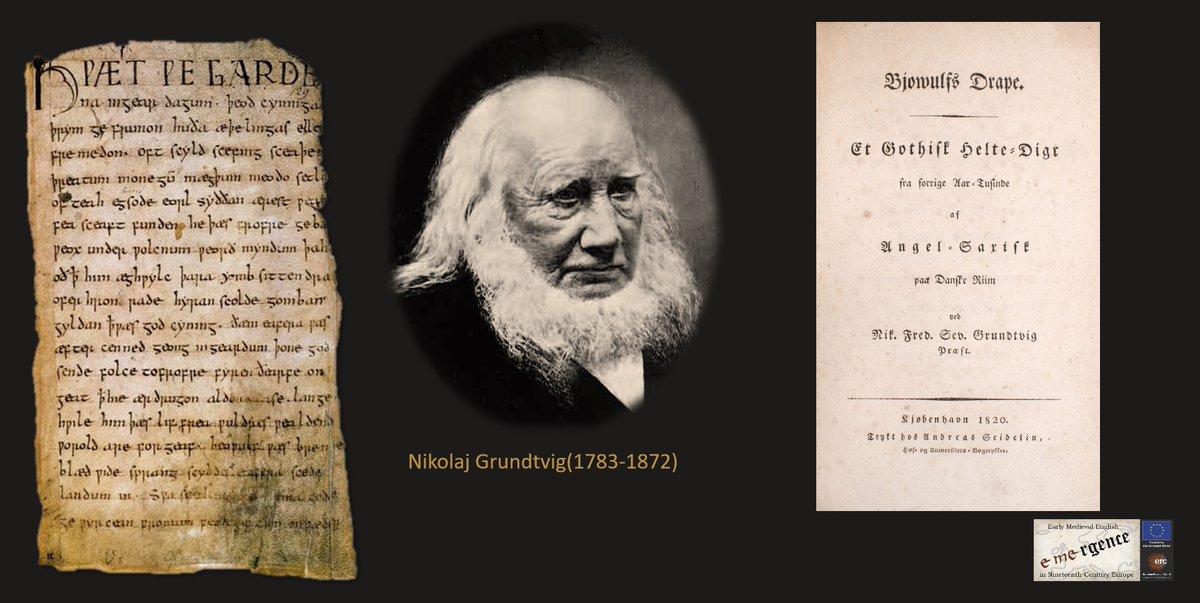
The first full translation of Beowulf in a modern language was a translation into Danish by N.F.S Grundtvig, published in 1820: "Bjowulfs Drape: Et Gothisk Helte-Digt fra forrige Aar-Tusinde"
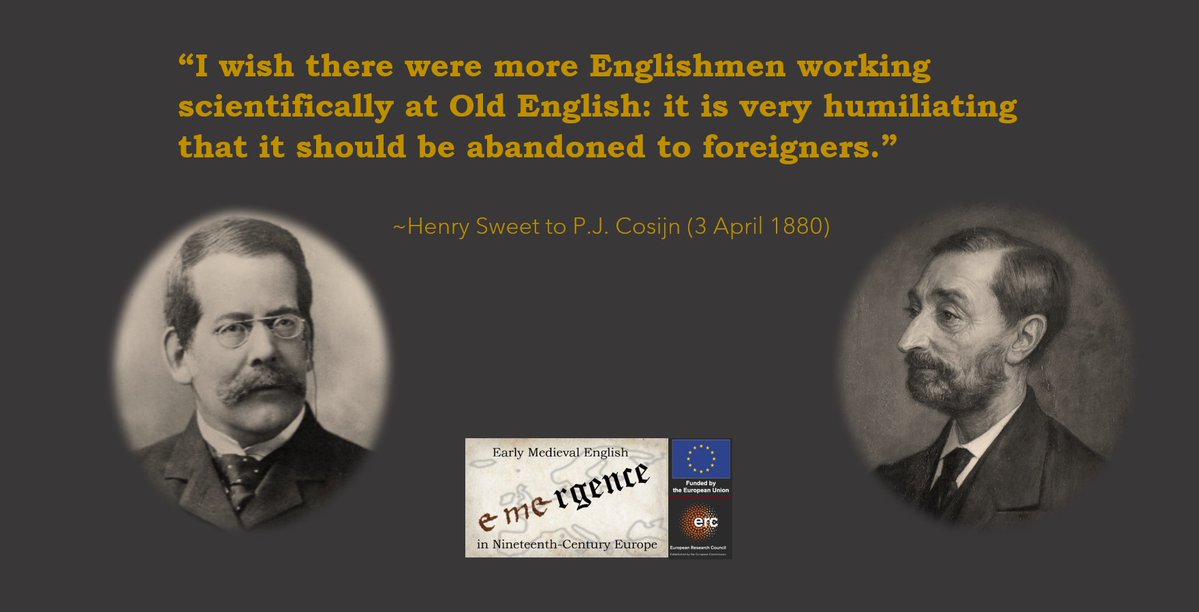
According to Henry Sweet, writing to P.J. Cosijn (Leiden's first Professor of Anglo-Saxon and Old Germanic), "foreigners" dominated the study of Old English in the 19th century!
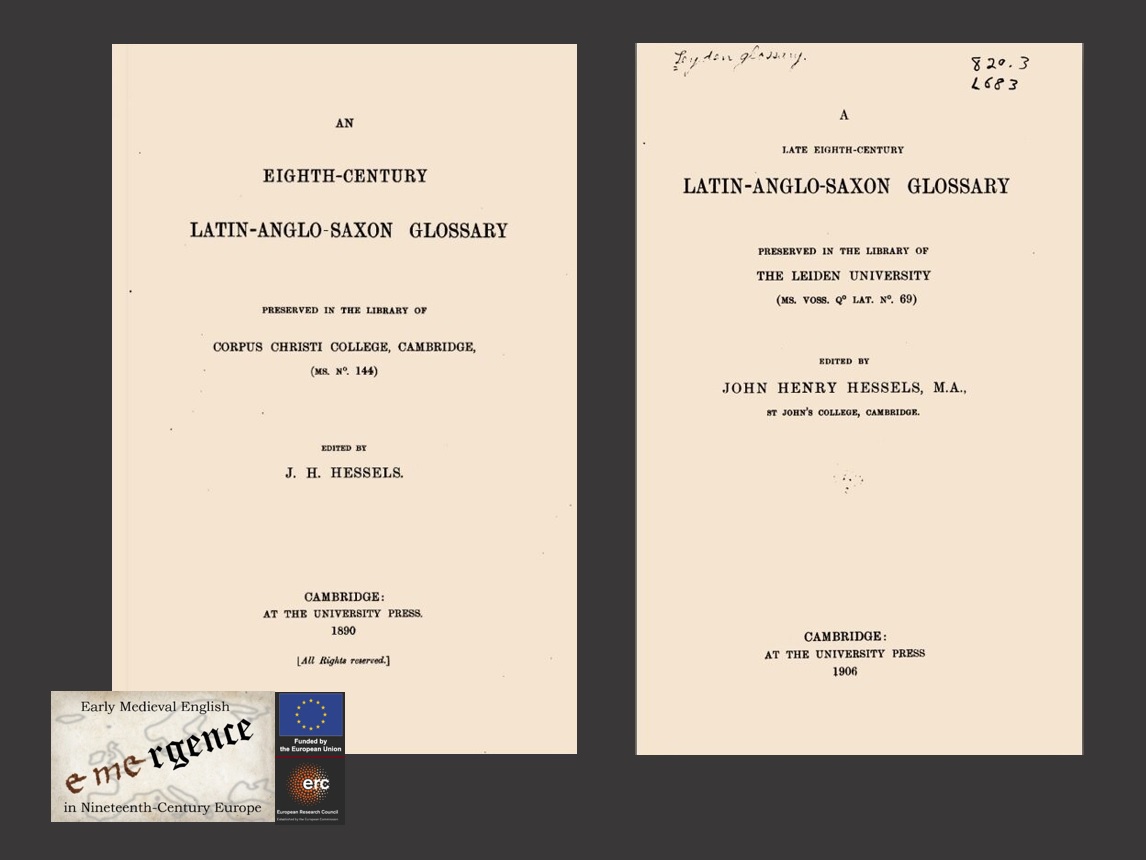
Dutchman Jan Hendrik Hessels (1836-1926) published editions of two Latin-Old English glossaries and got into several heated debates with Henry Sweet about editing such collections of glosses.
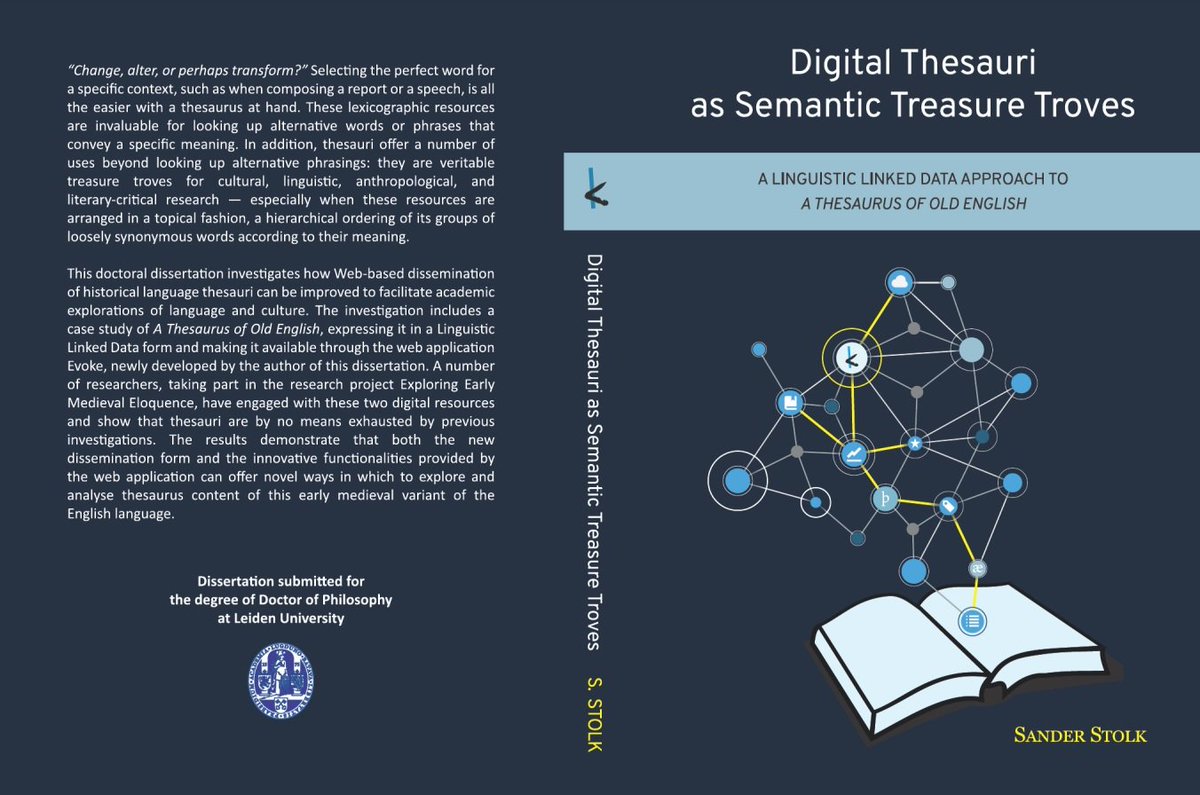
Dr. Stolk wrote his PhD thesis on a Linguistic Linked Data approach to the Thesaurus of Old English. His dissertation was awarded the best PhD dissertation award 2023 by @LUCAS_Leiden and is available in #OpenAccess here: https://t.co/9VOWNjIh42
Welcoming Dr. Sander Stolk (@ssstolk) to the EMERGENCE team! Dr. Stolk is a Linked Data expert, whose main responsibility will be the OE-BARD database: a bibliographical and relational database on Old English in the 19th century!
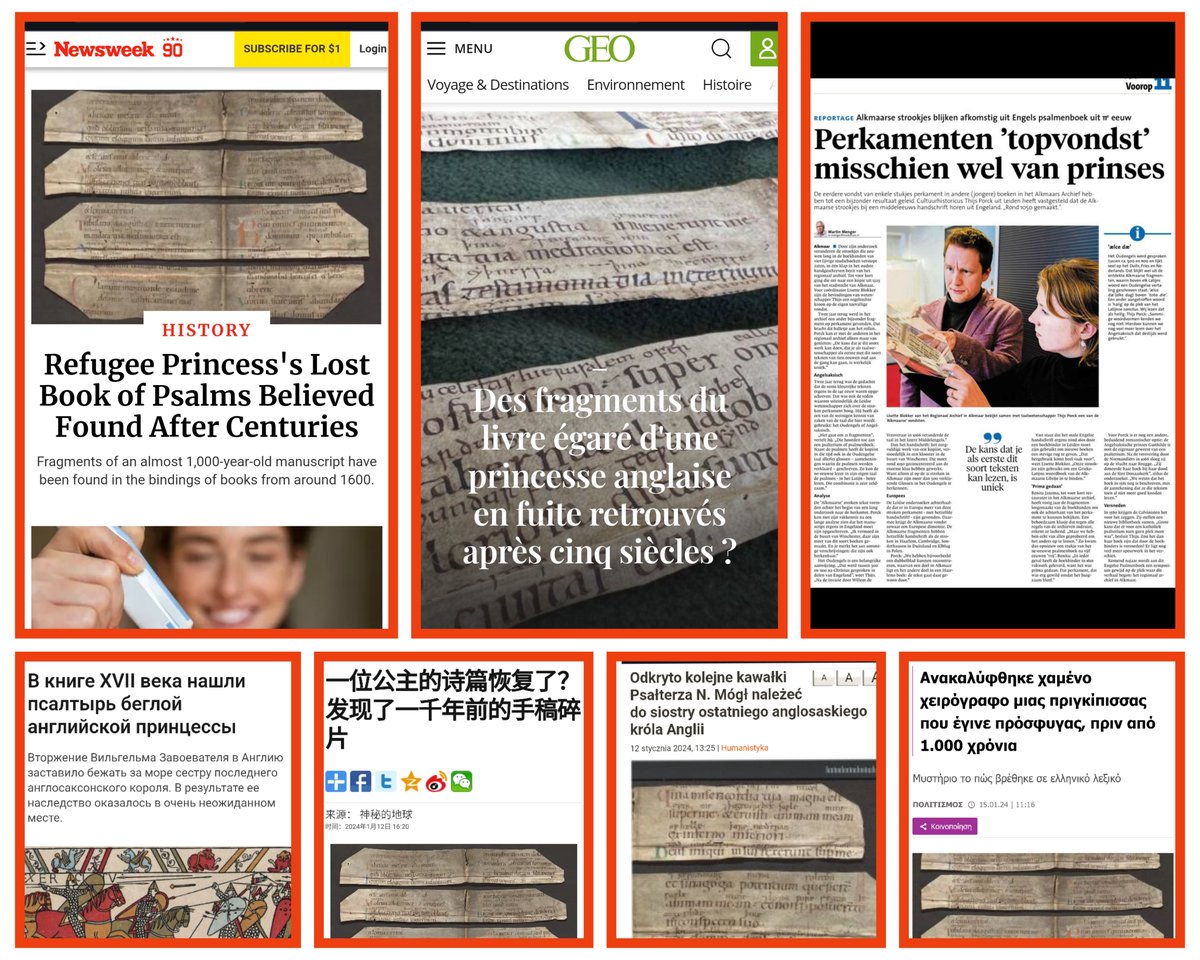
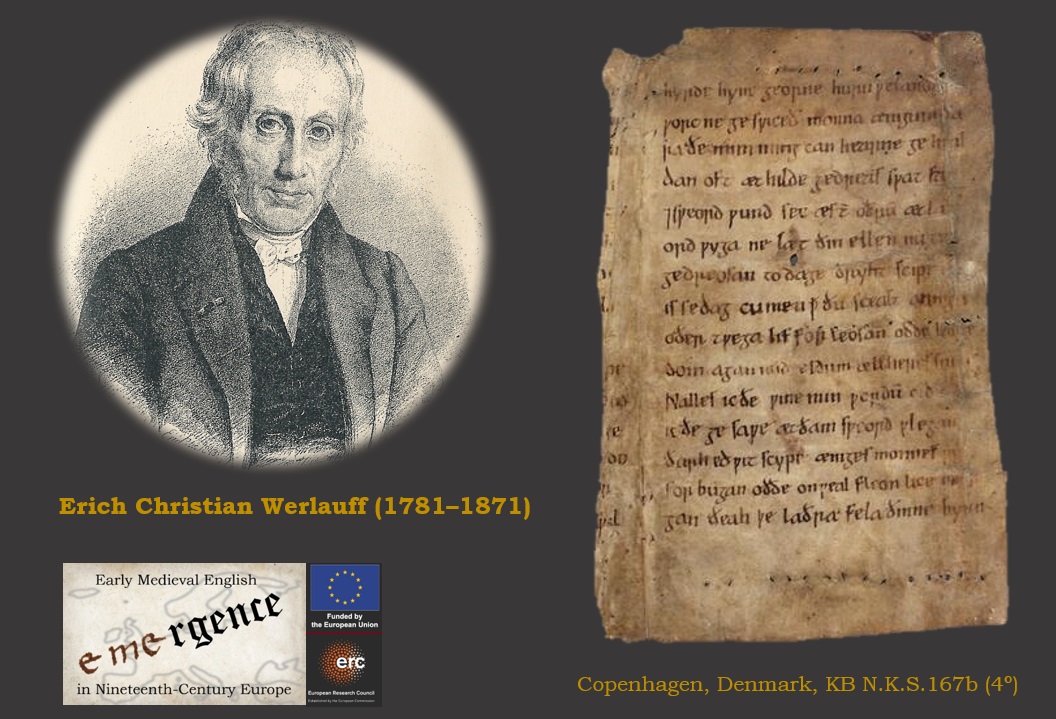
Newly discovered Old English fragments go global! You can read the full #OpenAccess article in "Anglo-Saxon England" for free here: https://t.co/rhaEEpNDSq
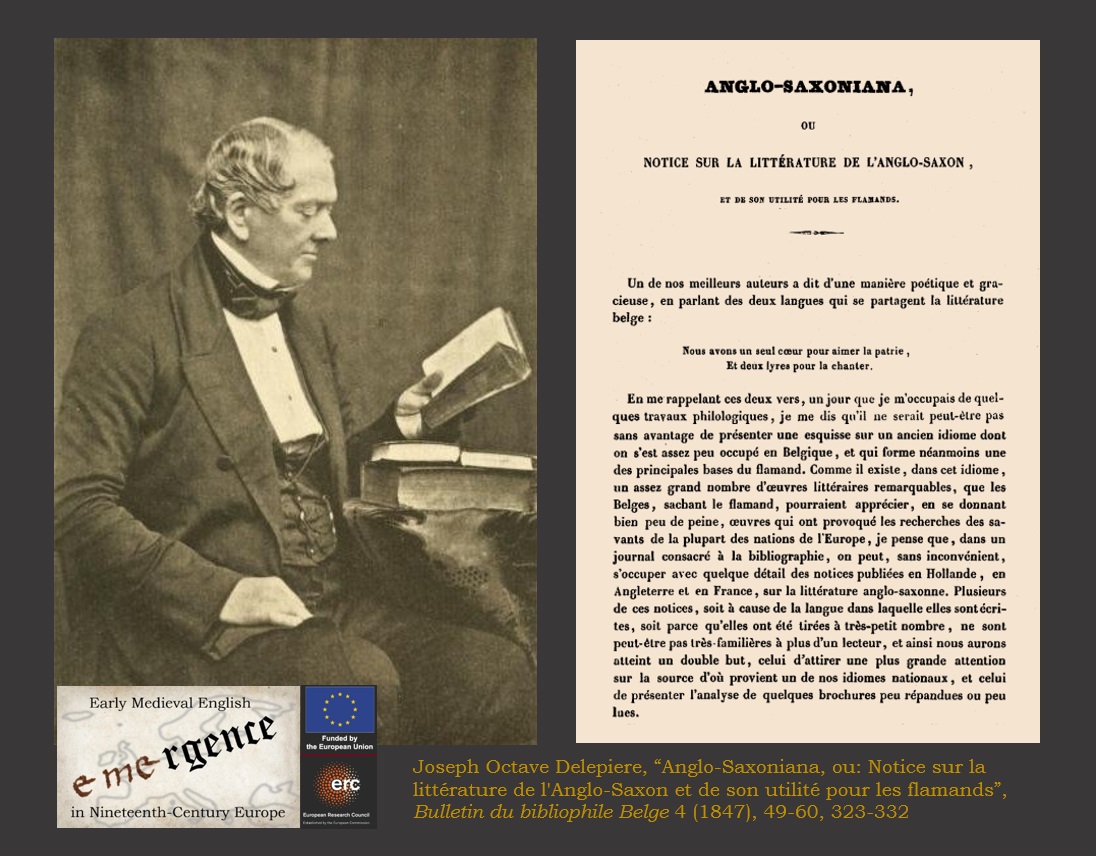
In 1847, Joseph Octave Delepierre (1802-1979) wrote an article with the title "Anglo-Saxoniana, or: Notice on Anglo-Saxon literature and its usefulness for the Flemish"


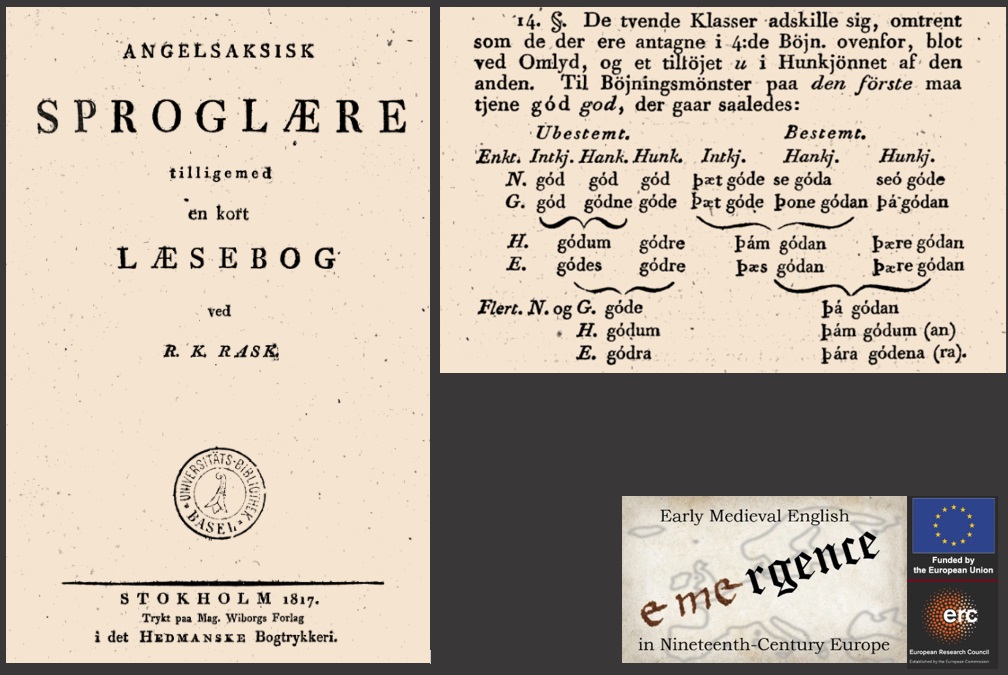

![thijsporck's tweet photo. Just a few more days left to apply! Join the University of Leiden Early Medieval English Awesome Research Collective [ULEMEARC] of young doctors, PhD students and guest PhDs :) https://t.co/szvoWySjS0](https://pbs.twimg.com/media/GHX24sgXYAApsn0.jpg)

![EMERGENCE_ERC's tweet photo. #OTD 125 years ago, Pieter Jacob Cosijn, rector magnificus of Leiden University, held a public lecture for the dies natalis of the university, entitled "Over Angelsaksische Poëzie" [About Anglo-Saxon poetry]. @UniLeidenNews https://t.co/4UCYLFgFc5](https://pbs.twimg.com/media/GFy6juSWgAAAH_4.jpg)