A new treatment may help transplant patients need fewer anti-rejection drugs.
In two high-risk patients, an experimental cell therapy allowed doctors to greatly reduce immunosuppressants without the transplanted organs being rejected for more than five years.
The hope: one day, transplant patients may need less lifelong immunosuppression, potentially reducing its side effects.
Learn more: https://t.co/MQiWjcbi8u
Could cancer risk be identified from birth?
Researchers found cancer-predisposing genetic variants in archived newborn blood spots, raising the possibility of identifying some children at risk of early-onset cancer before symptoms develop.
Uncover more of the research: https://t.co/60CZYobPhD
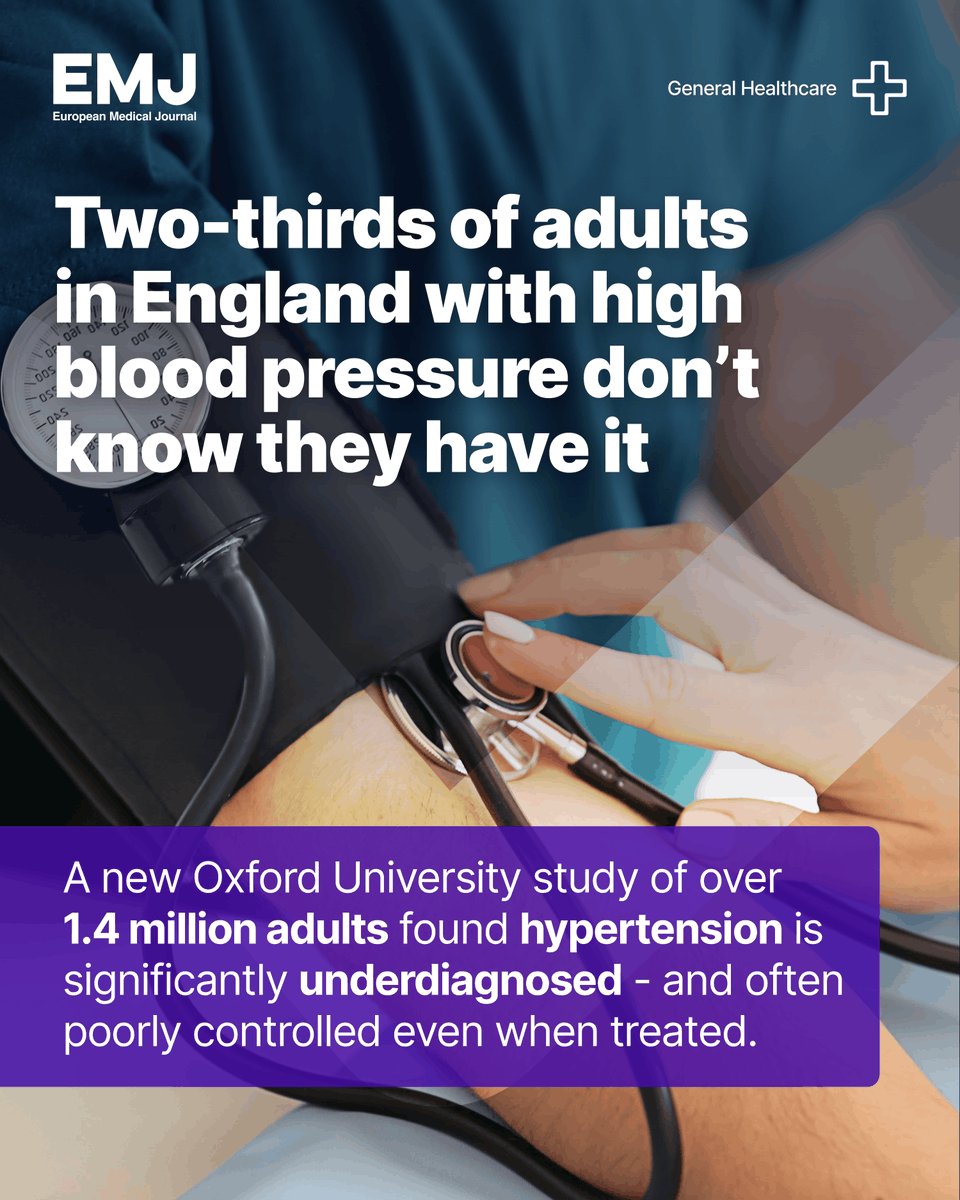
The UK's ""silent killer"" is going undetected on a massive scale, new research warns.
Data shows 37% of adults have hypertension - and for nearly 60% of them, it has never been diagnosed.
Read more: https://t.co/k9vAcp1Gci
Could metabolic changes affect lung health before diabetes develops?
At #EASD2026, higher glucose levels and lower insulin sensitivity were associated with reduced lung function in adults without diabetes or lung disease.
Read more: https://t.co/FZlrEnzycN
#Diabetes #LungHealth #MetabolicHealth
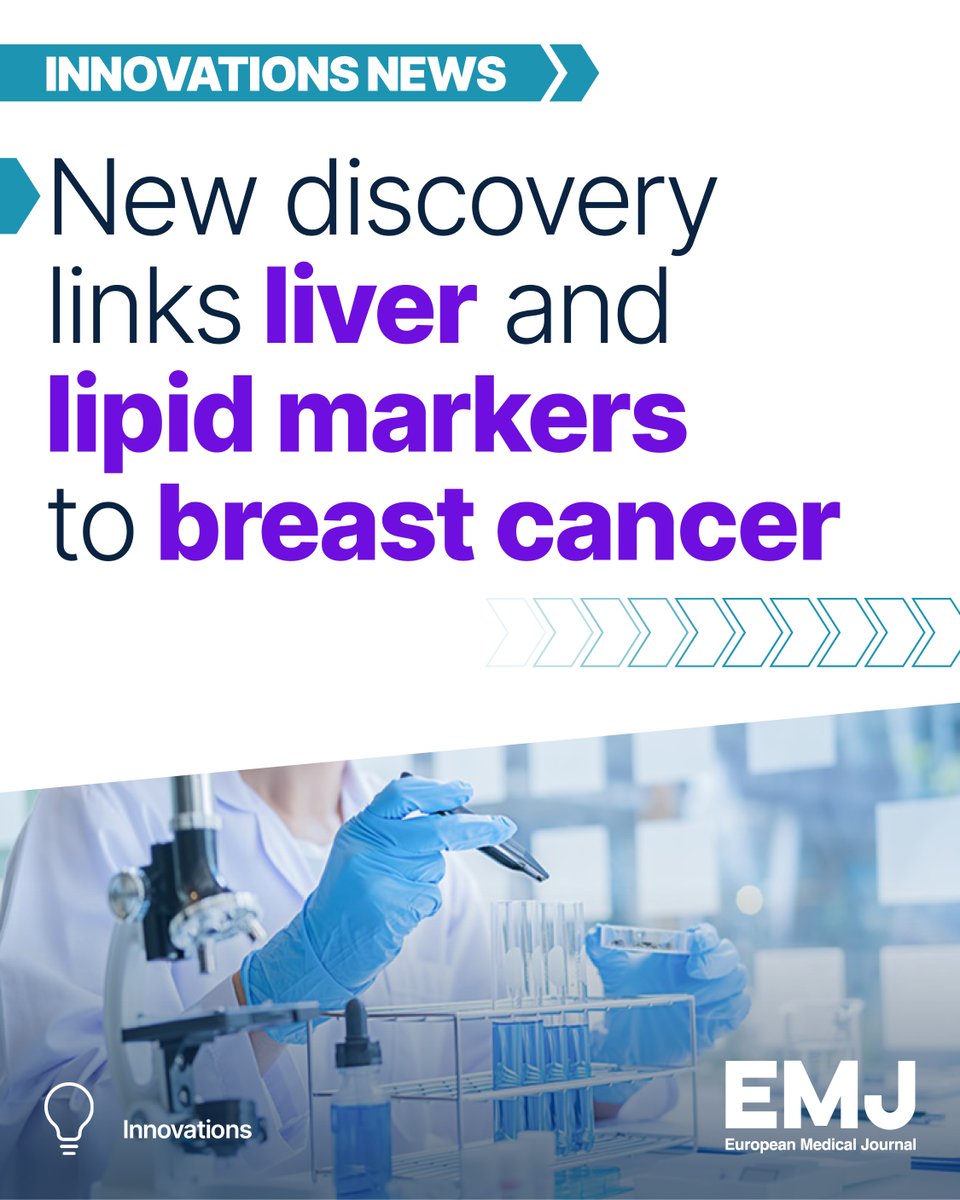
What could liver function and cholesterol tell us about breast cancer?
Researchers identified four liver and lipid markers associated with breast cancer status.
The findings are exploratory and do not yet establish these markers as breast cancer risk factors.
Explore the research: https://t.co/sU12uD5rJ4
Could the gut hold new clues to thrombotic risk?
Our latest review explores the emerging relationship between the gut microbiome and venous thromboembolism, and its potential implications for diagnosis.
Read more: https://t.co/Yo8sCQHEl5
#GutMicrobiome#Thrombosis#VTE #CardiovascularHealth
Speaker is AI generated.
Cancer therapies are advancing, but what happens when vision is affected?
In the latest Onc Now episode, host Dr Catherine Glass speaks with Neel Pasricha, Assistant Professor of Ophthalmology at the University of California, San Francisco, about recognising, monitoring, and managing ocular adverse events associated with cancer therapies.
Together, they explore:
🔹 Ocular toxicity linked to antibody–drug conjugates
🔹 Improving screening and adverse event reporting
🔹 Ocular surface electrophysiology and dry eye disease
🔹 Strengthening collaboration across specialties
🎧 Listen now: https://t.co/5TlXLGrzjk
What happens when a patient or family feel their concerns aren’t being heard?
Martha’s Rule provides a route to request an urgent independent clinical review when a patient’s condition is deteriorating.
Now, the initiative is expanding to every A&E in England by 2028.
Learn more: https://t.co/PQrfbFqjLf
New evidence is taking centre stage on Day 2 of the EADV Congress 2026.
From evolving approaches in skin cancer to late-breaking clinical trial findings, today’s programme is spotlighting research with potential relevance for dermatology practice.
Join EMJ Dermatology for more Congress insights.: https://t.co/hNnRYVpPaF
#EADVCongress #Dermatology #SkinCancer #ClinicalTrials #DermatologyResearch
Are we still missing the families most at risk of premature cardiovascular disease?
In the latest EMJ Podcast series, host Catherine Glass speaks with Professor Devaki Nair, Consultant Lipidologist and Clinical Lead for Lipids and Cardiovascular Risk Prevention at the Royal Free Hospital, London, UK, about the developments shaping modern lipidology and cardiovascular prevention.
Across a quickfire episode and three deep dives, they explore:
🔹 Why familial hypercholesterolaemia remains underdiagnosed,
🔹 Why Lipoprotein(a) has become one of the hottest topics in preventive cardiology
🔹 When to measure Lipoprotein(a), and how targeted therapies could transform prevention
🔹 How community-based screening can reduce health inequalities in cardiovascular care.
🎧 Listen now: https://t.co/FinipWqQxG
Routine blood tests could help identify different risk profiles in Type 2 diabetes.
At #EASD2026, immune-based endotyping identified four subgroups with distinct cardiovascular, kidney, and mortality risks.
Read more: https://t.co/QK8D32hDAw
#Type2Diabetes#Diabetes #PrecisionMedicine
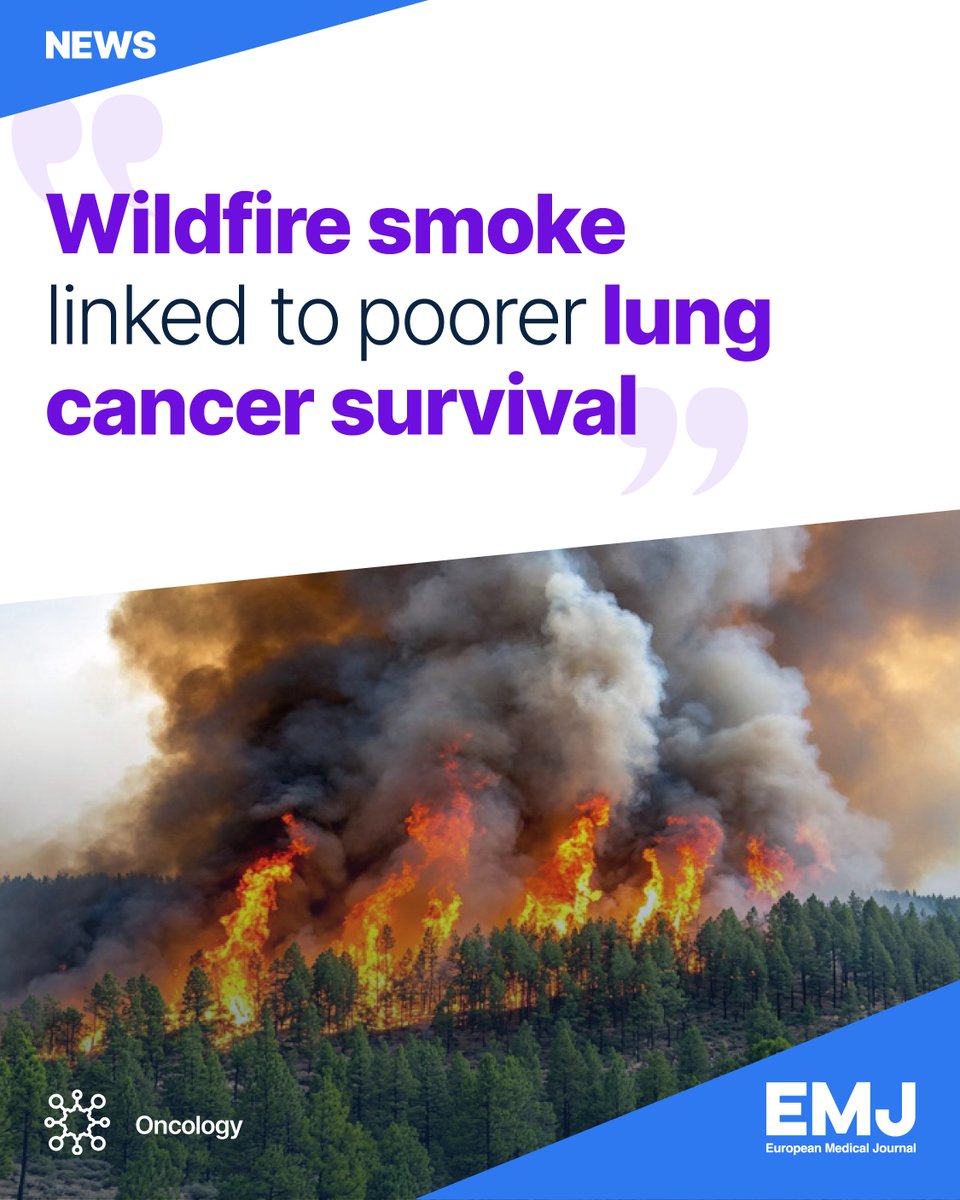
Wildfire smoke may be an important environmental consideration in lung cancer care.
Among more than 414,000 patients aged 65 years and older, wildfire-related PM2.5 showed a stronger association with mortality per unit of exposure than particulate pollution from other sources.
The observational findings warrant further investigation.
Find out more: https://t.co/vc4EyXhXYB
Day 1 of the @eadveurope Congress 2026 is underway, bringing new research and clinical developments into focus.
From late-breaking data to expert perspectives, EMJ's senior medical writer Jess, gives us a first look at what’s driving conversation in Vienna.
Join EMJ Dermatology for more Congress insights: https://t.co/14DP8D9mSy
#EADVCongress #Dermatology #DermatologyResearch #ClinicalTrials
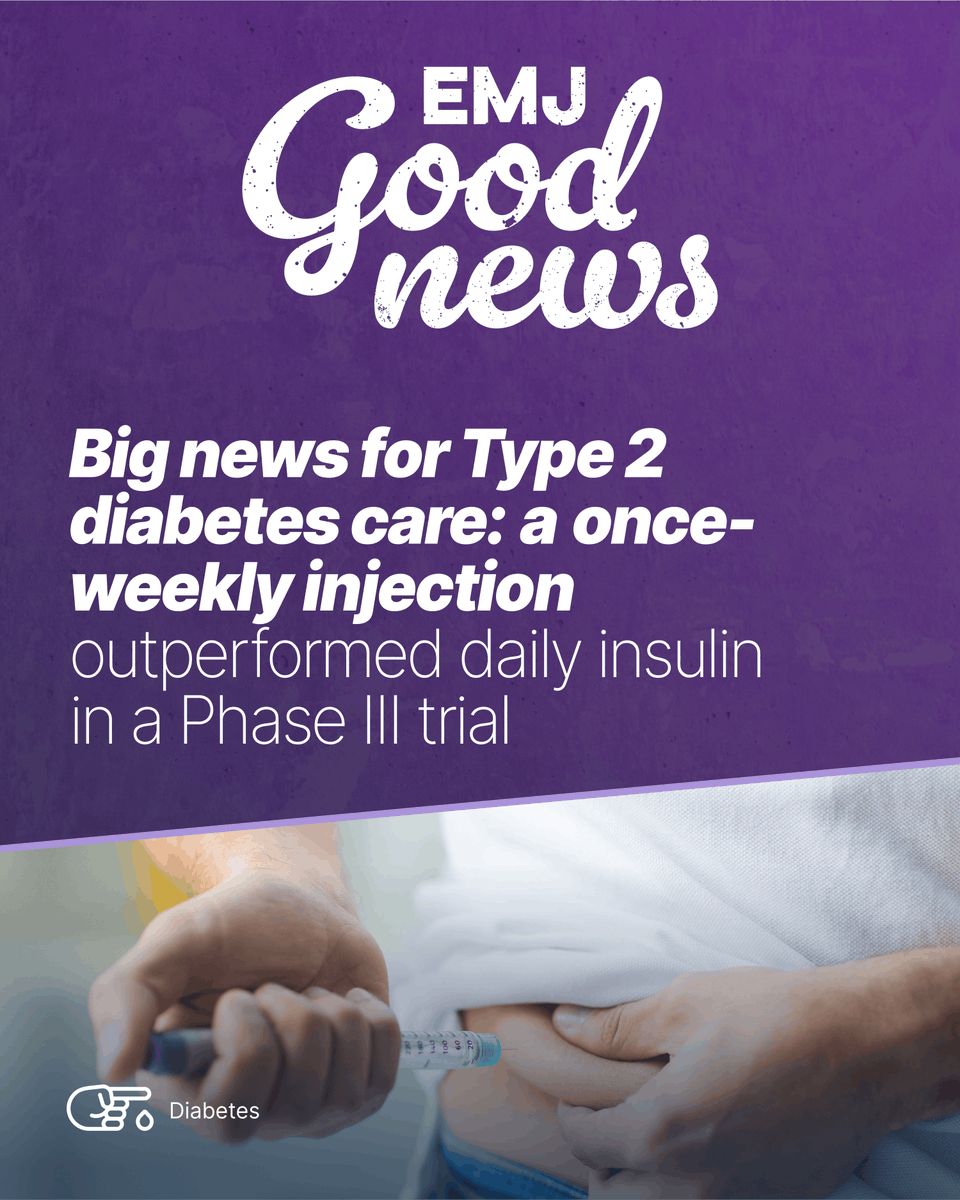
Could a weekly injection ease two major barriers to starting insulin - treatment burden and weight gain?
A once-weekly icodec-semaglutide combination cut HbA1c more than daily glargine, with less hypoglycaemia.
Explore the findings: https://t.co/vJVcgdSGJC
New data, new technologies, and fresh perspectives take centre stage at the #EADV2026 Congress.
As an official media partner, EMJ will be following the research, expert discussions, and innovations with real relevance for dermatology and venereology practice.
Join EMJ Dermatology for the insights worth watching from Vienna:
https://t.co/Q6Kdlk1YIV
#medicalcongress #dermatology #venereology
Let's get into your weekly news wrap:
📌 PMOS Linked to Increased Risk of Reproductive Cancers: https://t.co/G3TVEE5IEZ
📌 Spanish Breakthrough Paves the Way Toward Drug-Free Organ Transplants: https://t.co/Jt8rJ5hpyR
📌 Martha's Rule to Expand Across England's A&Es: https://t.co/4T07vkrTbE
Could AI help spot acute kidney injury earlier?
A new machine learning model used routine ICU data to identify patients with acute pancreatitis at higher risk of moderate to severe acute kidney injury.
The model showed promising results, but further testing is needed before it could be used to guide patient care.
Read more: https://t.co/LOQxwPJ2aH
COVID-19 in pregnancy: what could it mean for a child’s development?
A large Norwegian study of more than 200,000 children found no increased risk of autism, neurological disorders, epilepsy or other developmental conditions following COVID-19 exposure during pregnancy.
The findings offer reassuring news for parents, while more research is needed.
Read more: https://t.co/0JASD7xTGQ
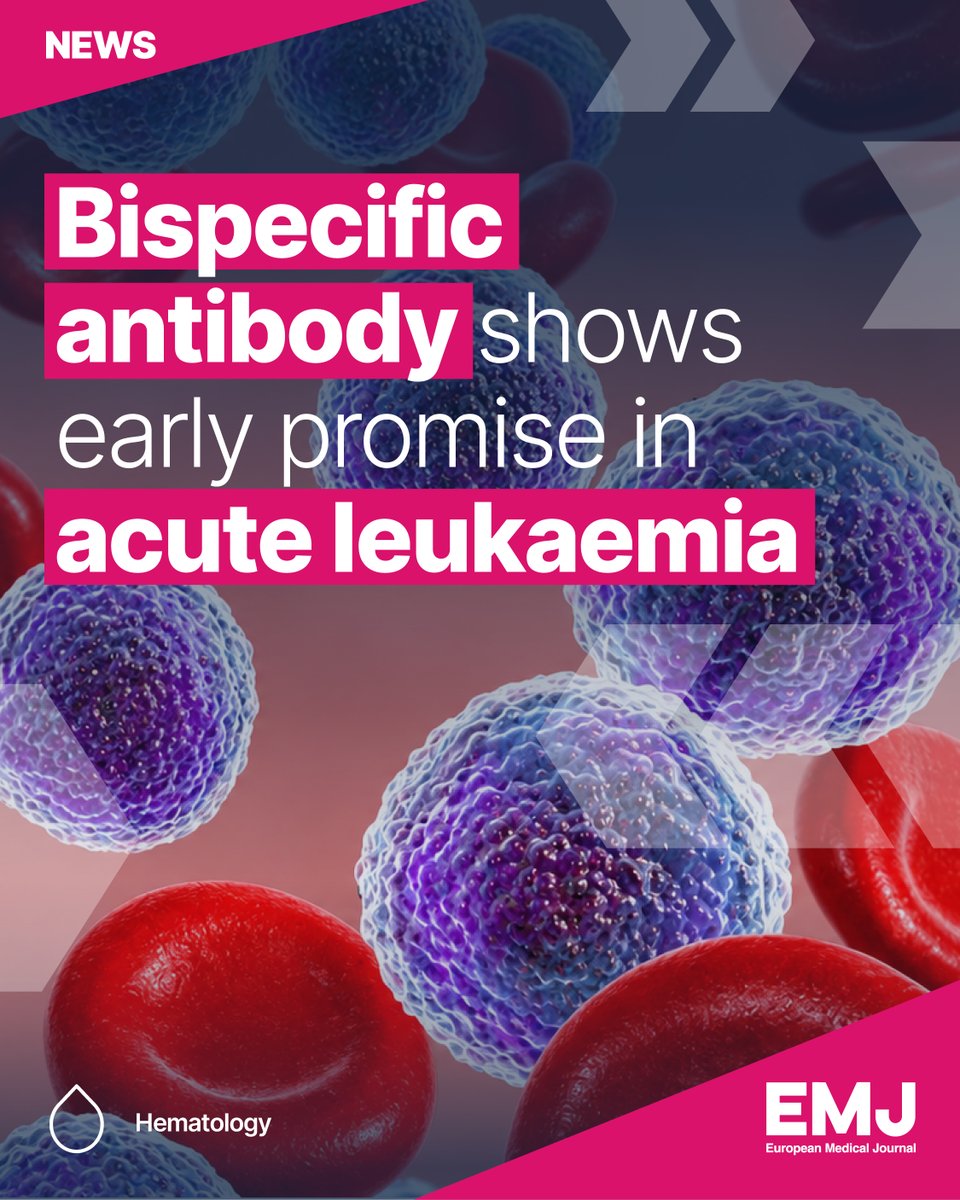
A new bispecific antibody is showing early promise in people with relapsed or refractory acute myeloid leukaemia (AML).
In an early-stage trial, XmAb18968 produced complete remission in some patients with AML, while also showing an encouraging safety profile.
Could this approach open new possibilities for patients with limited treatment options?
Read more: https://t.co/BHbPlHAYM9
Can we detect bowel cancer earlier by making screening more precise?
In the latest EMJ Podcast series, host Catherine Glass speaks with Professor Matthew Rutter, Professor of Gastroenterology at Newcastle University and University Hospital of North Tees, UK, about the evolution of colorectal cancer screening and early diagnosis.
Across four episodes, they explore:
🔹 How FIT testing and colonoscopy are transforming screening pathways
🔹 The importance of polyp management and risk-based screening
🔹 Why colonoscopy quality is critical to cancer detection
🔹 How AI and personalised approaches could shape the future of screening.
🎧 Listen now: https://t.co/Ieubg01FSo