and in another session at #ESHD2022 EPIBEL's @jrdhns presented his research on inequalities in vulnerability to dysentery in 1794 Mechelen. This wartime epidemic was not limited to the poor households, but was more or less 'equal' in its impact
EPIBEL's Hilde Greefs presenting at #ESHD2022 with @TimRiswick. Interesting differences in vulnerability to smallpox in Amsterdam and Antwerp in the 19th century: Amsterdam limited presence but sudden peak in 1870-72, Antwerp more present, but without giant peak
Exciting to see @TimRiswick and Hilde Greefs presenting some of some of our recent comparative work on smallpox and social inequalities in Amsterdam and Antwerp💀
#ESHD2022@ESHD_EU@isadevos@EPIBEL1
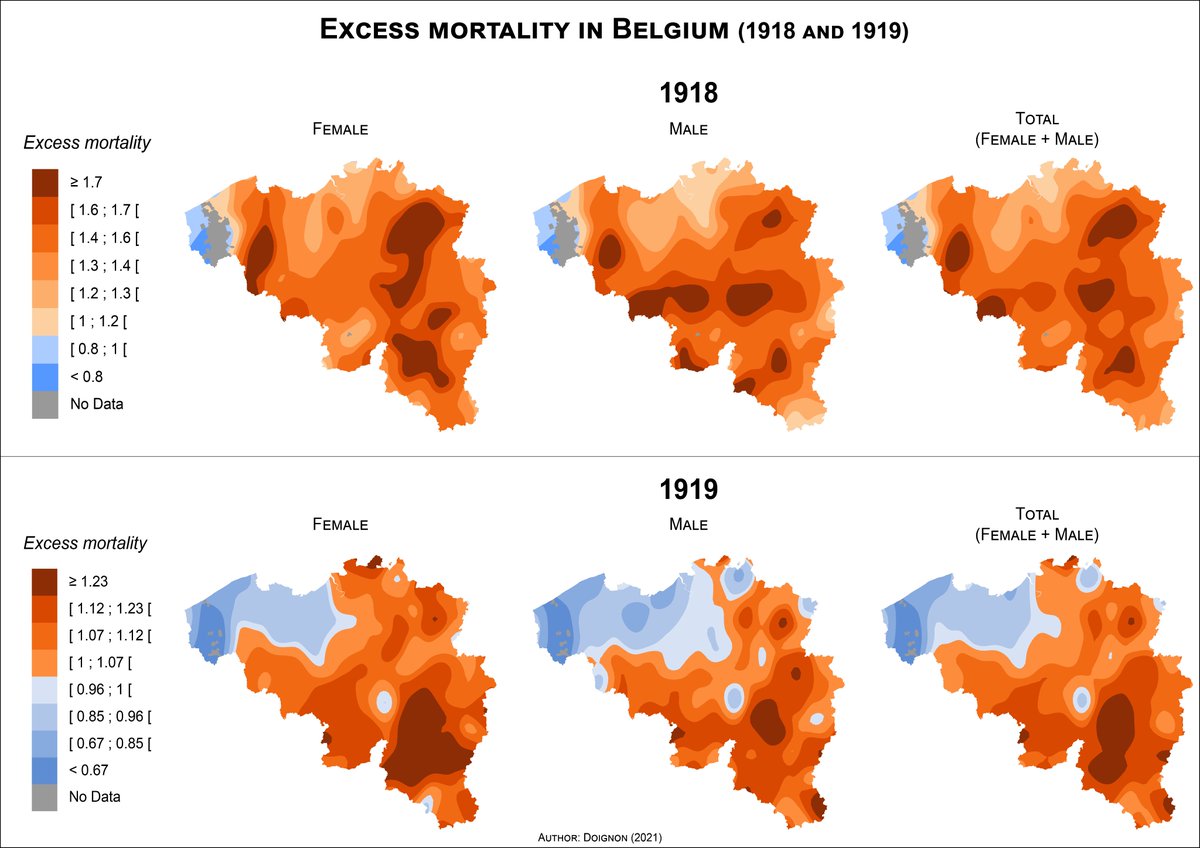
It is out! Our first EPIBEL publication! The very first overview of the Spanish flu in Belgium: it only took 100 years to produce 😉https://t.co/LIv5nI4RMm
S.O.S. Antwerpen komt naar je toe! Met welke epidemieën werden we vroeger geconfronteerd? Waaraan stierven je voorouders? Samen met @HISTORIESvzw en @EPIBEL1 organiseren we een vorming op 26 okt in A'pen, later volgen andere provincies. Registreer https://t.co/siM7t5HwRP
Regionale en lokale verschillen in vaccinatiegraad. ’t is niet nieuw. Lees hier hoe het in de vroege 19de eeuw was. Bij de eerste vaccinatiecampagne tegen de pokken in het Verenigd Koninkrijk der Nederlanden: https://t.co/XPsmbFlBFL #vaccinatie
Colleagues @K_Vanthomme, @GadeyneSylvie, Patrick Lusyne and Hadewijch Vandenheede just published a new paper in SSM - population health @sciencedirect on mortality among Belgian immigrants during the first #COVID19 wave in Belgium! Read it here: https://t.co/5YEWyYEGlm!
Video Recording of the Webinar - Infectious Disease and Public Health: Lessons from History. With G. Geltner, W. Anderson & G. Fela.
#Twitterstorians#Publichealth#Premodern https://t.co/YNf3bChIEA