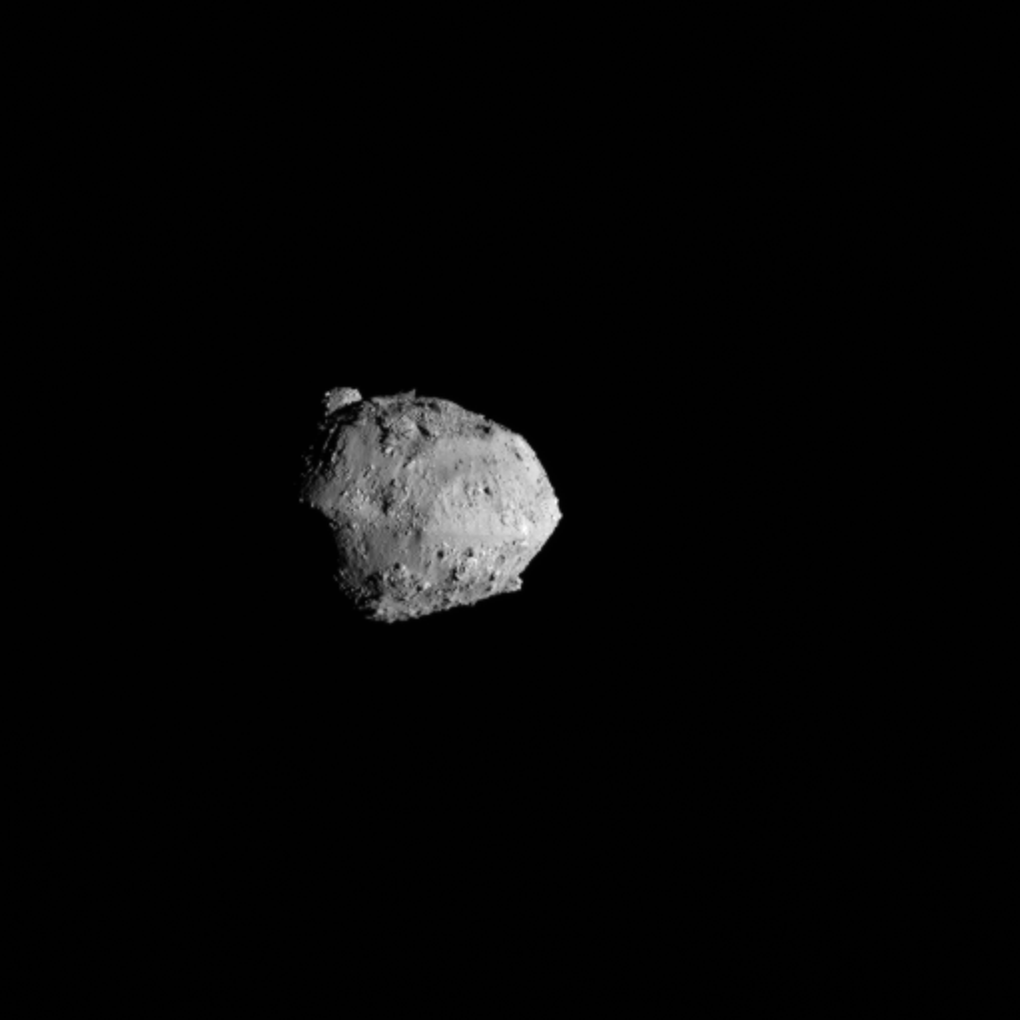
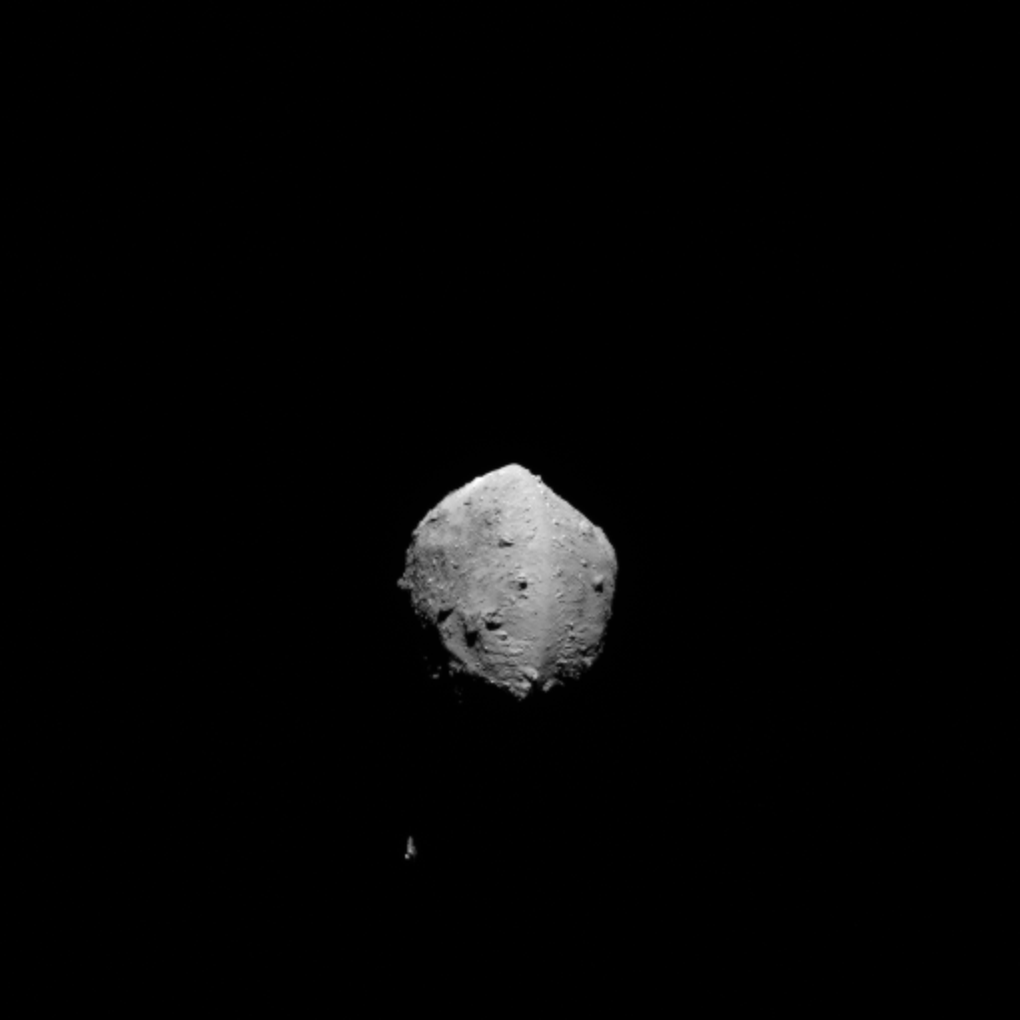
Part of the first test of asteroid deflection. Launched 7 October 2024 on a mission to the binary asteroid system Didymos.
#HeraMission#PlanetaryDefence
🍿Join us live on Wednesday 25 November to see ESA's Hera mission's initial images of asteroid Dimorphos - the 1st body in the Solar System to have had its orbit (& itself) measurably changed by human action!
🛰️🪨🪨
https://t.co/wbv8gKjrv4
Hera science team member, Queen guitarist & all-round Rock Star Sir Brian May has added a new dimension to our Hera spacecraft's survey of the Didymos asteroid via stereoscopic 3D views!
https://t.co/aehCSL3sJ9
ESA's Hera mission has activated its autonomous navigation. The spacecraft slews to Earth to talk to mission control, then turns back to the Didymos asteroids automatically - thanks to its GMV-procured Guidance, Navigation & Control system.
Next year, as Hera gets closer to the asteroids, this 'self-driving' capability will grow absolutely essential!
https://t.co/c86qqtZszi
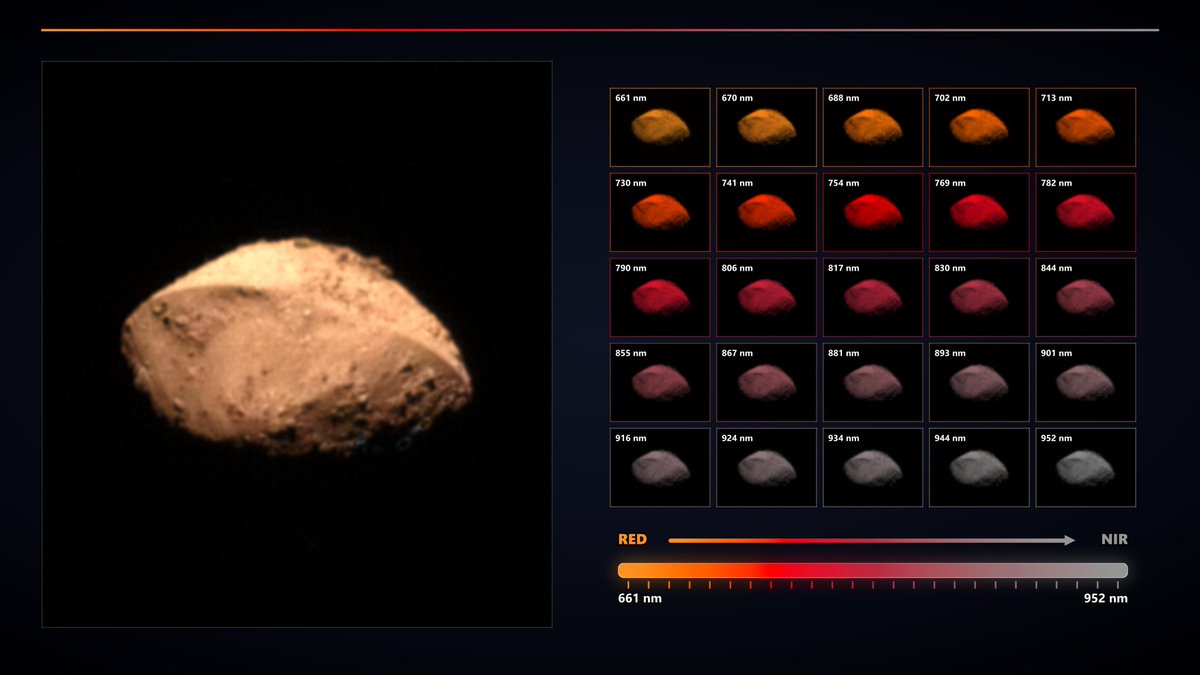
Our Hera mission is now studying asteroid Didymos from just 28.5 km away in visible light and infrared to reveal its surface features, composition and temperature. ☄️
These observations will help us better understand asteroid properties and improve planetary defence.
Read more: https://t.co/LbpC7H0noO
ESA’s Hera mission for planetary defence is surveying its target asteroids with a combination of instruments, peering beyond the limits of the human eye to learn asteroid secrets 🛰️🪨🪨
https://t.co/2lORMpgheF
🛰️🪨🪨Everything you wanted to know about ESA's Hera mission for planetary defence, its target asteroids, its CubeSats & onboard technology - all here in our Hera Media Kit! Read up, then chat about it with our AI!
https://t.co/AGvrEkYoeQ
Our planetary defence mission Hera is about to reveal the first detailed images of asteroid Dimorphos since NASA’s DART impact in 2022.
🗓️ Journalists, join our media briefing on 25 November, in Berlin or online.
Register by 23 November: https://t.co/xjHOCuipf4
We're about to reach a very special asteroid - the first body in the Solar System to have had its orbit measurably shifted by human action - after NASA's DART impacted it. We need to know what happened next - to make Earth safer!
https://t.co/KpoYIU28lr
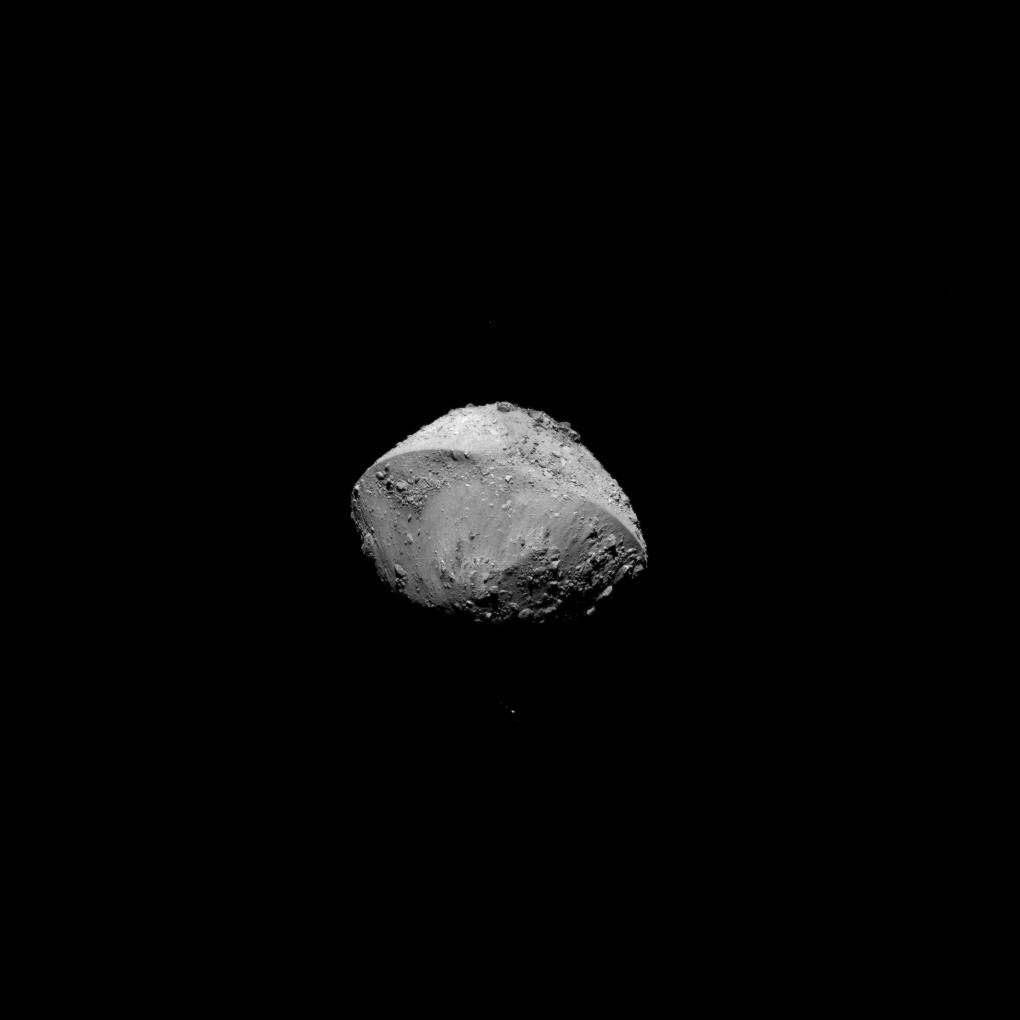
Spot the hidden asteroid! One half of the Didymos binary system is front & centre in this new image from ESA's Hera mission for planetary defence, taken from 56 km away - but can you see the other half, asteroid Dimorphos?
https://t.co/KDOotVbtR6
ESA's Hera mission for planetary defence has begun surveying its target asteroids from 30-25 km away, flying in 'rectangular orbits' around the ultra-low-gravity Didymos and Dimorphos bodies 🛰️🪨🪨https://t.co/QqO5dXSbmM
Our Hera spacecraft includes this infrared TIRI instrument supplied by ISAS/JAXA, acquiring heat maps of the Didymos asteroids, which in turn offers valuable insights into their underlying material properties
Han Solo was wrong! The trick to flying a spaceship around asteroids is going *really* slowly…
🛰️🪨🪨
ESA’s newly-arrived Hera mission is moving at just 12 cm/s around the Didymos binary asteroids, about as rapid as a fast-crawling insect!
This spacecraft selfie🤳from deep space shows the top deck of ESA's Hera asteroid mission🛰️& the sticker with Hera's newly-named dinosaur🦖mascot - meet Chicxu!
https://t.co/tr4bCUkpE1
ESA invites accredited journalists to the Museum für Naturkunde Berlin on Wednesday, 25 November 2026, in person and online.
Leading experts will present the first detailed images of Dimorphos after NASA’s DART impact, acquired by ESA’s newly arrived Hera mission https://t.co/Lh8ORYPQNW
The European Space Agency’s Hera mission for planetary defence has acquired its first close-up of the Didymos binary asteroid system! 🛰️🪨🪨
https://t.co/njlxbN1de4
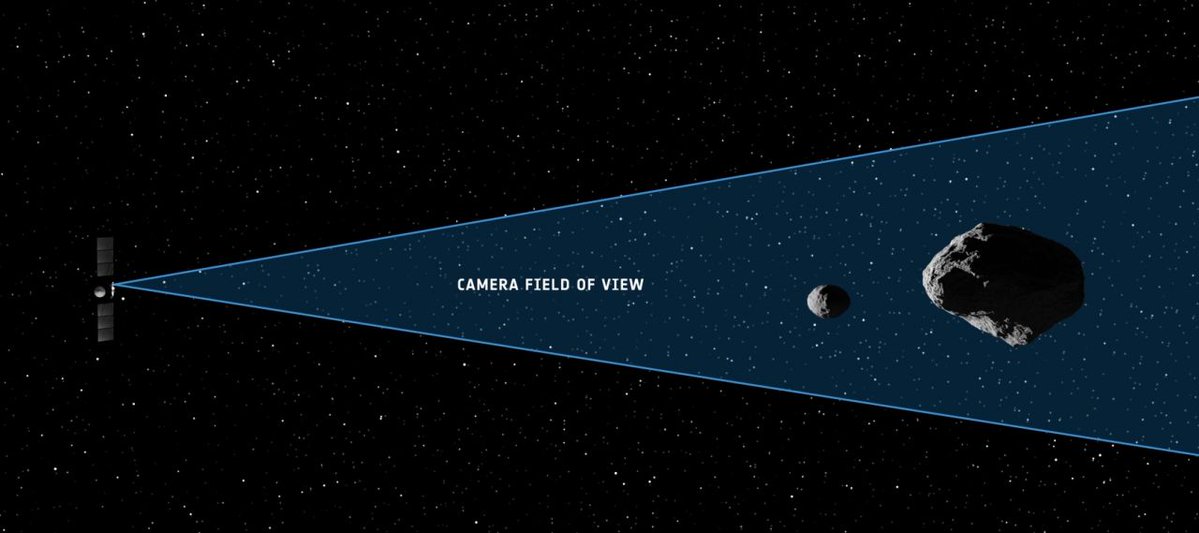
This sequence of images from its main Asteroid Framing Camera shows Hera getting closer to Didymos during October - until the point it can resolve both asteroids clearly https://t.co/njlxbN1de4