𝗪𝗵𝗮𝘁 𝗮𝗿𝗲 𝘁𝗵𝗲 𝗸𝗲𝘆 𝗽𝗿𝗶𝗼𝗿𝗶𝘁𝗶𝗲𝘀 𝗳𝗼𝗿 𝘁𝗵𝗲 𝗳𝘂𝘁𝘂𝗿𝗲 𝗼𝗳 𝗯𝗮𝗻𝗸𝗶𝗻𝗴 𝗶𝗻 𝗘𝘂𝗿𝗼𝗽𝗲?
If you missed Episode 11 of the #ESMLunchTalk, explore the conversation between ESM Chief Economist Rolf Strauch and Maria Luís Albuquerque, Commissioner for Financial Services and the Savings and Investments Union.
They discuss the future of banking in Europe, the key challenges facing the sector, and the steps needed to strengthen competitiveness and support long-term growth. As Commissioner Albuquerque highlights, building a stronger banking sector requires a forward-looking approach and the right framework for the years ahead.
🎧 Listen on Spotify: https://t.co/TW2afwKqQP
🎥 Watch on YouTube: https://t.co/mNK9MN34dh
#ESMeuro
𝗖𝗼𝘂𝗹𝗱 𝘁𝗵𝗲 𝗱𝗶𝗴𝗶𝘁𝗮𝗹 𝗲𝘂𝗿𝗼 𝗴𝗶𝘃𝗲 𝗘𝘂𝗿𝗼𝗽𝗲 𝗮 𝘀𝘁𝗿𝗮𝘁𝗲𝗴𝗶𝗰 𝗮𝗱𝘃𝗮𝗻𝘁𝗮𝗴𝗲 𝗶𝗻 𝗳𝗶𝗻𝗮𝗻𝗰𝗶𝗮𝗹 𝗺𝗮𝗿𝗸𝗲𝘁𝘀?
In this excerpt from the latest #ESMLunchTalk, ESM Chief Economist Rolf Strauch exchanges views with Darrell Duffie, Adams Distinguished Professor of Management and Finance at Stanford University, on how digital innovation is reshaping market infrastructure.
They examine how central bank digital currencies could influence the future of financial markets and how Europe's plans compare with developments in the United States.
🎧 𝗖𝗼𝘂𝗹𝗱 𝘁𝗵𝗲 𝗱𝗶𝗴𝗶𝘁𝗮𝗹 𝗲𝘂𝗿𝗼 𝗯𝗲𝗰𝗼𝗺𝗲 𝗮 𝗰𝗼𝗺𝗽𝗲𝘁𝗶𝘁𝗶𝘃𝗲 𝗮𝗱𝘃𝗮𝗻𝘁𝗮𝗴𝗲 𝗳𝗼𝗿 𝗘𝘂𝗿𝗼𝗽𝗲? 𝗦𝗵𝗮𝗿𝗲 𝘆𝗼𝘂�� 𝘃𝗶𝗲𝘄𝘀 𝗯𝗲𝗹𝗼𝘄. 𝗪𝗮𝘁𝗰𝗵 𝘁𝗵𝗲 𝗲𝘅𝗰𝗲𝗿𝗽𝘁 𝗮𝗻𝗱 𝗱𝗶𝘀𝗰𝗼𝘃𝗲𝗿 𝘁𝗵𝗲 𝗸𝗲𝘆 𝗮𝗿𝗴𝘂𝗺𝗲𝗻𝘁𝘀 𝗳𝗿𝗼𝗺 𝘁𝗵𝗲𝗶𝗿 𝗱𝗶𝘀𝗰𝘂𝘀𝘀𝗶𝗼𝗻.
𝗦𝗽𝗼𝘁𝗶𝗳𝘆: https://t.co/SfktXxujyg
𝗬𝗼𝘂𝗧𝘂𝗯𝗲: https://t.co/XdrB3sgKLn
#ESMeuro
𝗪𝗲𝗮𝗸𝗲𝗿 𝗴𝗿𝗼𝘄𝘁𝗵 𝗮𝗻𝗱 𝗲𝘃𝗲𝗿 𝘀𝘁𝗿𝗼𝗻𝗴𝗲𝗿 𝗱𝗲𝗺𝗮𝗻𝗱 𝗳𝗼𝗿 𝗽𝘂𝗯𝗹𝗶𝗰 𝘀𝘂𝗽𝗽𝗼𝗿𝘁 𝗮𝗿𝗲 𝗽���𝘁𝘁𝗶𝗻𝗴 𝗱𝗲𝗯𝘁 𝘀𝘂𝘀𝘁𝗮𝗶𝗻𝗮𝗯𝗶𝗹𝗶𝘁𝘆 𝘂𝗻𝗱𝗲𝗿 𝗽𝗿𝗲𝘀𝘀𝘂𝗿𝗲, 𝗺𝗮𝗸𝗶𝗻𝗴 𝗱𝗶𝗳𝗳𝗶𝗰𝘂𝗹𝘁 𝗽𝗼𝗹𝗶𝗰𝘆 𝗰𝗵𝗼𝗶𝗰𝗲𝘀 𝘂𝗻𝗮𝘃𝗼𝗶𝗱𝗮𝗯𝗹𝗲.
A recent ESM blog titled "𝘙𝘦𝘴𝘪𝘭𝘪𝘦𝘯𝘤𝘦 𝘶𝘯𝘥𝘦𝘳 𝘴𝘵𝘳𝘢𝘪𝘯: 𝘛𝘩𝘦 𝘦𝘶𝘳𝘰 𝘢𝘳𝘦𝘢 𝘪𝘴 𝘦𝘹𝘱𝘰𝘴𝘦𝘥 𝘵𝘰 𝘳𝘪𝘴𝘬𝘴 𝘧𝘳𝘰𝘮 𝘔𝘪𝘥𝘥𝘭𝘦 𝘌𝘢𝘴𝘵 𝘤𝘰𝘯𝘧𝘭𝘪𝘤𝘵 𝘢𝘯𝘥 𝘜𝘚 𝘢𝘴𝘴𝘦𝘵 𝘮𝘢𝘳𝘬𝘦𝘵𝘴" explores an essential question: can the euro area remain resilient as external risks intensify, and fiscal buffers continue to erode?
In it, ESM Chief Economist @r_strauch discusses the findings of the Euro Area Stability Watch (EASW).
He argues that determined fiscal adjustments will be necessary to preserve the credibility of the European fiscal framework. Otherwise, as past crises have shown, financial markets will increasingly constrain governments' room for manoeuvre, generating uncertainty and instability.
🛎️ 𝗜𝗻 𝗰𝗮𝘀𝗲 𝘆𝗼𝘂 𝗺𝗶𝘀𝘀𝗲𝗱 𝗶𝘁 🛎️ 𝗥𝗲𝗮𝗱 𝗶𝘁 ����𝗼𝘄: https://t.co/EzVprO5wOh
#ESMeuro #EASW
𝗔 𝗰𝗵𝗮𝗹𝗹𝗲𝗻𝗴𝗶𝗻𝗴 𝗺𝗶𝘅 𝗼𝗳 𝗴𝗲𝗼𝗽𝗼𝗹𝗶𝘁𝗶𝗰𝗮𝗹 𝗮𝗻𝗱 𝗳𝗶𝘀𝗰𝗮𝗹 𝗽𝗿𝗲𝘀𝘀𝘂𝗿𝗲𝘀 𝗶𝘀 𝗽𝘂𝘁𝘁𝗶𝗻𝗴 𝘁𝗵𝗲 𝗲𝘂𝗿𝗼 𝗮𝗿𝗲𝗮'𝘀 𝗿𝗲𝘀𝗶𝗹𝗶𝗲𝗻𝗰𝗲 𝘂𝗻𝗱𝗲𝗿 𝘀𝘁𝗿𝗮𝗶𝗻.
Watch as ESM Chief Economist @r_strauch shares key findings from the Euro Area Stability Watch, highlighting the two major risk factors for the euro area.
𝘞𝘩𝘢𝘵 𝘤𝘰𝘶𝘭𝘥 𝘵𝘩𝘦 𝘪𝘮𝘱𝘢𝘤𝘵 𝘣𝘦 𝘪𝘧 𝘣𝘰𝘵𝘩 𝘳𝘪𝘴𝘬𝘴 𝘸𝘦𝘳𝘦 𝘵𝘰 𝘮𝘢𝘵𝘦𝘳𝘪𝘢𝘭𝘪𝘴𝘦?
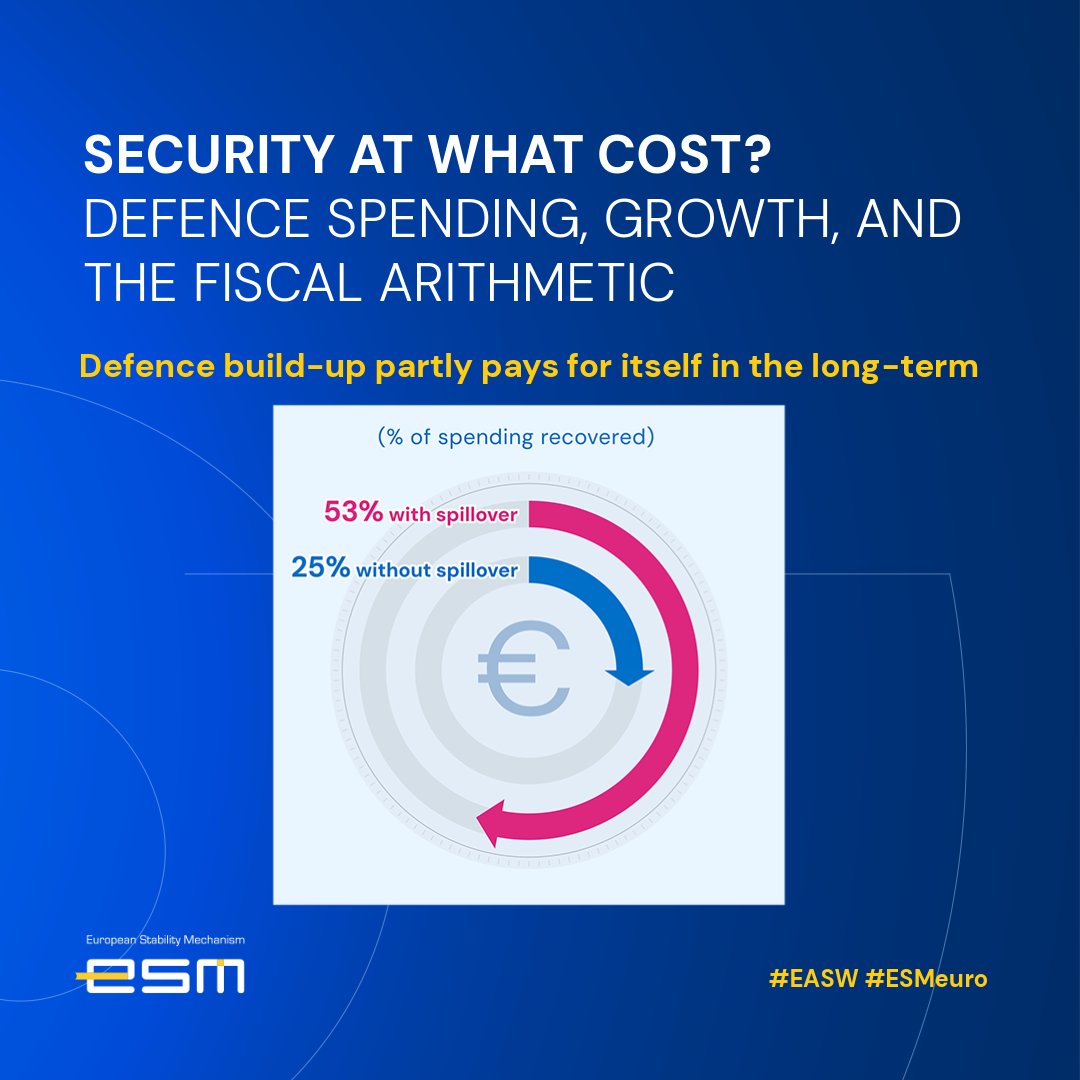
Higher defence spending is essential to strengthen Europe's security, but spending adds to fiscal pressure today. The report shows, however, that these pressures can be mitigated over time.
𝗙𝗶𝘀𝗰𝗮𝗹 𝗰𝗿𝗲𝗱𝗶𝗯𝗶𝗹𝗶𝘁𝘆 𝗮𝗻𝗱 𝘁𝗵𝗲 𝗾𝘂��𝗹𝗶𝘁𝘆 𝗼𝗳 𝗳𝗶𝘀𝗰𝗮𝗹 𝗰𝗵𝗼𝗶𝗰𝗲𝘀 𝘄𝗶𝗹𝗹 𝗯𝗲 𝗸𝗲𝘆.
Spending should be designed effectively and supported by smart public investment and solid budget plans.
🔗 Download the full report: https://t.co/TPm4h29UlY
#ESMeuro #EASW
Earlier this year, the ESM Sovereign Sentiment Survey asked 31 financial market participants active in euro area sovereign bond markets about the most material adverse risks for euro area sovereign bond markets over the next 12 months.
Overall sentiment towards euro area sovereign bonds is broadly positive, but respondents identified the top 5 risks for the euro area sovereign bond market. 👇
1️⃣🌐 Geopolitical tensions
2️⃣📈 Persistent inflation
3️⃣⚖️ Fiscal sustainability concerns
4️⃣📉 Slowdown in economic activity
5️⃣📊 Asset price corrections
Three-quarters of respondents consider a permanent, large-scale EU safe asset somewhat or very important for their investment activities, as it is seen as a tool to finance common public goods.
Curious to learn more about the survey results?
▶️ Read Box 1.5 on page 44 of the ESM Euro Area Stability Watch: https://t.co/rYnhTcIfg8
👉 For the full picture, dive into Chapter 1, here: https://t.co/ZHGUprUzRX
📰 Or read the related blog on Chapter 1: https://t.co/W0tWJIt1Ln
#EASW #ESMeuro
Last weekend, the 14th edition of 𝗪𝗼𝗺𝗲𝗻 𝗶𝗻 𝗘𝗰𝗼𝗻𝗼𝗺𝗶𝗰𝘀 𝗠𝗲𝗻𝘁𝗼𝗿𝗶𝗻𝗴 𝗮𝗻𝗱 𝗡𝗲𝘁𝘄𝗼𝗿𝗸𝗶𝗻𝗴 𝗥𝗲𝘁𝗿𝗲𝗮𝘁 was held in connection with and leading up to the annual the European Economic Association (EEA) ESEM Congress that kicked off on Monday and is hosted at the University of Dublin until today.
Co-led by the UCD School of Economics and UCD Michael Smurfit Graduate Business School, the Congress starts each year with a female focused, economics mentoring and networking retreat on the weekend prior to the event.
This year, ESM Economist Sinem Toraman presented her research on asset purchase programmes affected bilateral exchange rates against the US dollar.
This retreat remains a valuable and key opportunity for early career female economists with positions at academic, research, or public institutions to connect with peers and exchange evolving thoughts, ideas, and perspectives within economics. It also serves to highlight the continued importance and need for mentorship in economics, especially for females.
Read her research, here: Asset purchase programmes and the exchange rate
#ESMeuro
𝗜𝗿𝗲𝗹𝗮𝗻𝗱'𝘀 𝘀𝘂𝗰𝗰𝗲𝘀𝘀 𝘀𝘁𝗼𝗿𝘆 𝘀𝗵𝗼𝘄𝘀 𝘁𝗵𝗮𝘁 𝗿𝗲𝘀𝗶𝗹𝗶𝗲𝗻𝗰𝗲 𝗰𝗮𝗻 𝗯𝗲 𝗯𝘂𝗶𝗹𝘁.
ESM Chief Economist @r_strauch contributed his insights to the European Economic Association (EEA) ESEM Lunch Panel yesterday titled “𝘖𝘱𝘦𝘯 𝘌𝘤𝘰𝘯𝘰𝘮𝘺 𝘙𝘦𝘴𝘪𝘭𝘪𝘦𝘯𝘤𝘦 𝘪𝘯 𝘢 𝘊𝘩𝘢𝘯𝘨𝘪𝘯𝘨 𝘞𝘰𝘳𝘭𝘥: 𝘛𝘩𝘦 𝘊𝘢𝘴𝘦 𝘰𝘧 𝘐𝘳𝘦𝘭𝘢𝘯𝘥” at the University College Dublin. 💻 Read his presentation, “𝘐𝘳𝘦𝘭𝘢𝘯𝘥: 𝘭𝘦𝘴𝘴𝘰𝘯𝘴 𝘧𝘳𝘰𝘮 𝘣𝘶𝘪𝘭𝘥𝘪𝘯𝘨 𝘳𝘦𝘴𝘪𝘭𝘪𝘦𝘯𝘤𝘦,” here: https://t.co/G3LPrc1Nfq
In the case of Ireland, strengthened resilience is shown not only through recovery from crisis, but by improving the capacity to withstand future shocks, as was seen during Brexit and the Covid-19 pandemic.
As the euro area faces significant risks, resilience now requires a comprehensive approach incorporating sound public finances, investment in competitiveness, a strong financial system, and deeper European cooperation.
𝗧𝗵𝗲 𝗾𝘂𝗲𝘀𝘁𝗶𝗼𝗻 𝗶𝘀 𝗻𝗼𝘁 𝘄𝗵𝗲𝘁𝗵𝗲𝗿 𝘁𝗵𝗲 𝗻𝗲𝘅𝘁 𝘀𝗵𝗼𝗰𝗸 𝘄𝗶𝗹𝗹 𝗰𝗼𝗺𝗲; 𝗶𝘁 𝗶𝘀 𝘄𝗵𝗲𝘁𝗵𝗲𝗿 𝘄𝗲 𝘄𝗶𝗹𝗹 𝗯𝗲 𝗿𝗲𝗮𝗱𝘆 𝘄𝗵𝗲𝗻 𝗶𝘁 𝗱𝗼𝗲𝘀.
A special thank you to fellow speakers, European Central Bank’s Sarah Holton, Associate Professor at UCD School of Economics, Oana Peia, Central Bank of Ireland's Robert Kelly, and Daragh Clancy (also Central Bank of Ireland) for expertly moderating yesterday’s discussion.
#ESMeuro
𝗗𝗶𝗱 𝘆𝗼𝘂 𝗸𝗻𝗼𝘄 𝘁𝗵𝗮𝘁 𝗻𝗲𝗮𝗿𝗹𝘆 𝗵𝗮𝗹𝗳 (𝟰𝟲%) 𝗼𝗳 𝗲𝘂𝗿𝗼 𝗮𝗿𝗲𝗮 𝗽𝗼𝗿𝘁𝗳𝗼𝗹𝗶𝗼 𝗶𝗻𝘃𝗲𝘀𝘁𝗺𝗲𝗻𝘁𝘀 𝗮𝗿𝗲 𝗶𝗻 𝗨𝗦 𝗮𝘀𝘀𝗲𝘁𝘀?
As we speak, geopolitical tensions, energy disruptions, and fragilities in US financial markets are ���𝘦𝘴𝘩𝘢𝘱𝘪𝘯𝘨 𝘵𝘩𝘦 𝘳𝘪𝘴𝘬 𝘭𝘢𝘯𝘥𝘴𝘤𝘢𝘱𝘦.
The 1st edition of the ESM 𝗘𝘂𝗿𝗼 𝗔𝗿𝗲𝗮 𝗦𝘁𝗮𝗯𝗶𝗹𝗶𝘁𝘆 𝗪𝗮𝘁𝗰𝗵 publication looks closely at the implications of this changing risk landscape as it affects growth, inflation, and financing conditions for countries.
Curious to learn how greater US equity exposure increases spillover risks for euro area funds?
👉 Dive into Chapter 1, here: https://t.co/aF1a89zYKm
📰 Read the related blog on Chapter 1: https://t.co/hDWFIHPgYQ
🔖 Or bookmark & download the full report: https://t.co/PiWsCGywhj
#EASW #ESMeuro
As discussions on Europe's defence investments continue, our latest publication, Euro Area Stability Watch, explores a key question: 𝗛𝗼𝘄 𝗺𝘂𝗰𝗵 𝗰𝗮𝗻 𝗱𝗲𝗳𝗲𝗻𝗰𝗲 𝘀𝗽𝗲𝗻𝗱𝗶𝗻𝗴 𝗰𝗼𝗻𝘁𝗿𝗶𝗯𝘂𝘁𝗲 𝘁𝗼 𝗲𝗰𝗼𝗻𝗼𝗺𝗶𝗰 𝗴𝗿𝗼𝘄𝘁𝗵, 𝗽𝗿𝗼𝗱𝘂𝗰𝘁𝗶𝘃𝗶𝘁𝘆, 𝗮����𝗱 𝗶𝗻𝗻𝗼𝘃𝗮𝘁𝗶𝗼𝗻 𝗯𝗲𝘆𝗼𝗻𝗱 𝗶𝘁𝘀 𝘀𝗲𝗰𝘂𝗿𝗶𝘁𝘆 𝗼𝗯𝗷𝗲𝗰𝘁𝗶𝘃𝗲𝘀?
Chapter 2 of the 𝗘𝘂𝗿𝗼 𝗔𝗿𝗲𝗮 𝗦𝘁𝗮𝗯𝗶𝗹𝗶𝘁𝘆 𝗪𝗮𝘁𝗰𝗵 explores how defence spending can boost productivity, innovation, and economic activity beyond the defence sector.
Our analysis examines the conditions under which higher defence spending can generate macroeconomic benefits and reduce its effective fiscal cost over time.
📖 Haven't read it yet? Explore Chapter 2: Security at what cost? https://t.co/Ft59ESZZcY
🔖 Download the full report: https://t.co/duQbUwT6GQ
#ESMeuro #EASW
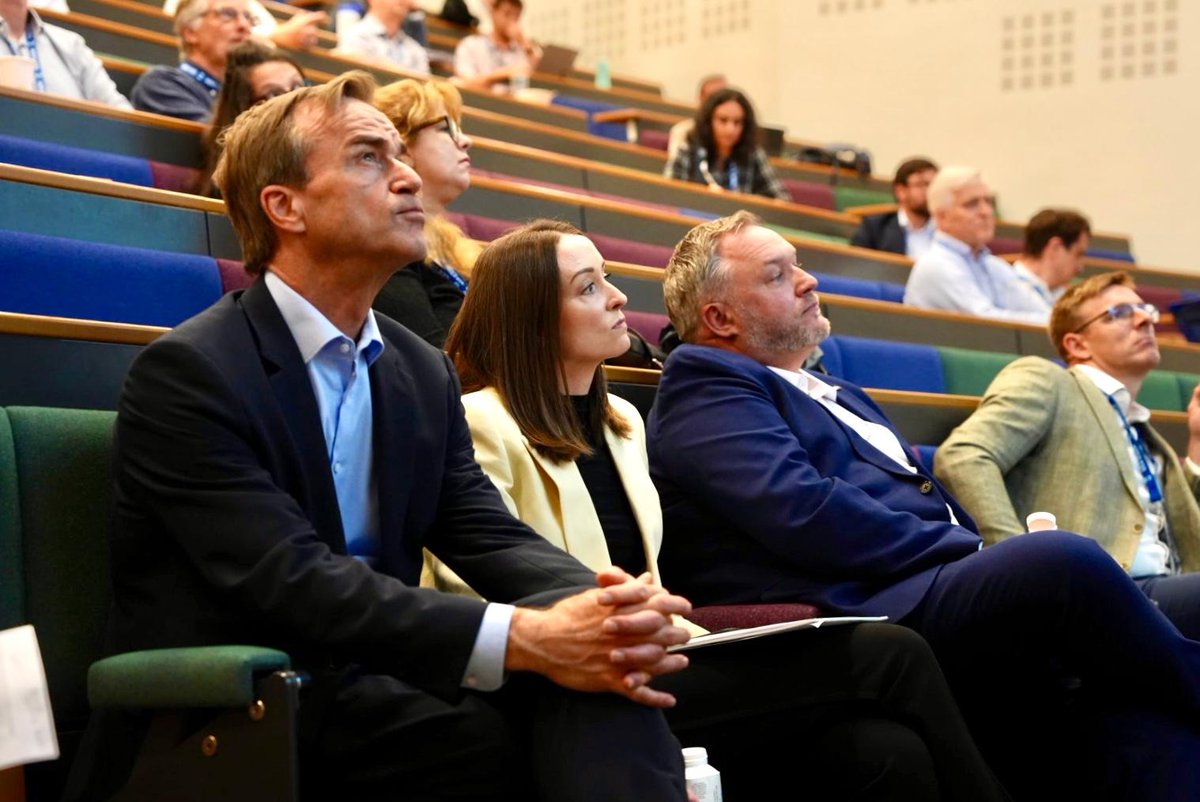
Today ESM Chief Economist @r_strauch led the ESM's EEA ESEM panel discussion titled "𝘌𝘶𝘳𝘰𝘱𝘦’𝘴 𝘋𝘦𝘧𝘦𝘯𝘤𝘦 𝘉𝘶𝘪𝘭𝘥-𝘜𝘱: 𝘔𝘢𝘤𝘳𝘰𝘦𝘤𝘰𝘯𝘰𝘮𝘪𝘤, 𝘍𝘪𝘴𝘤𝘢𝘭, 𝘢𝘯𝘥 𝘍𝘪𝘯𝘢𝘯𝘤𝘪𝘢𝘭 𝘚𝘵𝘢𝘣𝘪𝘭𝘪𝘵𝘺 𝘊𝘩𝘢𝘭𝘭𝘦𝘯𝘨𝘦𝘴" on Day 1 of the 41st Meeting of the European Economic Association (EEA) ESEM at University College Dublin.
The discussion focused on the economic and fiscal implications of Europe’s defence build-up, highlighting how well-targeted defence investment can strengthen productivity, innovation, and long-term growth.
Chaired by Il Sole 24 Ore’s Isabella Bufacchi and speaking alongside Member of the European Central Bank's Executive Board, Philip R., and London Business School Lord Raj Bagri Professor of Economics, Hélène Rey, Mr. Strauch explored the importance of designing defence spending within a credible fiscal framework and how greater European coordination in financing and procurement can help maximise benefits while supporting financial stability across the EU.
👉 Read his full presentation: https://t.co/21xd2BDr82
This presentation is based on the 2026 Euro Area Stability Watch, Chapter 2: https://t.co/yxmc2TUO8v and the related ESM blog: https://t.co/zR2BaXDFwA
Curious to know more about the event and all its speakers?
Take a look at the programme here: https://t.co/fCzTUgqxkj
#ESMeuro
𝗖𝗮𝗻 𝗘𝘂𝗿𝗼𝗽𝗲 𝗯𝗼𝗼𝘀𝘁 𝗱𝗲𝗳𝗲𝗻𝗰𝗲 𝘀𝗽𝗲𝗻𝗱𝗶𝗻𝗴 𝘄𝗶𝘁𝗵𝗼𝘂𝘁 𝘂𝗻𝗱𝗲𝗿𝗺𝗶𝗻𝗶𝗻𝗴 𝗶𝘁𝘀 𝗽𝘂𝗯𝗹𝗶𝗰 𝗳𝗶𝗻𝗮𝗻𝗰𝗲𝘀?
In a new ESM Blog, economists Alexandre Lauwers, Vasiliki Michou, Lorenzo Ricci, and Luca Zavalloni examine the economic and fiscal implications of Europe's rising defence spending commitments.
The analysis shows that while increasing defence spending towards 3.5% of GDP could cost the euro area an additional €45 billion annually through 2035, the fiscal arithmetic is not as straightforward as it may seem.
Drawing on new firm-level research, the blog finds that defence companies are highly productive, innovation-intensive, and deeply connected to euro area supply chains. As a result, higher defence investment can support growth, boost productivity, and generate additional tax revenues.
🔗Read the full blog: https://t.co/agF2PaIehK
#ESMeuro
𝗖𝗼𝘂𝗹𝗱 𝗱𝗲𝗲𝗽𝗲𝗿 𝗳𝗶𝗻𝗮𝗻𝗰𝗶𝗮𝗹 𝗶𝗻𝘁𝗲𝗴𝗿𝗮𝘁𝗶𝗼𝗻 𝘀𝘁���𝗲𝗻𝗴𝘁𝗵𝗲𝗻 𝗘𝘂𝗿𝗼𝗽𝗲'𝘀 𝗽𝗼𝘀𝗶𝘁𝗶𝗼𝗻 𝗶𝗻 𝘁𝗵𝗲 𝗴𝗹𝗼𝗯𝗮𝗹 𝗲𝗰𝗼𝗻𝗼𝗺𝘆?
In the latest #ESMLunchTalk, ESM Chief Economist Rolf Strauch talks with Darrell Duffie, Adams Distinguished Professor of Management and Finance at Stanford University, about the future of European capital markets, the euro's international role and its impact on financial stability.
A key takeaway from their conversation: strengthening a European safe asset could play a crucial role in boosting Europe's appeal to global investors and enhancing the euro's international standing.
🎧 𝗪𝗵𝗮𝘁 𝗿𝗼𝗹𝗲 𝘀𝗵𝗼𝘂𝗹𝗱 𝗘𝘂𝗿𝗼𝗽𝗲 𝗽𝗹𝗮��� 𝗶𝗻 𝘁𝗵𝗲 𝗳𝘂𝘁𝘂𝗿𝗲 𝗼𝗳 𝗴𝗹𝗼𝗯𝗮𝗹 𝗳𝗶𝗻𝗮𝗻𝗰𝗲? 𝗟𝗲𝘁 𝘂𝘀 𝗸𝗻𝗼𝘄 𝗯𝗲𝗹𝗼𝘄! 𝗝𝗼𝗶𝗻 𝘁𝗵𝗲 𝗰𝗼𝗻𝘃𝗲𝗿𝘀𝗮𝘁𝗶𝗼𝗻 𝗮𝗻𝗱 𝘄𝗮𝘁𝗰𝗵 𝘁𝗵𝗲 𝗳𝘂𝗹𝗹 𝗲𝗽𝗶𝘀𝗼𝗱𝗲:
𝗦𝗽𝗼𝘁𝗶𝗳𝘆: https://t.co/4dGUWoOhdJ
𝗬𝗼𝘂𝗧𝘂𝗯𝗲: https://t.co/JST75Vy90d
#ESMeuro
Europe has successfully weathered multiple shocks in recent years, but rising global geopolitical tensions are emerging as the biggest economic risk. 𝗔𝗻𝗱 𝗰𝗼���𝗯𝗶𝗻𝗲𝗱 𝘀𝗵𝗼𝗰𝗸𝘀 𝗰𝗮𝗻 𝗽𝘂𝘀𝗵 𝘁𝗵𝗲 𝗲𝘂𝗿𝗼 𝗮𝗿𝗲𝗮 𝘁𝗼𝘄𝗮𝗿𝗱𝘀 𝗿𝗲𝗰𝗲𝘀𝘀𝗶𝗼𝗻, 𝘄𝗶𝘁𝗵 𝗶𝗻𝗳𝗹𝗮𝘁𝗶𝗼𝗻 𝘀𝗼𝗮𝗿𝗶𝗻𝗴.
In our latest publication on macro-financial risks to the euro area economy, the 𝗘𝘂𝗿𝗼 𝗔𝗿𝗲𝗮 𝗦𝘁𝗮𝗯𝗶𝗹𝗶𝘁𝘆 𝗪𝗮𝘁𝗰𝗵, our analysis illustrates an adverse scenario of re-escalated Middle East tensions and consequent US asset price correction.
With nearly half of euro area global portfolio investments in US assets, a sharp correction in US markets would tighten financial conditions in Europe and spill over quickly through wealth effects and raising risk premia.
👉 Dive into the detail by reading Chapter 1 of the 𝗘𝘂𝗿𝗼 𝗔𝗿𝗲𝗮 𝗦𝘁𝗮𝗯𝗶𝗹𝗶𝘁𝘆 𝗪𝗮𝘁𝗰𝗵, here: https://t.co/wiAfco4H5Q
📰 Read the related blog on Chapter 1: https://t.co/1hHOivw5pA
🔖 Bookmark & download the full report: https://t.co/zhr51wDXoh
#EASW #ESMeuro
𝗜𝗻 𝗰𝗮𝘀𝗲 𝘆𝗼𝘂 𝗺𝗶𝘀𝘀𝗲𝗱 𝗶𝘁, 𝗖𝗵𝗮𝗽𝘁𝗲𝗿 𝟭 𝗼𝗳 𝘁𝗵𝗲 𝗘𝘂𝗿𝗼 𝗔𝗿𝗲𝗮 𝗦𝘁𝗮𝗯𝗶𝗹𝗶𝘁𝘆 𝗪𝗮𝘁𝗰𝗵 𝘁𝗮𝗸𝗲𝘀 𝗮 𝗰𝗹𝗼𝘀𝗲𝗿 𝗹𝗼𝗼𝗸 𝗮𝘁 𝘁𝗵𝗲 𝗿𝗶𝘀𝗸𝘀 𝘀𝗵𝗮𝗽𝗶𝗻𝗴 𝘁𝗵𝗲 𝗲𝘂𝗿𝗼 𝗮𝗿𝗲𝗮 𝗼𝘂𝘁𝗹𝗼𝗼𝗸.
The ESM’s publication on macro-financial risks to the euro area economy, the Euro Area Stability Watch, takes a closer look in Chapter 1 at how prolonged geopolitical tensions and a possible re-escalation in the Middle East could push energy prices higher and keep uncertainty elevated.
Higher energy prices and elevated uncertainty affect the economy through several mutually reinforcing channels, weighing on confidence, investment and financial conditions.
📰 Read the related blog on Chapter 1: https://t.co/sHAZDVGa16
🔖 Download the full report: https://t.co/CvK9ePBcle
#EASW #ESMeuro
𝗢𝗻 𝗜𝗻𝘁𝗲𝗿𝗻𝗮𝘁𝗶𝗼𝗻𝗮𝗹 𝗬𝗼𝘂𝘁𝗵 𝗗𝗮𝘆, 𝘄𝗲 𝗰𝗲𝗹𝗲𝗯𝗿𝗮𝘁𝗲 𝘁𝗵𝗲 𝗶𝗺𝗽𝗼𝗿𝘁𝗮𝗻𝗰𝗲 𝗼𝗳 𝗰𝗿𝗲𝗮𝘁𝗶𝗻𝗴 𝗼𝗽𝗽𝗼𝗿𝘁𝘂𝗻𝗶𝘁𝗶𝗲𝘀 𝘁𝗵𝗮𝘁 𝗵𝗲𝗹𝗽 𝘁𝗵𝗲 𝗻𝗲𝘅𝘁 𝗴𝗲𝗻𝗲𝗿𝗮𝘁𝗶𝗼𝗻 𝗱𝗲𝘃𝗲𝗹𝗼𝗽 𝘁𝗵𝗲𝗶𝗿 𝘀𝗸𝗶𝗹𝗹𝘀 𝗮𝗻𝗱 𝗳𝘂𝗹𝗳𝗶𝗹 𝘁𝗵𝗲𝗶𝗿 𝗽𝗼𝘁𝗲𝗻𝘁𝗶𝗮𝗹.
Empowering young people to learn, grow and contribute is essential to helping them succeed and make a meaningful impact.
At the European Stability Mechanism, our traineeship programme is one way we do this: by giving students and recent graduates the opportunity to apply the knowledge acquired during their studies in a professional environment, gain valuable insights into the ESM’s activities and contribute to our mandate.
📢 𝗜𝗳 𝘆𝗼𝘂 𝗮𝗿𝗲 𝗹𝗼𝗼𝗸𝗶𝗻𝗴 𝗳𝗼𝗿 𝗼𝗽𝗽𝗼𝗿𝘁𝘂𝗻𝗶𝘁𝗶𝗲𝘀:
𝗖𝗹𝗶𝗺𝗮𝘁𝗲 𝗥𝗲𝘀𝗲𝗮𝗿𝗰𝗵 𝗧𝗿𝗮𝗶𝗻𝗲𝗲 in the Chief Economist’s Department
Application deadline: 13 August
𝗟𝗲𝗴𝗮𝗹 𝗧𝗿𝗮𝗶𝗻𝗲𝗲
Application deadline: 21 August
𝗙𝗶𝗻𝗮𝗻𝗰𝗶𝗮𝗹 𝗦𝗲𝗰𝘁𝗼𝗿 𝗮𝗻𝗱 𝗠𝗮𝗿𝗸𝗲𝘁 𝗔𝗻𝗮𝗹𝘆𝘀𝗶𝘀 𝗧𝗿𝗮𝗶𝗻𝗲𝗲
Application deadline: 7 September
Explore our open traineeship opportunities and apply now: https://t.co/KmFUybrLUg
𝗟𝗼𝗼𝗸𝗶𝗻𝗴 𝗳𝗼𝗿 𝘀𝗼𝗺𝗲𝘁𝗵𝗶𝗻𝗴 𝗺𝗼𝗿𝗲 𝘀𝘂𝗯𝘀𝘁𝗮𝗻𝘁𝗶𝗮𝗹 𝘁𝗼 𝗿𝗲𝗮𝗱 𝗼𝘃𝗲𝗿 𝘁𝗵𝗲 𝘀𝘂𝗺𝗺𝗲𝗿? 𝗧𝗿𝘆 𝘁𝗵𝗲 𝗘𝗦𝗠’𝘀 𝗘𝘂𝗿𝗼 𝗔𝗿𝗲𝗮 𝗦𝘁𝗮𝗯𝗶𝗹𝗶𝘁𝘆 𝗪𝗮𝘁𝗰𝗵.
Chapter 1 examines how prolonged geopolitical tensions and a potential repricing of US assets could affect the euro area economy, financial markets, and public finances.
The findings show that the euro area enters this period of heightened uncertainty with strengths, including a robust labour market, a resilient banking sector, and a stronger institutional framework. At the same time, the analysis highlights vulnerabilities linked to energy dependence, fiscal pressures, and close financial ties with global markets.
📖𝗥𝗲𝗮𝗱 𝗖𝗵𝗮𝗽𝘁𝗲𝗿 𝟭 𝗮𝗻𝗱 𝗲𝘅𝗽𝗹𝗼𝗿𝗲 𝘁𝗵𝗲 𝗳𝘂𝗹𝗹 𝗿𝗲𝗽𝗼𝗿𝘁:
https://t.co/xeutE4fItI
📌 𝗗𝗶𝗱 𝘆𝗼𝘂 𝗺𝗶𝘀𝘀 𝗘𝗽𝗶𝘀𝗼𝗱𝗲 𝟭𝟭 𝗼𝗳 #𝗘𝗦𝗠𝗟𝘂𝗻𝗰𝗵𝗧𝗮𝗹𝗸?
🎙️𝗟𝗶𝘀𝘁𝗲𝗻 ��𝗼 𝘁𝗵𝗲 𝗳𝘂𝗹𝗹 𝗱𝗶𝘀𝗰𝘂𝘀𝘀𝗶𝗼𝗻 𝗯𝗲𝗹𝗼𝘄.
In this episode, European Commissioner for Financial Services and the Savings and Investments Union Maria Luís Albuquerque joins ESM Chief Economist Rolf Strauch for an insightful discussion on Europe's path towards a true Savings and Investments Union.
From capital markets integration to investment and innovation, their conversation explores some of the key challenges and opportunities shaping Europe's financial future.
𝗦𝗽𝗼𝘁𝗶𝗳𝘆: https://t.co/cOmIq1YxXI
𝗬𝗼𝘂𝗧𝘂𝗯𝗲: https://t.co/3j6BrVvBro
#ESMeuro
▶️𝗘𝗽𝗶𝘀𝗼𝗱𝗲 𝟭𝟮 𝗼𝗳 𝘁𝗵𝗲 #𝗘𝗦𝗠𝗟𝘂𝗻𝗰𝗵𝗧𝗮𝗹𝗸 𝗶𝘀 𝗼𝘂𝘁!
What will it take for sovereign bond markets to remain resilient in an era of geopolitical fragmentation and technological change?
In our latest episode, ESM Chief Economist @r_strauch and Darrell Duffie, Adams Distinguished Professor of Management and Finance at Stanford University, explore some of the most pressing questions facing global financial markets.
The conversation covers the resilience of the US Treasury market, the evolving international role of the euro, and the conditions Europe needs to strengthen its position in global financial markets.
They also explore the future of digital finance, including tokenisation and central bank digital currencies, and their potential to enhance the efficiency and stability of sovereign bond markets.
🎧🎥 𝗟𝗶𝘀𝘁𝗲𝗻 𝗻𝗼𝘄 𝗮𝗻𝗱 𝘀𝗵𝗮𝗿𝗲 𝘆𝗼𝘂𝗿 𝗽𝗲𝗿𝘀𝗽𝗲𝗰𝘁𝗶𝘃𝗲: 𝗪𝗵����𝗰𝗵 𝗱𝗲𝘃𝗲𝗹𝗼𝗽𝗺𝗲𝗻𝘁𝘀 𝗮𝗿𝗲 𝗹𝗶𝗸𝗲𝗹𝘆 𝘁𝗼 𝗵𝗮𝘃𝗲 𝘁𝗵𝗲 𝗯𝗶𝗴𝗴𝗲𝘀𝘁 𝗶𝗺𝗽𝗮𝗰𝘁 𝗼𝗻 𝘀𝗼𝘃𝗲𝗿𝗲𝗶𝗴𝗻 𝗱𝗲𝗯𝘁 𝗺𝗮𝗿𝗸𝗲𝘁𝘀 𝗶𝗻 𝘁𝗵𝗲 𝘆𝗲𝗮𝗿𝘀 𝗮𝗵𝗲𝗮𝗱?
𝗦𝗽𝗼𝘁𝗶𝗳𝘆: https://t.co/v9xtMFnHo9
𝗬𝗼𝘂𝗧𝘂𝗯𝗲: https://t.co/jOxvKKFqmt