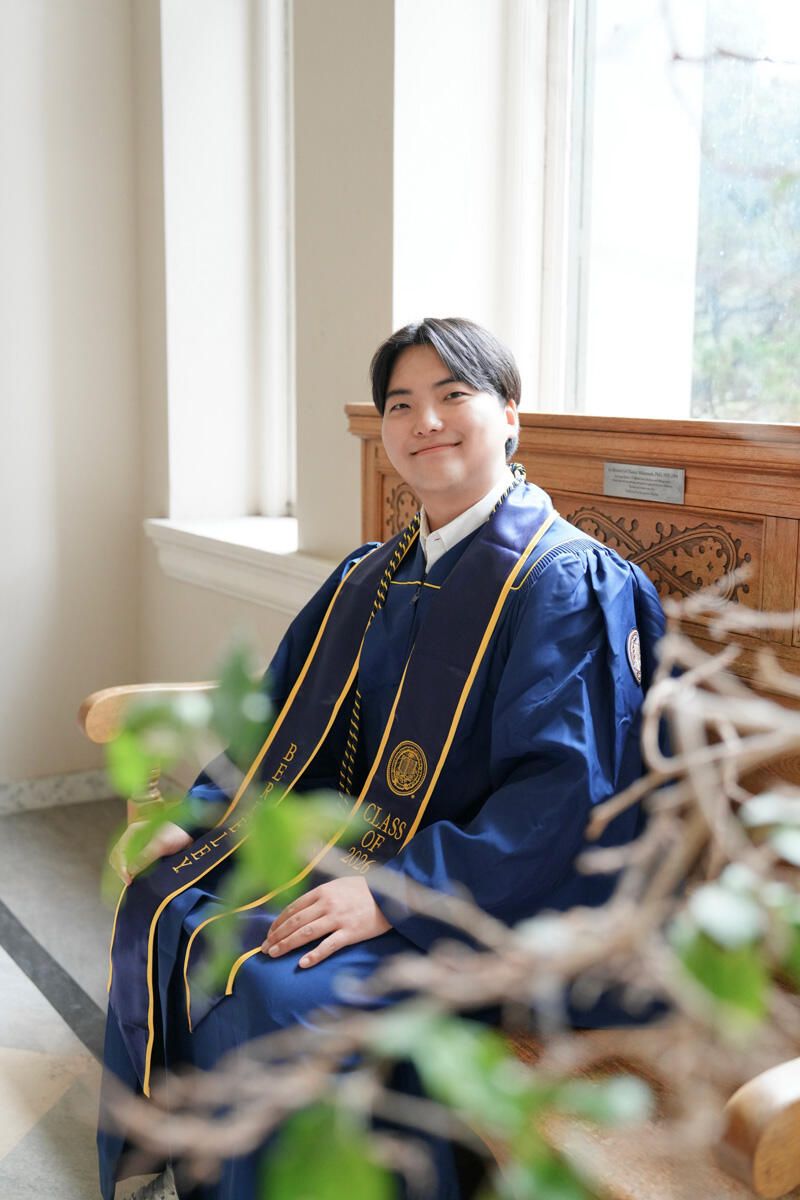
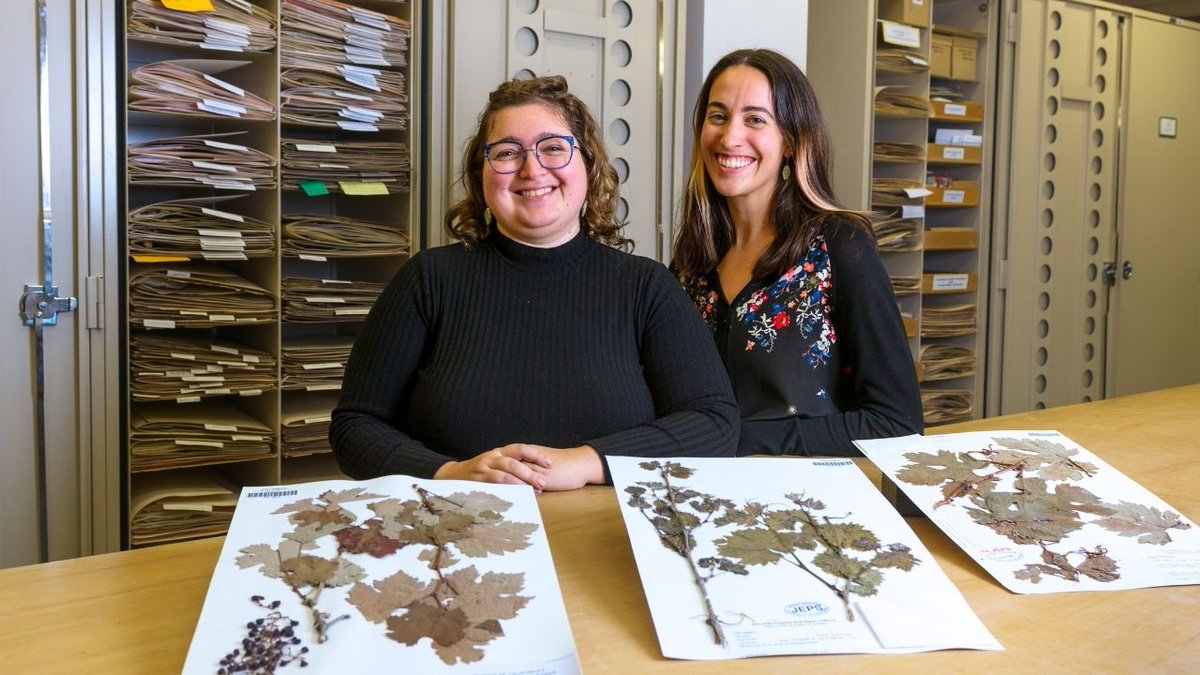
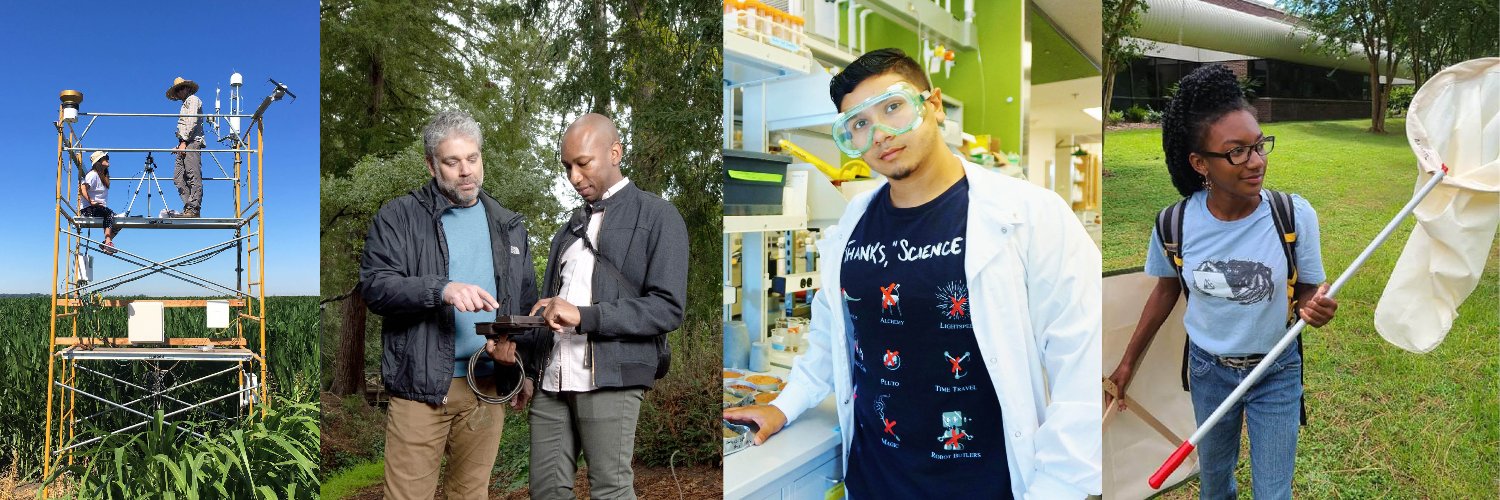
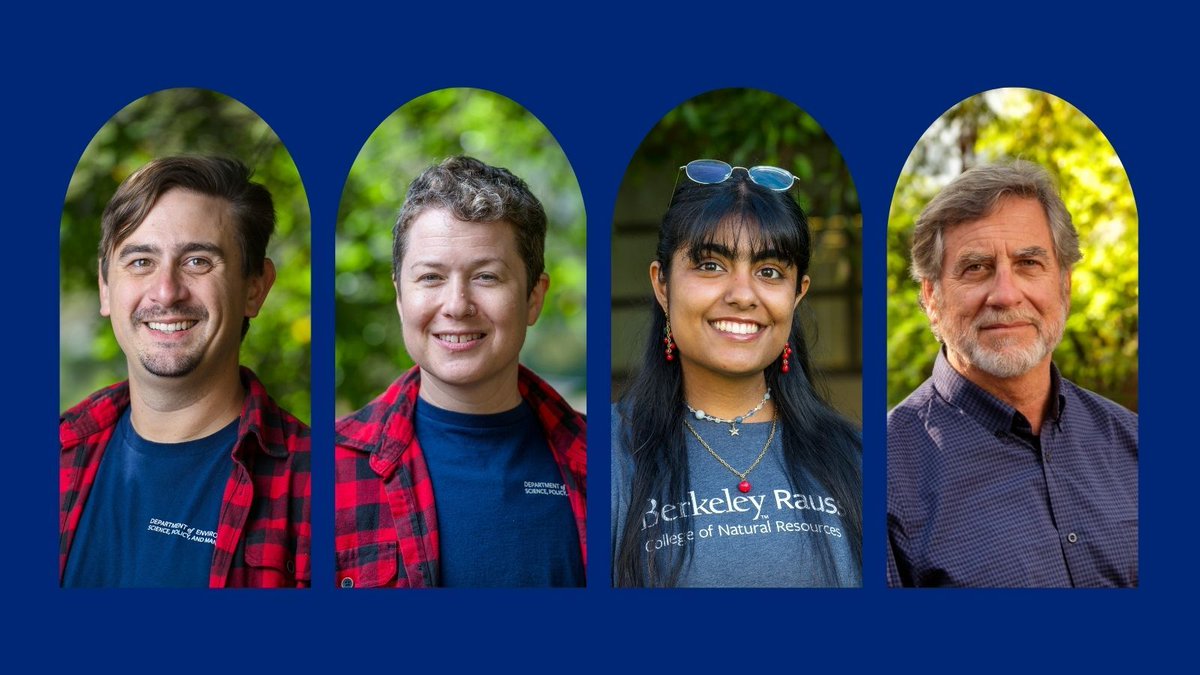
Congratulations to Celeste Basken, Ella Giguere, Joohwan Yoo, and Connie Zhang on receiving the 2026 Kenneth L. Babcock Prize in Environmental Science, which recognizes exceptional academic achievement by graduating ESPM students. Learn more: https://t.co/ehBNMKX8dN
An ongoing Oakland Museum of California exhibit organized in collaboration with Native fire practitioners, artists, cultural leaders, and ecologists—including ESPM's Peter Nelson—details how Native communities across Northern California use fire as a tool. https://t.co/UxUYvE4tAl
The human ear can only decipher a fraction of the sounds around us. New technology now gives everyone from musicians to scientists—like Professor Damian Elias, who studies how jumping spiders communicate by drumming on solid surfaces—a chance to listen in. https://t.co/YmXhcuU1aX
Support the ESPM graduate students who are advancing research in conservation, climate justice, and sustainability during #CalBigGive. From now until 9 pm, the first 20 gifts of any size will help us unlock matching funds. Give today: https://t.co/M432urvQTc
Chytrid fungus has driven roughly 90 amphibian species to extinction and pushed more than 500 into decline. “Once you start taking species out of ecosystems, it has cascading, catastrophic effects," Professor Bree Rosenblum tells @CNN. https://t.co/R9ljGACuQ2
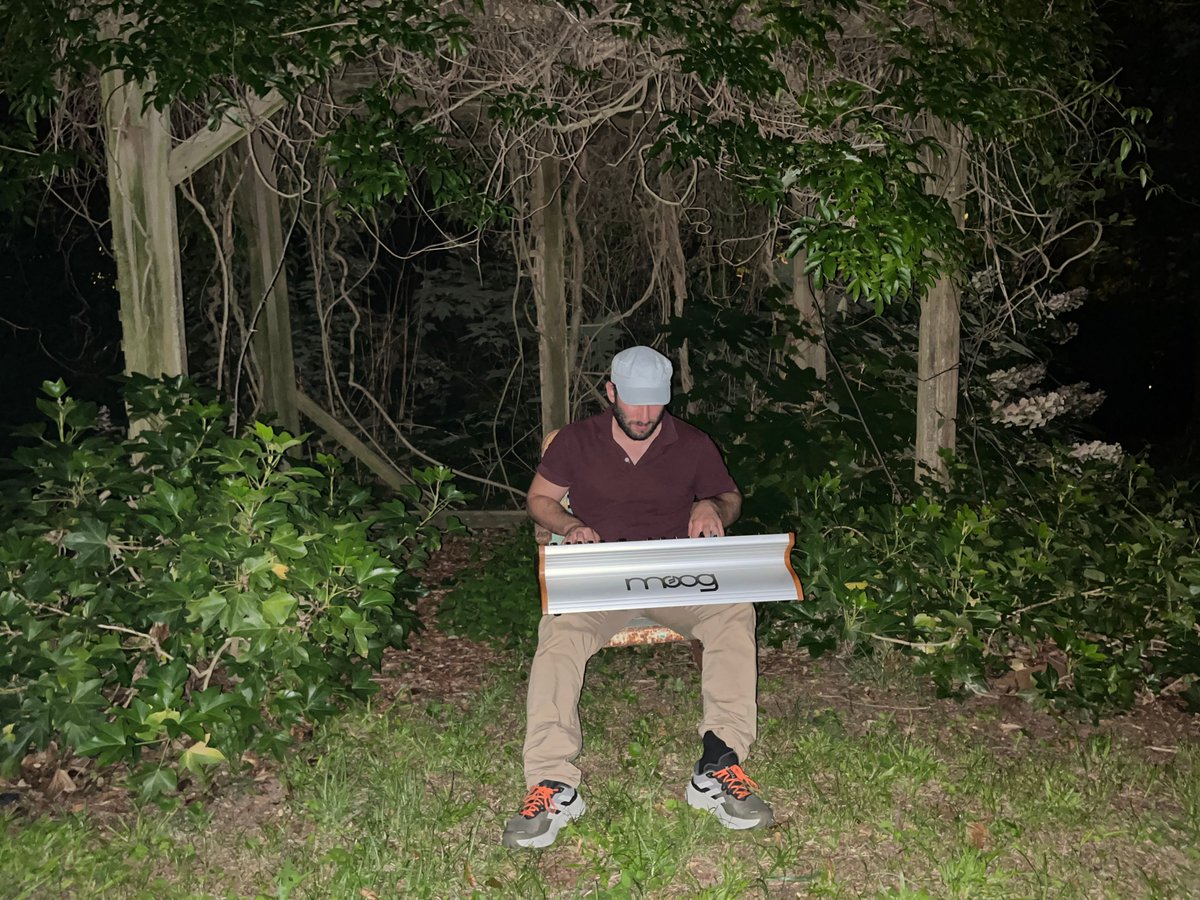
Postdoctoral researcher Diego Ellis Soto spoke to Seattle NPR affiliate KUOW about how combining his academic research with his passion for music offers him a fresh way to think about nature in motion. Listen to his full conversation on "The Wild." https://t.co/v8D3xSipQL
Assistant Professor Alejandra Echeverri and alum Becky Chaplin-Kramer, PhD '10, join a @ucsantabarbara-led team who say Earth science information can do more than quantify the instrumental or monetary value of nature—it can also measure social good. https://t.co/GH1dLKP9eb
ICYMI: Cooperative Extension Professor Kristen Shive and collaborators at @nature_org and the U.S. Forest Service find that wildfires could be leveraged to increase forest resilience to future high-severity fires across the West. Read more about the study: https://t.co/evYRboHLQD
WATCH: Beyond Yellowstone Research Director Kristin Barker and colleagues at the Stone Center for Environmental Stewardship spoke with @WyomingPBS about their collaborative work to improve migration corridors in the state. https://t.co/FRSmFvS2I8
A California company has become the first commercial manufacturer of dowel-laminated timber in the state, drawing on research from @ESPM_Berkeley and CED Professor Paul Mayencourt's lab to transform waste wood in forests into construction-ready panels. https://t.co/cPJXYpZpg7
Congratulations to advisors Ryann Madden and Zarah Ersoff, undergraduate Sanya Sitlani, and Professor Daniel Portnoy, who were honored earlier this month with 2025 Excellence in Advising and Student Services awards. Learn more about the recognition: https://t.co/ZvkkrrHKEO
Since November, @ESPM_Berkeley alum Chandra Richards (PhD '16) has worked to strengthen partnerships and share trusted science with farmers and community members across San Diego and Imperial counties. Learn more about her work with @ucanr: https://t.co/vbXzciAwBm
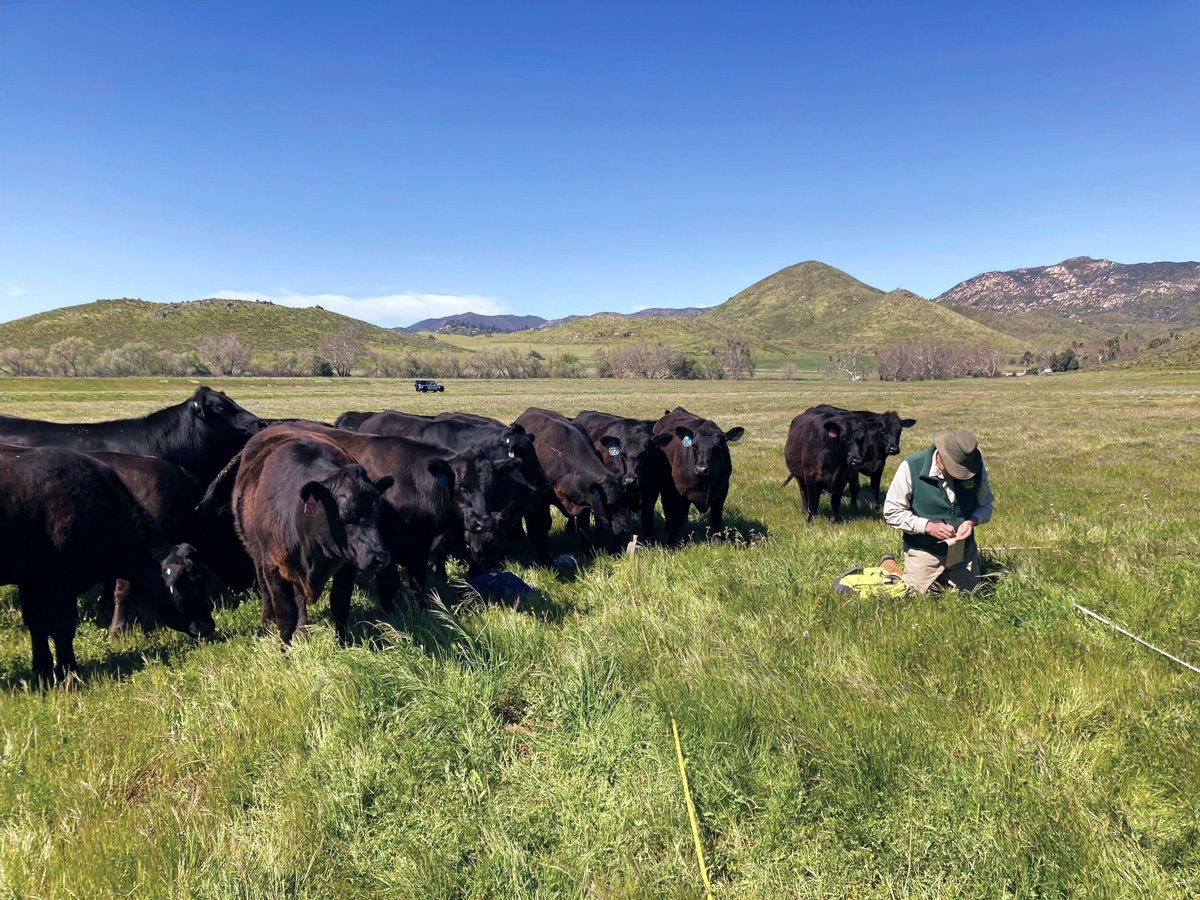
Across California, Rausser College faculty are studying how to balance the environmental benefits of grazing animals with the emissions impacts associated with agriculture. Read more about these efforts in Breakthroughs magazine: https://t.co/rzqifleb5b
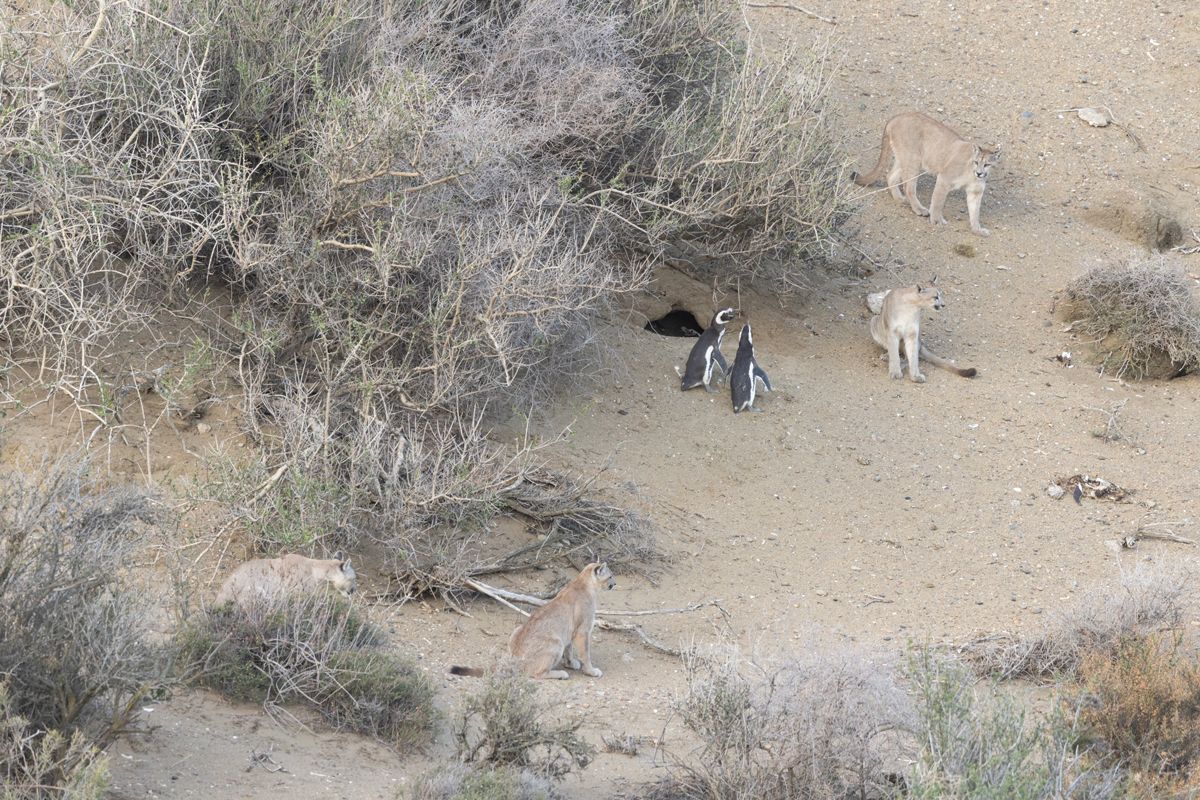
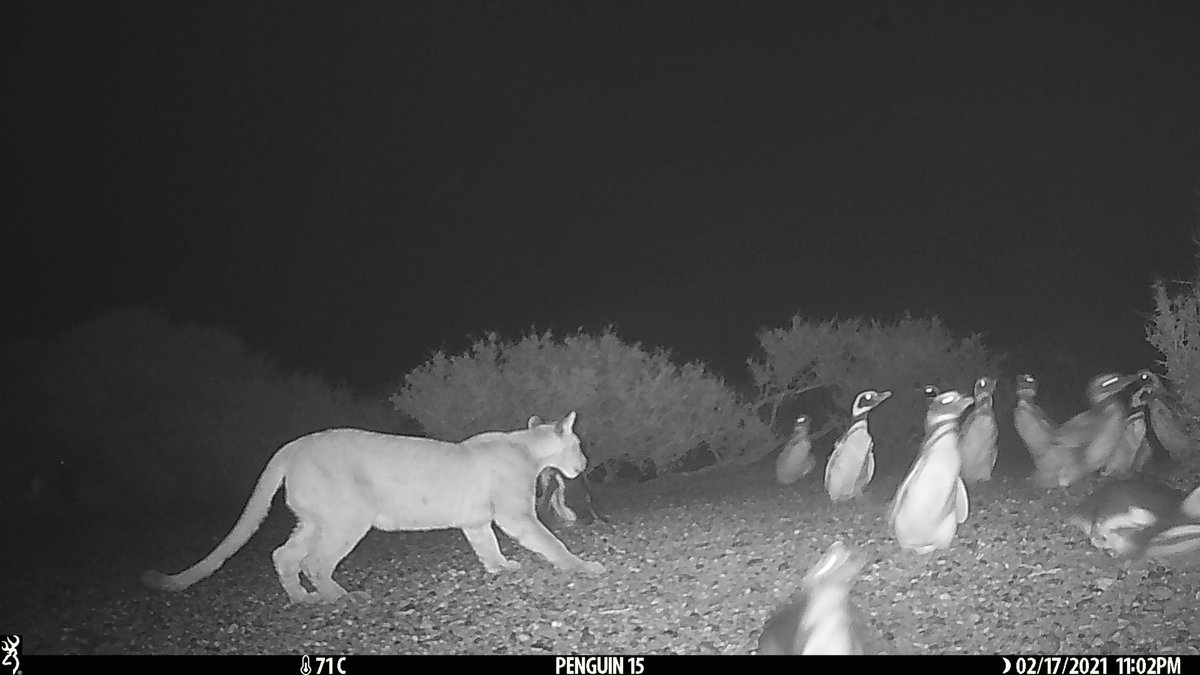
A recent study led by @ESPM_Berkeley alum @Mitch_Serota (PhD '24) and UC Berkeley researchers reveals how Magallenic penguins have upended the traditional social structures of pumas in Argentina’s Monte León National Park. https://t.co/KzVDHOaxaQ
PhD student Isabela Tapia Jaramillo was recently selected as a 2025 Fonseca Leadership fellow, which provides financial support for research and education focused on critical conservation challenges in Latin America. Learn more about the fellowship: https://t.co/AycUOtJQUU
On Wednesday, Professor Matteo Garbelotto will walk through the town of Canazei, Italy. In one hand, he'll hold the Olympic torch as it makes its way to Milan. In the other will be the lead to S’Abba, the service dog who helped him walk and ski again. https://t.co/Gy9C6sMgkF
Join us on Jan. 14 for a free screening of "Western Monarch Butterflies: Protecting Our Pollinators." After the film, hear from director Ian A. Nelson as he joins Dean David Ackerly and Essig Museum scientist Peter Oboyski for a Q&A.
Register here: https://t.co/XBmsZaVSys
A recent @GlobalChangeBio study led by PhD student @rosemmohammadi and Associate Professor Albert Ruhi reveals the vulnerability of riparian biodiversity hotspots to California’s intensifying climate whiplash. Learn more about their findings: https://t.co/e6UT246ALx
Approximately 5,500 hazardous sites across the United States are at risk of coastal flooding by 2100, according to a recent study led by researchers from @ESPM_Berkeley, @ERGBerkeley, @UCLAFSPH, and the nonprofit @ClimateCentral. https://t.co/6vdjRv3gMo
Professors Jill Banfield and Scott Stephens, along with Adjunct Professor Brandon Collins, were recently identified as researchers whose studies rank in the top 1% by number of scholarly citations worldwide.
Learn more about the recognition: https://t.co/6buFsgSihX
Eight Rausser College faculty were recently named among the world’s most influential researchers, according to a new report from analytics firm @Clarivate. Learn more about the methodology and see who made the list: https://t.co/e4fFg7xrgO