Can AI replace the human being? At AFTER HEIDEGGER, Prof. James O. Finckenauer (Rutgers, Academician of EUASU) argues that some choices must stay “human-reserved”: they rely on cues no one can program.
🎥 https://t.co/SF3SRPKq69
#AfterHeidegger#EUASU
What happens to a scientific discovery after it has been made?
In a new article, Dr. Prof. Oleg Maltsev proposes three criteria of effective scientific activity: applied realization, testability of research, and a scientific product.
https://t.co/JqyTRT524K
IUS 2027 Call for Papers and Panels: "Ethnography Today: The Importance of Being There", Montecatini Terme, 27–29 July 2027.
Deadline: 1 March 2027.
To know more: https://t.co/VJVULmTAhR
❓ What happens when a machine executes every instruction correctly — and still fails?
In a new article, Dr. Valeriy Pogorelov shows why execution is not the same as problem-solving, and why an algorithm has no Plan B unless the system can build one.
https://t.co/oobOdw2EyG
❓ Do we see reality as it is—or through models imposed on us? Prof. Oleg Maltsev explores how individual, group, and civilizational consciousness shape perception. Why might understanding civilization’s consciousness threaten those in power?
https://t.co/1D7sVZHtPe
Nine hikers. An abandoned tent. No surviving witnesses. In his new book, published by EASU, Valeriy Pogorelov reopens the 1959 Dyatlov Pass mystery through criminological investigation.
Discover the book: https://t.co/buvDB64jmt
What if the real danger of AI is not that machines become human—but that humans begin to think like machines? Interview with Prof. Iain Thomson, one of the world’s leading Heidegger scholars, about AI,Gestell, optimization, and the future of human thought
https://t.co/gzgZEAzRnY
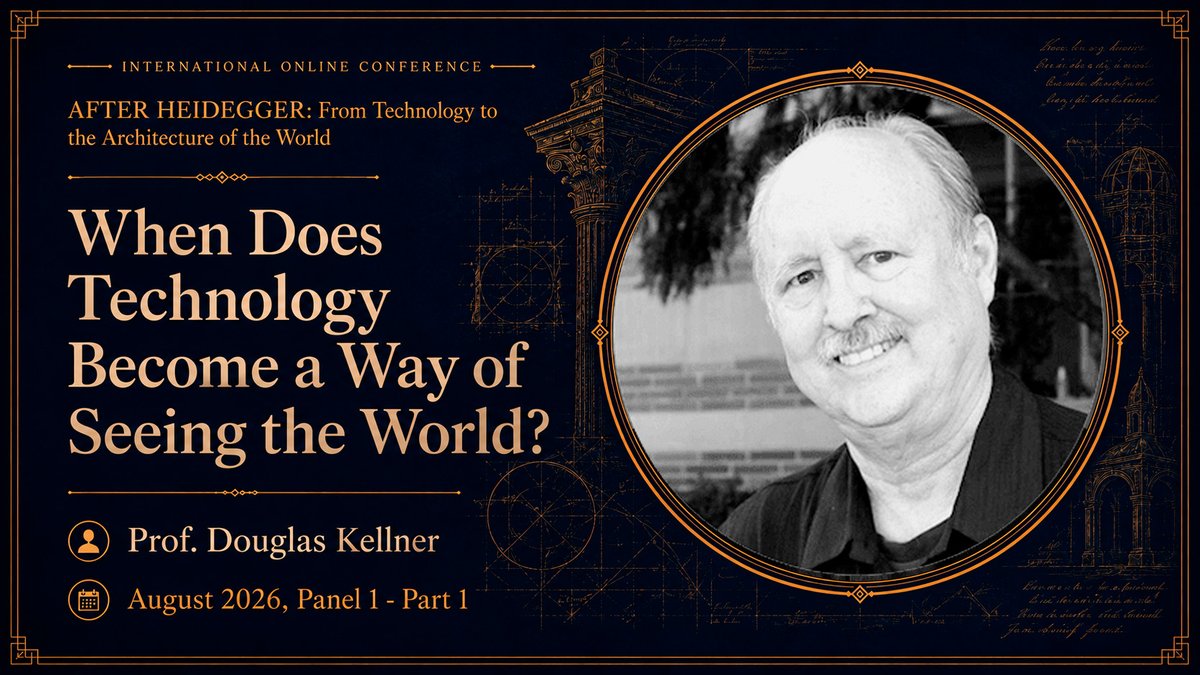
What happens when technology stops being a tool and becomes a way of seeing the world?
At AFTER HEIDEGGER, Prof. Dr. Douglas Kellner, examines Heidegger’s Gestell and the reduction of nature & human beings to resources, data, and objects of use.
https://t.co/TwBJquNwNX
In “Reflections on the Fate of Science, or Should We Expect Digital Monasteries of the New Middle Ages?”, Dr. Oleksandr Sahaidak examines scientific decline, AI degeneration, and the possible rise of “digital monasteries.”
📖 Read the full article.
https://t.co/BdK5hNKMoj
📌 What happens to independent thinking when information is always one touch away?
@liberi_mentis has published a paper by Prof. Oleg Maltsev, Oleksandr Sahaidak & Iryna Lopatiuk on social media, mobile phones and students’ intellectual development.
https://t.co/jo3AJ9apwZ
A phone can be a library or a distraction — often in the same thirty seconds. From a collaboration between @liberi_mentis and @EUASU_Ukraine, this is the article written by @MaltsevPhd and colleagues: what social media and mobile phones really do to student attention, and why "ban it" or "adapt to it" both miss the point.
https://t.co/BicUD0S8qV
#CriticalThinking #HigherEd
❓ Who controls your attention?
In her report Iryna Lopatiuk examines how social media and smartphones affect students’ attention, reading, motivation, and ability to deal with difficult tasks.
Read it here: https://t.co/MHaAN4Sb6H
What if architecture is not merely an object, but a trace of a vanished process?
Prof. Maltsev proposes a forensic approach to architecture, where photography becomes a research tool—capturing form, details that may reveal the logic of the past.
https://t.co/o1uIX1WiGD
📌 A new article in the Ukrainian media outlet https://t.co/FMqFpAnbkk covers the joint symposium of EUASU Academy and Academia Libera Mentis on attention, critical thinking, smartphones, and social media.
https://t.co/e1IHqr0Edg
📌 England’s 2025 PISA results look remarkably strong. But what happens when you examine who actually took the test — and who didn’t?
A new article by Prof. Paul Frijters looks at sample selection, incentives, and the danger of statistics.
https://t.co/YUdHxx5bhN
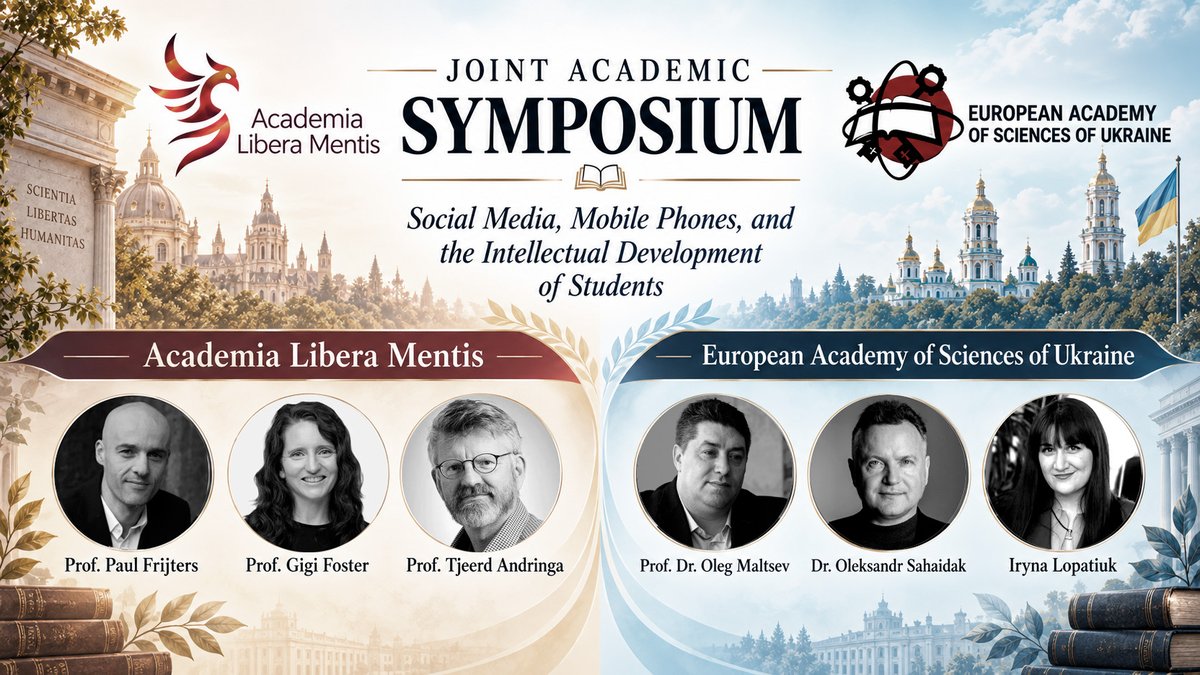
📌 Today, EUASU and Academia Libera Mentis hold a joint symposium on a critical question:
how are social media and mobile phones affecting students’ intellectual development — and how should academies respond?
https://t.co/PVeN0NErlz
📌 What happens when reason becomes an instrument of will and power?
Prof. Marco A. Andreacchio explores Mary as the New Eve through freedom, philosophy, modernity — and the rise of the machine.
https://t.co/3l7SuwTMf2
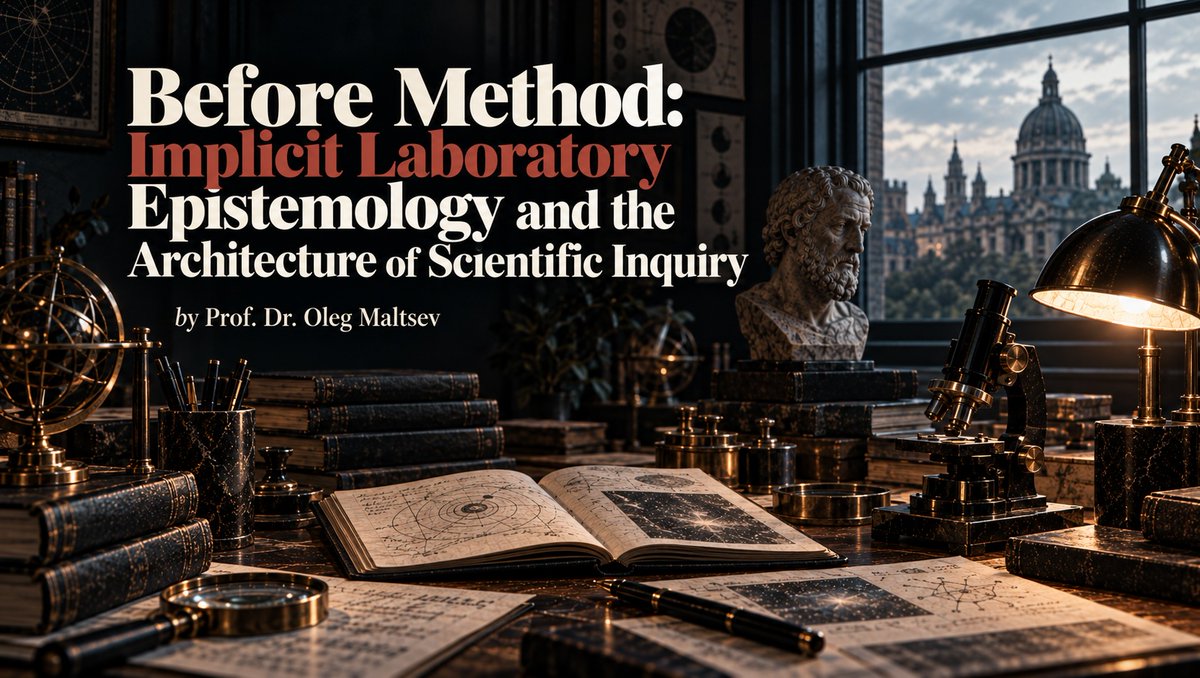
❓ Scientific research begins with a method — or does it?
A new article by Prof. Dr. Oleg Maltsev examines the epistemic decisions that come before method, and introduces the concept of implicit laboratory epistemology.
https://t.co/BXOgLuS6Co
On September 12, EUASU and Academia Libera Mentis will hold an academic meeting on a major challenge: how social media and mobile phones are affecting students’ intellectual development — and how academies should respond.
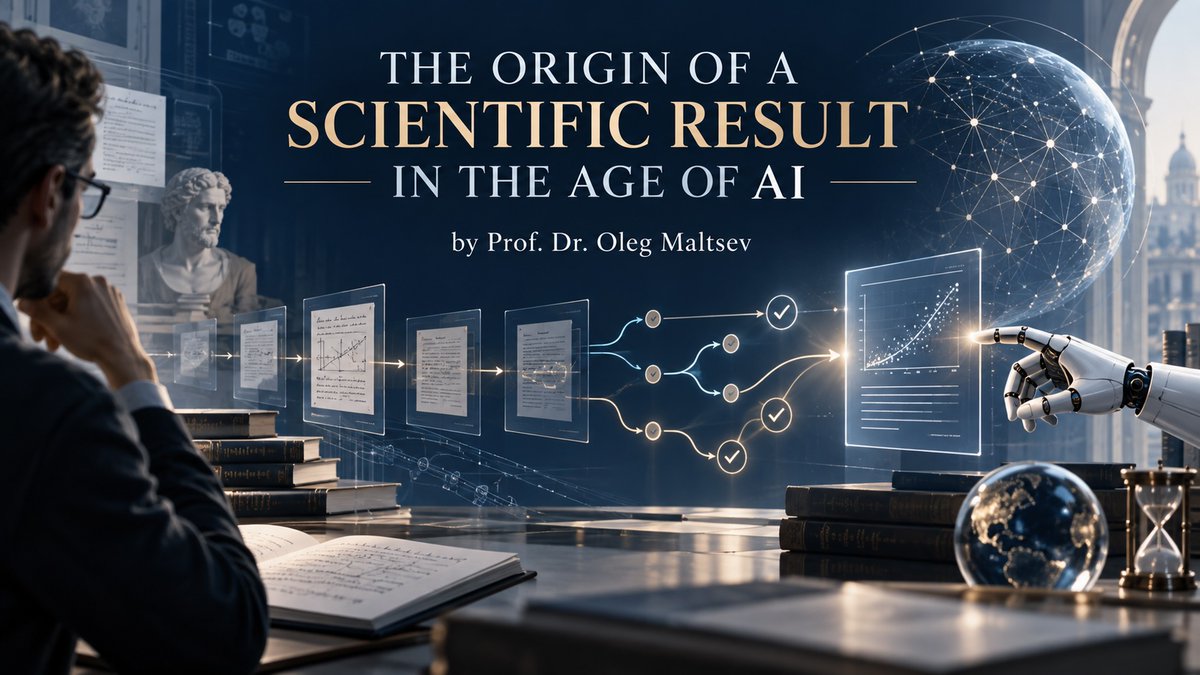
📌 In his new article Prof. Dr. Oleg Maltsev (@MaltsevPhd) examines why scientific trust increasingly depends not on whether AI was involved, but on whether the origin of the result can be reconstructed and verified.
Read the article:
https://t.co/Xl74WSPvfj