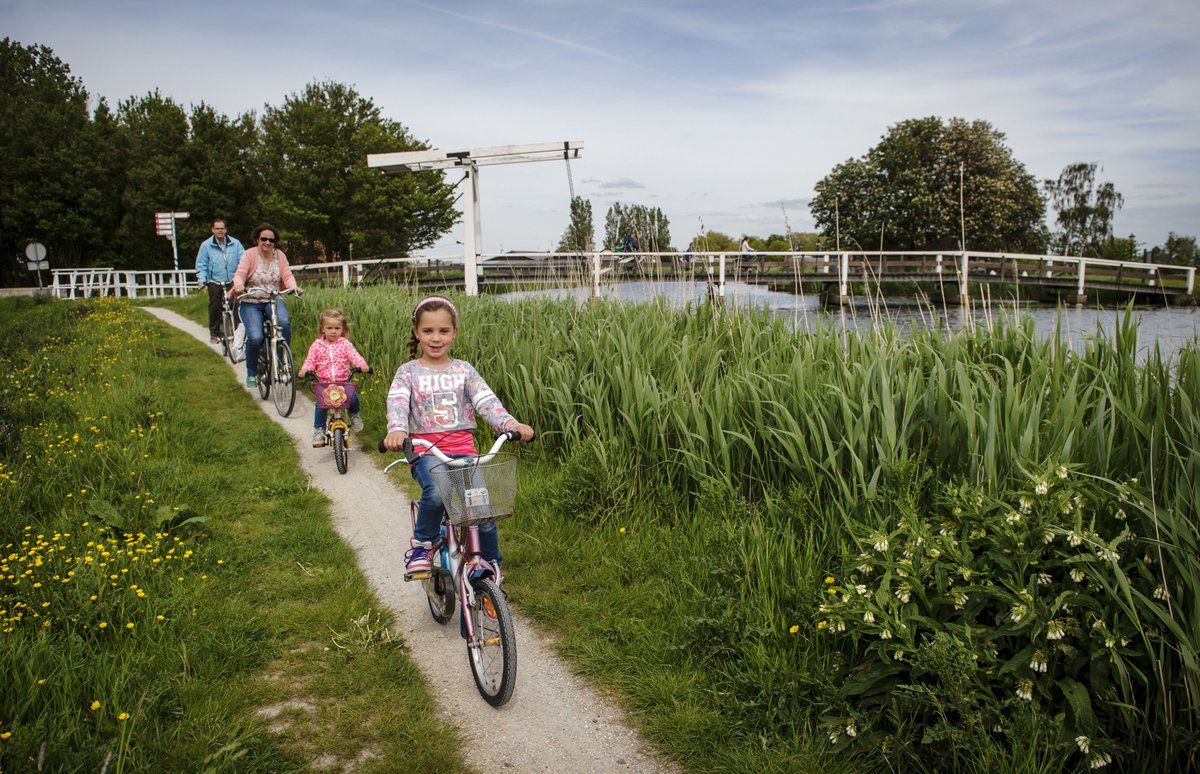
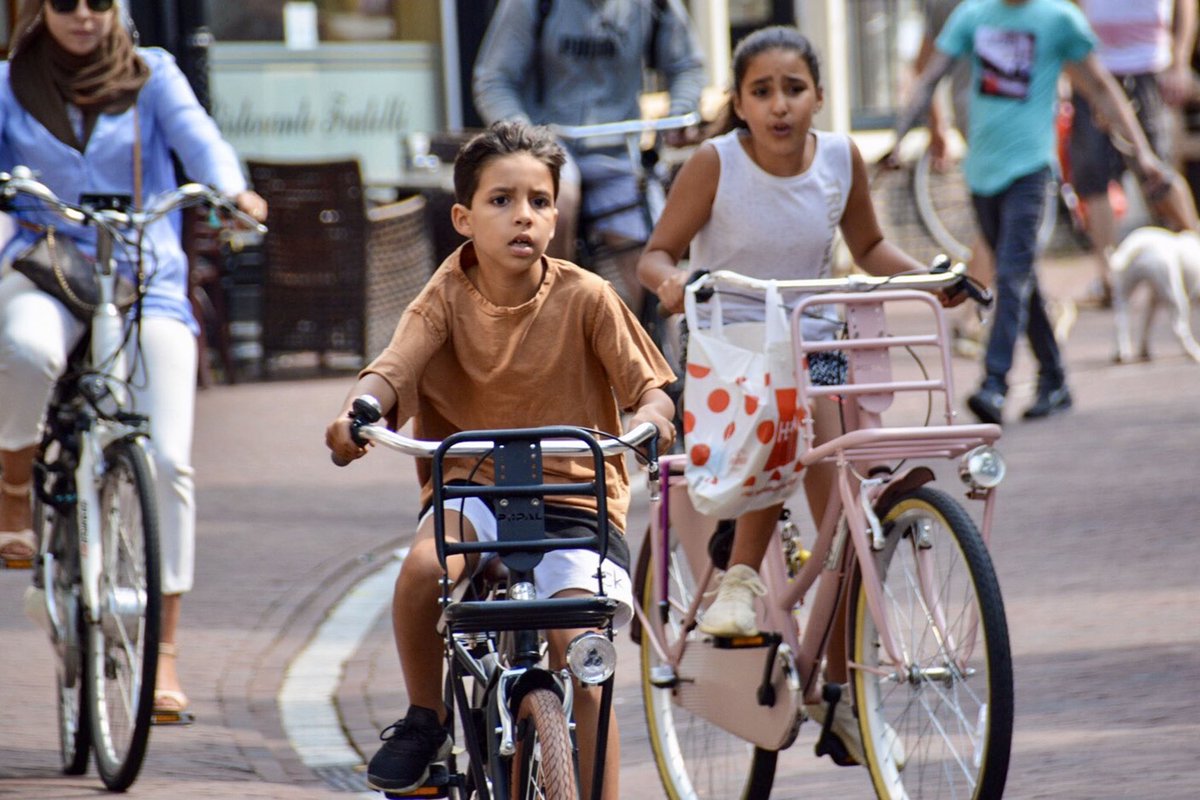
Cycling connects people to the land.
"To design cities right, we need to focus on people.
Far too often, city planning is approached as an engineering problem, instead of connecting people with the land." writes @sciam. What better way than #cycling?
https://t.co/8TSfExRMRJ
As urban populations rise, the bicycle is a practical alternative to the car-oriented societies in which we live.
With the appropriate infrastructure and policies to make cycling attractive, we can mitigate traffic congestion & spend the time saved on more meaningful activities
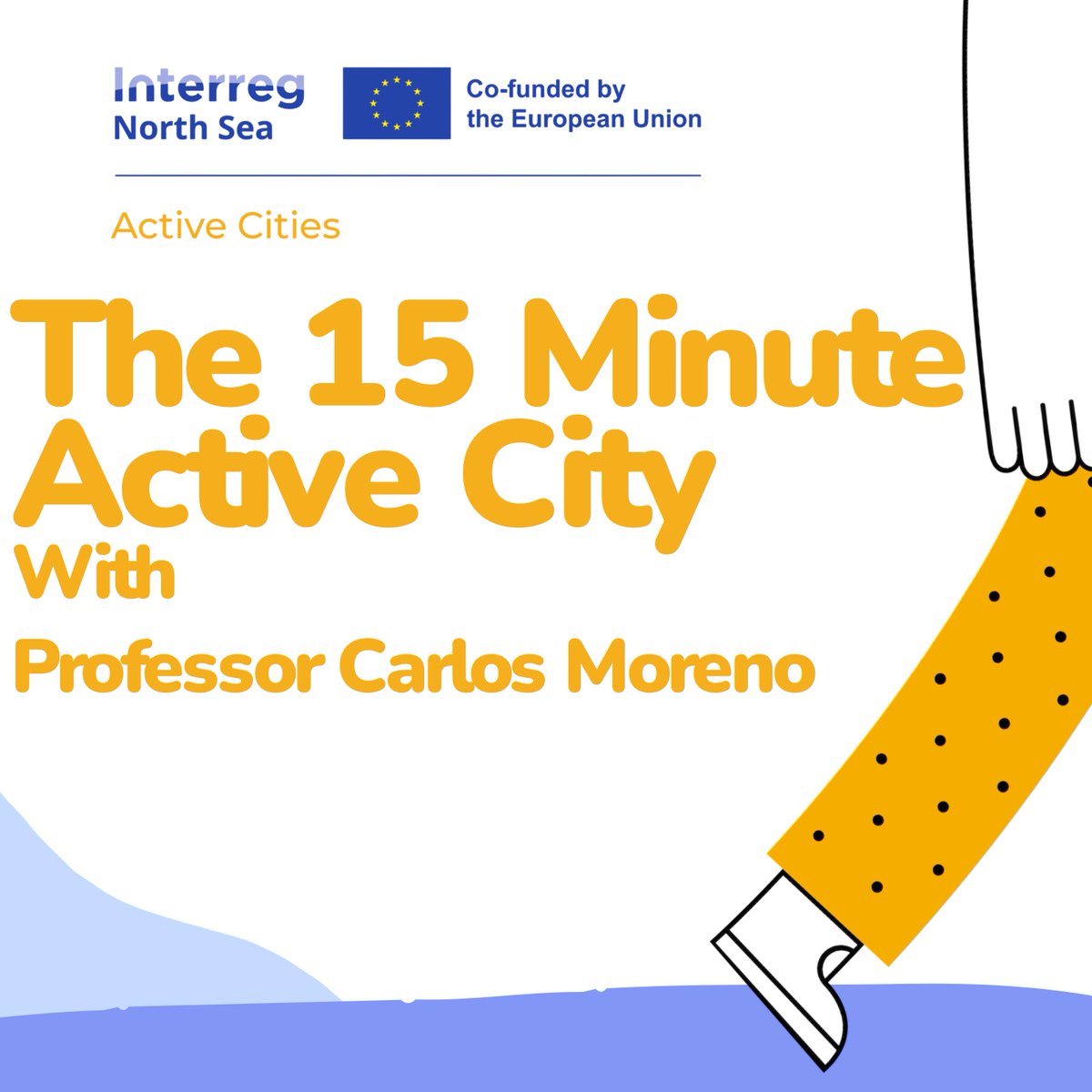
Professor @CarlosMorenoFr joined us on the Active Cities podcast, discussing the journey towards sustainable urban living through active mobility and the impact that more walkable and cyclable cities can have on health, society and the local economy.
🗣 "30 years ago, Amsterdam was the city most impacted by traffic accidents... After one accident a powerful movement has emerged: Stop killing our children. This movement has transformed the mindset... Amsterdam has become the most bike-friendly city in Europe."
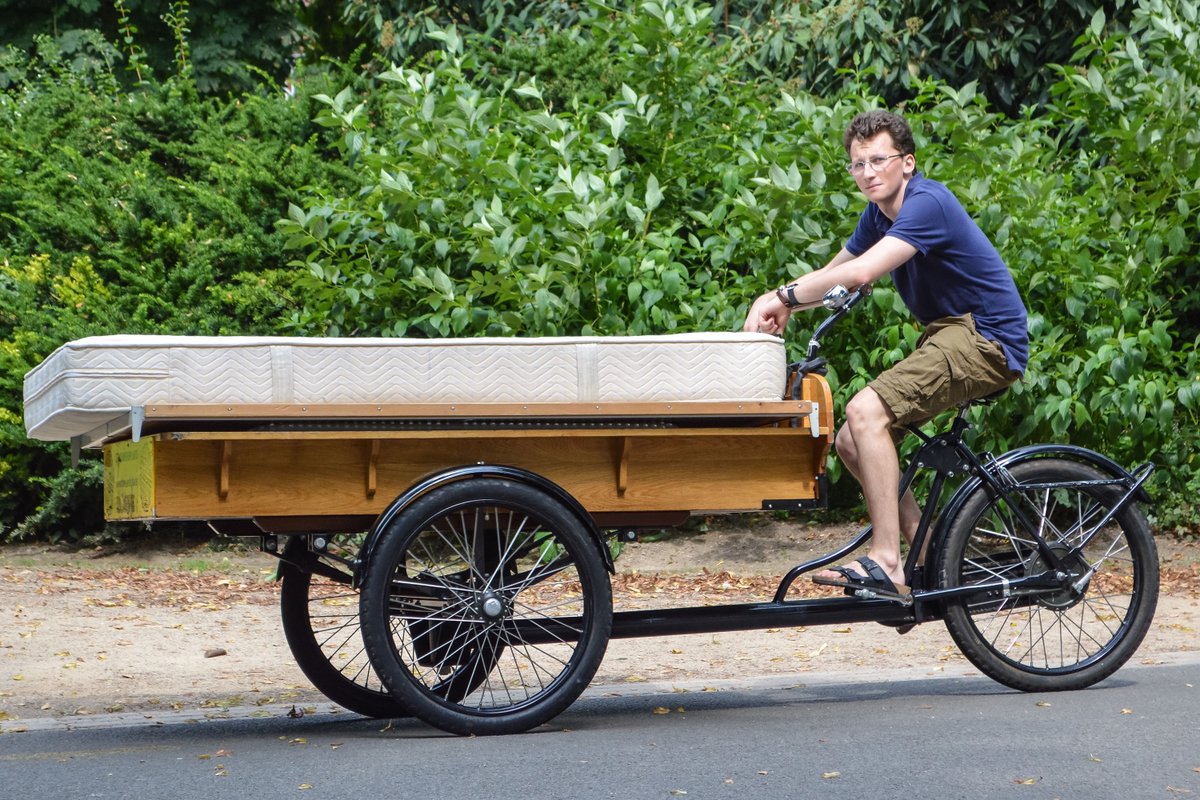
“It’s not so much a matter of what a bicycle is actually capable of, much less a cargo bike, but more that people have a certain set of narratives (an imaginary) about what cycling is, what it can do, and what it could become.”
@cargobikefest
https://t.co/wXuSXmxbAn
On the latest episode of the @EUActiveCities podcast, we spoke to Melissa & Chris Bruntlett (@modacitylife) about building cycling & walking networks across our cities to make them more human-centric and sustainable. 🏙️🚶♀️🚴♂️
Read more & listen to the ep ➡ https://t.co/vscoogS2RI
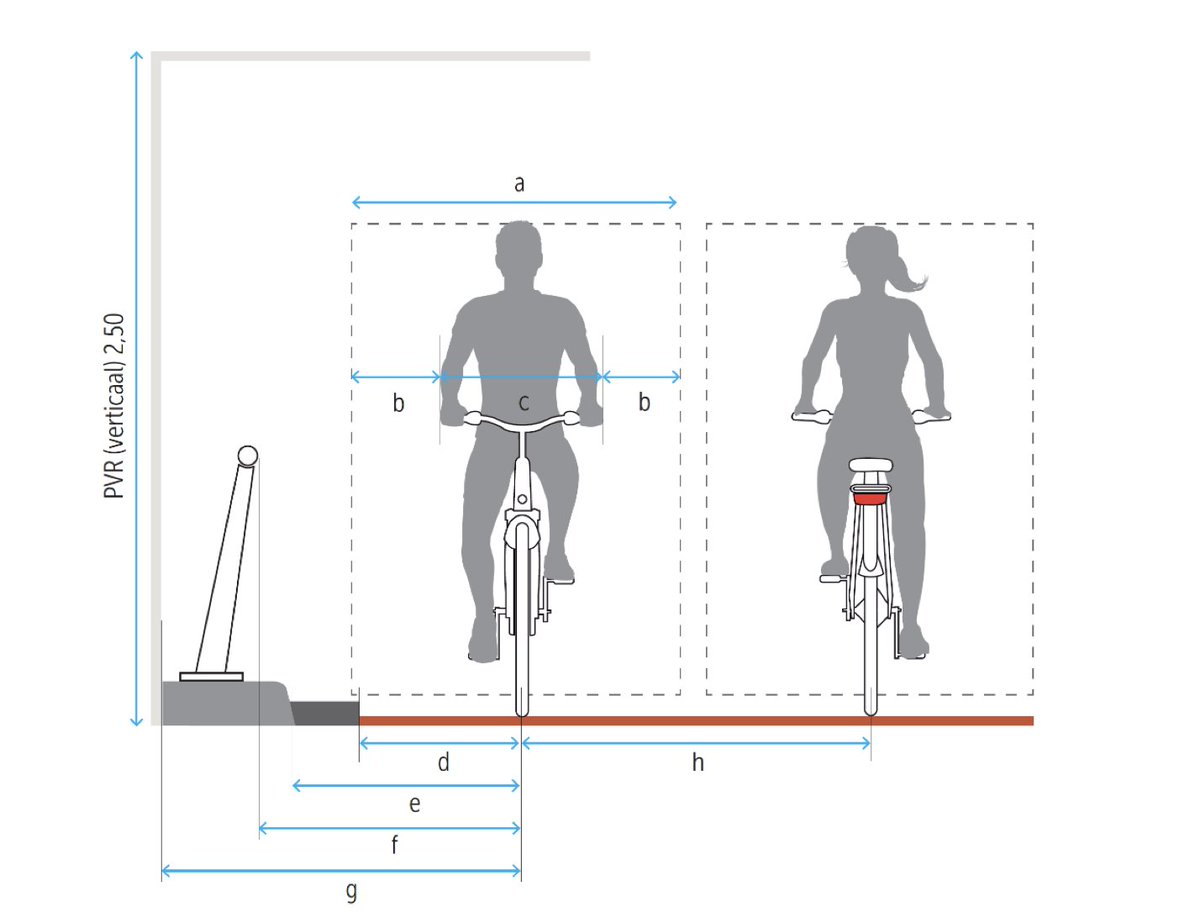
CROW-Fietsberaad has published a new memorandum on the profiel van vrije ruimte (PVR; profile of free space) for cyclists
The designer uses the recommended measurements to determine the (minimum) dimensions of cycling infrastructure on the right-of-way
https://t.co/bRWstjQErA
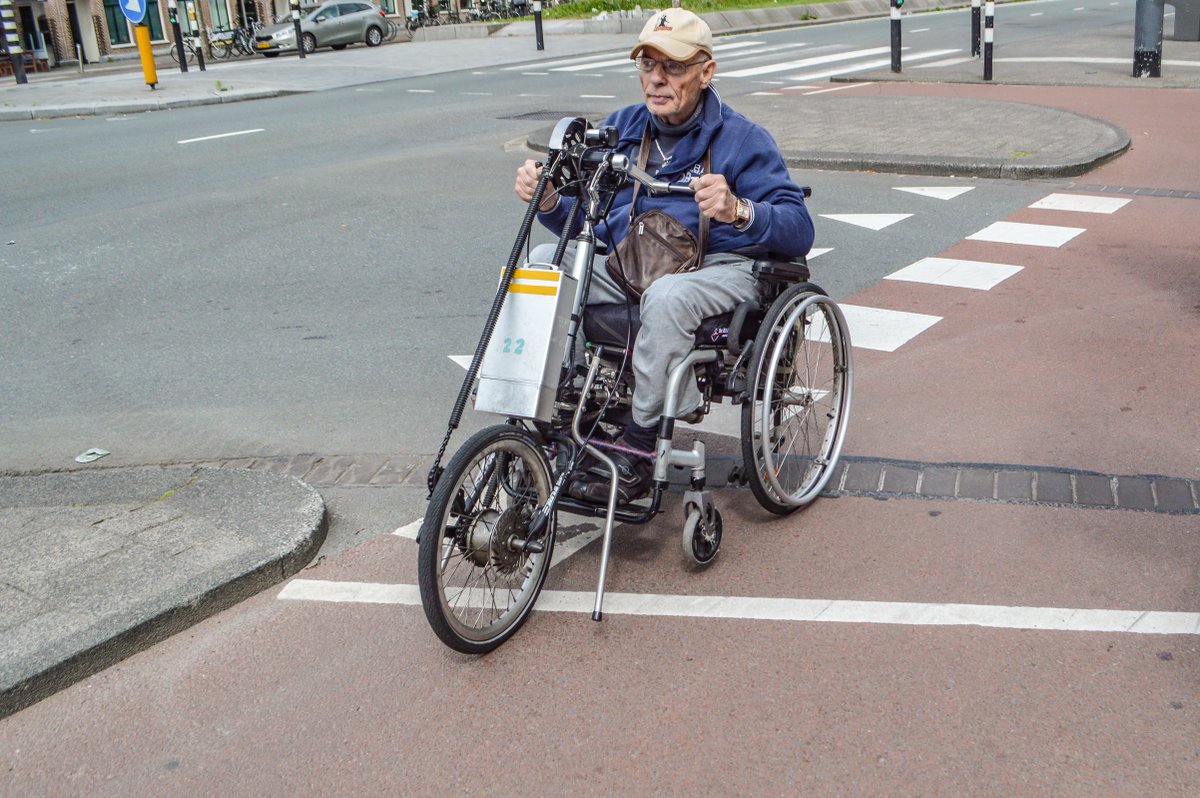
“It’s not just about bikes. It’s about who gets to benefit when we make cars less dominant and give people choices.
People on adapted cycles, mobility scooters, children, women, the elderly, and migrants... who are left out of the mobility conversation.”
https://t.co/VEOLBmb7bU
HOW TO MEASURE CHILD-FRIENDLINESS OF TRANSPORTATION
From a transportation systems point of view, there's one easy metric to start with:
Would you let your child ____
🔳 walk here?
🔳 skateboard here?
🔳 scoot here?
🔳 bike here?
🔳 ride the bus here?
If the answer is yes, great. If the answer is no, transportation professionals will probably give a lecture instead of saying no. That's fine. At least you've identified the system is not yet kid-friendly.
Don't overcomplicate measuring this stuff. You know in your gut if something's good enough for children.
“Building bike infrastructure benefits absolutely everybody in a city, whether they choose to ride a bicycle or not.
It’s one less car on the street in front of you, it’s reduced healthcare and maintenance costs, reduced air and noise pollution.”
LISTEN: https://t.co/ccQ58WcWqG
🗣️ "We decided to sell our family car and get round predominately by bike!" 🚲
Interested in cycling and active mobility?
🎧 Tune in to this unmissable episode with @modacitylife and let us know what you think!
🔗 https://t.co/IAriARCEKL
In the latest episode of the Active Cities Podcast, Melissa and Chris Bruntlett share their personal journey from being car-dependent in Vancouver to becoming advocates for cycling, and moving to The Netherlands, a country renowned for its bike-friendly culture.
@modacitylife
Our roads keep filling up with more and more cars. The #NorthSeaRegion project SN² https://t.co/IzKhMaHC84 integrates shared mobility into real estate projects and aim to reduce the dependency of cars and space for parking. This will also make housing more affordable🏘️
Remember, 'A community-focused bike shop is a crucial ingredient in building a bike-friendly city.'
Active Cities is an @NorthSeaRegion project.
Find out more: https://t.co/agtCqN6EdV
What do you think of when you imagine a #cyclable city?
Our thoughts often go to bike lanes and cycle parking. But what about the community bike shop?
#cycling#cyclinglife#activecities
More than just retail spaces, these hubs are the beating heart of the cycling culture, essential in nurturing community engagement and pushing for improved cycling infrastructure.
Some great examples in this article by @bikepackingcom#BikeShop
https://t.co/KHIul6CbuQ
Lund, Sweden wants #walking to be a real transportation option, not just #cycling.
Learn how they're piloting pedestrian zones & shared spaces and addressing bike/ped conflicts on the Active Cities Podcast with Astrid Bachs and Per Eneroth #walkability
https://t.co/VYnn0sKTfZ