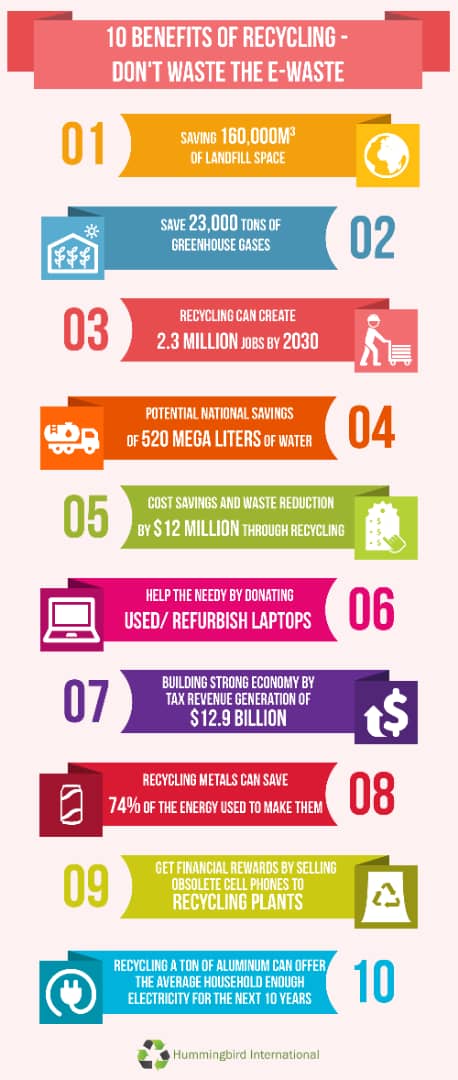
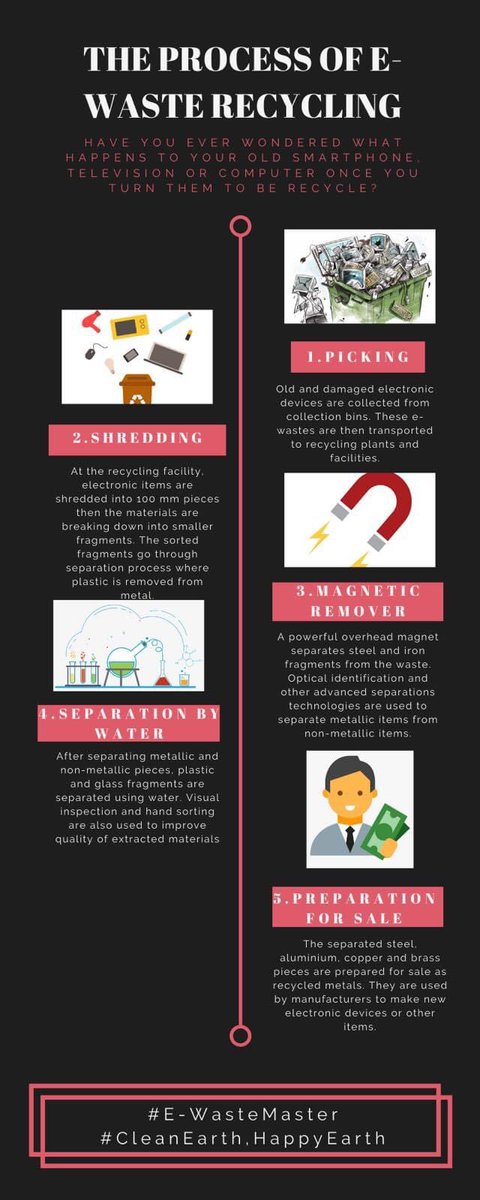
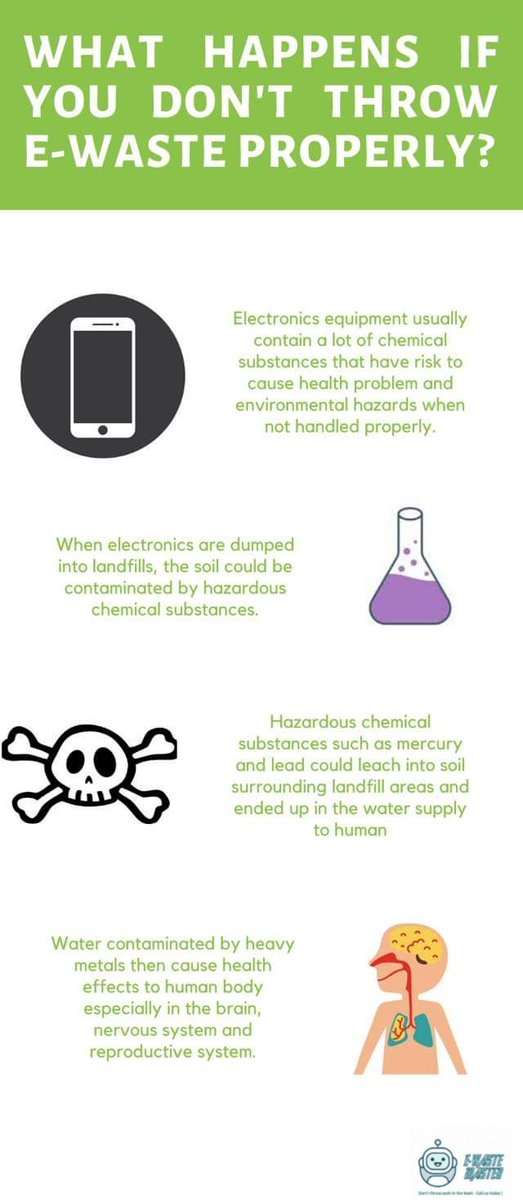
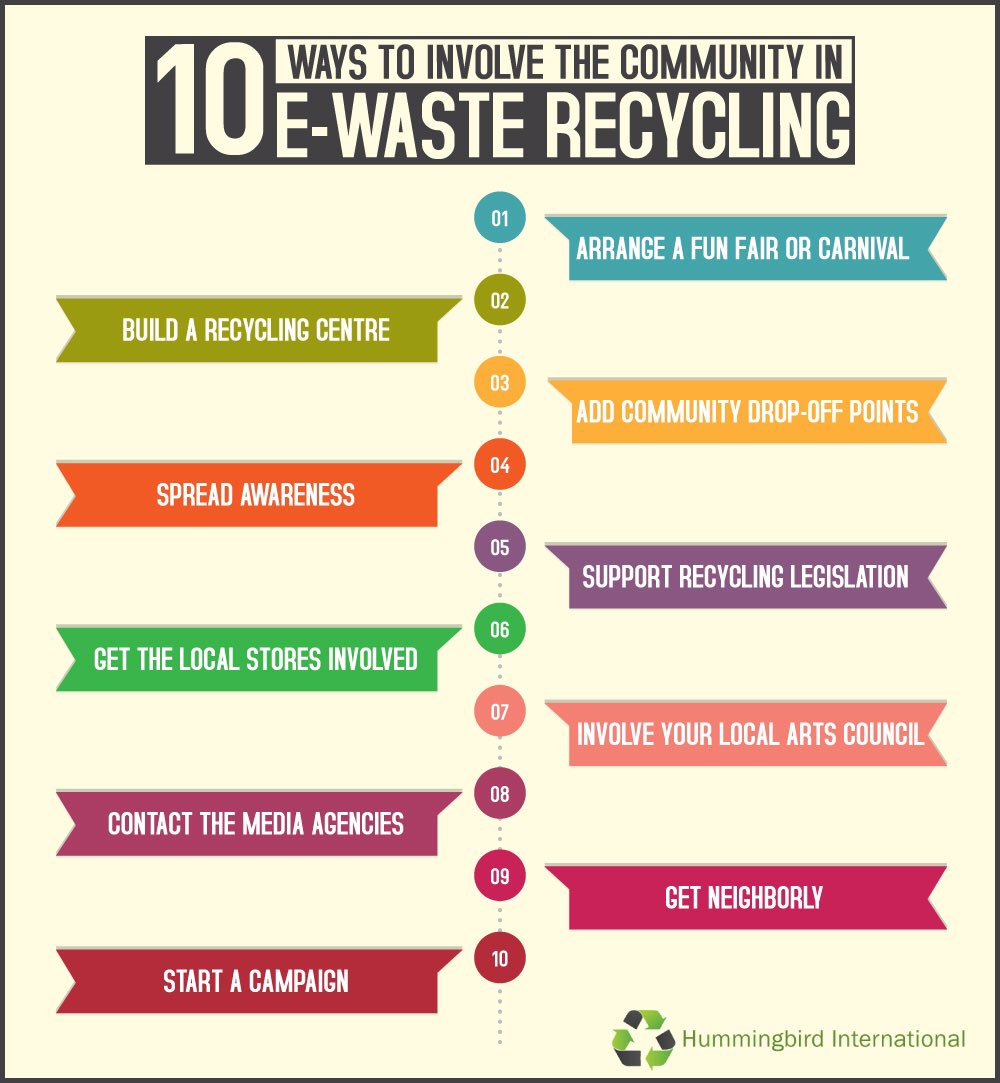
Hi ! Don't throw your e-waste at dustbin! Recycle the e-waste, because there's lot of benefits. Check this out 😍
#StopPollution#AllforoneOneforall#sulamUMT
TOGETHER WE SAVE OUR FUTURE 🥰
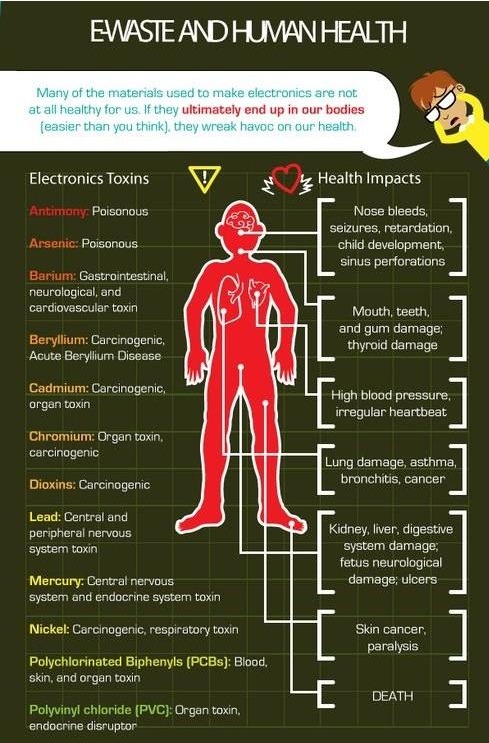
Many thousands of tonnes also find their way around the world to be pulled apart by hand or burned by the world’s poorest workers. This crude form of urban mining has consequences for people’s wellbeing and creates untold pollution.
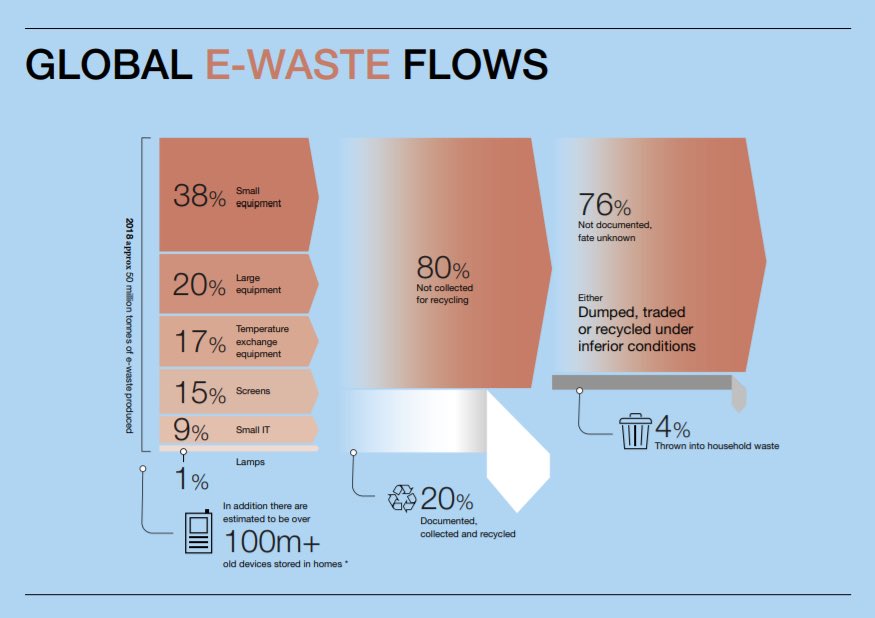
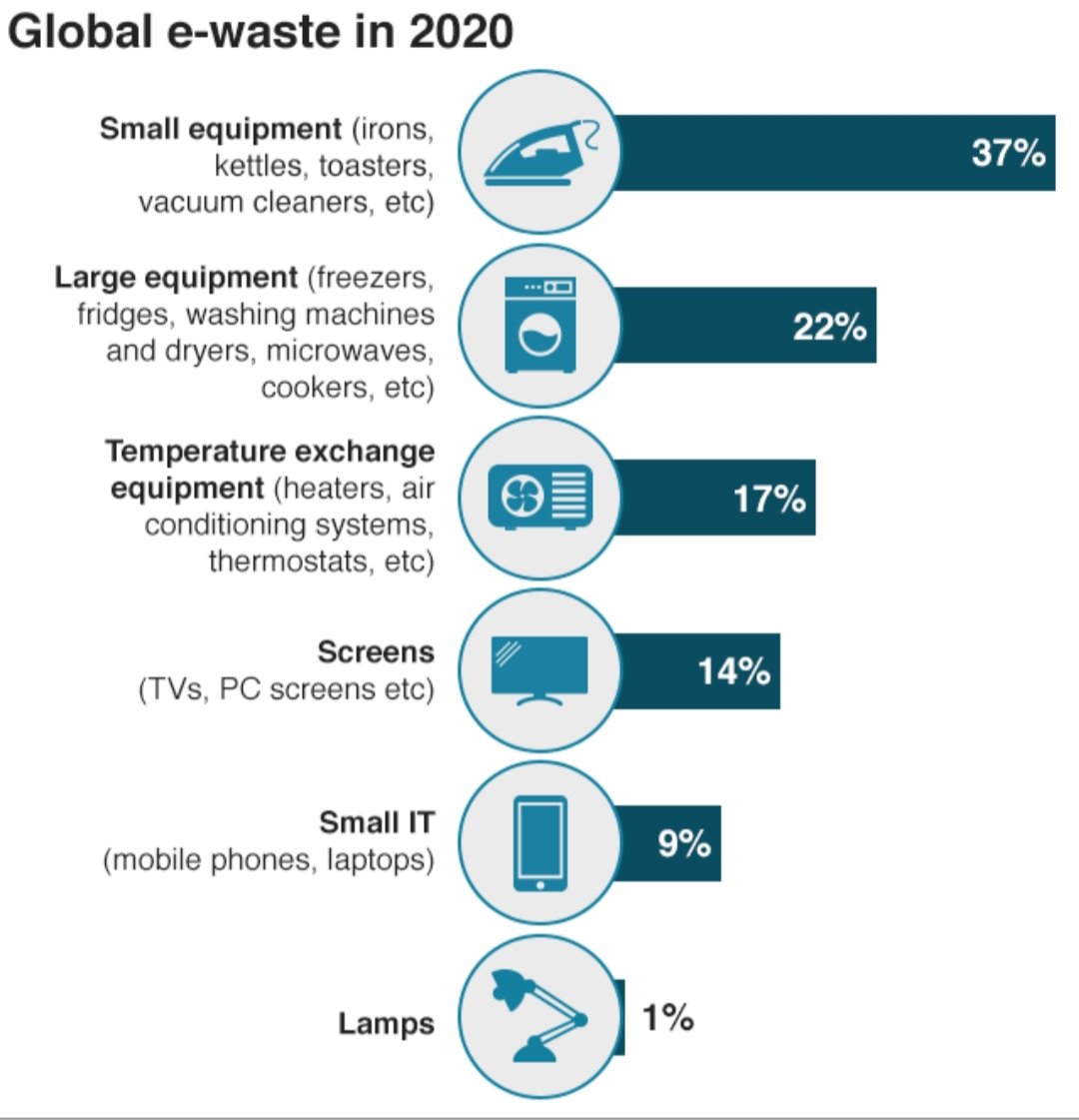
Humankind’s insatiable demand for electronic devices is creating the world’s fastest-growing waste stream. Some forms are growing exponentially. Did you know that only 20% of global e-waste is formally recycled? The remaining 80% is often incinerated or dumped in landfill.
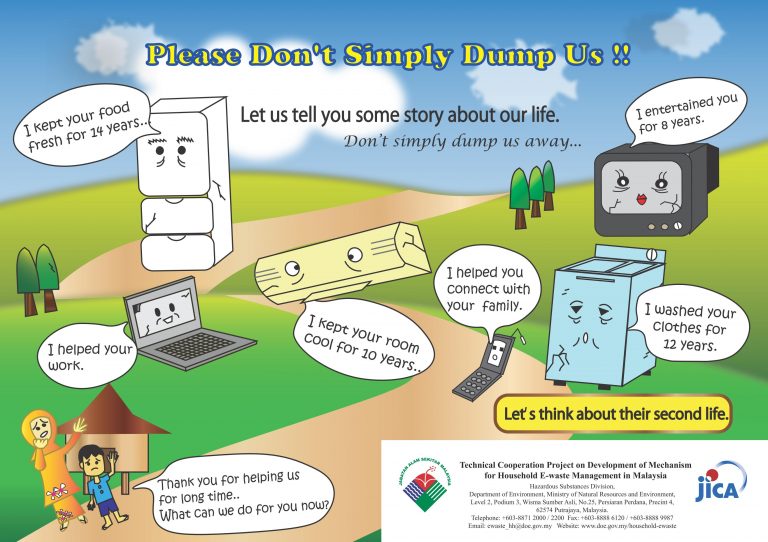
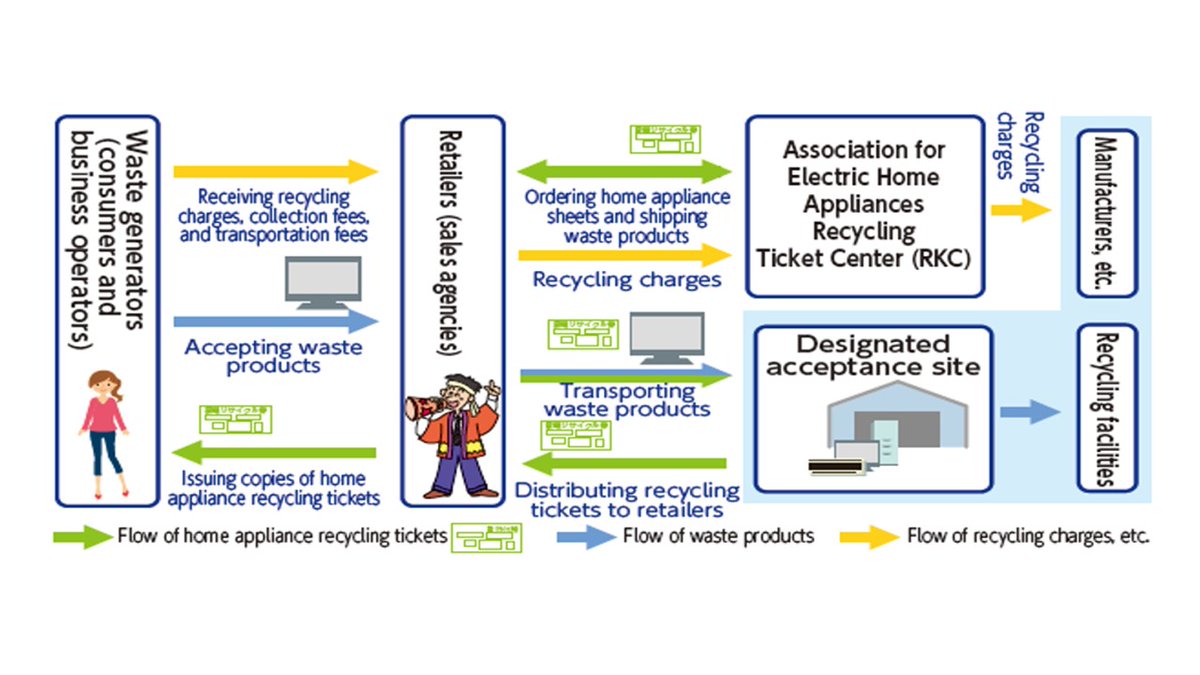
This is a great example of E-Waste management in Japan. We should practice this in our county to prevent any bad impacts of E-Waste towards the environment and human health.
#CleanEarth.HappyEarth
#OurCountryIsOurIdentity#WeHandleWithCare
E-waste recycling is the reuse and reprocessing of electrical and electronic equipment of any type that has been discarded or regarded as obsolete. Some of the common E-wastes include: hand phones, televisions, air conditioners, electric cookers, laptops and others.
Recycling of e-waste is a growing trend and was initiated to protect human and environmental health mainly due to widespread environmental pollution impacts of e-waste.
The population of the world is growing, not shrinking, and currently each human being adds significant waste to the planet over his or her lifetime. Unfortunately, not everyone feels motivated to recycle and indeed, it can sometimes seem like a complex undertaking.
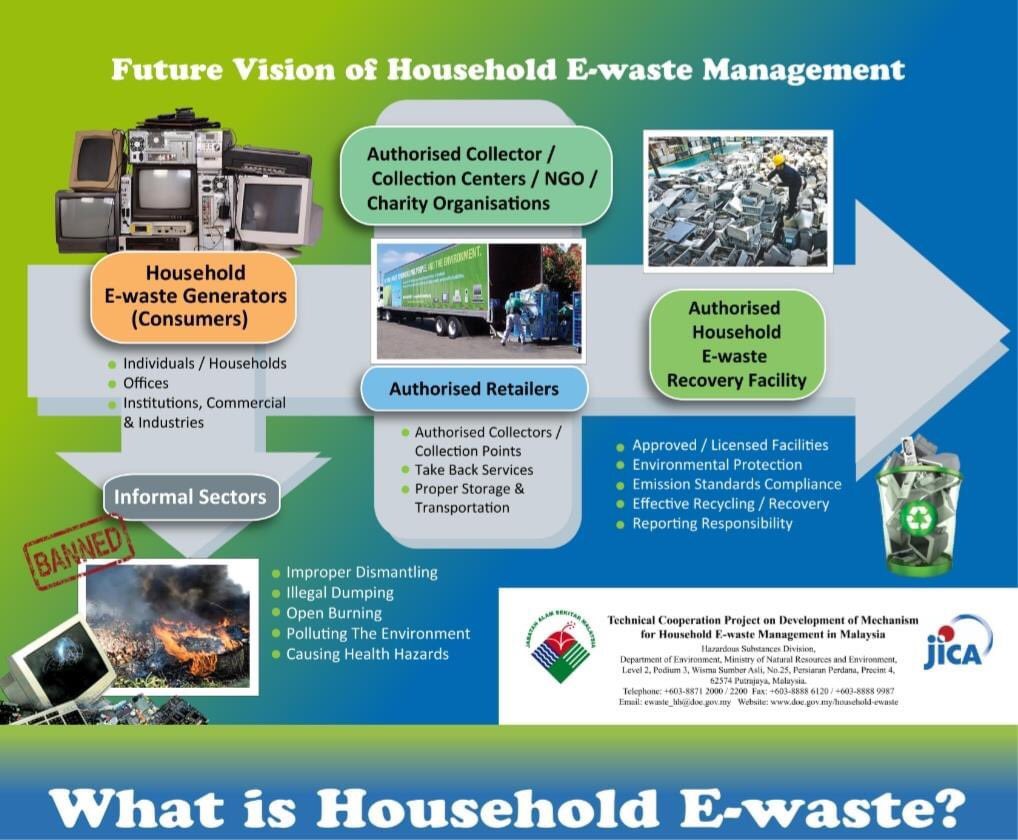
In Malaysia, E-Waste is categorised as Scheduled Waste under the code SW 110, First Schedule, in Environmental Quality (Scheduled Wastes) Regulations 2005 as mandated under Environmental Quality Act,1974.
Internationally, Malaysia is one of the Parties to the Basel Convention.