@Drakhan404@AhmadRehanKhan You two are Pakistanis, you’ll be more useful and valuable to Pakistanis in Pakistan.
Pakistan has 260M people, 34% living in urban areas.
Only 22% of health professionals in Pakistan are physically in non-urban areas.
Our “ignorance” built a country your fathers couldn’t.
@Drakhan404@AhmadRehanKhan The misguided arrogance of dismissing Americans as “ignorant” from “khan” who believes Americans should simply accept a system they never agreed to.The US has every right to decide whether it should continue relying on peasants from Pakistan or expand opportunities for Americans.
@AhmadRehanKhan Strengthening U.S. healthcare should mean investing in Americans. Resources devoted to recruiting and training international medical graduates should be redirected toward expanding U.S. medical-school capacity, residency and training pipelines for qualified American students.
@yashu211996 One in four U.S. physicians received their medical education abroad. That level of dependence particularly when recruitment draws heavily from countries with serious concerns about educational quality, training standards, and academic integrity is an indictment of our own system.
@AhmadRehanKhan The issue is whether the US should allow critical healthcare sector to become heavily dependent on poorly educated Pakistani IMGs rather than maintaining sufficient domestic training capacity.
Healthcare is a national-security concern. IMGs from your country are not the solution.
@AhmadRehanKhan The numbers you’re throwing around are nothing to be proud of for arguably the richest nation on Earth. The United States should have the capacity to train and develop its own citizens for critical sectors rather than treating dependence on foreign talent as the default solution.
@TunaUstunkaya@anish_koka Train Americans. ~30K qualified Americans unable to get a seat at medical schools is a national disaster that must be mitigated.
@JuliusChapiro This is academia—and I’m part of it.
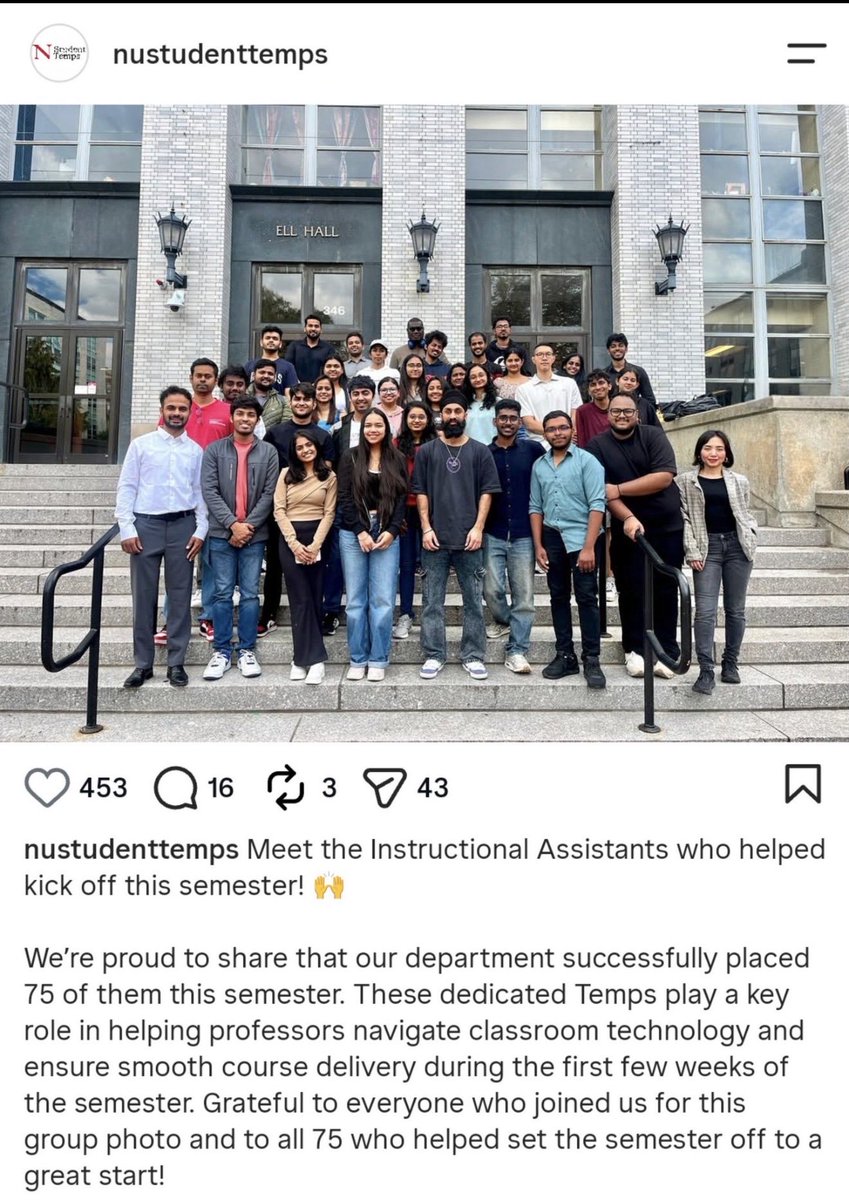
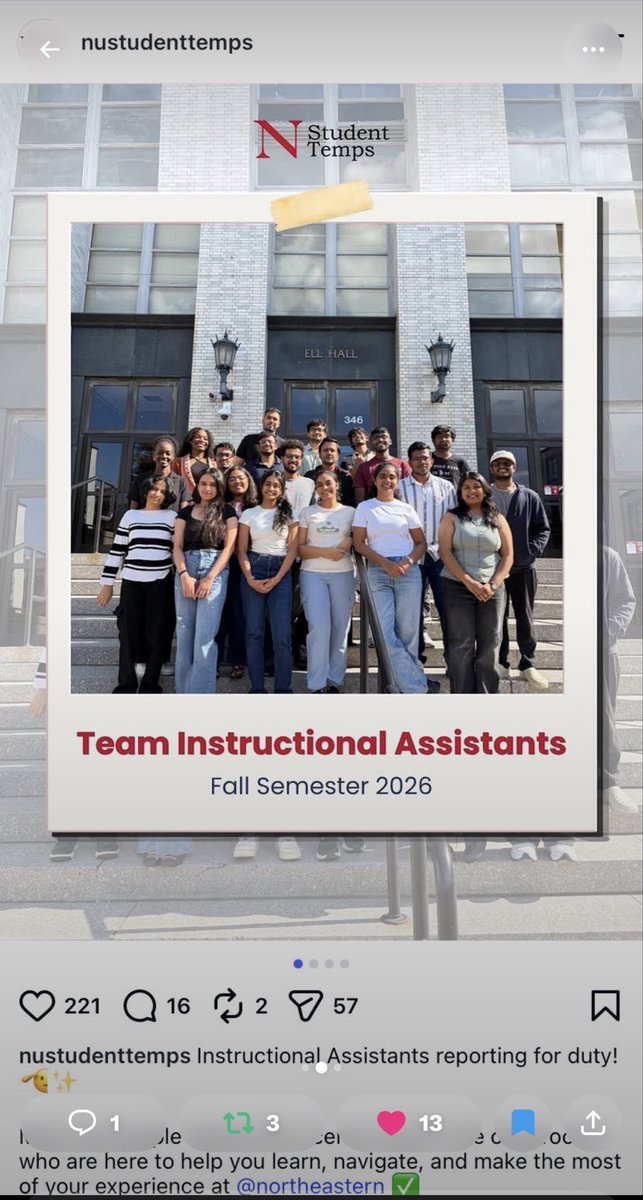
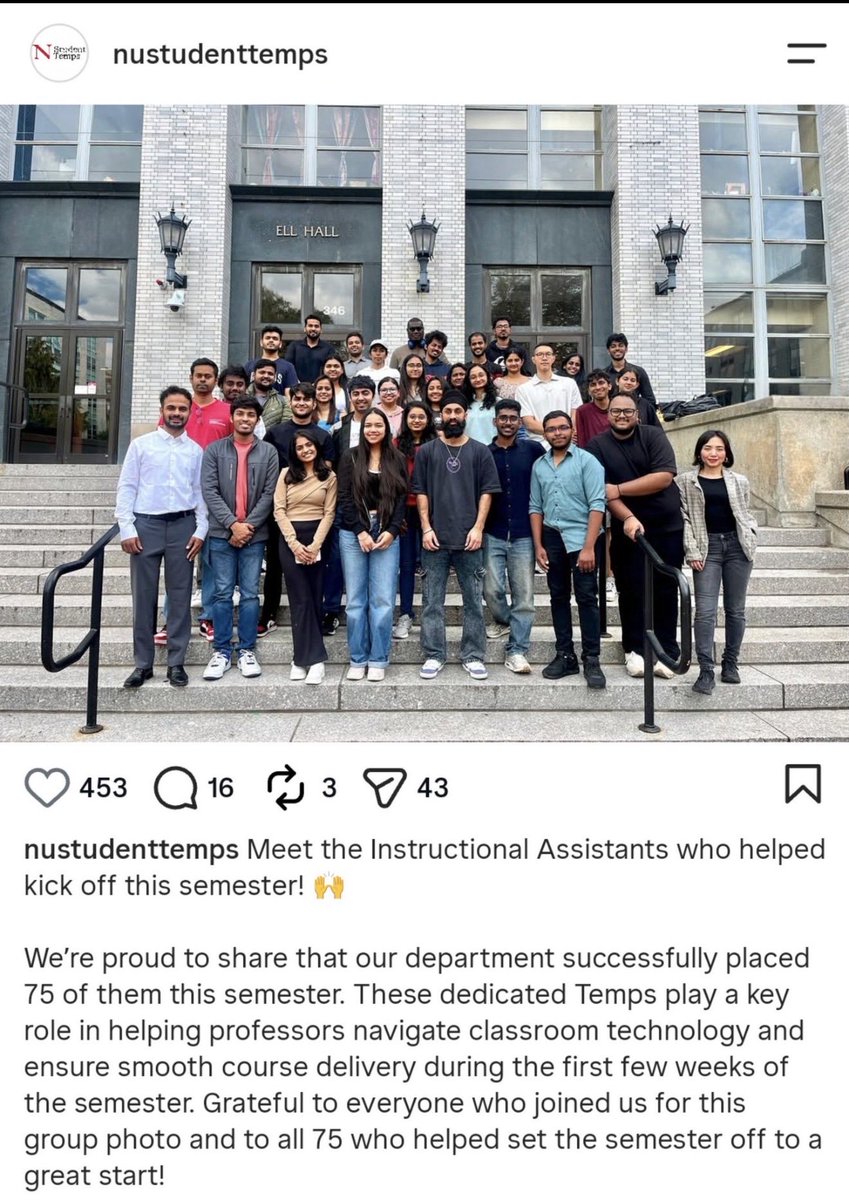
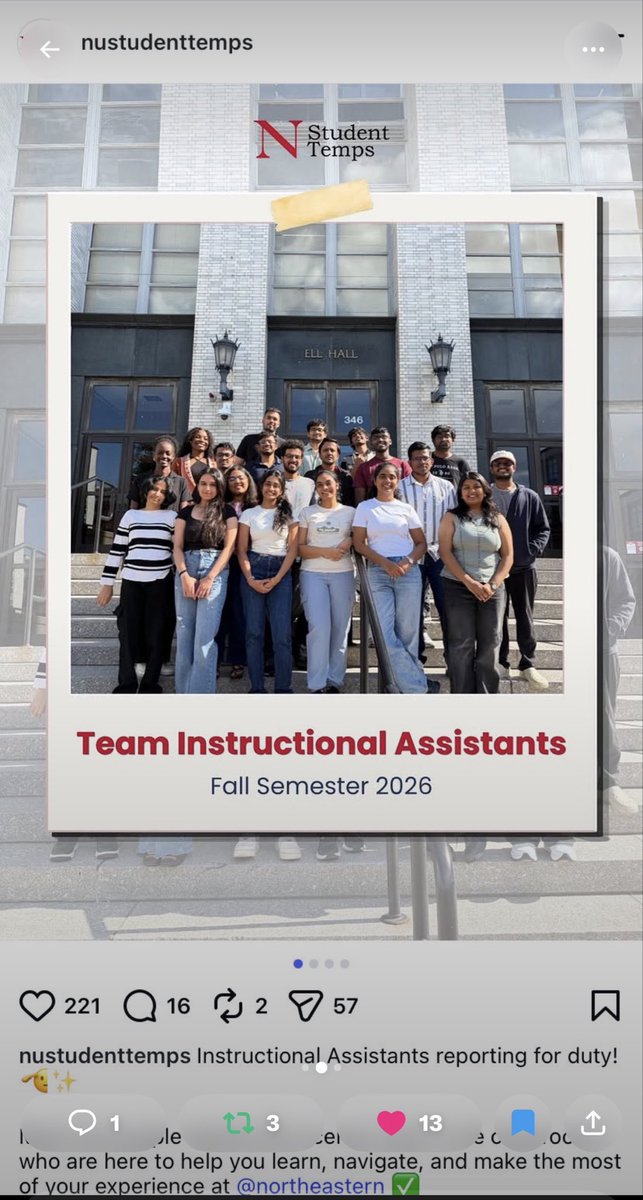
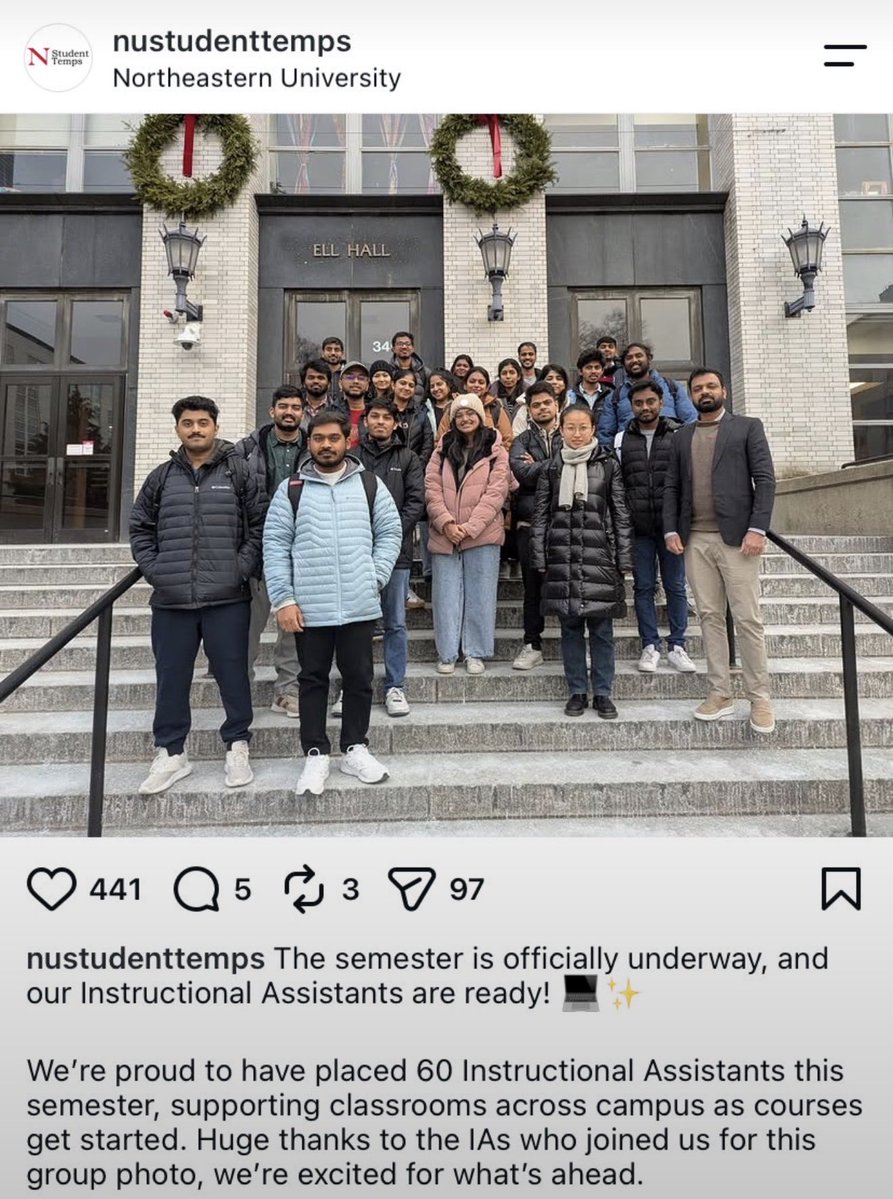
Our universities have increasingly relied on international students as graduate and teaching assistants, while those positions also function as a major source of tuition support and on-campus employment.
👇
https://t.co/zD76Mk5Wig
@JuliusChapiro Not a coincidence but a pattern.
The program was not designed to be a pathway for migration to the US for specific groups.
👇
https://t.co/HYo5hFZnv6
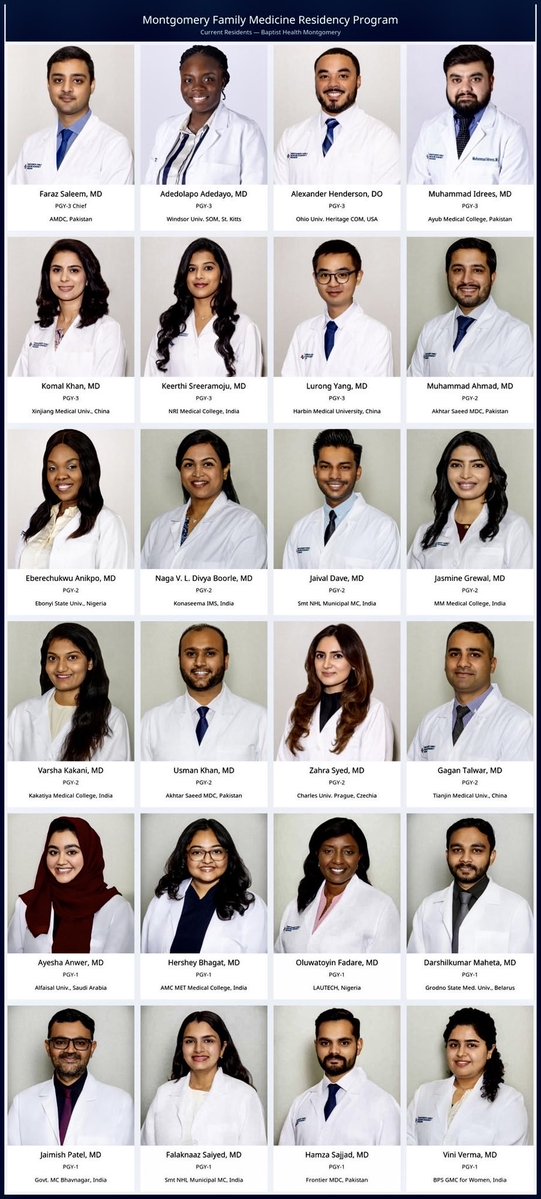
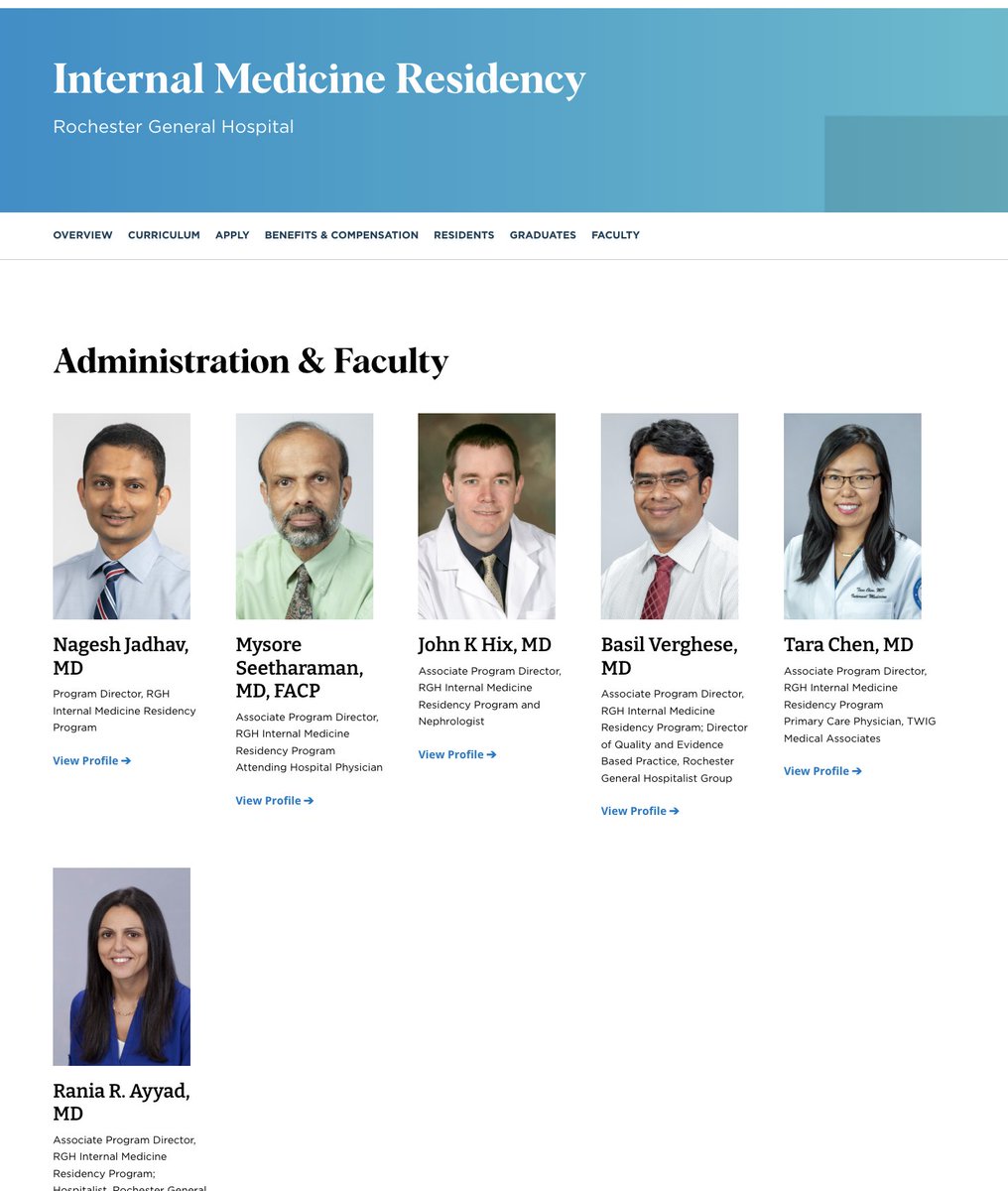
When you hear “Baptist hospital in Montgomery, Alabama,” is this the residency class you picture?
Broken laws got us to the point where we have a doctor trained at the Government Medical College in Bhavnagar, India leading a residency program where 23/24 residents are foreign med school grads.
Americans are forced to spend 4 years in college before they can even start medical school.
These third world doctors enter medical school straight from high school, and still become equally qualified for US residency.
Americans have to take on the extra time and debt. How is that fair?
@ChandlerForPB Academia is an even bigger problem and at this point, it deserves to be treated as a national crisis.
Tax payer funded universities prioritize institutional interests, political agendas and foreign labor pipelines over the interests of Americans.
👇
https://t.co/cIzI0lbqvL
@PlumbNick Where else is this happening?
-STEM faculty and PhD students at all universities.
-Graduate and teaching assistantship staffed by master’s students at all universities.
-On-campus jobs at all universities.
Americans are not prepared for what you’ll find.
It is a national crisis.
@TunaUstunkaya@anish_koka Doc, you’re missing the issue. It’s about ethnic nepotism, favoritism and conflicts of interest within programs that were originally created to address genuine shortages.
When programs designed to fill gaps are hijacked by particular networks, American applicants bear the cost.
@BrentAWilliams2 You’ve diagnosed the issue correctly. Kudos.
The part that often gets ignored:Americans already make up the majority of physicians practicing in so-called shortage areas.
The answer to remaining shortages isn’t to make the U.S. permanently dependent on foreign-trained physicians.
@TunaUstunkaya@anish_koka Yes. That shortage should create an urgent mandate to train more Americans to fill those positions.
A shortage is not an argument for permanent dependence on foreigners. It is an argument to expand medical-school and residency, remove bottlenecks and build a domestic pipeline.