Strong progress from our first wave of invites for the Greensboro College #NCUnited MS practice...40 invites out, 31 Registered. 12 clubs represented covering the entire state from the beaches to the mountains! @cartakedowntalk
📍 (31) Registered
📍 (12) Clubs UNITED
📍 August, 10th 10:00 AM - 1:00 PM
📍 Greensboro College
@mike_macch@carolinamatnews@CarTakedowntalk #NCWrestlingUnited #NCUnited #NCWrestling #KeepPushing @theericaponte
Eat foods that fuel your mind and muscles! Here’s a grocery list for athletes starting summer training tomorrow!
It’s Sunday and you have plenty of time to get to the grocery store, cook, and plan ahead for the week‼️
Remember, champions are built in the off-season with proper nutrition, sleep, hydration, recovery, and consistency in training!
Even if your role is to bring energy and enthusiasm from the bench, you can make a difference.
Energy is contagious, make sure yours is worth catching.
~ via @BallIsPsych
📹 @CBSSportsCBB
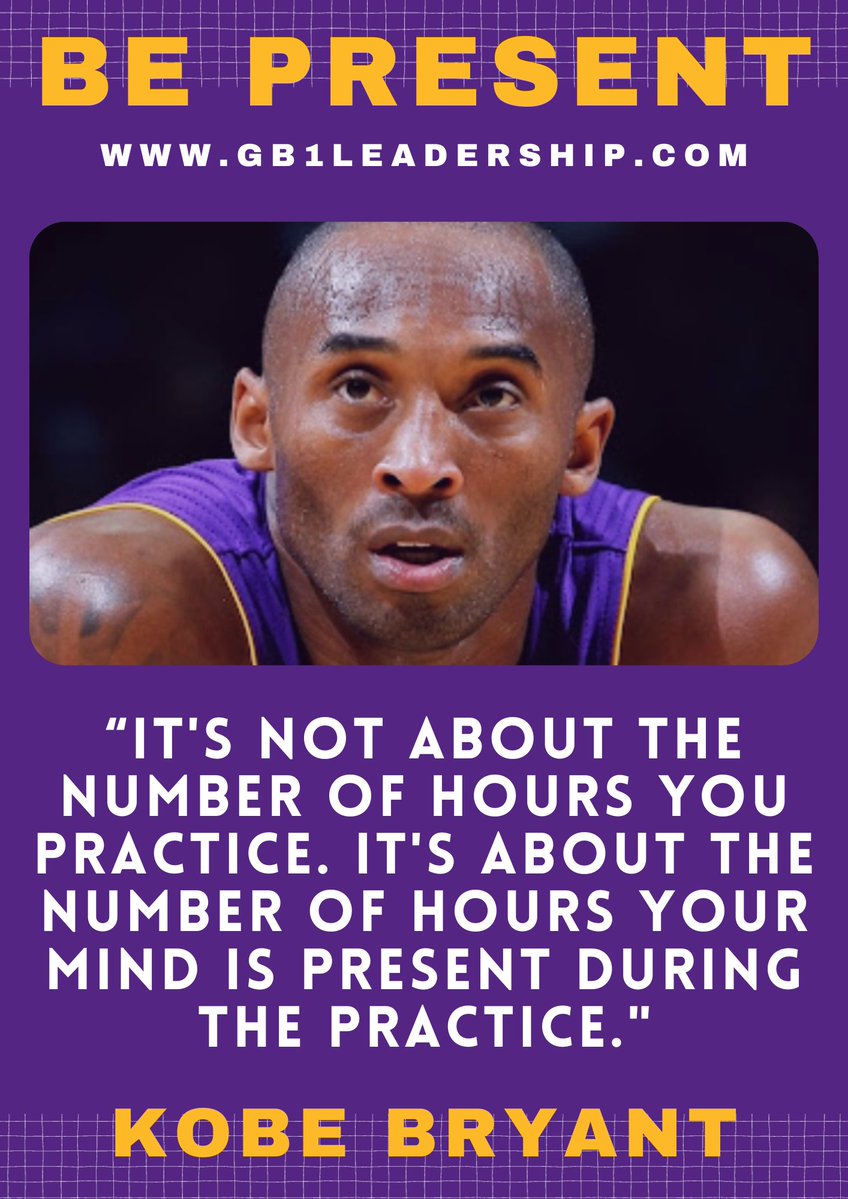
Kobe Bryant said, "It's not about the number of hours you practice. It's about the number of hours your mind is present during the practice."
Be Present.
How we do things matters.
Here are 3 takeaways for athletes and coaches...
1. Quality Over Quantity: Effective practice is not about time but about the level of focus and engagement during that time. Athletes should prioritize the quality of their practice sessions, ensuring that they are mentally present and fully committed to improving specific skills.
2. Mindset Matters: Mindful and focused attention during practice matters. Athletes should create a positive and disciplined mental state to maximize the impact of their training. This includes being fully engaged, eliminating distractions, and maintaining a strong mental presence to enhance their skill development and performance.
3. Strategic Practice: Athletes should approach their practice sessions strategically. Have a purpose. What is your goal today? Instead of mindlessly going through the motions, have a purposeful plan for improvement. Setting goals, addressing weaknesses, and consistently challenging oneself to grow. Strategic practice, with a mindful approach, can lead to more significant progress and success in sports.
Remember that the HOW matters.
Focus on the quality of your time rather than the quantity of time. Find balance and remember that less is often more.
Be Present.
_____
Follow me @gregberge for more actionable ideas on coaching, leadership, and personal growth.
Subscribe to my newsletter, 🏆 Great Teams Better Leaders 123. Find it for free in my profile above.
Team Culture is Fragile.
It takes daily attention.
Here are 10 things that can HURT a Team Culture
Drip by Drip.
1: Showing up Late
Being late tells your team that ME > WE. This is a dangerous place to go. Respect your teammates time. Respect your coaches time. Be on time.
2: Skipping Reps
Every rep creates a habit. Skipping reps is how you get worse as a player. This is how you get worse as a team. This is a culture killer.
3: Not Holding others Accountable
All teams need leaders. If leaders don’t hold others accountable. The team culture loses. The team loses.
4: Bad Body Language
Body Language screams. Want to destroy a culture. Bring negative energy with bad body language.
5: Taking Plays Off
Can I Trust you as my teammate? Not if you take plays off. If you play when you want to play. You will kill your culture.
6: Complaining about your Role
Not happy at about your role? Want to hurt the team? Complain about your role. This will eat away at your culture and hurt your team.
7: Bad Mouthing your Teammates
Easy way to hurt your team and kill your culture. Talk bad about your teammates. It will eat at your culture every time.
8: Sloppy Practices
Sloppy practices = sloppy games. They create bad habits. They eat away at culture. Mediocrity follows.
9: Not focused on Details
Details win games. Not focusing on details loses games. Skip details and impact your culture.
10: No Eye Contact
Tells the coach you don’t care. Tells your teammates you don’t care. Tells the team it is all about you. Note: there are some cultures where this is accepted. Know your players.
——
Follow me @gregberge for actionable ideas on coaching, leadership, culture, and teams.
Join 10,000+ others and subscribe to my free weekly newsletter, 🏆 Great Teams Better Leaders 123. Link in my profile.
7 Ways to Be Coachable:
1. Ask questions
2. Listen with your eyes
3. Give 100% in all you do
4. Accept feedback & criticism
5. Keep the TEAM at the forefront
6. Follow through with what is asked
7. Keep a growth mindset in all you do
Coachable Athletes Make Great Teams.
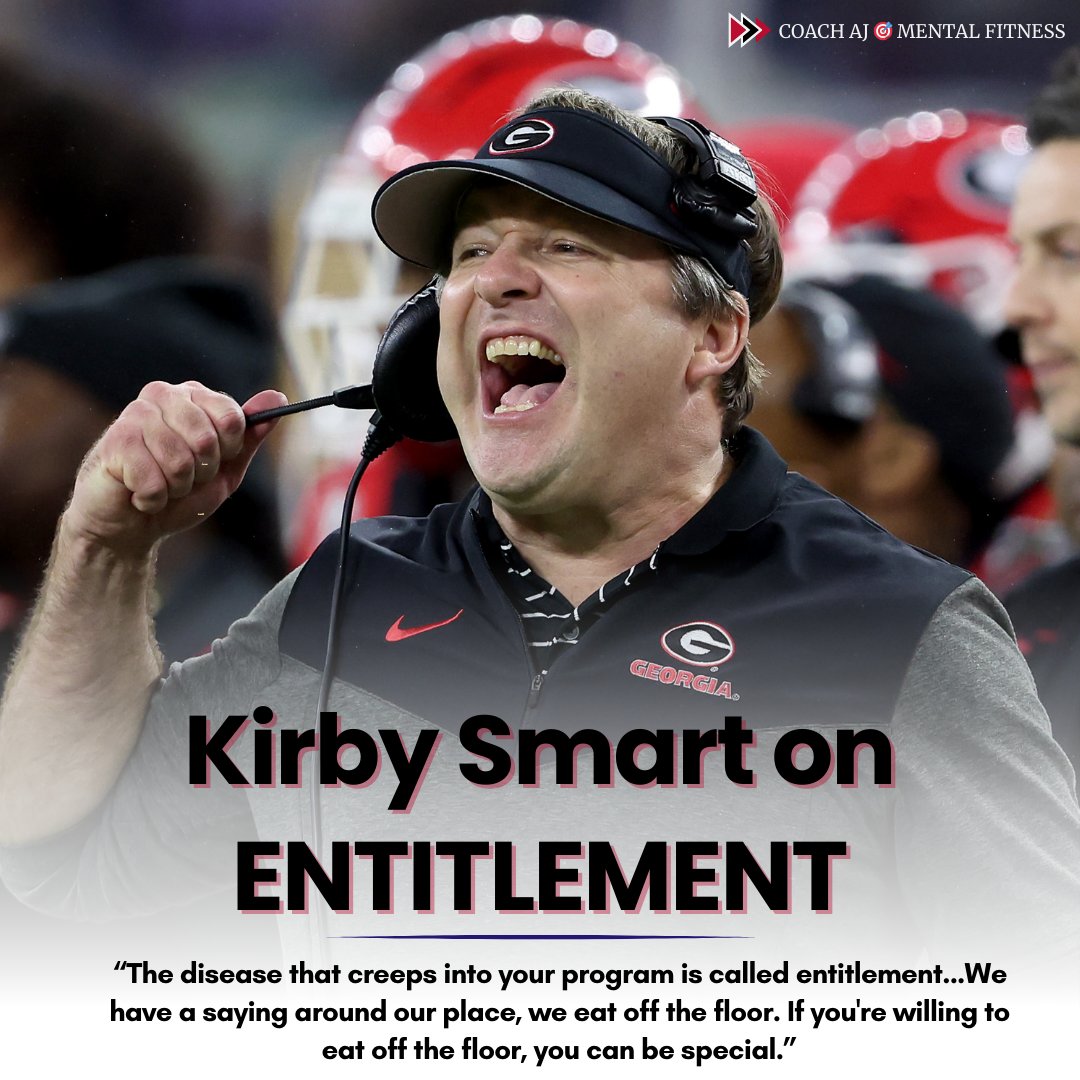
Kirby Smart said, "The disease that creeps into your program is called entitlement...We have a saying around our place, we eat off the floor. If you're willing to eat off the floor, you can be special."
Entitlement is the enemy of hard work.
It's the delusion that you deserve something that you haven't earned.
• Entitlement is the enemy of progress.
• Entitlement means you're lacking in gratitude.
• Entitlement means you're not living with a growth-mindset.
6 Ways to Get Entitlement Out of Your Culture
1. Lead by Example - Leaders should demonstrate humility and a non-entitled attitude. Leading by example is not about your position or title, it's about your behavior. When leaders show they don't consider themselves above others, it sets a tone for the team, discouraging entitlement.
2. Create a Culture of Growth - When you have a mindset of excellence and improvement then the growth will never stop. Encourage a place where learning from failures, continuous self-improvement, and personal development are valued. This promotes humility and helps people understand that effort and learning are key to success, not just inherent talent or privilege.
3. Foster a Culture of Gratitude - Create an environment where gratitude and humility are valued. Encourage people to appreciate what they have and the efforts of others. You can be entitled when you are grateful for every day and every opportunity. This mindset will reduce the feelings of entitlement and promote a more cooperative and appreciative culture.
4. Set Clear Expectations and Accountability - When people know what to expect, they know how to act. Clearly define roles, responsibilities, and goals. When team members know what is expected, they understand that success is a result of meeting these objectives, not just a default outcome.
5. Encourage Service and Empathy - Promote activities that involve serving others or contributing to the team. When people know each other and care for each other, they connect and lack feelings of entitlements. It helps drive collaboration, empathy, and service to the team. People understand the value of contributing, as opposed to expecting things without effort.
6. Regularly Assess and Adjust - Continuously evaluate the team's culture and make adjustments as needed. Regular assessment helps identify entitlement issues early and allows for timely interventions to maintain a healthy, collaborative team environment.
"We don't run from hard work; our kids don't run from work. As long as you don't have entitlement in your program, you got a shot." - Kirby Smart
- - -
Follow @coachajkings for more posts like this!
As a father of 2 high school athletes, I tell my kids ALL the time...
"Listen to your Coach. Work your a** off. Prove your worth. Effort is 100% in your control."
I will NOT tolerate lazy kids. It is unacceptable.
The Work is the GIFT.
Being a Head Coach is Hard.
Most people have no idea.
Unless you have done the job, you don't know.
Here are the 8 Realities of Being a HEAD COACH:
1: It will consume you - Coaching is more than just a job - it's a way of life. You'll spend countless hours planning practices, analyzing game footage, and strategizing for the next big game. But when your team succeeds, it makes it all worth it!
2: There will be critics - No matter how well you perform or do your job, there will always be people who criticize your decisions and strategies. Know and Accept this. Remember, you know your team better than anyone.
3: You are not in it for the money - High School Coaching is not a job that pays well, but it's not about the money. It is a calling. It is a lifestyle. It's about the love of the game and the desire to help young athletes grow and develop into their full potential.
4: There is no overnight success - Building a successful team takes time, patience, and dedication. There will be ups and downs, but if you stay the course and keep pushing forward, you'll see the results. The #1 job of a coach is to Build Culture.
5: You need a supportive spouse - This should be #1 on the list for many! Coaching can strain your family. Having a spouse who understands and supports your passion is CRITICAL. Make sure to take the time to show your appreciation and give back.
6: You will not make everyone happy - As a coach, you will make tough decisions that not everyone will agree with. This happens a lot. But remember, you're in it for the team’s benefit, not just one individual. You will never make everyone happy. So make you happy.
7: You can't want it more than the kids - As a coach, you can inspire & motivate your players, but ultimately, they must want it. This can be hard for a younger coach. Encourage them to work hard & set goals. Let them take ownership of their success.
8: It is still WORTH it! - Despite the challenges, being a coach is incredibly rewarding! Watching your players grow & develop into strong, confident young adults is one of the best feelings in the world.
-----
Follow me @gregberge for more Actionable Ideas on Coaching, Leadership, Culture, and Teams.
Join thousands of others and subscribe to my free weekly newsletter. The subscription link is in my profile.
Join us today as the Northeastern Men & Women hit the mat at Pasquotank HS for a thrilling tri-meet against Lawrence Academy. It's the start of the Wrestling Eagles Conference Season – your support means everything. Go Eagles! 🦅 #TakedownWinRepeat#RunThisTownTonight
Student-athletes who skip class, hide in the weight room, disrespect teachers, and make excuses are bad teammates. How you do one thing, is how you’ll do everything. You can’t flip the switch. Being a winner is about being consistently good.
~ via @CoachMongero
11 Things Great Teammates DON’T Do:
1. Quit
2. Blame
3. Complain
4. Bring Drama
5. Point Fingers
6. Show Up Late
7. Make Excuses
8. Make Poor Choices
9. Run From a Challenge
10. Bring Negative Energy
11. Badmouth Teammates
Be a Great Teammate.