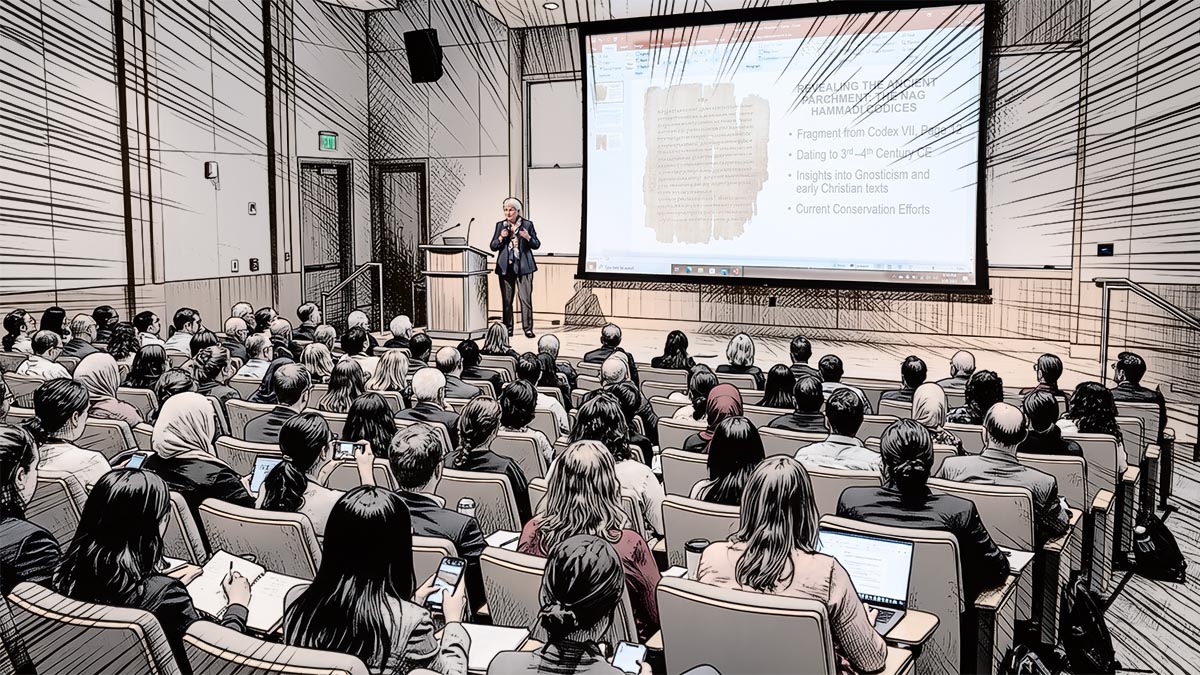
Our Bible and Beyond Substack offers an occasional update on current scholarship related to extracanonical writings or biblical issues. Today, we feature David Brakke, who specializes in Gnosticism and Egyptian Christianity. https://t.co/EkQ74KKsMY
Readers new to the #NagHammadi writings often expect to encounter a unified body of ideas in sharp contrast to biblical tradition. But Chance Bonar’s article on the Exegesis of the Soul demonstrates the value of examining individual texts. https://t.co/C5NllpdrEl
What did the #Hermetica and early Christianity have in common? On the #BibleAndBeyond podcast, Dr. David Litwa discusses Hermetism, gnosis, spiritual rebirth, divine consciousness, and the search for the true self inspired by his new book, Hermetica I. https://t.co/UQe67UiEFe
People usually think of the Hebrew Bible, the teachings of Jesus, or letters of Paul when they think about the intellectual roots of Christianity. But Philo, a Jewish thinker, is among the great contributors to Christian thinking also. https://t.co/nhMGAh6eqx
Keep up with scholarship on Nag Hammadi and Apocryphal writings! Two Bible and Beyond recommendations for conferences this summer: 13th International Congress of Coptic Studies (July 27 – August 1, 2026) and SBL International Meeting (July 5 – 9, 2026) https://t.co/ihzodkkDe4
Today’s Bible and Beyond Substack book review features Candida Moss’s God’s Ghostwriters. She challenges readers to reconsider the origins of the New Testament by highlighting the hidden role of enslaved people in its production and interpretation. https://t.co/8gihKhcapE
In the 7th century, Christianity was a political, social, and economic system that supplied power, survival, and success in a world of instability. Read the 12th (and last!) post in the Christianity-by-the-Century #BibleAndBeyond series.
https://t.co/Kfzjx4HvuE
Lilith is one of Judaism’s most feared figures—but she appears only once in the Hebrew Bible (Isa 34:14). Even stranger: the Septuagint translates her as “donkey-centaurs.” Why? Bible and Beyond Discussion with Prof. Matthew Goff. Mon, May 18, 8pm ET. Free
https://t.co/bAgCDlsjr5
Was #SimonMagus really a villain? In Acts, he repents. Later texts turn him into Peter’s rival. What changed—and why? A fascinating look at truth, rhetoric, and early Christianity. #BibleAndBeyond podcast interview with Dr. Benjamin De Vos
https://t.co/0bJnhMJM5u
In “Gnostic and Catholic Appropriations of Platonism” by Albert Roland Haig, he concludes that the ancient Gnostic attempt to reconcile Platonism and the Bible deserves renewed attention. See the review on https://t.co/skjEgGxXzj https://t.co/8giqPsCer3
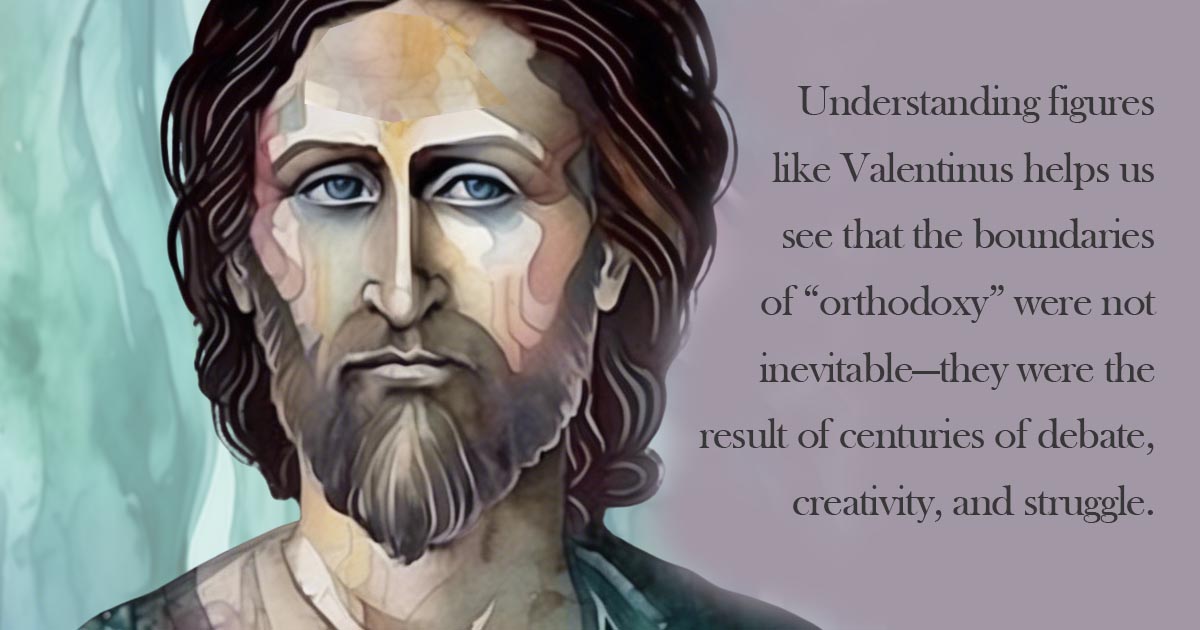
Understanding figures like #Valentinus helps us see that the boundaries of “orthodoxy” were not inevitable—they were the result of centuries of debate, creativity, and struggle. Read more in this week's #BibleAndBeyond Substack post. Link in comments.
Careful Bible study can challenge what we thought we knew. @religionprof will discuss biblical reconstruction—moving beyond disillusionment toward an informed appreciation of diverse scriptural writings. #BibleAndBeyond Mon, April 27, 8pm ET. https://t.co/bAgCDlsjr5
NEW THIS MONTH! We hope you'll take a minute to check out our new #BibleandBeyond Substack publication. We're taking a deep dive into early Christian texts and Jesus followers. Our first post: Book Review. Jesus and Justice by Crossan and Okinczyc-Cruz https://t.co/k3Aq0OEHuk
What does it mean to be Christian when the world feels like it’s falling apart? The 6th century faced plague, climate disruption, political upheaval, and deep division. Out of that instability came new forms of spiritual life. New #BibleAndBeyond blog post https://t.co/qsGFfSRDH1
#Gnosis isn’t really outside Christianity; it’s at its heart. So says Rev. Dr. Bridget Mary Meehan, a Roman Catholic womanpriest speaking on the #BibleAndBeyond podcast about #mysticism, women’s leadership, and the #GospelOfMary. #EarlyChristianity https://t.co/VPGEHBffLT
When did the Jesus movement become “Christianity”? Join us with Prof. Adèle Reinhartz as we explore how 19th–21st century scholarship — from Great Man theory to #postmodernism — shaped answers to that question. Free Zoom at the #BibleAndBeyond Discussion
https://t.co/bAgCDlsjr5