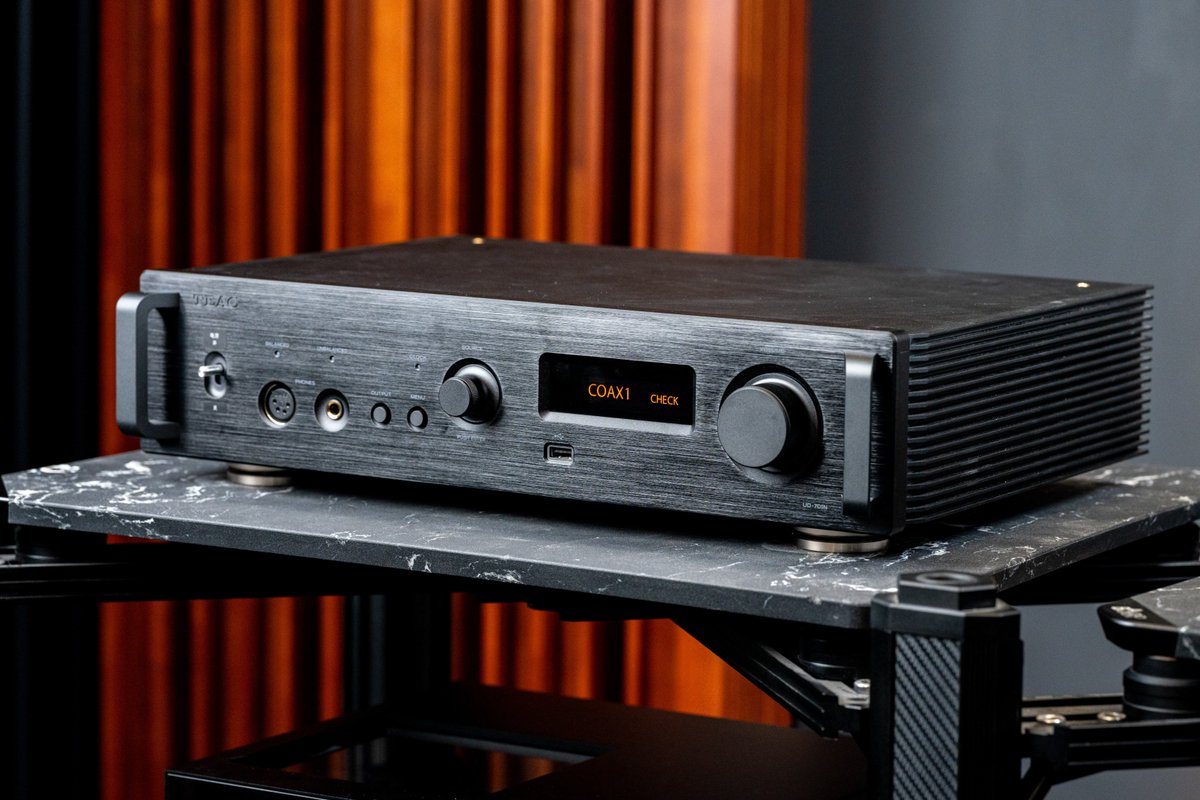
TEAC UD-701N SP
An all-in-one unit combining streaming, DAC, headphone amp, and preamp functions.
🔹 Refined craftsmanship
🔹 Great usability
🔹 Strong all-round performance
🔹 New vs. old UD-701N cloud listening comparison in the video
Full review on YouTube: https://t.co/xoZyiX9SUw
#HiFi #DAC #Streamer #Review #TEAC #audiophile #headphones
A Cross-Line Review of the @VisionEars_de Custom Line Series
Vision Ears (VE) has long been regarded as one of the defining names in the high-end custom in-ear monitor market. Early VE products carried premium pricing and were difficult to audition, which helped establish a strong reputation among experienced audiophiles. In later years, the company introduced universal-fit versions of selected models, including EVE20 and the renowned Erlkönig, a flagship IEM that remained a topic of discussion for years thanks to its exceptionally dense vocals and emotional presentation.
After 2020, VE gradually made its classic custom series available in universal form, allowing a wider audience to experience the brand’s sound. During this period, I had the opportunity to audition multiple generations of VE products and follow the evolution of the lineup. Personally, I have never been particularly drawn to heavily colored, immediately impressive tunings such as the Erlkönig. Instead, what I appreciate most about Vision Ears is its airy treble presentation and expansive staging—qualities that have become core elements of the brand’s sonic identity. In 2025, Vision Ears launched the new Custom Line series. Judged purely by driver count and hardware specifications, the lineup does not appear especially competitive in today’s market. Nevertheless, the series has attracted considerable attention among audiophiles worldwide. The reason is simple: VE’s long-term appeal has never been based on driver counts, but on a mature tuning philosophy refined over many years. The Custom Line series demonstrates that philosophy perfectly, offering distinct personalities while maintaining a consistent underlying sonic DNA.
Subjective Overview (Personal Recommendation Rating)
VE PRO | ★★★★★ | 1 Dynamic + 3 Balanced Armatures
The value champion of the lineup. Spacious staging, refined timbre, and excellent long-term listenability. Particularly well suited for folk, new age, chamber music, and concertos.
VE ZEN | ★★★★ | 1 Dynamic + 9 Balanced
Armatures The most technically capable model in the series. Dense, highly resolving, and lively through the upper mids and treble. Extremely versatile but sensitive to source quality and system matching, making it a better fit for experienced enthusiasts.
VE XCON | ★★★½ | 6 Balanced Armatures
A dual-mode design with exceptional versatility. X1 offers substantial bass weight and deep extension, while X2 emphasizes transparency and upper-frequency clarity. Ideal for listeners who enjoy experimenting with different setups.
VE ONE | ★★★ | 1 Dynamic + 1 Balanced Armature
A tuning focused on specific genres with obvious trade-offs. Strong mid-bass atmosphere and rhythm-driven presentation make it suitable for contemporary pop, though overall technical performance is limited.
VE PURE | ★★★ | 7 Balanced Armatures
Rich vocals and intimate imaging. Particularly effective with slower vocal-centric recordings and relatively forgiving of recording quality. Strongly reflects a classic European tuning philosophy.
Rather than ranking the lineup by price, this article groups the models according to their sonic character.
The “Fun Pop” Group: VE ONE & VE PURE
Although VE ONE and VE PURE use very different driver configurations, both are designed with vocal music in mind and represent two distinct interpretations of the genre. As the entry model in the series, VE ONE places strong emphasis on percussion and vocals. Its bass is full-bodied, soft-edged, and reverberant, delivering impressive impact and energy. Many bass-oriented IEMs compromise midrange clarity in pursuit of low-end quantity, but VE ONE maintains respectable separation between bass and mids, allowing vocal images to remain well defined and intelligible. The limitations become apparent with more complex arrangements, however, where instruments such as piano and saxophone tend to occupy a less prominent role in the overall presentation.
VE PURE can be viewed as a more refined evolution of the same concept. It offers higher technical performance, richer midrange body, smoother imaging, and significantly better bass layering. As a result, it excels with densely arranged pop productions, electronic music, and atmospheric contemporary recordings. At its price, the tuning is highly distinctive and certainly not designed to please everyone. In many ways, it embodies the traditional European preference for rich tonal density and immersive musicality.
Despite their emphasis on vocals and low-end engagement, neither VE ONE nor VE PURE follows the common approach of rolling off the treble to create warmth. Both retain respectable extension and air in the upper frequencies. This additional openness helps balance the bass energy, reducing congestion while improving long-term listening comfort.
The “Advanced Enthusiast” Group: VE ZEN & VE XCON
VE ZEN occupies the flagship position within the Custom Line series and delivers the highest level of technical performance. Within its price bracket, it deserves consideration as a benchmark-caliber product. Its greatest strengths lie in upper-midrange density and an expansive, oval-shaped soundstage filled with micro-detail. Treble extension is excellent, harmonic overtones are abundant, and transparency remains consistently high. The midrange is clean and highly revealing, making it easy to hear vocal texture, throat resonance, and subtle nuances of articulation. Despite its resolving nature, ZEN never becomes a purely analytical monitor. A tasteful amount of coloration in the upper frequencies introduces a sense of elegance and grandeur. String instruments exhibit a luminous sheen, while brass and woodwinds possess remarkable brilliance and vitality.
Compared to the rest of the lineup, VE ZEN is significantly more demanding of source equipment. Sources with strong output power but insufficient control can cause the treble to become overly energetic and fatiguing. Conversely, weaker sources may fail to fully develop the stage dimensions and dynamic range. High-end digital audio players such as the Astell&Kern SP4000 are excellent partners. Warm-leaning portable DAC/amps, including the xDuoo XD05T and ONIX Mystic, can also provide an effective balance of power delivery and tonal synergy. When paired appropriately, VE ZEN proves remarkably versatile across genres. Its revealing nature, however, makes it less forgiving of poor recordings. Listeners who find the treble too energetic may benefit from experimenting with eartips. Both the C-type tips and AZLA Foamax can soften the presentation, with Foamax producing the more subtle overall adjustment.
VE XCON, by contrast, is aimed at listeners who value versatility and experimentation. Rather than relying on a conventional physical tuning switch, it employs a dedicated tuning tool that fundamentally changes the presentation. The difference between the two modes is substantial, and each is sufficiently complete to function as a reference-grade tuning in its own right.
In X2 mode, the stage becomes wide, bright, and highly transparent. Treble penetration increases, midrange accuracy remains excellent, and imaging precision approaches monitor-like neutrality. While technically impressive, X2 can sound somewhat serious and restrained for casual listening. X1 serves as a complementary alternative. Energy shifts toward the bass and lower mids, producing greater weight, stronger extension, and a more engaging sense of momentum. Pop vocals and instrumental solos benefit from improved musical flow and liveliness, while recording quality becomes slightly less critical than in X2 mode.
Both VE ZEN and VE XCON reward careful system matching and are best suited to experienced enthusiasts willing to invest time and resources into optimizing their setups.
The Value Leader: VE PRO
The strengths of VE ONE and VE PURE are immediately obvious upon first listen. VE PRO, on the other hand, reveals its virtues more gradually and may be easier to appreciate for listeners with some prior audiophile experience. On paper, its four-driver configuration appears modest by contemporary standards. In practice, however, it is the model I return to most frequently, largely because of its exceptional treble tuning.
VE PRO delivers abundant air and effortless smoothness in the upper frequencies. Instruments such as triangle, violin, and piccolo benefit from natural extension and convincing decay. The presentation feels spacious and open, yet never sharp or fatiguing. Soundstage dimensions and depth exceed what one would normally expect from a four-driver design. While it performs beautifully with solo works and chamber music, it is equally capable with larger-scale pieces such as piano and violin concertos. Instrument placement remains precise, timbre is convincing, and orchestral passages retain excellent organization. When listening to Scheherazade, for example, the violin solo is rendered with rich harmonic texture and a silky, refined character. During full orchestral climaxes, layers remain distinct and the stage never collapses into congestion.
VE PRO is not limited to classical music. Its upper-midrange carries a subtle degree of coloration that lends female vocals a fresh, warm, and inviting quality without sounding overly sweet. Opera, musical theatre, and artists such as Enya or Celtic Woman are particularly rewarding. These recordings often combine intricate arrangements with layered vocal textures, allowing VE PRO to demonstrate both its tonal sophistication and spatial capabilities. Even moderately recorded J-Pop vocals benefit from the model’s gentle smoothing effect. In terms of musical engagement and versatility, VE PRO competes surprisingly closely with the flagship VE ZEN. On some large-scale orchestral works, it can even sound more natural than several of its higher-priced siblings. Another major advantage is its forgiving nature regarding source equipment. It performs admirably from a simple dongle DAC while still scaling with higher-end systems.
At its price point, there are quantities of competitors emphasizing driver count and technical specifications. VE PRO does not stand out through sheer density or raw resolution. Instead, its appeal lies in a distinctive tonal aesthetic, compact and comfortable shell design, German-made custom craftsmanship, the airy treble and spacious staging that define the Vision Ears house sound, and exceptionally low amplification requirements. Taken as a whole, VE PRO represents the strongest value proposition within the entire Custom Line series.
Conclusion
A common question surrounding the 2025 Vision Ears Custom Line concerns its continued reliance on driver technologies that are no longer considered cutting-edge. Yet these five models collectively demonstrate a philosophy that places tuning above specification sheets. Each model possesses a unique personality, while treble openness and spatial presentation remain consistent priorities throughout the lineup. At a time when the industry often appears locked in a race for ever-increasing driver counts, the Custom Line series serves as a reminder that meaningful sound quality is determined by implementation rather than hardware quantity alone. Looking back at legendary Vision Ears products such as the Erlkönig and Phönix, the same tuning philosophy remains clearly recognizable. The enduring reputation of both the brand and its classic models has never been built on specifications, but on the strength of a coherent and distinctive sonic vision.
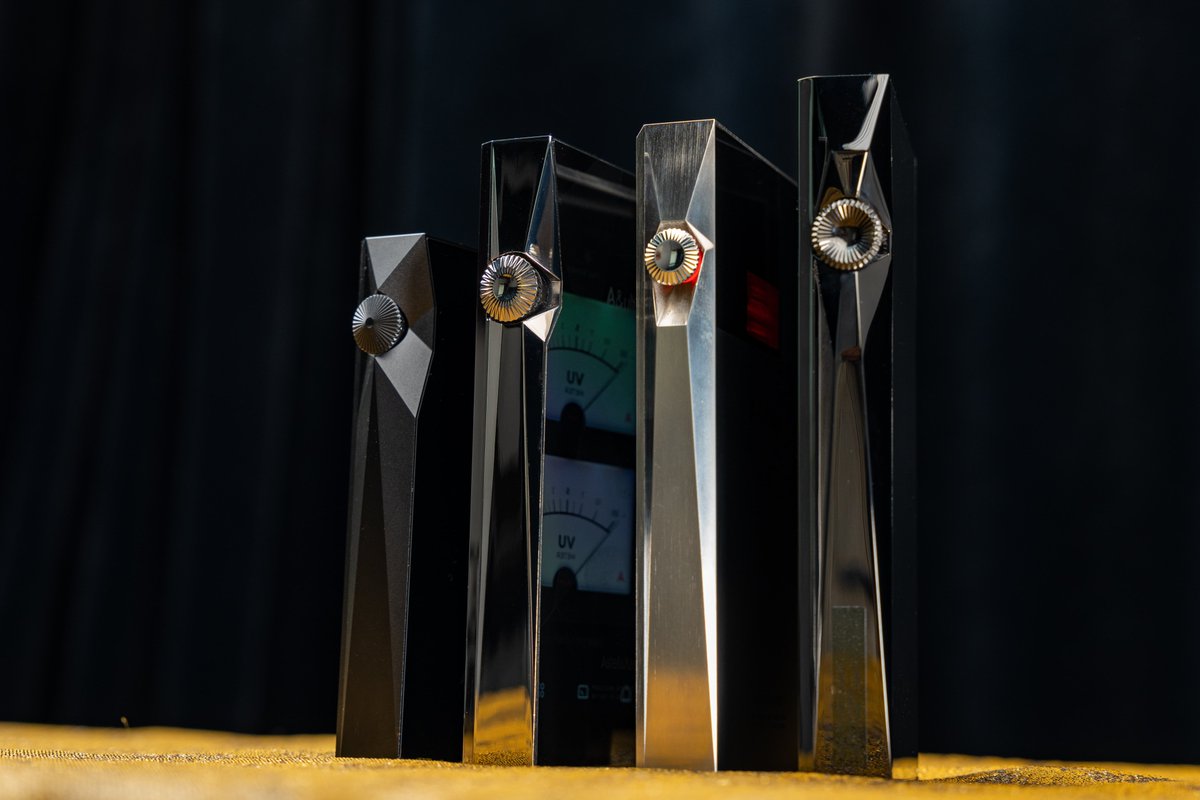
Navigating the @astellnkern SP Series: A Practical Comparison Guide
It is rare to see multiple flagship players from the same brand remain on the market simultaneously, each offering a distinct identity and user experience. Astell&Kern has managed exactly that. This guide provides a comprehensive comparison of the SP4000, SP3000T, SP3000M, and SP3000. As with all HiFi portable gear, listening impressions are highly dependent on individual preferences, earphones, and usage scenarios. Every player represents a balance between portability, performance, tuning, and functionality. The purpose of this comparison is not to identify a single “best” model, but to help different users find the right one for their needs.
Although the SP3000 has officially been discontinued, it remains an essential reference point for evaluating the rest of the lineup.
For quick reference:
User Experience: SP3000M > SP4000 > SP3000T = SP3000
Technical Performance: SP4000 > SP3000 > SP3000M ≈ SP3000T
Versatility & Customization: SP3000T > SP4000 > SP3000M = SP3000
System Matching Flexibility: SP4000 = SP3000T > SP3000 > SP3000M
SP3000 & SP4000: Reference-Class Flagships for Those with the Budget
The SP4000 can be viewed as a comprehensive evolution of the SP3000, as both players share a broadly similar architectural foundation.
The SP3000 was a milestone product for Astell&Kern. Earlier A&K flagships were known for excellent resolution but generally leaned toward a smoother, more relaxed presentation that particularly favored vocal music and New Age recordings. With the SP3000, A&K refined its tuning philosophy, preserving its signature detail retrieval and refined imaging while reducing the softening effect in the upper midrange and treble. The result was a more neutral, transparent, and balanced sound signature. Following its release, many enthusiasts regarded the SP3000 as one of the most versatile flagships in A&K’s history. During its lifecycle, the company introduced the SP3000T and SP3000M to address different usage priorities. A true successor designed to comprehensively surpass the SP3000 did not arrive until several years later in the form of the SP4000.
Like the SP3000, the SP4000 features a clean tonal foundation, strong separation, and relatively low coloration. It applies subtle refinement to sibilance and high-frequency overtones, improving long-term listenability without sacrificing detail. Across a wide variety of genres, it delivers a natural and realistic presentation through a combination of high density and excellent resolution. While the SP3000 already established a benchmark-level tuning platform, the SP4000 pushes further. It increases energy across the frequency spectrum and expands overall staging scale, resulting in a grander and more authoritative presentation. The improvement in technical performance comes primarily from increased information retrieval rather than artificially heightened sharpness or contrast. With large-scale orchestral recordings, the SP4000 creates a more spacious and three-dimensional soundstage, greater image density, and faster transient response, clearly establishing its generational advantage over the SP3000.
One of the SP4000’s most notable additions is High Driving Mode, which produces a surprisingly audible difference compared to the standard mode. In standard mode, the sound remains neutral and composed, closely resembling the SP3000. The soundstage takes on a more rounded shape, while bass impact remains controlled and restrained. Switching to High Driving Mode increases bass quantity and transforms the stage into a wider, more elliptical presentation. Instrument placement becomes more spacious, and the overall scale of the performance expands noticeably. With easy-to-drive IEMs, the technical gap between the two modes is relatively small. Standard mode prioritizes overall coherence and slightly smooths certain details, while High Driving Mode presents information more directly and completely. The latter is especially beneficial for planar IEMs and portable over-ear headphones. When paired with the brand’s LUNA headphone, High Driving Mode unlocks significantly greater impact, speed, and dynamic authority.
Compared with other flagship digital audio players across the market, the SP4000 delivers excellent all-round performance with outstanding compatibility across genres and headphones. The Snapdragon octa-core processor and fully open Android operating system provide some of the smoothest user experience in A&K’s history. The trade-off is its substantial size and weight. With its angular industrial design and larger footprint, it often feels more like a transportable desktop companion than a true pocket-sized player.
SP3000T: The Tinkerer’s Flagship
The SP3000T offers the most extensive tonal customization options of any Astell&Kern flagship to date, making it particularly appealing to experienced enthusiasts who enjoy experimenting with system synergy. It is not the most technically capable player among the four models, but its innovative sound-shaping architecture gives it a unique place in the lineup.
While the SP3000 employs a dual AK4191EQ and quad AK4499EX DAC configuration, the SP3000T utilizes a 2+2 DAC architecture alongside two JAN6418 Raytheon vacuum tubes. In terms of absolute technical performance, it trails the SP3000 by roughly half a tier. Image edge definition, density, and separation are slightly less refined. However, pure technical performance is not the primary focus of the SP3000T. Its defining feature is its variable amplification topology. Most tube-based digital audio players offer only transistor and tube modes. The SP3000T provides three distinct amplification modes: OP AMP (transistor), TUBE AMP, and HYBRID AMP. In Hybrid mode, users can blend transistor and tube amplification in five different ratios. Both Tube and Hybrid modes also include three current settings - High, Mid, and Low.
The transistor mode serves as the player’s baseline tuning. It retains much of A&K’s traditional smooth and elegant character, combining clear lines, open treble, controlled decay, and moderate bass rebound speed. This mode performs well across a broad range of genres, including pop vocals, folk, and chamber music. Its primary limitation lies in macro-dynamics. While micro-dynamic layering remains respectable, large-scale orchestral works lack the sense of authority and momentum delivered by the strongest flagships.
The tube mode is the true centerpiece of the SP3000T. Compared with the earlier SP2000T, the implementation feels significantly more mature and refined. In full tube mode, the presentation becomes richer, sweeter, and more emotionally engaging. Image outlines gain a gentle softness, the midrange becomes more vivid and expressive, and bass decay contributes a satisfying sense of musical ambience. The five Hybrid settings allow users to precisely tailor the amount of tube character to their personal taste. As with all tube designs, there are unavoidable physical limitations. Mechanical vibrations can occasionally induce slight tube ringing or microphonic effects, making the player less ideal for active mobile use.
Thanks to its extensive tonal adjustment options, the SP3000T often pairs exceptionally well with earphones that are otherwise difficult to match due to aggressive or sharp tuning. Among the four players, it is arguably the strongest performer when it comes to IEM pairing flexibility. The SP4000 counters with greater driving power and superior headphone compatibility, making the two roughly comparable in overall versatility. Even today, within the USD $2,000–$3,000 flagship segment, the SP3000T remains one of the most engaging and customizable digital audio players available.
SP3000M: Maximum Portability with Strategic Compromises
Any compact flagship player inevitably requires compromises, yet the pursuit of portability continues to attract a dedicated audience.
The SP3000M is compact enough for comfortable one-handed operation and weighs just 237 grams, making it the most affordable model among the four. Its dual-sided PCB layout incorporates the same AK4191EQ and AK4499EX DAC architecture found in the SP3000. At its core, the SP3000M’s decoding platform is stronger than that of the SP3000T and remains surprisingly close to the SP3000. Most of the compromises occur within the amplification stage. Single-ended output performance is relatively modest, and channel separation is less impressive, making balanced output the preferred choice. The limited power output ultimately constrains the player’s ability to fully realize its technical potential. With more demanding IEMs, the SP3000T demonstrates superior driving capability, resulting in larger staging and stronger separation. The SP3000M counters with greater information retrieval in the upper frequencies, placing the two models in a similar overall performance tier.
When paired with highly efficient flagship IEMs such as the NOBLE Audio KRONOS or QILIN, the SP3000M approaches the technical level of the SP3000. In some cases, its vocal presentation can even be more immediately pleasing. Its stage is slightly smaller and more intimate, but image density remains high, with refined note structure and smooth presentation. Vocal positioning is precise, and emotional expression is rendered with convincing tension and engagement.
Portability remains the SP3000M’s defining strength. It is easily the most travel-friendly device among the four models. The compact form factor inevitably brings trade-offs: weaker driving power than its larger siblings and faster battery consumption. Nevertheless, within the compact flagship category, it remains one of the most balanced and least compromised options currently available.
Conclusion
Astell&Kern’s multi-flagship strategy is unusual in today’s market. Each model offers a distinct tuning philosophy, spanning smooth refinement, grand scale, and highly customizable tonal flexibility.
Launching multiple flagship players with clearly differentiated sonic identities requires both substantial engineering resources and sophisticated tuning expertise. Despite the slower pace of DAC innovation in recent years, A&K has successfully leveraged the AK4191EQ and AK4499EX platform to create several genuinely distinct listening experiences. Ultimately, choosing the right model comes down to balancing budget, portability requirements, driving power needs, and personal tuning preferences.
Can a wireless headphone be an audiophile king?
The @Sennheiser HDB 630 makes a very strong case.
🔹 Top-tier sound quality
🔹 Soundstage and separation close to wired 6-series models
🔹 Crossfeed + Smart EQ
🔹 Great ANC and battery life
Watch the full review on YouTube: https://t.co/zftpxAaO7f
#Sennheiser #HDB630 #WirelessHeadphones #audiophile #HiFi
ONIX Zenith XMT20 Streaming Digital Transport Review
Type: Streaming Digital Transport
Price: $2,199 USD
ONIX stands out among legacy two channel brands moving into desktop and portable audio. After launching the Horizon series in 2023, models including Overture XM5, Tocata XM2, XST20 and XDA20 became popular within their segments. ONIX previously lacked a representative desktop streamer. The OC93 and Miracle only added partial streaming features built upon CD player and portable player foundations. The Zenith XMT20 is ONIX’s first purpose built desktop streaming digital transport. It retails for $2,199 USD, matching the price of the XST20. The Zenith lineup now covers streaming transport, SACD transport and DAC. A head amp preamplifier is still missing to complete the set. This review compares sonic characters between the XMT20 and XST20, and explores real world usage scenarios.
Legacy Two-Channel Brands in the Streaming Era
Network streamers have gradually replaced CD players as mainstream music sources. Many established high end audio brands face tough technical transition challenges. Streaming software requires heavy weight development work. Large user bases are needed to offset high R&D costs. Most smaller legacy brands get blocked by this barrier. Only a handful such as Marantz and Naim leverage corporate resources to complete the shift toward streaming oriented sources.
Industry shifts also create opportunities for newer generation manufacturers. Domestic Chinese brands like Kaiboer, Eversolo and Silky Audio grew rapidly thanks to in house software teams. Some Chinese firms export software solutions and earn international recognition. Many overseas legacy brands adopt proven third party software stacks to add streaming capability.
ONIX and Shanling share a 30 year long manufacturing and R&D partnership. Cooperation deepened further with the Horizon product line. The Waltz portable player uses a custom system built on Shanling’s Snapdragon 665 platform, receiving positive user feedback. The XMT20 runs the Eddict Controller APP interface. This software stack has already been field proven on the SM1.3 streamer. Drawing on Shanling’s large user base, ONIX can roll out frequent firmware updates at lower cost. Over four month preproduction iterations, software bugs such as stuttering and app crashes were resolved. The retail unit XMT20 supports stable remote control via smartphone APP with few failures.
Compared with physical remote handsets, the APP easily adjusts output mode, screen brightness and other fine grained settings. The learning curve is gentle for new users. After APP installation and network setup, new users can master most functions within half an hour. Streaming services including Tidal and Baidu Netdisk demand stable network bandwidth. Household environments often suffer weak router signals and wall induced signal attenuation. These conditions may trigger playback stutters or dropouts. When possible, use wired Ethernet or add a MESH router node for reliable streaming performance.
XMT20 VS XST20: Two Distinct Tuning Signatures
The Earside studio keeps ONIX Tradition series gear: the OC93 CD player and OIA92 integrated amplifier. These units exhibit classic British sound traits: warm midrange, full bass, emotive vocals and relaxed overall presentation. After expanding into headphone audio products, Horizon series components received sonic revisions. Zenith pair XST20 and XDA20 deliver an energetic sound, large imaging and clear outlines. Midrange remains engaging with a more modern leaning tuning.
As a native streaming product, the XMT20 carries more pronounced tuning adjustments. It presents clean transparency, quiet background and tightly focused imaging. The sound follows a modern, reference oriented and versatile signature.
The XMT20 renders vocals competently with a fresh, lucid midrange and good density. Vocal mouth shape imaging is clear, preserving fine micro dynamics and low level details. As a legacy two channel manufacturer, ONIX applies gentle vocal focused tuning. Sibilance receives moderate suppression and treble gets subtle softening. Even poorly mastered recordings play back smoothly free of harsh artifacts. This tuning suits youthful, sweet toned female voices well. For bright, high pitched Asian female J-POP vocals, it preserves expressive nuance with smooth imaging and good listenability.
Bass performance on the XMT20 balances punch and speed, offering layered, tight texture. Its character differs noticeably from the XST20. The XST20 bass shows slower decay, higher physical deformation and a relaxed ambient flavour. The XMT20 bass delivers concentrated force, fast response and snappy rebound. Playing rhythm heavy R&B tracks: The XST20 lets vocals and bass mutually reinforce each other with rich reverb and a fluffy feel. The XMT20 yields better separation between voice and kick drums, precise positioning and wider soundstage. Instrument placement stays well ordered; priority goes toward reproducing the performance rather than artificial atmosphere. Our studio runs both transports side by side. They serve physical media and streaming based workflows respectively. They also favour different music genres and downstream hardware. The XST20 embodies flavour oriented tuning; the XMT20 represents modern high resolution style execution. Together they reflect ONIX’s two separate sonic philosophies.
Two-Channel & Headphone System Compatibility
With solid performance and neutral tuning, the XMT20 works well as source in most systems. It delivers ample, well hierarchised detail, quiet backgrounds and balanced frequency band energy. It handles pop, jazz and classical material with credible results. Strong density and open soundstage make it viable not only for desktop headphone rigs but also full size two channel speaker systems. We paired the XMT20 with the OIA92 integrated amplifier driving Sonus Faber Lumina V “Amator” floor standers. The XMT20 supplies abundant detail and separation as a solid foundation. The OIA92 itself leans soft sounding and excels with vocals and solo instruments. Adding the XMT20 sharpens outline definition and frequency extension, improving overall cohesion. Instrument timbres turn more transparent and detailed, with convincing open stage recreation. Compared with high end full size two channel sources, the XMT20 gives up minor amounts of composure and relaxation. This gap is nearly inaudible on headphone systems. Owners of premium speaker systems should keep this point in mind.
The XMT20 pairs nicely with most flavour forward components. Combined with ONIX’s own XDA20 or TEAC UD701N, it produces rich fine detail, wide staging and vivid musicality. Its main weakness lies in large scale dynamic swings. When reproducing big band symphonies or rock music, performance stays somewhat restrained. This limits impact on high energy material. Choose power amplifiers, headphones or speakers with strong dynamics and fast transients on the downstream side to round out system behaviour.
Deep Dive into Streaming Function Behaviour
Compared with feature limited CD transports, streaming digital transports offer far more playback modes. The XMT20 supports local file and NAS playback. Supported protocols include AirPlay2, DLNA/uPnP, Roon Ready, Tidal Connect, Qobuz Connect and QPlay. Native streaming access covers Tidal, Qobuz and Sony Select. Maintaining consistent sonic character across multiple protocols and services raises design challenges. Older ONIX units implemented NAS playback as an afterthought. Audible sonic gaps existed between NAS sourced and local file playback. NAS playback implementation is heavily revised on the XMT20. In practical use, NAS mode matches local playback in responsiveness and stability. Identical music files yield comparable sound quality from NAS versus local storage. Among streaming platforms tested, Tidal delivers the best sound and usability on the XMT20. Tidal login is built inside the Eddict Controller APP, with clean UI and smooth playback workflow. Tidal lossless streams match CD rip files in raw information density. Platform side tonal processing introduces subtle perceptual differences. These divergences become more obvious over speaker systems. Local files render warmer, slightly forward midrange vocals; Tidal output sounds more direct and tonally plain.
Baidu Netdisk streaming is a region specific feature for Chinese users. Non member speed caps prevent lossless online playback. Files must be downloaded locally for full resolution listening without a paid membership. With an active membership, large Hi-Res files stream reliably. Baidu Netdisk streaming quality sits close to Tidal. Relative to local files it loses minor treble harmonics and midrange textural fuzz. No fundamental degradation of sound quality occurs. Compared with legacy ONIX hardware, the XMT20 achieves vastly improved consistency across playback sources. End users need not over analyse these subtle perceptual differences in daily listening.
Conclusion
As ONIX’s first ever native streaming transport, the XMT20 drew low pre-launch expectations. At trade show demos, visitor interest lagged behind the XST20. It is more than just a feature filler for the Zenith product stack. Even measured against the SACD capable XST20, the XMT20 holds its own in raw performance and pairing flexibility while offering a distinct sonic identity.
The XMT20 is not merely a shrunk down rehash of classic ONIX desktop gear. Operation logic and sonic aesthetics carry over from Horizon series desktop portable products. Tuning stays low colouration, bright refined and well suited for streaming oriented listeners. Meanwhile it retains compatibility for two channel speaker based systems. It ranks among ONIX’s most versatile sources to date.
@briseaudio Flagship 8-Wire IEM Upgrade Cable Comparison
YATONO 8-wire ULTIMATE
NISHIKI 8-wire
OROCHI ULTIMATE
SHIROGANE 8-wire ULTIMATE
Brise Audio offers headphone cables, IEM cables, interconnects, and recording cables. Across different product categories, cables built on the same platform generally share a similar tuning philosophy. As a result, many of the observations in this review can also apply to other Brise Audio cable variants.
The core strength of Brise Audio is not simply conductor material. It lies in the company’s proprietary shielding and structural design. Most flagship models feature Carbon Nano Tube shielding and the BS Sheet carbon-based dual-shielding system. Visually, Brise cables are simple and understated. Black connectors and plain jackets keep the aesthetic clean and professional. The downside is ergonomics. The 8-wire models are thick, relatively stiff, and noticeably heavy. The stock ear hooks are only average, especially for glasses wearers. Microphonics are also quite obvious, making them less ideal for portable use.
Despite these shortcomings, Brise enjoys a strong reputation among experienced audiophiles. The brand has developed one of the most recognizable house sounds in the hobby. From entry-level subsidiary models to flagship products costing several thousand dollars, the underlying tuning philosophy remains remarkably consistent.
Quick Sound Overview
YATONO 8-wire ULTIMATE
Warm, smooth, and highly versatile. A safe upgrade that works with almost everything. It improves coherence without imposing a strong character.
NISHIKI 8-wire
Designed for vocals and smaller-scale instrumental music. Open, brilliant, and highly resolving in the upper frequencies. Excellent transparency but less forgiving of poor system matching.
OROCHI ULTIMATE
Brise’s flagship vocal-focused cable. Rich mids, substantial low-end weight, and strong musical engagement. Particularly effective at reducing the “digital” character of modern IEMs.
SHIROGANE 8-wire ULTIMATE
The most complete flagship in the lineup. Exceptional technical performance, broad compatibility, and outstanding reproduction of large-scale recordings.
For this comparison, two flagship IEMs were used as references: DITA Ventura and Astell&Kern STELLA. The two IEMs differ significantly in driver configuration and tuning philosophy, making them useful platforms for evaluating cable behavior.
YATONO 8‑wire ULTIMATE: a Well‑Balanced, Safe All-Round Upgrade Cable
YATONO reminds me of AudioQuest’s tuning philosophy. It is easy to pair and difficult to get wrong. Rather than dramatically changing a system, it focuses on improving overall coherence and refinement. First impressions can feel somewhat understated. Nothing jumps out immediately. Over time, however, its strengths become obvious.
The presentation is smooth and slightly rounded. Soundstage size is moderate. Density and fluidity improve across the entire frequency range. Treble is gentle and natural. Bass carries a soft sense of atmosphere without becoming loose or excessive. The overall presentation is relaxed, mature, and highly listenable.
YATONO works with almost any flagship IEM. It rarely introduces problematic coloration. Instead, it preserves the original identity of the earphone while softening sharp edges.
With the Astell&Kern STELLA, YATONO tones down the IEM’s aggressive character. Vocals become smoother and more natural. The entire system feels easier to listen to for extended sessions.
NISHIKI 8-wire: Brilliant and Transparent for Instrumental Music
Released as Brise Audio’s 10th Anniversary model, NISHIKI is one of the most distinctive cables in the lineup. Its tuning is reminiscent of Nordost. Fast, vivid, and highly energetic. The cable immediately stands out through its strong sense of definition and projection.
Unlike the warm, slightly blended presentation of YATONO, NISHIKI emphasizes structure and separation. Notes are sharply outlined. Imaging is precise. Treble is the most brilliant and extended among the four cables reviewed here. NISHIKI and SHIROGANE both excel with instrumental music, but they approach it differently. NISHIKI focuses on clarity and sparkle. Soundstage dimensions are moderate, but upper-frequency extension and air are exceptional. There is a noticeable touch of brightness and elegance that works beautifully with chamber music, solo instruments, and lighter female vocals.
The tradeoff is selectivity. Pairing NISHIKI with already-bright earphones can result in excessive treble energy and occasional sibilance. It performs best with warmer and fuller-sounding transducers. DITA Ventura proved to be an excellent match. Ventura naturally offers a rich tonal foundation, expansive staging, and powerful bass. Its stock presentation can occasionally sound a little loose. NISHIKI tightens the image, improves focus, and adds speed. Ventura’s warmth also balances NISHIKI’s energetic upper frequencies. The result is a luxurious and airy presentation with excellent harmonic richness. Vocals sound elegant and refined. Sibilance remains controlled. Emotional expression is particularly impressive. When paired correctly, NISHIKI becomes one of the most engaging instrumental cables available.
Up next are OROCHI and SHIROGANE, the two flagship cables at the core of the Brise Audio lineup. Among summit-fi upgrade cables, both have highly distinctive sonic identities. Most aftermarket cables focus on signal transmission. They make only subtle adjustments to the overall system tuning. OROCHI and SHIROGANE take a different approach. Both can significantly alter the presentation of an entire system. Their tuning characteristics are easy to hear from the first listen. The cable’s sonic signature has a direct impact on the earphone it is paired with. Although both sit at the top of the Brise Audio range, their tuning philosophies are fundamentally different.
OROCHI ULTIMATE: the Flagship Vocal Specialist
OROCHI ULTIMATE is Brise Audio’s flagship copper cable. It is one of the strongest vocal-oriented upgrade cables currently available. The cable can also be used as an interconnect, reflecting its flagship status within the brand.
Compared with YATONO, OROCHI employs a substantially larger conductor design. The cable uses 200 strands of high-purity copper, resulting in noticeably higher density and weight. While top-tier silver and alloy cables may offer greater technical ceilings, premium copper still delivers a unique sense of richness and natural body that remains difficult to replicate. OROCHI represents the highest expression of Brise Audio’s copper-cable philosophy.
Its sound is unmistakably vocal-focused. The midrange sits forward with excellent density. Images carry a subtle softness rather than razor-sharp edges. Long-term listening is effortless. NISHIKI excels with female vocals, while OROCHI works equally well with virtually all vocal genres. Vocal textures, breathing nuances, and phrasing are rendered with remarkable realism. Low frequencies are deep, atmospheric, and layered. Bass decay is rich without becoming muddy. Transitions between the mids and bass feel exceptionally natural.
One of OROCHI’s greatest strengths is its ability to inject analog sound into modern systems. With the Astell&Kern STELLA, the synergy is outstanding. STELLA already offers excellent staging, dynamics, and resolution. OROCHI preserves those strengths while adding greater weight and emotional engagement through the mids and bass. Vocals gain warmth and intimacy. Music feels more human and expressive. For pop, jazz, and rock, OROCHI delivers an especially compelling experience. Compared to YATONO, OROCHI offers a clear advantage in vocal intimacy and atmosphere.
Its focus on atmosphere and vocality means it is somewhat specialized. Listeners seeking maximum versatility may find SHIROGANE a better fit.
SHIROGANE 8-wire ULTIMATE: the Ultimate All-Round Flagship
SHIROGANE is Brise Audio’s only flagship pure-silver cable. It breaks away from the traditional stereotype of silver cables sounding thin, bright, or analytical. Despite its silver conductor design, SHIROGANE retains the warmth and musicality that define the Brise house sound. Compared with NISHIKI’s copper-silver hybrid construction, SHIROGANE sounds more refined and sophisticated. Treble remains smooth and fatigue-free while offering exceptional extension.
The cable uses the same 49-strand conductor architecture found in YATONO but incorporates an entirely new jacket, conductor structure, and dual-shielding implementation. Background blackness is the best in the lineup. Soundstage width and depth are genuinely flagship-level. It competes comfortably with some of the most expensive cables on the market. Importantly, SHIROGANE does not achieve scale by thinning the midrange. Images remain dense and substantial. A subtle softness around note edges prevents the presentation from sounding overly clinical.
Its frequency extension, dynamic range, and overall bandwidth are the strongest in the Brise lineup. Large-scale orchestral recordings are reproduced with remarkable authority. Treble is dense, extended, and highly textured. Harmonics are rich and natural. Air and energy are plentiful, yet harshness never becomes an issue. Bass quantity remains moderate, but texture, depth, and control are exceptional. Instrumental body and weight are reproduced with convincing realism. Layering is excellent throughout the frequency range. Unlike many highly technical cables, SHIROGANE does not chase speed or resolution for their own sake. Its focus is realism, scale, and musical coherence.
Both YATONO and SHIROGANE are highly versatile. The difference lies in execution. YATONO improves a system through gentle refinement. SHIROGANE reshapes the entire presentation through superior technical performance while maintaining tonal balance. Among all four cables, SHIROGANE is the closest thing to a universal reference. With DITA Ventura, it delivers outstanding results across both instrumental and vocal music. Resolution, bandwidth, density, and long-term listenability all improve simultaneously. It is the benchmark all-rounder in the Brise Audio lineup.
Conclusion
At the highest level of portable audio, upgrade cables are no longer just about signal transmission. They are tools for shaping the character of an entire system. Brise Audio has earned its reputation through a remarkably consistent tuning philosophy and a clear sonic identity. All four flagship cables have clear positioning and distinct tuning philosophies. Each model has its own sonic strengths and ideal use cases. There is no absolute winner. Choose based on your listening preferences and system synergy.
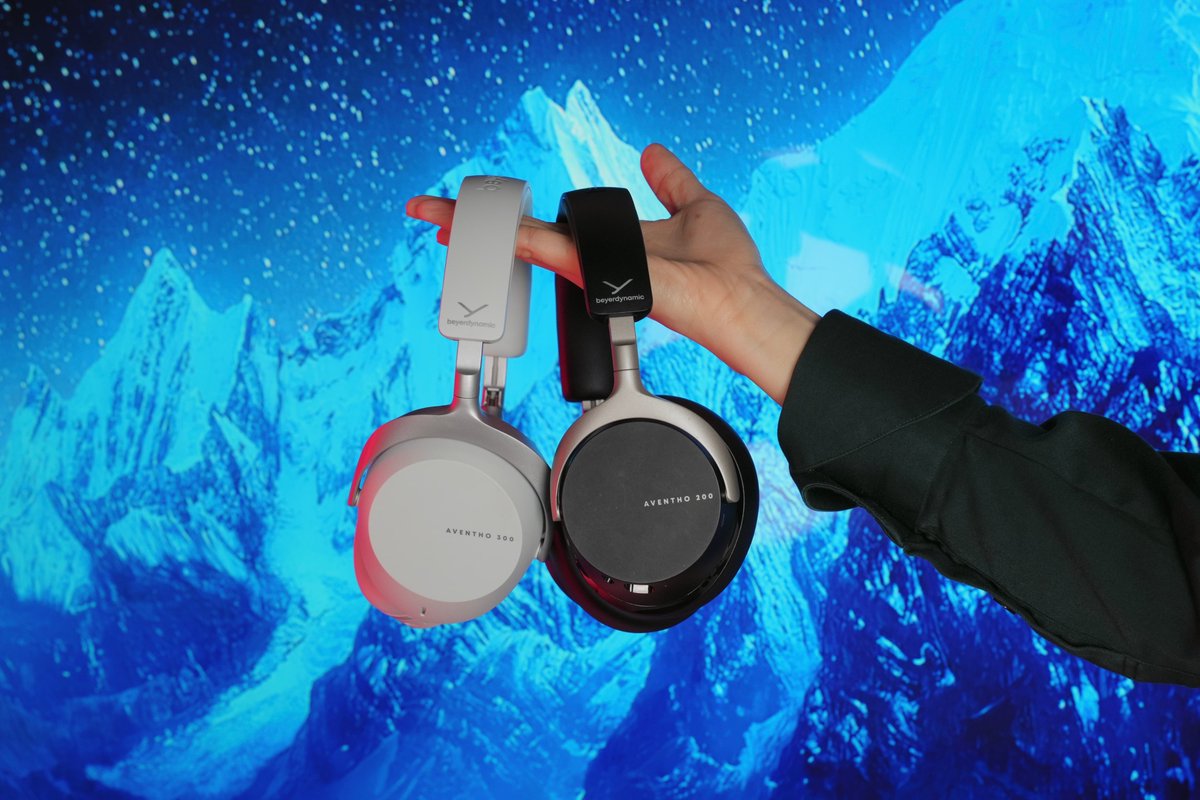
@beyerdynamic AVENTHO series comparison
Three Bluetooth over-ear headphones, three different characters.
🔹 AVENTHO 100 — lightweight and comfortable
🔹 AVENTHO 200 — all-rounder with smooth tuning
🔹 AVENTHO 300 — spacious, healthy, and higher-end sounding
Watch the full review on YouTube: https://t.co/NebxSsXdWN
#beyerdynamic #AVENTHO #HiFi #BluetoothHeadphones #Audiophile #Review
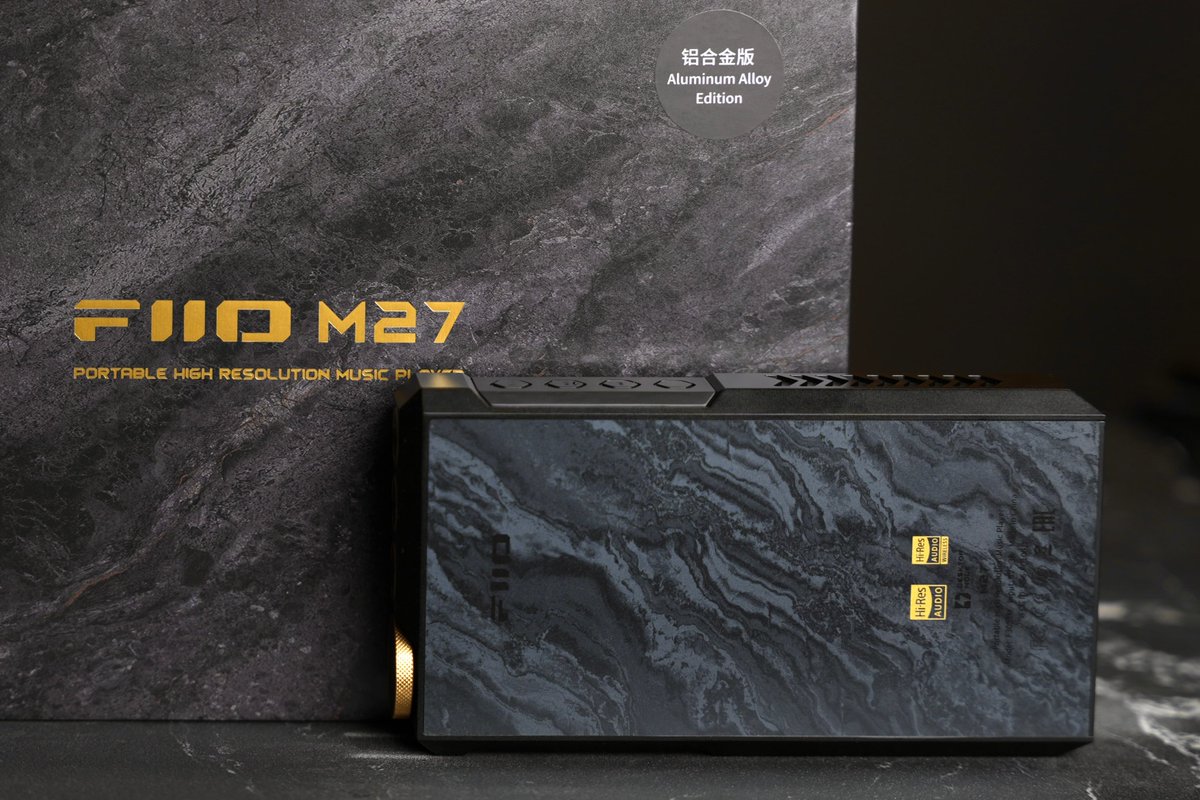
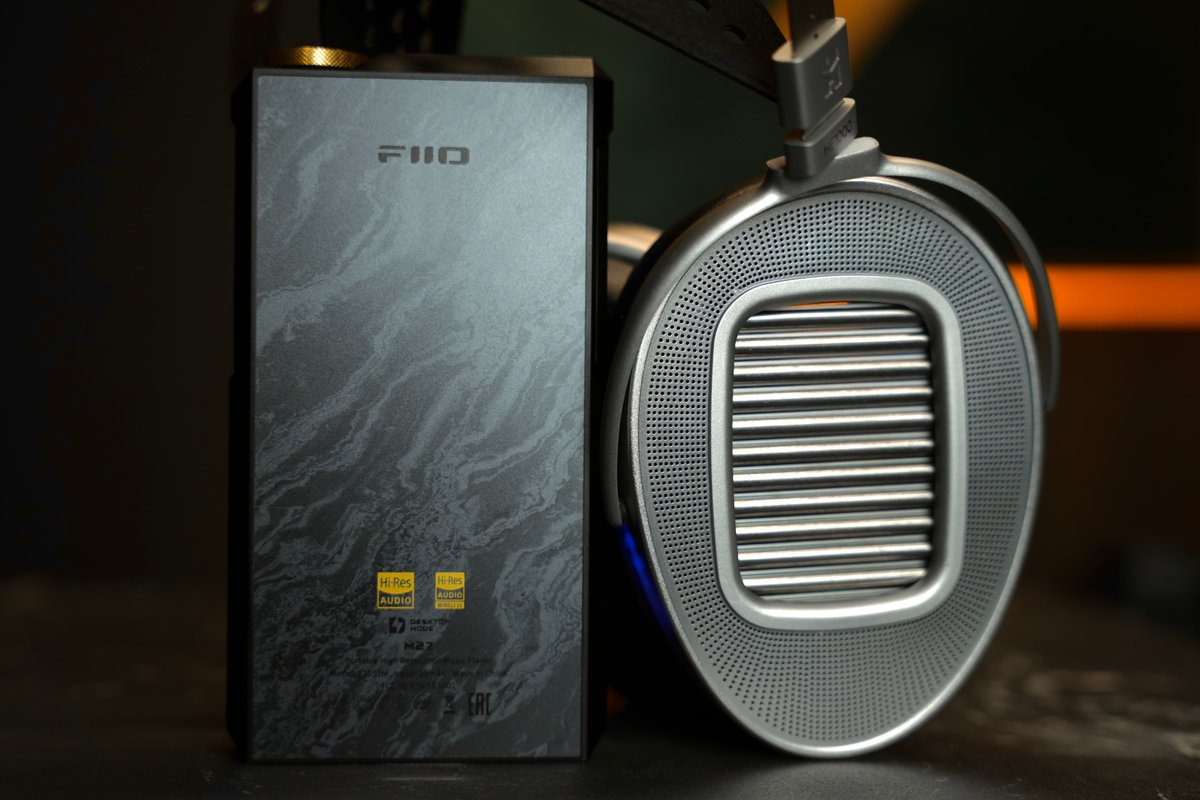
@FIIO_official M27: The Hassle-Free Solution for Driving High-End Headphones
Type: Portable Digital Audio Player
Price: $2,199 USD
FiiO releases new products at a rapid pace, but the company has always been careful with flagship updates. The previous flagship, the M17, arrived in 2021. It became a benchmark for what FiiO could achieve: powerful hardware, extensive features, exceptional output power, and remarkable versatility. Even today, the M17 remains one of the most complete DAPs on the market. If portable audio had a Hall of Fame, the M17 would deserve a place in it.
As the successor to the M17, the M27 attracted significant attention long before launch. The final product has largely met expectations. Driven by strong word-of-mouth within the audiophile community, sales reached several thousand units shortly after release. More notably, many owners use flagship headphones such as Focal Utopia and MEZE ELITE - something rarely seen among M17 users.
Back during the M17 era, FiiO introduced the idea of a “portable desktop-class amplifier.” In reality, the M17 could drive full-size headphones competently, but it still felt like a secondary feature. Four years later, the concept has matured. The improvements are not limited to specifications. The sonic foundation and headphone synergy have advanced significantly. (Note: This review is based on the aluminum version of the M27. Other editions may differ slightly.)
Hardware: A Major Leap Forward
FiiO openly published a full specification comparison between the M27 and M17. The changes are substantial. The M27 uses Qualcomm’s QCS6490 platform, built on the same architecture as the Snapdragon 778G, paired with 8GB RAM and 256GB storage. As streaming apps continue to grow larger and more demanding, this hardware should ensure long-term responsiveness and smooth operation.
For audio duties, the M27 employs dual ES9039SPRO DACs. Compared to the previous generation, performance improves while power consumption is reduced. Bluetooth duties are handled by the Qualcomm QCC5181, supporting aptX Lossless for wireless lossless reception. Maximum headphone output reaches 5000mW, roughly 40% higher than the M17.
Practical design upgrades are equally important. The M27 retains a 6.35mm single-ended output. For many imported headphones that still ship with single-ended cables, this is genuinely useful and avoids unnecessary adapters. Dual microSD card slots provide expanded storage flexibility. A standard optical output joins the RCA coaxial connection, making integration with desktop systems and speaker setups easier. External power now uses USB-C, accompanied by a dedicated desktop mode switch. These refinements noticeably improve day-to-day usability.
The trade-offs remain obvious. The M27 is large. It is heavy. Heat output is substantial. Those compromises are inevitable when pursuing desktop-class performance in a portable form factor.
Sound: FiiO’s New Flagship Tuning Philosophy
The M27 represents FiiO’s latest flagship tuning philosophy. Since expanding into the desktop Hi-Fi market, FiiO’s higher-end products have adopted a more traditional Hi-End approach. This is not about adding coloration, artificial warmth, or exaggerated vocal focus. Instead, the focus is on soundstage structure, hierarchy, density, control, and tonal refinement. Products like the K9 Pro and the newer K17 already demonstrated this shift. Technical performance did not improve dramatically on paper, yet the K17 delivered noticeably better stability, stronger micro-detail retrieval, and a richer, more engaging presentation.
The same evolution is apparent when comparing the M27 to the M17. The M17 could occasionally sound slightly hollow when driving demanding flagship headphones during complex passages. The M27 sounds far more grounded and authoritative. A simple analogy: The M17 resembles pudding. Soft, elastic, pleasant, and spacious, but somewhat loose in structure. The M27 resembles premium gelato. Dense, compact, focused, controlled.
Soundstage size remains similar, but the M27 delivers a darker background, higher information density, stronger image focus, and significantly improved instrument placement. Details never spill forward unnaturally. Every element remains stable and clearly organized within the stage. This sense of control was previously found in desktop products such as the FiiO K19 and R9. The M27 successfully brings that level of refinement into a portable device.Its starting point is simply higher than the M17.
Balanced, Natural, and Musical
The M27 continues FiiO’s long-standing flagship philosophy: balanced and faithful reproduction. More importantly, it achieves neutrality without sounding sterile.
Many listeners associate highly resolving sound with dryness or harshness. That assumption is especially common with ES9039SPRO-based devices. In reality, much of the so-called “digital sound” comes from insufficient implementation. Weak power delivery and poor signal handling often create a flat, thin presentation. When properly implemented, the ES9039SPRO is neither cold nor mechanical. The M27 demonstrates this clearly. It extracts excellent technical performance while maintaining natural timbre and emotional engagement. The midrange carries a subtle touch of warmth that gives vocals a convincing sense of life.
For example, take Libiamo ne’ lieti calici (Brindisi) from Verdi’s La Traviata, performed by Luciano Pavarotti and Dame Joan Sutherland. Pavarotti’s lower register is rich and resonant. His upper range remains open and metallic without becoming aggressive. Sutherland’s soprano is smooth and airy. Together, they create a compelling contrast. As the orchestra and choir build, string textures become increasingly apparent. The atmosphere expands naturally. Dynamic swings are reproduced with confidence and control. Small inflections remain intact. Large-scale crescendos never feel strained.
The Real Advantage: Headphone Driving Power
The M27 is not designed to impress with exaggerated first-listen effects. Its strength lies elsewhere: consistency, control, power. Among portable devices of similar size, it is one of the very few that can genuinely drive high-end full-size headphones well. Many portable products advertise large power numbers. Some excel in specific areas but struggle elsewhere. Common issues include muddy bass, compressed dynamics, and limited separation.The M27 avoids these pitfalls. The sonic foundation remains stable. Power reserves are abundant. Control is maintained.
With standard operation, Medium Gain is sufficient for headphones like the FT7 and MEZE 109 PRO. The presentation remains spacious, fast, and clean. For more demanding models such as the Sennheiser HD 800 S, MEZE ELITE, and HIFIMAN HE1000 Unveiled, connecting external power and activating Super High Power Headphone Mode unlocks the M27’s full capability. Many hybrid desktop-portable devices simply increase volume and soundstage when switching into desktop mode. Excitement rises, but control suffers. The M27 takes a different approach. It preserves headroom. It maintains composure. Dynamics remain balanced. Energy is delivered without excess. The result is impressive versatility. Solo recordings sound delicate and nuanced. Large orchestral works retain scale and authority. The HD 800 S gains low-frequency presence often missing from portable setups. The MEZE ELITE benefits from improved resolution and stage expansion. While dedicated desktop systems can still extract the final percentage of performance, the M27 already surpasses many desktop amplifiers in overall execution.
The few desktop systems that clearly outperform it are typically much larger and significantly more expensive.
Equally Impressive with Flagship IEMs
The M27 is not only a headphone powerhouse. It also performs exceptionally well with flagship IEMs.
Take the Noble VKRP for example. Many portable devices struggle to fully open its soundstage and separation. Desktop gear is often required to unlock its full potential. The M27 handles it remarkably well. Lateral expansion is convincing. Layering is excellent. Instrument positioning approaches flagship headphone territory. Treble remains controlled without becoming aggressive. Other high-performance models such as the Sennheiser IE 900 and Astell&Kern LUNA also benefit from the M27’s neutral foundation. Their individual tuning characteristics remain intact while technical performance is fully realized. Whether used as a reference source for reviews and exhibitions or as a universal solution for owners of multiple headphones and IEMs, the M27 stands out as one of the strongest options around $2,000.
Conclusion
The market has changed dramatically since the M17 launched in 2021. Today, $2,000–$4,000 flagship DAPs and IEMs are commonplace. Against that backdrop, the M27’s pricing feels surprisingly restrained. The M17 was already an outstanding product. The M27 improves upon it in nearly every meaningful area.
Its understated marketing and engineering-focused image may cause some listeners to overlook it when discussing top-tier flagship DAPs. Objectively, the M27 competes comfortably with flagship players priced below $4,000. When it comes to driving full-size headphones, very few portable devices in its class can match it.
More importantly, it finally delivers on the promise FiiO first introduced years ago: a true portable desktop-class audio system.
A 100-Kilometer Night-Run Test of the @beyerdynamic AMIRON 200, by a 15-Year Hi-Fi Enthusiast
Type: Open-ear true wireless earbuds (OWS)
Price: $179.99
For Hi-Fi enthusiasts, finding the right pair of headphones for exercise is not easy. Beyond the basic requirements for sports use, I always hope that a pair of workout earbuds can get as close as possible to the sound quality of Hi-Fi headphones. Recently, beyerdynamic launched the AMIRON 200, an open-ear true wireless earbud priced at $179.99. After using it for half a month and running more than 100 kilometers with it, I think it is finally time to talk about what it is actually like to live and run with.
User Experience
As a traditional audio manufacturer, beyerdynamic has been expanding into the mainstream consumer market in recent years, introducing a number of products designed around everyday use. From the noise-cancelling AVENTHO 100 headphones to the AMIRON 100 true wireless earbuds, I have generally been impressed by both their sound quality and connection stability. Running is my primary form of training, and for me, open-ear wireless earbuds are almost the ideal solution. The AMIRON 200 is clearly designed with this kind of scenario in mind.
Let’s start with the charging case. As soon as you open the package, you see the earbuds themselves. The rounded-rectangle case weighs 98 grams and is relatively large, so carrying it around during a run is not particularly convenient. However, that extra size comes with a major advantage: battery life. The AMIRON 200 delivers an impressive 11-plus hours of playback on a single charge—roughly three times the battery life of some of the other earbuds I have on hand. With the charging case, total battery life reaches 36 hours.
At my usage intensity, I basically only need to charge it once a week. It also supports fast charging, with five minutes of charging providing around 90 minutes of playback. In terms of battery life, the AMIRON 200 is simply easy and worry-free to live with. The build quality of the earbuds themselves is particularly impressive. The AMIRON 200 uses an integrated ear-hook design, with the ear hooks made from highly elastic soft silicone that resists deformation. The housings combine matte and glossy polycarbonate. The glossy section bearing the beyerdynamic logo serves as the touch-control area, allowing you to change tracks, answer calls, and perform other gestures, while the remaining surfaces have a skin-friendly finish. The overall manufacturing quality is extremely refined. Even after repeatedly running my fingers over the earbuds, I can barely feel any seams between the different components.
With ordinary earbuds, build quality is largely about appearance. With sports earbuds, however, build quality directly affects long-term durability, because they have to deal with sweat and dust on a regular basis. Every time I finish a run with my AirPods, I have to carefully clean the dirt that accumulates in the gaps. After using the AMIRON 200 continuously for more than two weeks, I found that its surface does not pick up grime easily, making it much easier to maintain. Each earbud weighs 10 grams. Thanks to a well-balanced weight distribution, they feel surprisingly light once worn while remaining securely in place.
I have worn glasses for years, so I am particularly sensitive to interference between earbuds and eyeglass temples. The AMIRON 200 narrows and angles the section that sits against the ear, leaving sufficient clearance for the glasses’ temples. It is a small but thoughtfully executed detail. I also had three running partners with different ear shapes try them on, and all three gave positive feedback.
Wind-noise performance is also worth mentioning. Once you pick up the pace and the wind starts rushing past your ears, the noise generated by airflow around the earbuds remains very low. Music playback is barely affected.
Sound Performance
The AMIRON 200 uses the full open-ear acoustic architecture that has become increasingly common in the consumer market. I have tried quite a few products of this type, and they have an inherent advantage: physical transparency. Environmental sounds can enter your ears directly. When running through the city at night, road conditions can change constantly, so being able to hear what is happening around you is an important safety requirement. This makes transparency particularly valuable.
But a fully open design inevitably comes with its own limitations. Sound leakage and the masking effect are unavoidable physical problems. Simply placing a driver next to the ear makes it difficult to produce a genuinely satisfying sound. Most ear-hook sports headphones on the market sound thin. Even turning up the volume does little to solve the problem. Bone-conduction headphones attempt to bypass some of these limitations, but most are better suited to podcasts, news, and other spoken content. When you actually want to sit down and enjoy music, their narrow frequency response and weak bass become obvious. In comparison, the discomfort associated with wearing them becomes almost a secondary concern.
The AMIRON 200 demonstrates beyerdynamic’s accumulated technical expertise. It makes full use of the advantages of a dynamic driver, fitting a custom 18 mm × 11 mm dynamic driver into its elongated, angled housing. The flattened, rounded sound outlet is precisely aligned with the ear canal, minimizing losses during sound transmission as much as possible. Considering the size of the housing, an 18 mm × 11 mm driver is quite large. It does not use beyerdynamic’s signature Tesla driver technology, but you can still hear the substantial, full-bodied character that is typical of a dynamic driver.
The overall tuning has a familiar beyerdynamic character. The sound is full and solid, with plenty of detail and information. Compared with professional monitoring-oriented headphones such as the DT 7XIE, the AMIRON 200 puts more energy into the mid-bass and lower-midrange, while also enhancing harmonics and reverberation. For the rock, electronic, and pop music I often listen to while running, drums have a substantial physical presence, while instruments and sound effects remain smooth and non-fatiguing. The sense of atmosphere is particularly well handled. The midrange retains beyerdynamic’s characteristic density and natural reproduction. Vocals have plenty of body, with male vocals being especially impressive. The vocal image is presented relatively conservatively, sitting on roughly the same plane as the instruments. Combined with the spacious left-right soundstage, the overall presentation feels orderly, relaxed, and expansive. Thanks to its custom driver and purpose-built tuning, the AMIRON 200 achieves a rare degree of sonic weight for an open-ear headphone while retaining the inherent soundstage advantages of an open design.
During the final kilometer of one of my runs, I put Eminem’s Lose Yourself on repeat. The opening guitar riff and gradually intensifying rhythm helped me maintain my cadence and push toward the finish.
The AMIRON 200 reproduced it with solidity and power. The articulation of the rap vocals and rhythmic details remained clear, while the various instrumental layers sounded natural. The positioning of the instruments blended with the surrounding environmental sounds. The wind, the sound of my running shoes hitting the ground, and the music all came together and surrounded me. And even outside the context of exercise, when I simply sit down and listen, the AMIRON 200 remains enjoyable and easy to listen to for long periods. As a Bluetooth earbud, its fundamental technical performance cannot realistically compete head-to-head with wired headphones at the same price. But its tuning has quite a few strengths.
The open-ear architecture creates a natural sense of space, while the overall presentation remains balanced and relaxed. It retains the neutral, well-controlled character associated with German beyerdynamic tuning, while adding a warmer and more forgiving quality. It is not particularly suited to listeners who want a vocal-focused main pair with an extremely airy and ethereal presentation. But its sense of atmosphere is excellent, and its reproduction of pop music and instrumental texture is clearly better than that of most sports-oriented earbuds.
The directional sound-emitting structure also brings a practical advantage. In a quiet environment, you do not need to turn up the volume very high to achieve sufficient sound pressure. I tested it with an iPhone in the office, and around 40% volume was already loud enough. To some extent, this helps alleviate the sound leakage issue inherent to open-ear headphones.
As with beyerdynamic’s previous true wireless products, the AMIRON 200 supports the official app, where you can check the battery level, adjust various functions, and customize the sound. The built-in five-band EQ covers 150 Hz–8000 Hz and allows you to save multiple custom profiles. There are also five preset modes: Neutral, Bass, Smooth, Loudness, and Speech. For running, I prefer the Bass preset. It simultaneously increases the amount of low-frequency energy and harmonics, giving the drums greater impact. I also really like the Smooth preset. With instruments such as piano, it produces a warmer and smoother presentation. With Bluetooth earbuds, sound is always the priority. I recommend spending some time experimenting with the EQ and finding the tonal balance that works best for you.
Other Small but Useful Features
The AMIRON 200 uses Bluetooth 5.3, and throughout the entire testing period I experienced no connection dropouts. Even in a crowded shopping mall with a dense wireless-signal environment, the connection remained stable. It also supports simultaneous connection to two devices. In a desktop environment, connecting both my phone and laptop is something I use frequently, and switching between the two devices is smooth.
There is also an unexpectedly useful scenario: when running with an iPhone and Apple Watch, the earbuds automatically switch to the watch’s audio when the watch announces your distance. Once the announcement finishes, they switch back to the audio source on the phone. It is a small but very thoughtful touch. Video latency is also well controlled. I could barely perceive any audio-video synchronization issues, making the earbuds very suitable for following workout videos at the gym.
For calls, the AMIRON 200 is equipped with dual MEMS microphones and ENC noise reduction. Even when running in windy conditions or making calls in a noisy office environment, voice pickup remains clear enough. It is more than adequate for online meetings as well.
Conclusion
Due to the limitations of its physical design, the AMIRON 200 cannot compete with sealed noise-cancelling headphones in extremely noisy environments such as subways and airplanes. However, it has done an excellent job of optimizing the overall experience for exercise, while its sound quality allows it to work well across a much wider range of everyday scenarios.
The AMIRON 200 is professional enough to be a dedicated sports earbud, but what impressed me most was actually its balance. I would not limit it to running. I would also wear it for commuting, walking around town, and meetings. For what it offers, it's remarkably good value for money. Compared with other sports-oriented earbuds, the AMIRON 200 is one I would be willing to wear across different scenarios and keep using over the long term.
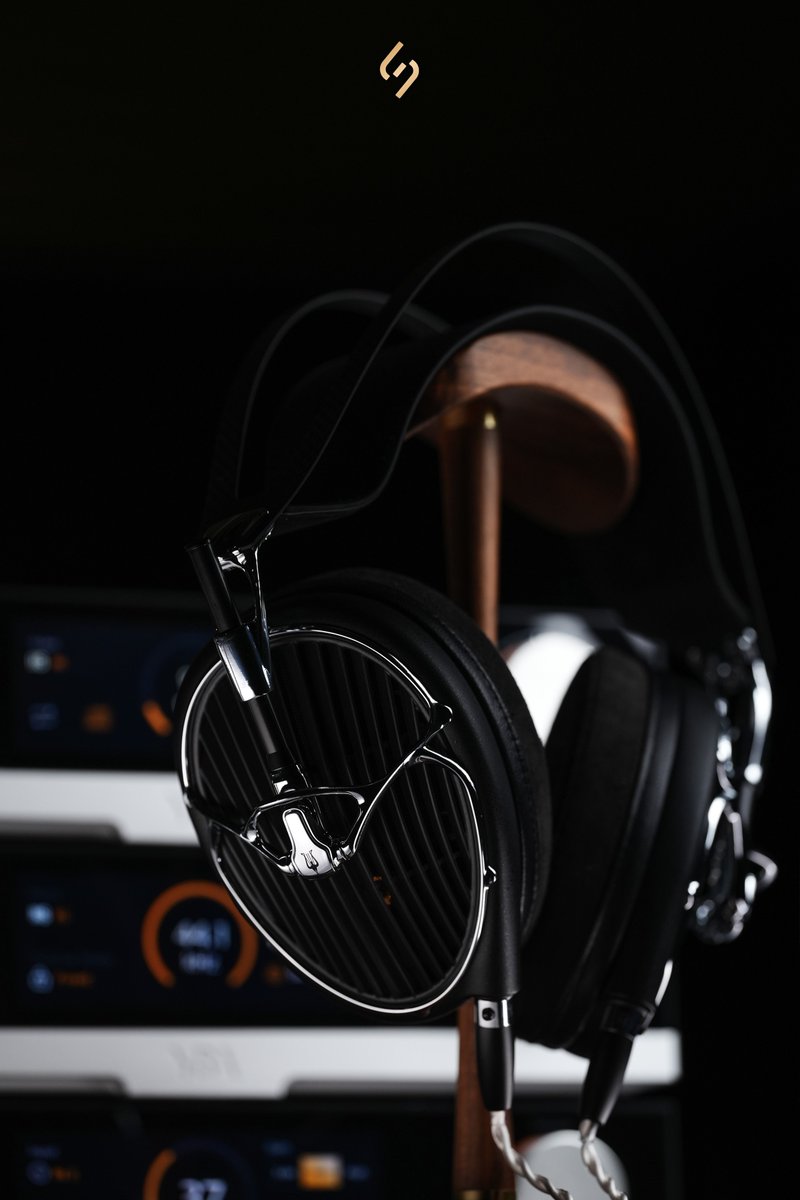
[NEWS] MEZE ARTA is officially launched at $6,000!
@MezeAudioJP unveils the ARTA, an all-new flagship open-back headphone built from the ground up around a revolutionary planar magnetic driver. More than just an upgrade, ARTA represents MEZE’s bold reimagining of the ultimate reference listening experience.
Available now for $6,000.
Key Highlights:
🔸 Speaker-Like Soundstage Delivers an expansive, room-like presentation with lifelike imaging and natural instrument placement. The sound extends beyond the earcups, creating MEZE’s most immersive listening experience to date.
🔸 Revolutionary MZ5 HΩ Planar Driver Developed by Rinaro Isodynamics, the new 225Ω MZ5 HΩ is the highest-impedance planar driver ever used in a MEZE headphone. Its high-voltage, low-current architecture improves electrical linearity, reduces thermal stress, and delivers ultra-low distortion with outstanding dynamics at any volume level.
🔸 Angled Acoustic Blade Grille A newly engineered rear grille design minimizes internal reflections and diffraction while maximizing driver performance. The result is cleaner transients, greater openness, and a more natural soundstage.
🔸 Dual Independent Voice Coil System • Folded voice coil for powerful, controlled bass reproduction. • Spiral voice coil positioned directly toward the ear canal for highly accurate mids and treble with minimal phase delay.
🔸 Dual-Tuning Ear Pads Included Quick-swap magnetic ear pads allow users to tailor the sound signature: • Duo Angled Pads – Wider soundstage, enhanced air and clarity. • Slim Alcantara Pads – Tighter bass, warmer vocals, more intimate presentation.
🔸 Premium Cable Package Includes two 2-meter LC-OFC silver-plated cables: • 6.35mm single-ended • 4-pin XLR balanced Hand-braided construction with 161 ultra-fine conductors per strand for maximum signal integrity.
🔸 Built for Comfort & Longevity Optimized planar structure, enhanced headband padding, and a fully serviceable design. Ear pads, headband, earcups, and drivers can all be replaced or maintained for long-term ownership.
🔸 Extended Warranty Register through MY MEZE and receive an additional 2-year warranty extension, bringing total coverage up to 4 years (Mainland China promotion).
A bold new flagship aiming to push planar magnetic headphones into uncharted territory. 🎧
Would you choose the ARTA over the Elite, Empyrean II, Susvara, or AB1266? 👇
#MezeAudio #ARTA #PlanarMagnetic #HiFi #Audiophile #Headphones #HighEndAudio #FlagshipHeadphones
Bustling vibes at the 2026 Shenzhen International Audio Show (SIAS) ! Booths were packed with visitors, atmosphere was electric, and the most popular demo spots drew lengthy waiting lines.
I wandered the show floor on August 16, testing out plenty of newly‑released hardware. Here are my impressions on the players.
ONIX showed the XM2 copper version and the Zenith XST20 gold limited edition, among others. We saw the XM2 copper engineering unit at an earlier show. This version is more finished. Compared with the standard, it has a warmer and richer base. The density is excellent. The midrange is full and lively. The vocals have great flavor. The bass is solid and powerful. Many enthusiasts are already saving up for it. The XST20 gold limited edition is quite striking. The shell craft is excellent. The tuning keeps the series' warm and full character. The density is ample. It is very comfortable for vocals and small ensemble instruments. In a system, it has both looks and sound.
@ShanlingAudio 's booth was full of new products: the M8T copper version and the CD50 all-in-one, among others. The M8T copper version won wide praise. It has a richer base than the original. The density is higher. The driving power is ample. The overall musical expression is relaxed and lush. It has great flavor and also excellent resolution.
The CD50 all-in-one combines CD reading, DAC, and headphone amp. The integration is very high and the price is friendly. The base is lively. The musicality is excellent. It is very convenient on a desktop.
@FIIO_official DP11 CD turntable is a recent hot release. The build is solid. The size is small. The features are rich. It fits a desktop setup well. It is said to be some time away from release.
EvoAria's flagship CD player, the Evo Era, is finally near release. At the show, this new version had a much better user experience than the earlier engineering unit. The strange bugs are gone. Switching between modes is stable. The tone is versatile. It suits tinkerers. Whether pop vocals, rock, or classical, once you find the right mode, it performs well.
@astellnkern showed the new PD5 player. The body is slim and small. It is very light to hold. The look is elegant and distinctive. The matte finish feels premium. It is great for on-the-go use. The tuning is warm and relaxed. Vocals are lyrical and easy to listen to. The imaging is precise and smooth. This is a classic A&K family sound.
Cayin showed an engineering version of the new portable player i3. It targets the mid-to-low end of the portable market. The price is not announced yet. The build is fine. The size is pocket-friendly. But the engineering unit still has clear lag issues. Compared with the unfinished OS, the sound is a pleasant surprise. It has rich musicality and a smooth, pleasing tone. The vocal coloration is very comfortable. It is sweet but not cloying. It is a great portable device for daily use with high-end IEMs.
HiBy Music brought the portable player RS2 II in a standard version and a copper version. The standard RS2 II has a very nice color. The body is compact. The green-gold UI feels trendy. Vocals have a soft, slightly smoothed touch. Female vocals are sweet. The overall sound is refined and smooth. The copper version's shell material brings some change in sound. Compared with the standard, the density is higher. The tone is richer. The midrange emotion is taken up a notch. Fans of a thicker sound should give it a listen.
#SIAS #Shenzhen #DAP #CDplayer #audiophile #HiFi #audioshow
The 2026 Shenzhen International Audio Show was bustling! Booths were jam-packed, the vibe was fantastic, and the most sought-after demo stations had long waiting lines.
I spent August 16 roaming the show floor and auditioned lots of newly launched gear. Below are my impressions on Portable Amps.👇🎶
YBA P1
Signature smooth, gentle mid-to-high tuning
Rich and emotional vocals
Sooth and delicate treble
FangSound NESEUS
Clean and delicate background
Smooth and full tone, especially bright midrange
Rich emotion, good detail and separation
@iBassoAudio_JP D18
Balanced and open overall tuning
Transparent and clean background
Excellent extension
Great flavor in electronic and pop vocals
@questyle_ofcl MEX
Smooth and clear tuning base
Clear, sweet and delicate vocals
Outstanding musicality
@LotooOfficial PAW S3
Stable sonic foundation, transparent timbre
Refined texture, mellow vocals with density
Capable of solo instruments and small ensembles
Versatile performances
@ShanlingAudio UA7
Warm, smooth timbre, ample power
Easy to drive flagship IEMs of various kinds
Oriolus EJ01 IEM set
Balanced, mellow and fatigue-free tuning
Refined across the full frequency range
Rich vocal character
Excellent instrumental reproduction
#SIAS #shenzhen #audioshow #audiophile #amp #portableamp #YBA #iBasso #questyle #Lotoo #shanling
Shenzhen International Audio Show 2026 (SIAS) Impressions: In-ear Monitors
The 2026 Shenzhen International Audio Show had a great turnout! Booths were packed, the energy was awesome, and the popular demo listening spots had long queues.
During my visit on August 15, I auditioned a range of newly unveiled products. The following covers my impressions of in-ear monitors:
1. @DitaAudio CLR DESTIN
Dynamic and agile, excellent transient response
Immersive soundstage, rich and emotive midrange
& DITA KA1
Smooth frequency transition, natural timbre
Spacious sound, easy to drive
2. @final_audio A6000 SE
Emphasized midrange timbre,
Boosted low-frequency
Immersion Pop-focused sonic signature
3. @DUNU_Headphone Yuan
Warm and full tuning, strong immersive quality
Excels at pop vocals, capable low-frequency dynamics
& DUNU PRS5
Pop-oriented tuning with richer sonic character
Forward-placed vocals, high density, vivid emotion
& DUNU PRS6
Bright treble, enhanced detail, wide genre compatibility
Outstanding performance for female vocals and strings
4. PISLO Fu Huang
Expansive soundstage, transparent foundation
High separation, extended treble, powerful bass
Balanced sound with strong musicality
Versatile across genres
5. @UniqueMelodyIEM Maven III
12 drivers per side
Bone conduction units enhance ambiance
Deep and solid bass, full warm midrange
Great rendition of pop vocals, jazz and rock
6. Sam & Johnny engineering sample
Supple and refined vocal reproduction
Pleasant immersion
Mild and restrained sonic foundation
#SIAS #audioshow #shenzhen #IEM #earphones
Shenzhen International Audio Show (SIAS) 2026 drew a solid crowd — busy booths, buzzing vibes, and plenty of long lines for the popular listening stations. On August 14th, I hopped between tables, got some ear time with a bunch of new releases, and here are some impressions of the over-ear headphones. 👇
1. @beyerdynamic DT 275 PRO
Over at the beyerdynamic booth, the new closed-back studio monitor DT 275 PRO made its debut. Aimed at live sound, DJ work, and field recording, it's lightweight, compact, and built for portability and durability. Sound-wise, it stays true to beyerdynamic's monitor DNA — neutral, restrained, no unnecessary colouration. The midrange is direct and solid, with accurate vocal detail retrieval.
2. ZMF TESSIDERA & Ori3.0
Endgame brought two new ZMF planars: the TESSIDERA open-back and the Ori3.0 closed-back, paired with the Burson Soloist Prime Voyager amp. The TESSIDERA's wooden housing feels premium, with a relaxed, warm sound, great musicality, rich vocals, and plenty of atmosphere. The Ori3.0 closed-back, despite its sealed design, delivers a surprisingly spacious soundstage — tight, controlled, and detailed even in a noisy show floor. The Burson pure power amp drove flagship planars with authority, offering clean background, solid control, and a fully fleshed-out dynamic frame.
3. @MezeAudioJP ARTA
MEZE's new over-ear, the ARTA, drew long queues all day. Build quality is top-tier as expected — refined finish with bold, striking patterns. The tuning carries MEZE's signature thick foundation, but adds more weight and authority. The midrange is open and relaxed, atmosphere is well-crafted, vocal delivery is intensely engaging, and the low-end dynamics impress. Paired with the Cayin stack on-site, it shone with R&B, jazz, and vocal-centric pop. Comfort is on point too — the headband design distributes weight well, even for smaller heads.
4. @noblebywizard Artemis
Noble showcased the Artemis, a flagship Bluetooth headphone featuring a hybrid driver setup — dynamic + BA + planar. Comfort is noticeably improved over the APOLLO, with less fatigue during extended wear. Sonically, it offers a wide soundstage and excellent treble extension, with impressive spatial performance and bandwidth. The upper mids and treble are detailed and airy, with a sweet, slightly coloured vocal tuning that makes female vocals stand out.
5. @Sennheiser MOMENTUM 5
Sennheiser unveiled the new MOMENTUM 5 wireless over-ear. Build and finish remain top-notch, Bluetooth stability is solid, and ANC has been further refined. The overall balance is clean and even, making it more versatile across different listening scenarios. While the MOMENTUM 4 leaned toward a pop-friendly tuning, the MOMENTUM 5 shifts slightly toward instrumental playback — more neutral, with better midrange density and improved extension at both ends.
#audioshow #headphones #audiophile #SIAS #HiFi











![Earside_HiFi's tweet photo. [NEWS] MEZE ARTA is officially launched at $6,000!
@MezeAudioJP unveils the ARTA, an all-new flagship open-back headphone built from the ground up around a revolutionary planar magnetic driver. More than just an upgrade, ARTA represents MEZE’s bold reimagining of the ultimate reference listening experience.
Available now for $6,000.
Key Highlights:
🔸 Speaker-Like Soundstage Delivers an expansive, room-like presentation with lifelike imaging and natural instrument placement. The sound extends beyond the earcups, creating MEZE’s most immersive listening experience to date.
🔸 Revolutionary MZ5 HΩ Planar Driver Developed by Rinaro Isodynamics, the new 225Ω MZ5 HΩ is the highest-impedance planar driver ever used in a MEZE headphone. Its high-voltage, low-current architecture improves electrical linearity, reduces thermal stress, and delivers ultra-low distortion with outstanding dynamics at any volume level.
🔸 Angled Acoustic Blade Grille A newly engineered rear grille design minimizes internal reflections and diffraction while maximizing driver performance. The result is cleaner transients, greater openness, and a more natural soundstage.
🔸 Dual Independent Voice Coil System • Folded voice coil for powerful, controlled bass reproduction. • Spiral voice coil positioned directly toward the ear canal for highly accurate mids and treble with minimal phase delay.
🔸 Dual-Tuning Ear Pads Included Quick-swap magnetic ear pads allow users to tailor the sound signature: • Duo Angled Pads – Wider soundstage, enhanced air and clarity. • Slim Alcantara Pads – Tighter bass, warmer vocals, more intimate presentation.
🔸 Premium Cable Package Includes two 2-meter LC-OFC silver-plated cables: • 6.35mm single-ended • 4-pin XLR balanced Hand-braided construction with 161 ultra-fine conductors per strand for maximum signal integrity.
🔸 Built for Comfort & Longevity Optimized planar structure, enhanced headband padding, and a fully serviceable design. Ear pads, headband, earcups, and drivers can all be replaced or maintained for long-term ownership.
🔸 Extended Warranty Register through MY MEZE and receive an additional 2-year warranty extension, bringing total coverage up to 4 years (Mainland China promotion).
A bold new flagship aiming to push planar magnetic headphones into uncharted territory. 🎧
Would you choose the ARTA over the Elite, Empyrean II, Susvara, or AB1266? 👇
#MezeAudio #ARTA #PlanarMagnetic #HiFi #Audiophile #Headphones #HighEndAudio #FlagshipHeadphones](https://pbs.twimg.com/media/HRGQQ1ib0AA02Wg.jpg)
![Earside_HiFi's tweet photo. [NEWS] MEZE ARTA is officially launched at $6,000!
@MezeAudioJP unveils the ARTA, an all-new flagship open-back headphone built from the ground up around a revolutionary planar magnetic driver. More than just an upgrade, ARTA represents MEZE’s bold reimagining of the ultimate reference listening experience.
Available now for $6,000.
Key Highlights:
🔸 Speaker-Like Soundstage Delivers an expansive, room-like presentation with lifelike imaging and natural instrument placement. The sound extends beyond the earcups, creating MEZE’s most immersive listening experience to date.
🔸 Revolutionary MZ5 HΩ Planar Driver Developed by Rinaro Isodynamics, the new 225Ω MZ5 HΩ is the highest-impedance planar driver ever used in a MEZE headphone. Its high-voltage, low-current architecture improves electrical linearity, reduces thermal stress, and delivers ultra-low distortion with outstanding dynamics at any volume level.
🔸 Angled Acoustic Blade Grille A newly engineered rear grille design minimizes internal reflections and diffraction while maximizing driver performance. The result is cleaner transients, greater openness, and a more natural soundstage.
🔸 Dual Independent Voice Coil System • Folded voice coil for powerful, controlled bass reproduction. • Spiral voice coil positioned directly toward the ear canal for highly accurate mids and treble with minimal phase delay.
🔸 Dual-Tuning Ear Pads Included Quick-swap magnetic ear pads allow users to tailor the sound signature: • Duo Angled Pads – Wider soundstage, enhanced air and clarity. • Slim Alcantara Pads – Tighter bass, warmer vocals, more intimate presentation.
🔸 Premium Cable Package Includes two 2-meter LC-OFC silver-plated cables: • 6.35mm single-ended • 4-pin XLR balanced Hand-braided construction with 161 ultra-fine conductors per strand for maximum signal integrity.
🔸 Built for Comfort & Longevity Optimized planar structure, enhanced headband padding, and a fully serviceable design. Ear pads, headband, earcups, and drivers can all be replaced or maintained for long-term ownership.
🔸 Extended Warranty Register through MY MEZE and receive an additional 2-year warranty extension, bringing total coverage up to 4 years (Mainland China promotion).
A bold new flagship aiming to push planar magnetic headphones into uncharted territory. 🎧
Would you choose the ARTA over the Elite, Empyrean II, Susvara, or AB1266? 👇
#MezeAudio #ARTA #PlanarMagnetic #HiFi #Audiophile #Headphones #HighEndAudio #FlagshipHeadphones](https://pbs.twimg.com/media/HRGQID6bsAA5e_a.jpg)
![Earside_HiFi's tweet photo. [NEWS] MEZE ARTA is officially launched at $6,000!
@MezeAudioJP unveils the ARTA, an all-new flagship open-back headphone built from the ground up around a revolutionary planar magnetic driver. More than just an upgrade, ARTA represents MEZE’s bold reimagining of the ultimate reference listening experience.
Available now for $6,000.
Key Highlights:
🔸 Speaker-Like Soundstage Delivers an expansive, room-like presentation with lifelike imaging and natural instrument placement. The sound extends beyond the earcups, creating MEZE’s most immersive listening experience to date.
🔸 Revolutionary MZ5 HΩ Planar Driver Developed by Rinaro Isodynamics, the new 225Ω MZ5 HΩ is the highest-impedance planar driver ever used in a MEZE headphone. Its high-voltage, low-current architecture improves electrical linearity, reduces thermal stress, and delivers ultra-low distortion with outstanding dynamics at any volume level.
🔸 Angled Acoustic Blade Grille A newly engineered rear grille design minimizes internal reflections and diffraction while maximizing driver performance. The result is cleaner transients, greater openness, and a more natural soundstage.
🔸 Dual Independent Voice Coil System • Folded voice coil for powerful, controlled bass reproduction. • Spiral voice coil positioned directly toward the ear canal for highly accurate mids and treble with minimal phase delay.
🔸 Dual-Tuning Ear Pads Included Quick-swap magnetic ear pads allow users to tailor the sound signature: • Duo Angled Pads – Wider soundstage, enhanced air and clarity. • Slim Alcantara Pads – Tighter bass, warmer vocals, more intimate presentation.
🔸 Premium Cable Package Includes two 2-meter LC-OFC silver-plated cables: • 6.35mm single-ended • 4-pin XLR balanced Hand-braided construction with 161 ultra-fine conductors per strand for maximum signal integrity.
🔸 Built for Comfort & Longevity Optimized planar structure, enhanced headband padding, and a fully serviceable design. Ear pads, headband, earcups, and drivers can all be replaced or maintained for long-term ownership.
🔸 Extended Warranty Register through MY MEZE and receive an additional 2-year warranty extension, bringing total coverage up to 4 years (Mainland China promotion).
A bold new flagship aiming to push planar magnetic headphones into uncharted territory. 🎧
Would you choose the ARTA over the Elite, Empyrean II, Susvara, or AB1266? 👇
#MezeAudio #ARTA #PlanarMagnetic #HiFi #Audiophile #Headphones #HighEndAudio #FlagshipHeadphones](https://pbs.twimg.com/media/HRGQG4KbYAAfSKk.jpg)

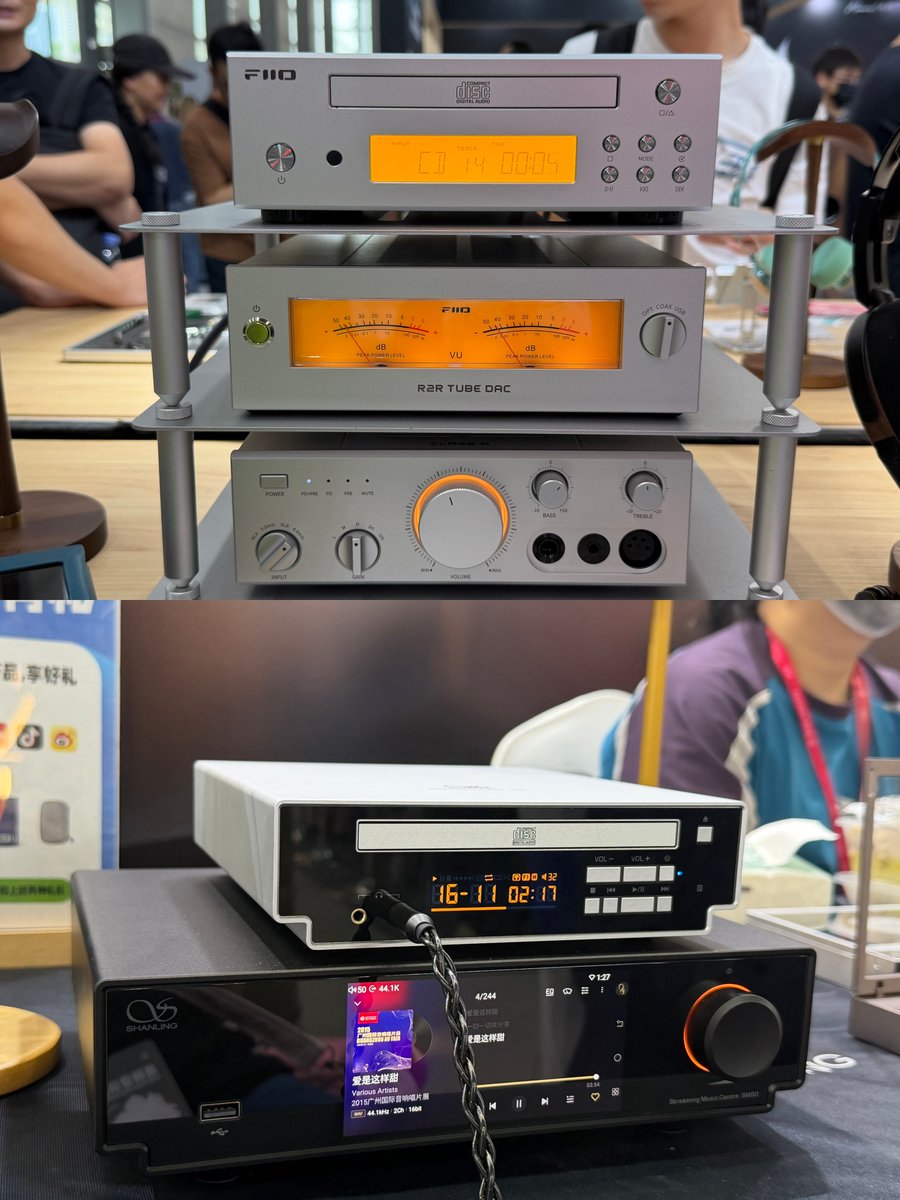
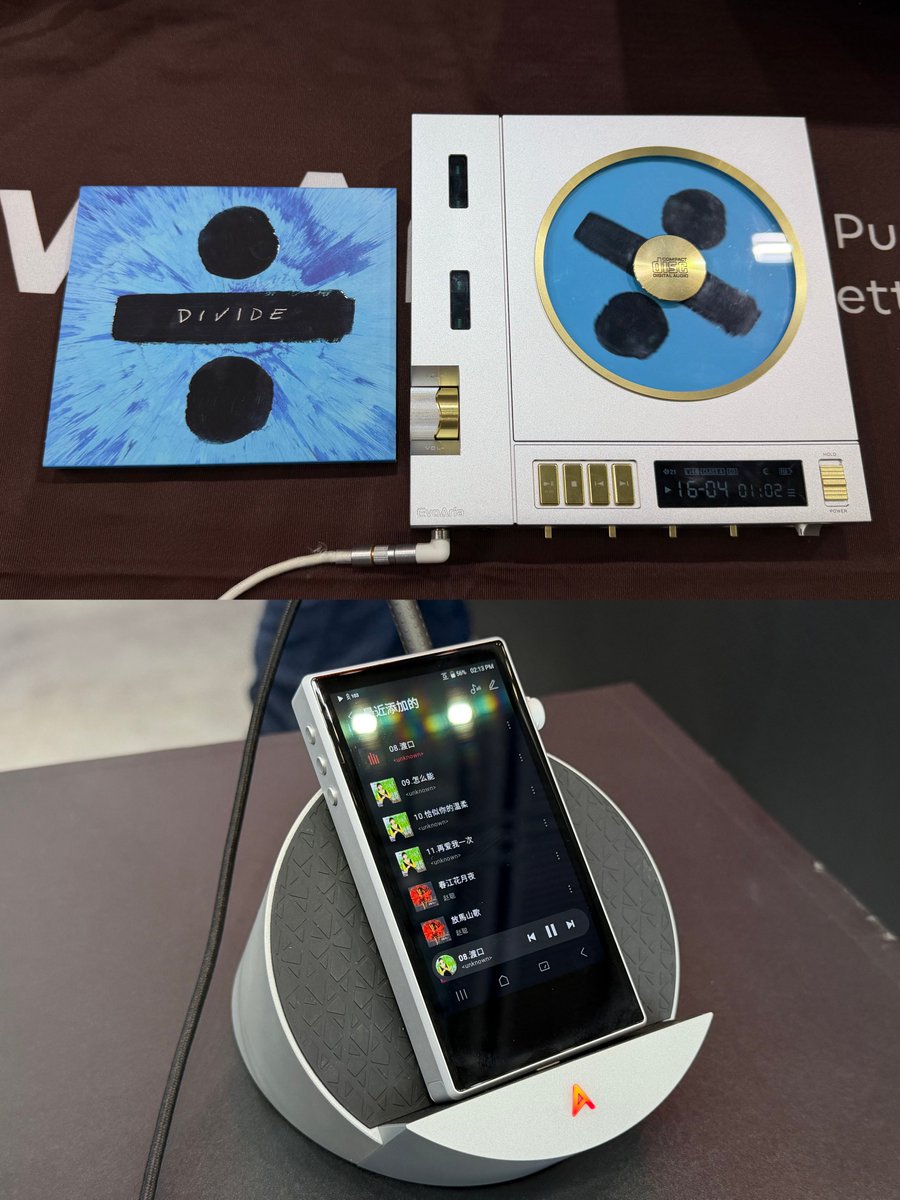


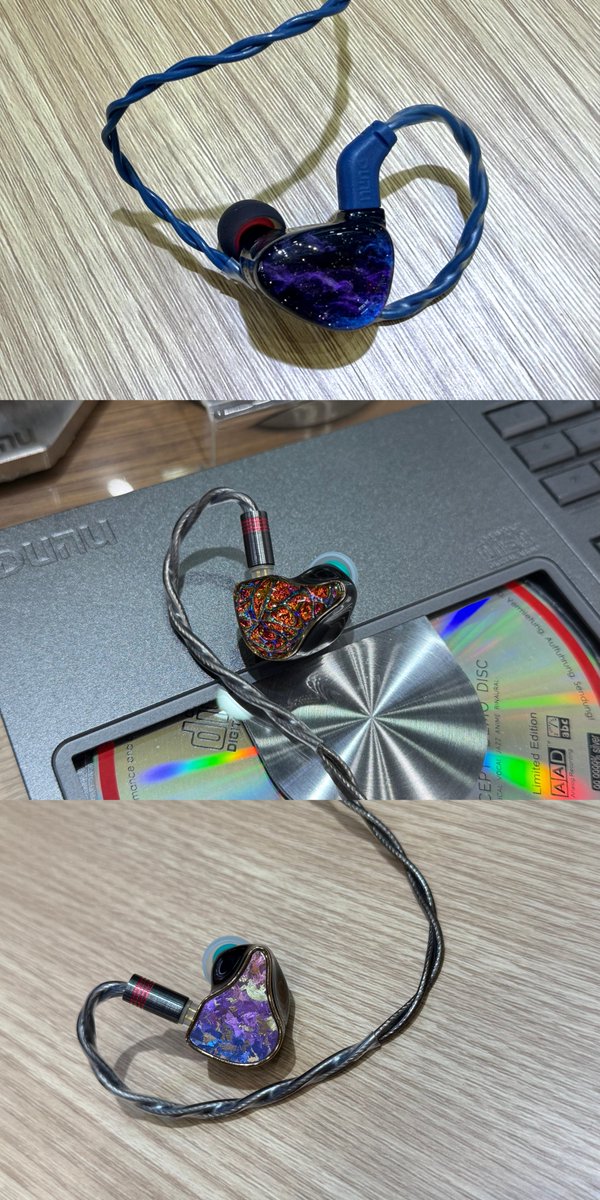





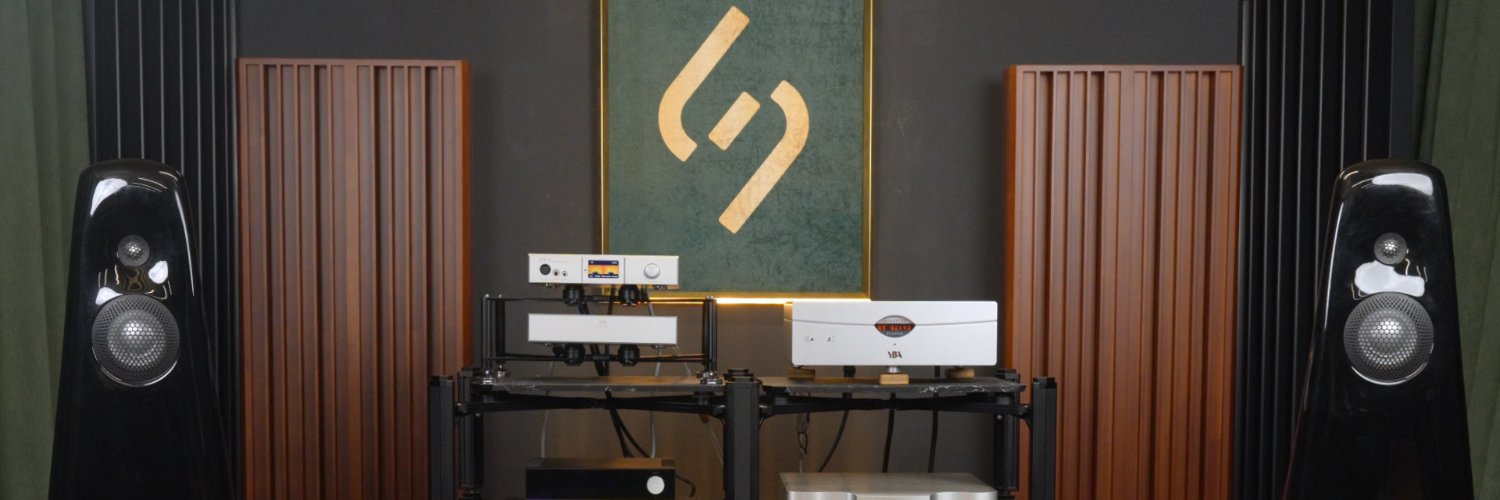

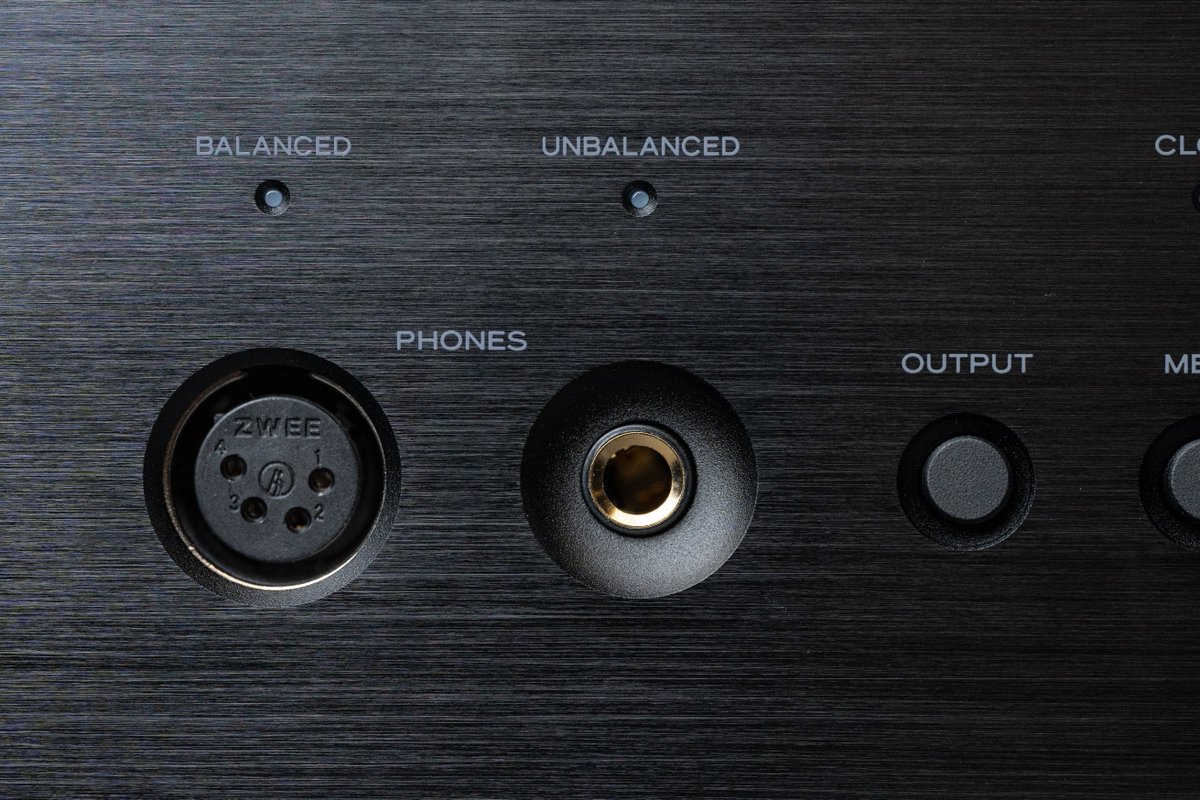


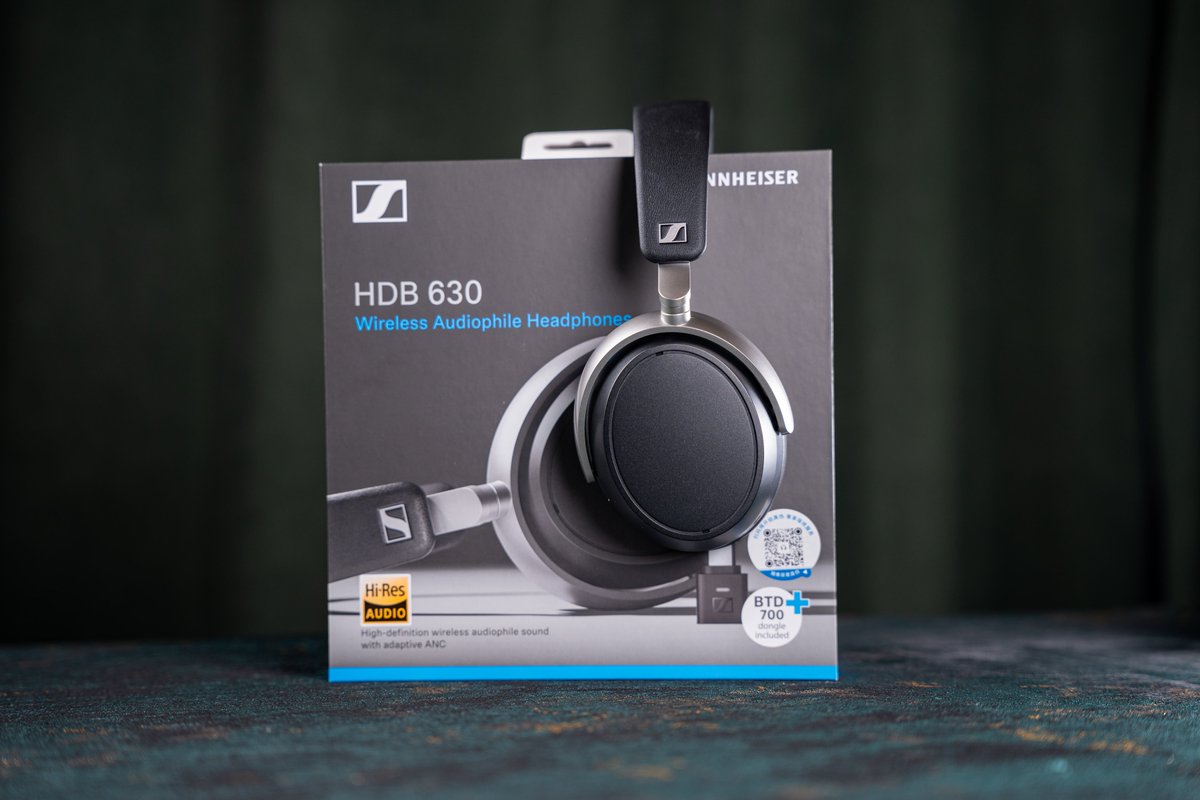


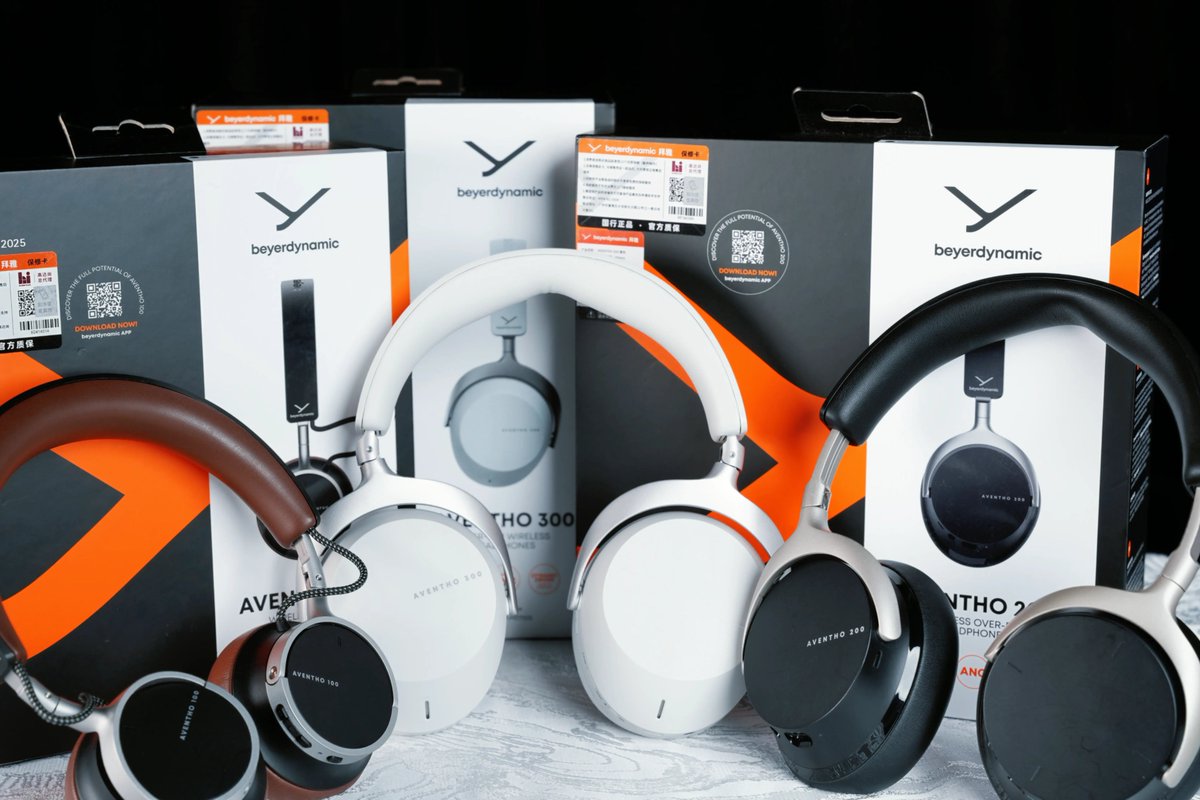


![Earside_HiFi's tweet photo. [NEWS] MEZE ARTA is officially launched at $6,000!
@MezeAudioJP unveils the ARTA, an all-new flagship open-back headphone built from the ground up around a revolutionary planar magnetic driver. More than just an upgrade, ARTA represents MEZE’s bold reimagining of the ultimate reference listening experience.
Available now for $6,000.
Key Highlights:
🔸 Speaker-Like Soundstage Delivers an expansive, room-like presentation with lifelike imaging and natural instrument placement. The sound extends beyond the earcups, creating MEZE’s most immersive listening experience to date.
🔸 Revolutionary MZ5 HΩ Planar Driver Developed by Rinaro Isodynamics, the new 225Ω MZ5 HΩ is the highest-impedance planar driver ever used in a MEZE headphone. Its high-voltage, low-current architecture improves electrical linearity, reduces thermal stress, and delivers ultra-low distortion with outstanding dynamics at any volume level.
🔸 Angled Acoustic Blade Grille A newly engineered rear grille design minimizes internal reflections and diffraction while maximizing driver performance. The result is cleaner transients, greater openness, and a more natural soundstage.
🔸 Dual Independent Voice Coil System • Folded voice coil for powerful, controlled bass reproduction. • Spiral voice coil positioned directly toward the ear canal for highly accurate mids and treble with minimal phase delay.
🔸 Dual-Tuning Ear Pads Included Quick-swap magnetic ear pads allow users to tailor the sound signature: • Duo Angled Pads – Wider soundstage, enhanced air and clarity. • Slim Alcantara Pads – Tighter bass, warmer vocals, more intimate presentation.
🔸 Premium Cable Package Includes two 2-meter LC-OFC silver-plated cables: • 6.35mm single-ended • 4-pin XLR balanced Hand-braided construction with 161 ultra-fine conductors per strand for maximum signal integrity.
🔸 Built for Comfort & Longevity Optimized planar structure, enhanced headband padding, and a fully serviceable design. Ear pads, headband, earcups, and drivers can all be replaced or maintained for long-term ownership.
🔸 Extended Warranty Register through MY MEZE and receive an additional 2-year warranty extension, bringing total coverage up to 4 years (Mainland China promotion).
A bold new flagship aiming to push planar magnetic headphones into uncharted territory. 🎧
Would you choose the ARTA over the Elite, Empyrean II, Susvara, or AB1266? 👇
#MezeAudio #ARTA #PlanarMagnetic #HiFi #Audiophile #Headphones #HighEndAudio #FlagshipHeadphones](https://pbs.twimg.com/media/HRGQX1yboAAcJj-.jpg)


