Ever wonder what happens to your soil after you send it in? Here's the process.
Our field technicians or partner samplers collect soil samples using step probes and meter cores, with optional GroundOwl sensor data. We then ship samples to our labs in Emeryville, CA, and Raleigh, NC, or to a certified partner lab for receiving, prep, and analysis. Our team processes and packages the data, and you can view results in your EarthOptics dashboard.
Reach out to get started: https://t.co/TseKCHKBKu
Austin Koch, Senior Agronomy Sales Manager at EarthOptics, walks through a field where a TruBio test showed high stalk rot risk before planting. That result led to an in-furrow biofungicide, and the risk played out this fall. After weeks of strong wind, the treated corn is still standing and the untreated check is starting to crack.
Want to know your disease risk before next season? Reach out to us or talk to your local EarthOptics dealer to get started with TruBio.
Here is another question that comes up often: "Can I use a different lab for my nutrient samples?" Let's see what our customer success lead, Callie, has to say!
Something else on your mind? Drop it in the comments.
A sunny fall day in the field with EarthOptics. ☀️
Our team shared a few videos from sampling this freshly cleared ground. Pairing physical cores with GroundOwl sensing gives you a high-resolution view of your field and more soil data delivered to your dashboard. If you are through harvest and your fields are clear, now is a great time to test your field and use that data to start planning for next season.
Reach out to our team to get started.
Best time to soil sample for crop planning? Right after harvest. Ready to get started with one of our dealers or looking to become a local dealer? Call us at 952-333-8332. It's go time!
Reach out to get on the schedule: https://t.co/k60xXWYZAT or Call us at 952-333-8332
It's a busy time of year for fall sampling. A common question we get is: "Where can I order more sampling supplies?" Our Account Manager, Sierra, answers it in this video.
Do you have other questions? Comment below and we'll answer them.
Not sure if you will qualify for 45Z? Plug in what you're already doing, tillage, nitrogen timing, cover crops, and our 45Z calculator shows you where you stand. Finalized rules for 45Z coming soon. Stay ahead of the curve.
Try it for yourself: https://t.co/mLRyRRph4y
What really goes into the sampling behind EarthOptics data? 👀
🚜 Compaction Mapping with TruTill: ADCP measurements down to 18"
🦉 High-resolution Nutrient Mapping with TruNutrient: full-field scans, calibrated with physical soil samples
🔬 Biology Mapping with TruBio: those samples reveal your field's pests, pathogens, and biofertility opportunities
Everything is in one place on the EarthOptics Dashboard, ready for crop and input planning.
Get in touch to learn more. https://t.co/OSHFfGvlLB
The $700M Regen Pilot Program requires CEMA 216 soil testing by an NRCS Qualified Individual. EarthOptics & our dealers can serve as your QI.
https://t.co/WctnbEaA3q
We connect landowners to programs that can put money back in their pockets. Take the quiz to see what you may qualify for.
The quiz gives an estimate, so reach out to our team for a full breakdown: https://t.co/WctnbEaA3q
Fall is a busy time of year, and with it come a lot of questions. We pulled together the ones we hear most and are answering them here.
Callie is here to answer today's question: “When should I mark my fields ready?”
Have a different question? Ask us in the comments.
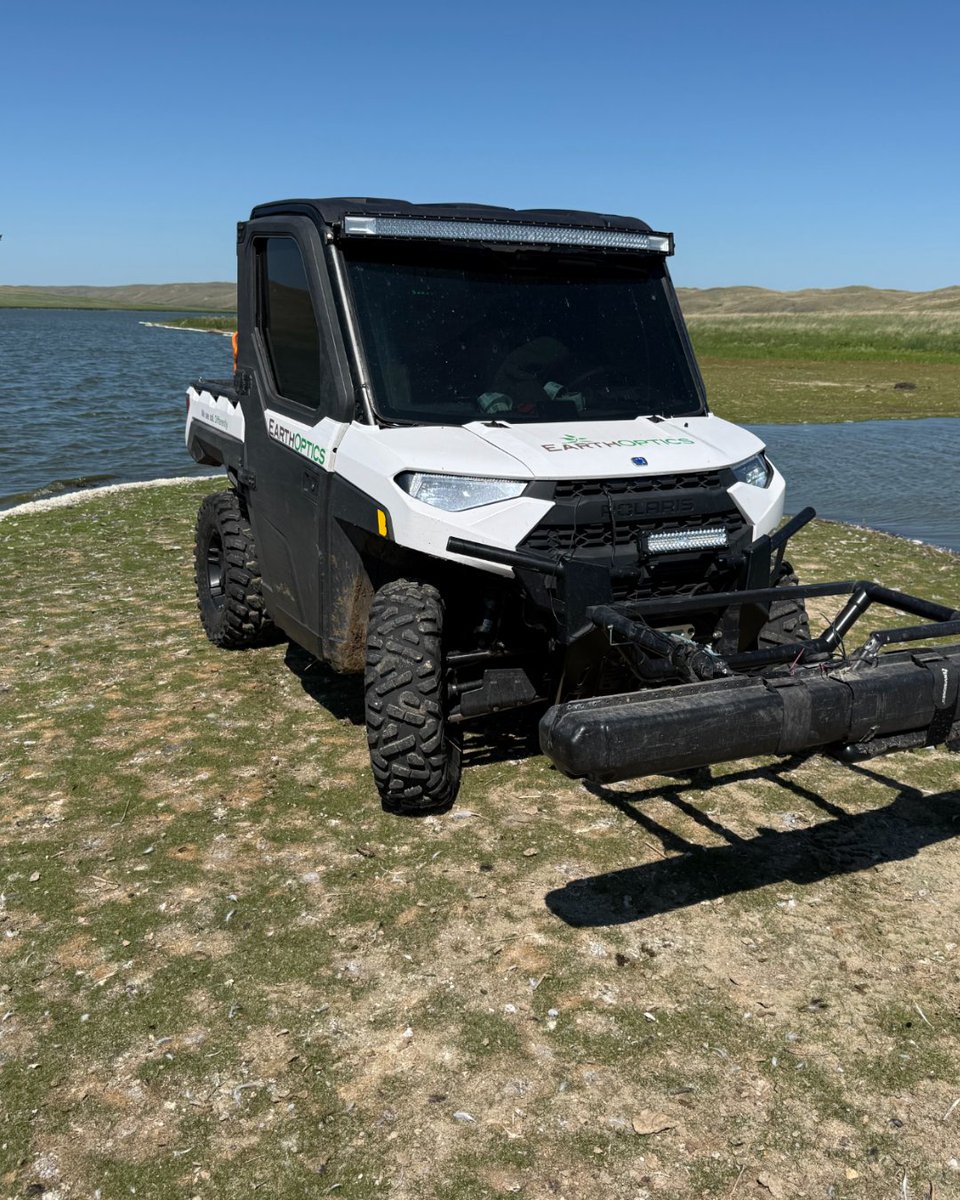
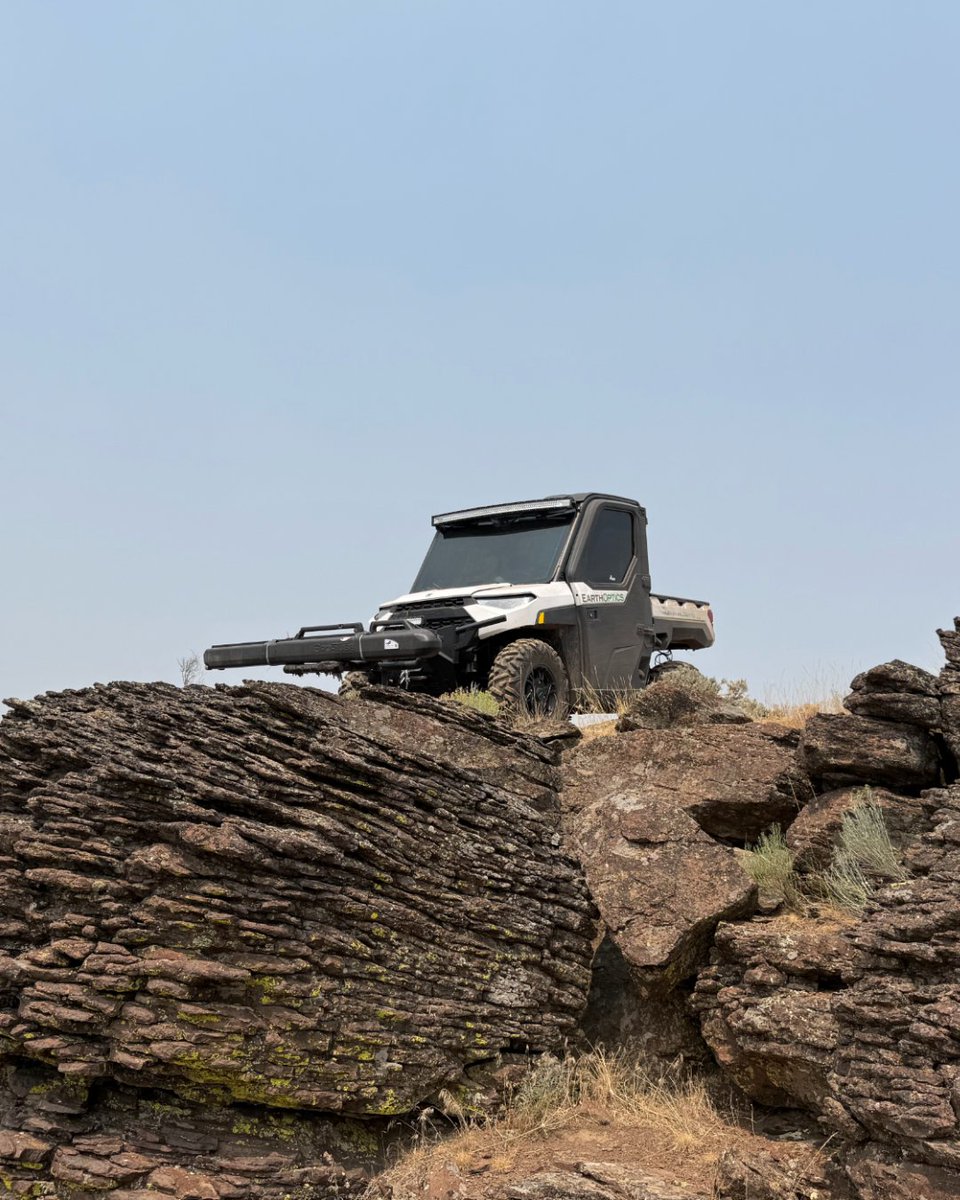
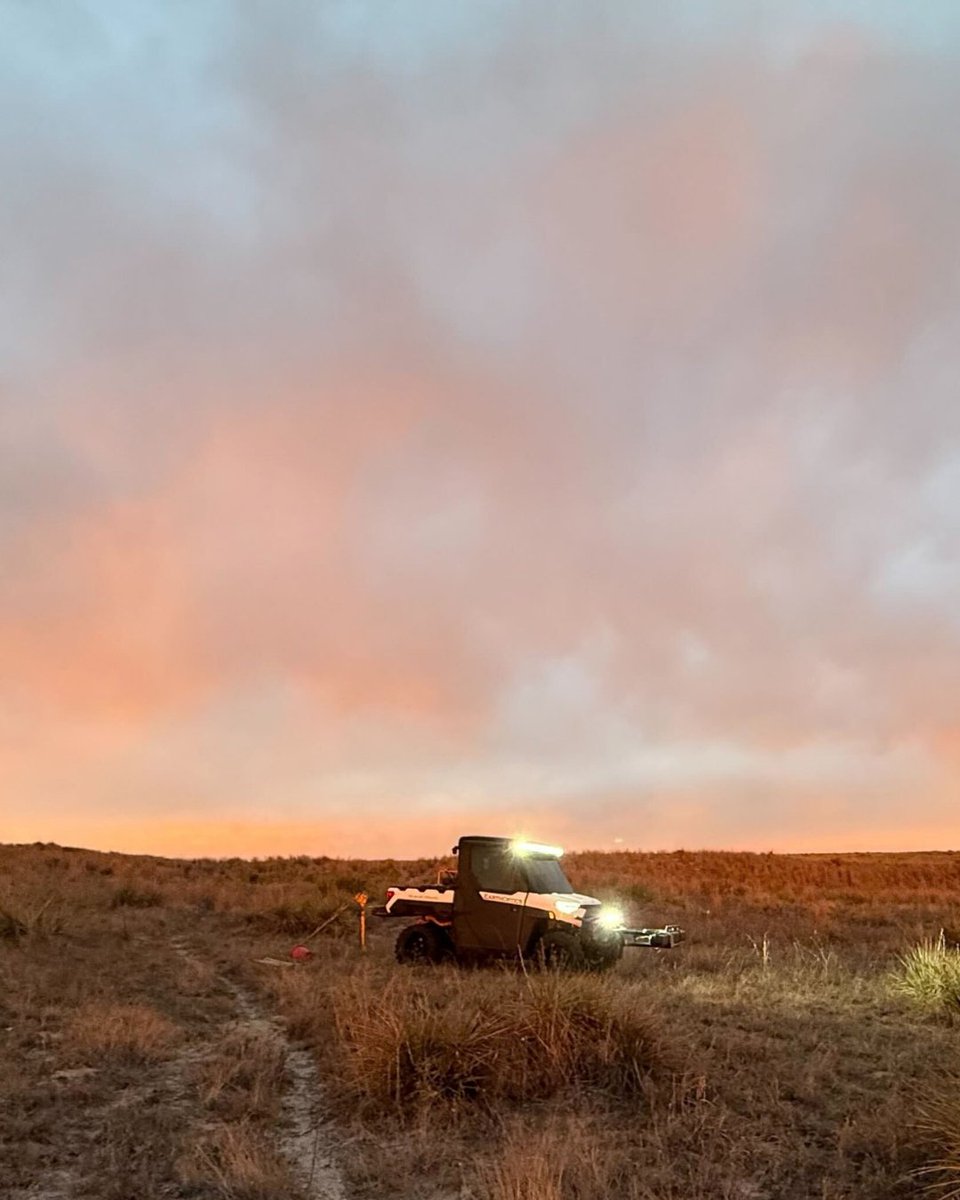
Our GroundOwl™ units can measure soil on farmland, rocky rangeland, sandy pasture, wooded forest, or whatever ground you're working with. Swipe through to see what adventures they've been on lately.
It is the end of September, and harvest is in full swing for a lot of you. How's it going out there this year? Good yields, dry fields, still waiting on a few acres?
Tell us what you're seeing and where you're at! 🚜
You're already doing good things for this ground. Rotational grazing, soil health, water management. Now there's a way to get paid for it.
EarthOptics can measure what your practices are doing for your soil, and that opens the door to real income from carbon buyers on land you're already running. No new acres, no new work, just money for what you're already doing.
Learn more: https://t.co/DwOChhZl7q
Wet soil conditions, equipment traffic, and other factors cause compaction throughout the field. Run a compaction analysis before you decide where to till or what to plant next season.
Compaction that goes unmeasured doesn't disappear over winter. It shows back up as a yield drag next season. TruTill™ maps the compaction in your field 1-18" in depth, so your next tillage pass targets the acres that need it the most. What you spend on this analysis is easily made up in fuel not used and higher yields.
Get it measured: https://t.co/2c1s0q3pOq
A recommendation means more when a grower can check it against their own field, not just take someone's word for it. Luke Bennett from Bennett Seed Services on how EarthOptics data gives his growers real numbers to test their own thinking against.
Learn more: https://t.co/TseKCHKBKu
Get on your advisor's calendar sooner rather than later. This fall's data is what next year's decisions get built on.
TruNutrient™ shows acre-by-acre numbers instead of zone averages, so fertility spend goes where it'll pay the most. TruBio™ tells you what pest and disease pressure is in the ground before you buy inputs, so biological calls are backed by this season's data.
Learn more at https://t.co/JQB7s1IA3j and https://t.co/JTkPyVAFNc
45Z could be worth real money for growers, and we want to help you make the most of it. We've got the details covered so you don't have to sort through it all yourself.
Check out the playbook to see how to get started.
Get it here: https://t.co/U5CApMINOo