One person rebuilt an entire company’s brain in 7 days inside Claude Code.
Not a doc. Not Obsidian. A living galaxy of nodes.
Every employee. Every AI agent. Every SOP. Every tool. All wired together on one screen.
Click a department. The human agent team opens up. The SOPs attached to it open up. What each person is allowed to touch opens up.
That last part is the whole game.
Permissions baked into the brain. An employee opens the chat, the AI already knows what they can access. Agents, data, SOPs surface inside the conversation like you tagged them by hand.
Obsidian can’t do this. Notion can’t do this.
No dev team. No funding round. No 6-month roadmap. 7 days, 1 person, 1 terminal.
This is the part nobody has priced in.
The tools to build $200K enterprise software now sit on your laptop for free.
The only thing missing is the guy who opens the terminal.
Heads up: notebooklm-py rides Google’s undocumented endpoints — it’ll break without warning and can get your account flagged. Treat this pipeline as disposable, not production.
The weak link is transcript quality — yt-dlp pulls auto-captions and they’re often garbage, so NotebookLM ends up analyzing noise. Filtering for human captions matters more than the video count.
Solid, but no observability layer? Running this many agents without Langfuse/token tracking and you’re flying blind on spend.
Missing the MCP layer — that’s the glue that actually lets these talk to each other.
> Codex for vibe coding
> Claude Code w/ Opus 4.8 for complex tasks and bugs
> Hermes Agent for managing the agents
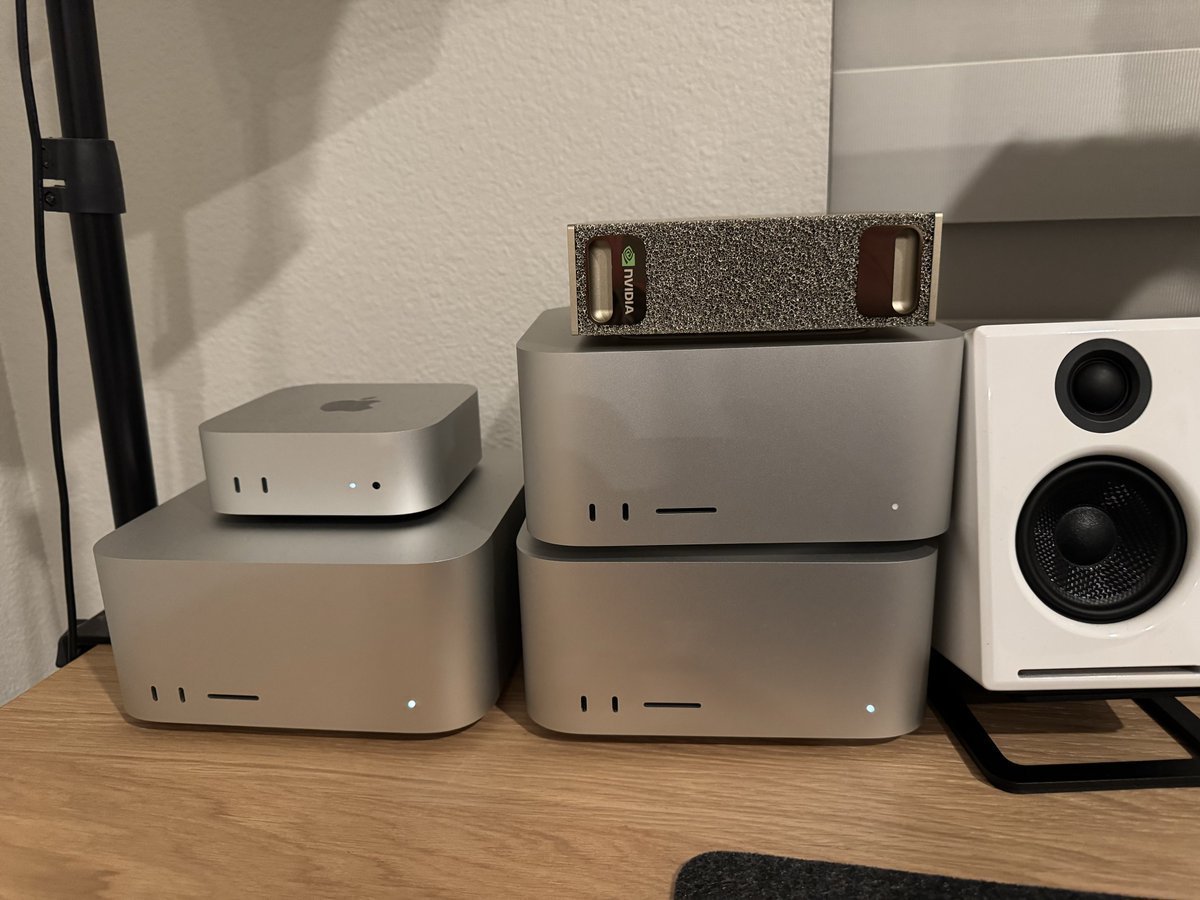
> Local model running on Mac Studio/DGX Spark for simple/repetitive tasks
>Linear for task management across all agents
>Lofi girl for vibes
The ultimate stack