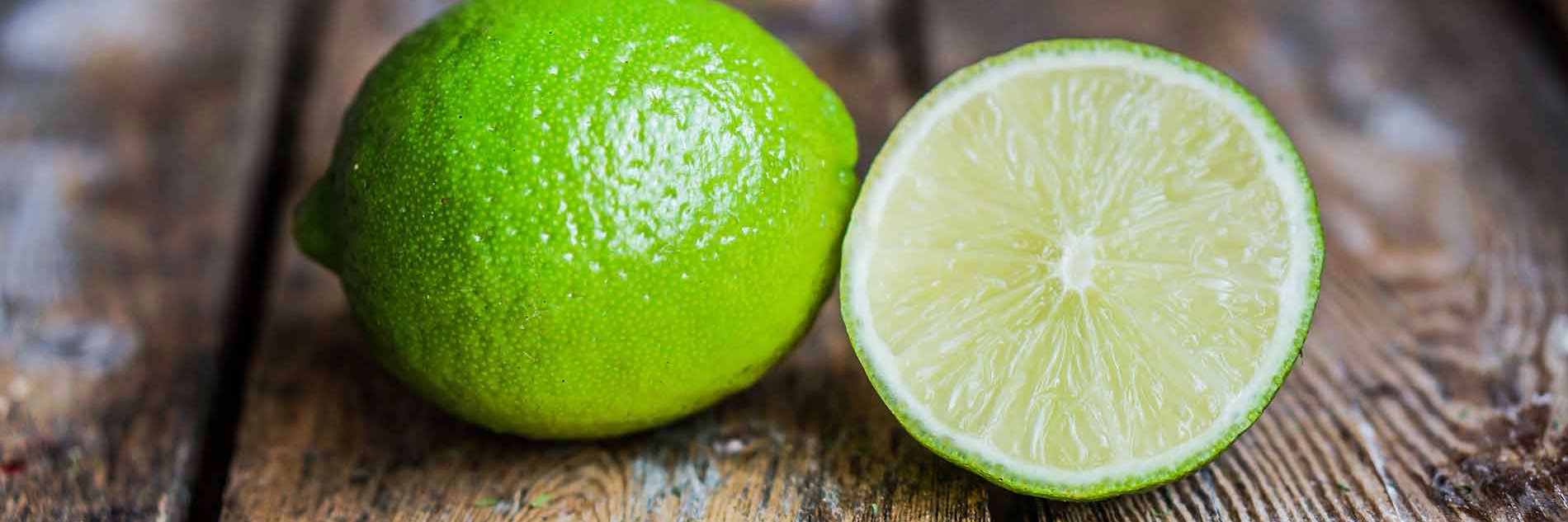
Lima's best-kept secret: Nikkei restaurants where Japanese precision meets Peruvian soul. If you haven't tried ceviche prepared with Japanese technique, you're missing one of the world's greatest culinary fusions.
#PeruvianFood
**(3/3)** The lesson: The best food comes from genuine cultural fusion, not fusion for fusion's sake. It's about respect, heritage, and the courage to create something that honors both worlds.
**(1/3)** Chef Misha Tsay didn't set out to revolutionize Peruvian cuisine. He just wanted to honor both his heritages. By combining his grandmother's Japanese recipes with Peru's incredible ingredients, he created something entirely new. 🧵
**(2/3)** His restaurant became a pilgrimage site for chefs worldwide. Not because it was trendy, but because it was authentic. Every dish told a story of migration, adaptation, and culinary courage.
The Incas grew tomatoes smaller and less sweet than today's varieties. Yet they had MORE vitamins and flavor. We optimized for size and lost nutrition. Sometimes "progress" is just trading quality for convenience.
**(3/3)** We're rediscovering what the Incas knew 500 years ago. The irony? We needed modern science to validate what indigenous wisdom already understood. Ancient agriculture > modern marketing.
**(1/3)** Quinoa. Amaranth. Potatoes. The Inca didn't call them "superfoods"--they called them survival. These crops fed an empire that built Machu Picchu and controlled 2 million square kilometers. Thousands of years before "wellness" was trendy.
**(2/3)** Quinoa has all 9 essential amino acids. Amaranth is packed with calcium and magnesium. Potatoes have more potassium than bananas. The Incas understood nutrition through observation and experience--without laboratories or marketing.
**(3/3)** This is what modern Peruvian cuisine looks like: heritage meets innovation, sustainability meets excellence, tradition meets tomorrow. It's not fusion--it's evolution.
**(1/3)** Maido restaurant in Lima isn't just serving food--it's telling the story of Peru's oceans. Every ceviche is a conversation between Japanese precision and Peruvian abundance. It's culinary diplomacy on a plate. 🧵
**(2/3)** The chefs source directly from fishermen, ensuring sustainability and freshness. They understand that great cuisine starts with respect for the source. Not just ingredients--relationships.
**(4/4)** Today, Nikkei is recognized globally. But the real story? It's about resilience. Immigrants who turned hardship into heritage, waste into wonder. That's the power of culinary fusion--it's not just food, it's survival and creativity combined.
**(1/4)** April 3, 1899: A ship arrived in Peru with 790 Japanese migrants seeking work. What followed wasn't just immigration--it was a culinary revolution that reshaped global food culture. Here's how hardship became haute cuisine. 🧵
**(3/4)** By the 1960s, Nikkei cuisine had become Peru's hidden culinary treasure. Japanese-Peruvian chefs were creating dishes that would eventually influence fine dining worldwide. Yet most Peruvians didn't even know it existed.
Jamon del Pais is Peru’s answer to country ham. Smoky, salty, sliced thick and stacked into crusty bread for breakfast. Simple ingredients. Deep flavor. A reminder that great food rarely needs drama. 🇵🇪
Learn how it’s made
https://t.co/HoyQZ7IPxx
Peru’s flagship food fair, Perú, Mucho Gusto, returns to Lima in 2025. The event gathers chefs, producers, and regional cuisines under one roof, offering a snapshot of the country’s culinary diversity. It’s a national showcase of food as culture.
https://t.co/50XPbMOwEe
Lima is now the only city in the world with two restaurants in the global top 10.
It’s a reminder that Peru’s capital has quietly become one of the most interesting and affordable food destinations anywhere.
https://t.co/PRToqnMPTB
#PeruvianFood
How geography shapes Peruvian food: seafood from the Pacific, potatoes from the Andes, fruit from the Amazon. That mix of ecosystems and traditions gives readers a sense of why Lima is a living map of the country’s biodiversity.
https://t.co/D4rWRNJPpN