Your go-to hub for inspiring cycling content 🚴 | Uplifting stories, unique destinations, expert tips, and BTS moments | Brought to you by #EatSleepCycle
Seeing the news about Jonas Vingegaard’s crash during a training ride in Málaga made us pause for a moment.
Most of us head out on the bike because we love the feeling of riding the roads, the rhythm, the freedom. But moments like this are a reminder that training, even at the highest level, requires space, focus and respect.
The road is shared, yes but awareness and distance matter. For pros doing their job, and for everyday riders just enjoying the ride.
Thankfully Jonas is OK. Let’s take it as a reminder to look after each other out there and keep the roads a safer place for everyone 🚴♂️🤝
Pro cycling has some pretty big shifts this - and honestly, it feels like one of the most transformative off-seasons we’ve seen in years.
Here are 5 changes that stand out to me (and what they might mean for riders, fans and the wider cycling world):
1. Paris–Roubaix weekend is gone
From 2026, the men’s and women’s races will run on the same day rather than as a back-to-back weekend.
From a fan perspective, that feels like a step backwards.
Two days of Roubaix has become a highlight of the entire year, and compressing the races will dilute coverage rather than elevate it.
2. Women’s Grand Tours finally get breathing room
The Giro Women shifts to May.
The Tour de France Femmes moves to early August.
For the first time, riders genuinely have the chance to target all three Grand Tours without impossible overlaps.
This is a positive step for the calendar and for competitive depth in the women’s peloton.
3. Stage parity arrives in Britain
The Tour of Britain Women expands to 5 stages.
The men’s race contracts to 5.
A small change on paper, but symbolically important. It reflects a broader push toward parity, not just in prize money, but in how these races are positioned on the calendar.
4. A proper North American racing block returns
The Philadelphia Cycling Classic is back after almost a decade away.
Combined with the Maryland Cycling Classic (now a stage race) and the Canadian GPs, it creates a meaningful North American late-summer block again.
This is great for rider logistics - and potentially great for fan engagement outside Europe.
5. Several iconic races get new names
Critérium du Dauphiné → Tour Auvergne–Rhône-Alpes
Gent–Wevelgem → In Flanders Fields
Classic Brugge–De Panne → replaced by the new Ronde van Brugge
Some of these will take time to get used to (Dauphiné will always be “Dauphiné” in our head…), but it reflects a growing trend:
Stronger regional identity and more local investment shaping the modern racing calendar.
But they all point to a WorldTour that’s becoming more global, more commercially driven, and more strategic in how it organises the season.
We're curious to hear what others think:
Which change do you think will have the biggest impact - and why?
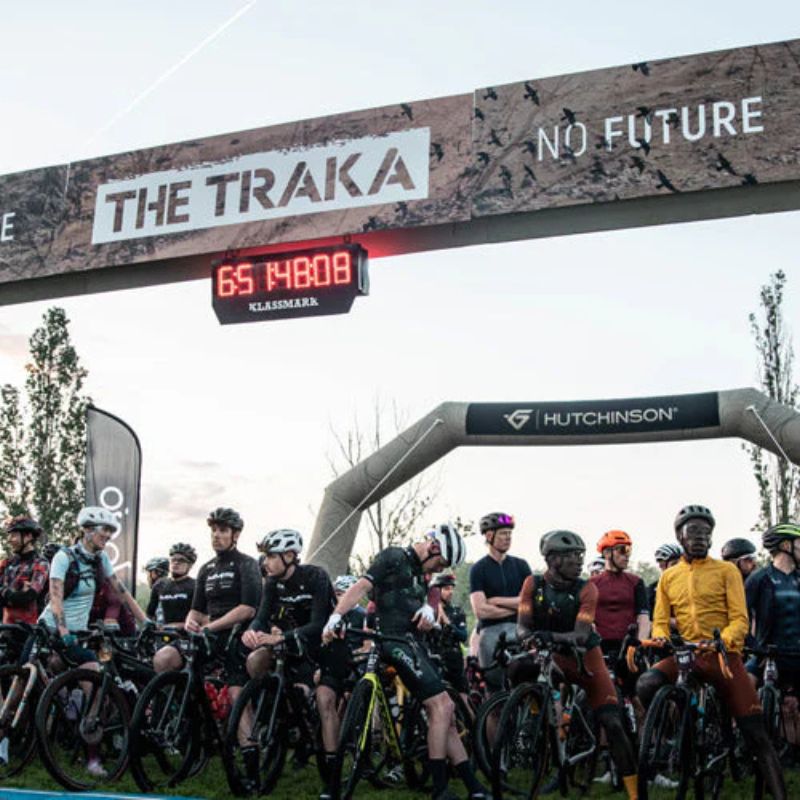
100 days to go until Traka!!
Girona's gravel calendar is officially ticking...
In 100 days, the trails around Girona will fill with riders from all over the world, and we can't wait to see it explode.
Traka isn't just a race for us.
It's our home event - and we've been there since the very beginning, watching it grow into one of the most important gravel weekends of the year.
If you're heading to Girona for Traka, now's the time to start thinking ahead:
• Dial in your bike and get it serviced
• Test out some new kit and get race-ready
• Pop into the hub for advice, routes, or a coffee
We'll be here all the way through (before, during, and after race week), ready to help you get the most out of your Traka experience.
Bring the nerves.
Bring the excitement.
Girona is getting ready!
Six seconds.
That’s the closest winning margin in any men’s Grand Tour.
And it didn’t happen at the Tour de France.
It happened at the 1984 Vuelta a España.
Éric Caritoux wasn’t supposed to be there.
He was literally on holiday in a vineyard when he got the call to fill a spot on a last-minute start list.
He showed up. And he won the whole thing.
Over 3,489 km, 19 stages, and 3 time trials, he held off Alberto Fernández by just six seconds. A race defined by consistency, grit, and a moment in the mountains that changed everything.
▪︎ No rest days
▪︎ No big-name hype
▪︎ No margin for error
It remains the narrowest GC victory in Grand Tour history.
(And yes, even closer than LeMond’s famous 8-second Tour de France win.)
But for us, this one stands out because it reminds us:
In cycling (and in life) you don’t have to be the favourite to make history.
—
What’s your favourite Grand Tour underdog story?
Drop it below 👇
Just because it's 'off-season', doesn't mean your training has to come to a complete stop...
If anything, training at the start of the year can be one of the best ways to reset, rebuild, and lay the foundation for a stronger season ahead.
Over the years, I’ve learned how to love training during this time of year.
Back in the racing days, we used to only prioritise big gains and being on the bike as much as possible. But as we've gotten older, we've realised that it doesn't have to be that way....
If you’re wondering how to train right now without burning out or losing momentum, here’s what I’d recommend:
🔹 Start with a reset
Give yourself space to rest. Take a week or two to sleep more, ride less, and just enjoy moving your body with no agenda.
Short café spins or a walk with friends counts too!
🔹 Build your base
Once you feel rested, it’s time to build endurance.
Long, slow rides are your best friend here - nothing fancy, just time in the saddle.
It’s also a great time to mix in other sports like hiking, swimming, running or yoga.
🔹 Focus on strength
This is the piece most cyclists skip, but it makes a huge difference.
Start with core and glute work: squats, lunges, planks, and balance drills.
Add weight slowly, and you’ll feel the payoff when you hit the climbs in spring.
🔹 Keep it consistent, not complicated
You don’t need a perfect plan, just a regular routine that supports your goals and your lifestyle.
Rest when you’re tired. Eat well. And don’t worry if every session isn’t perfect.
Our best piece of advice is: don't worry too much about trying to go fast.
You just need to be consistent and actually show up.
That's what really builds form that lasts, not just for spring, but for the whole year! 🚴♀️💪
👉 If you’ve found something that works well for your off-season training, we would love to hear about it ↓
Which Destination Are You Dreaming Of Riding In This Year?
Every cyclist has that one place they dream of riding.
Maybe it’s the switchbacks of the Dolomites.
The wild landscapes of Patagonia.
Or the gravel tracks of Girona’s backroads.
Wherever it is, there’s something special about planning a ride somewhere new: new roads, new cultures, new stories to tell.
At Eat Sleep Cycle, we’re already looking ahead to a few that have us especially excited:
- Alps, Slovenia
- Atlas Mountain, Morrocco
- Los Andes,Colombia
- Andalucia, Spain
If you could ride anywhere in the world this year, where would it be?
Share your dream destination in the comments,we might just get inspired too!
There’s some pretty big shifts happening in pro cycling this year…
1. Paris–Roubaix weekend is gone
The men’s and women’s races will now run on the same day (rather than as a back-to-back weekend).
From a fan’s perspective, it kind of feels like a step backwards. We truly think compressing the races will dilute coverage rather than elevate it.
2. Women’s Grand Tours finally get breathing room
The Giro Women shifts to May.
The Tour de France Femmes moves to early August.
For the first time, riders genuinely have the chance to target all three Grand Tours without impossible overlaps. This is a positive step for the calendar and for competitive depth in the women’s peloton.
3. Stage parity arrives in Britain
The Tour of Britain Women expands to 5 stages.
The men’s race contracts to 5.
A small change on paper, but symbolically important.
It reflects a broader push toward parity, not just in prize money, but in how these races are positioned on the calendar.
4. A proper North American racing block returns
The Philadelphia Cycling Classic is back after almost a decade away.
Combined with the Maryland Cycling Classic (now a stage race) and the Canadian GPs, it creates a meaningful North American late-summer block again.
This is great for rider logistics - and potentially great for fan engagement outside Europe.
5. Several iconic races get new names
Critérium du Dauphiné → Tour d’Auvergne–Rhône-Alpes
Gent–Wevelgem → In Flanders Fields
Classic Brugge–De Panne → replaced by the new Ronde van Brugge
Which change do you think will have the biggest impact - and why? 🤷
What’s your cycling goal for 2026? 🚴✨
A new year always brings a fresh sense of motivation, and the bike is often right at the centre of it.
Maybe it’s something big.
Maybe it’s something simple.
Maybe it’s something you’ve been putting off for years.
Here’s a few ideas to get you thinking:
• Complete your first multi-day cycling tour
• Train for a classic climb like Mont Ventoux or Stelvio
• Swap the turbo trainer for a real-world adventure
• Join a cycling community or start riding with a group
• Finally tick off that bucket-list cycling trip
Whatever it is, we’d love to hear it!👇
Drop your 2026 cycling goal in the comments and let’s start the year with a bit of momentum.
Over the years, we've tried pretty much every route-planning app out there when building our tours! 😅
Here are a few of our personal favourites:
➡️ Ride With GPS
This is the one we lean on most.
It’s not flashy, but it’s incredibly solid. The route editing tools are excellent, elevation profiles are clear, and the user-added notes often give proper local insight you won’t get elsewhere. If you care more about accuracy and control than social features, this is hard to beat.
➡️ Strava
Great for the social side of riding. Heatmaps and segments make it easy to see where people actually ride, which is useful when you’re somewhere new. The downside is that proper route planning sits behind a paywall, which can be frustrating.
➡️ Komoot
Really useful for gravel, bikepacking, and mixed terrain. Offline maps are a big plus, especially when you’re heading away from phone signal. Surface data isn’t always spot on, but it’s still one of the better tools for exploring beyond the tarmac.
➡️ Garmin
If you’re already in the Garmin ecosystem, it does the job well. Heatmaps, climb profiles, and syncing are seamless. And unlike Strava, the route planning tools are free, which is a big win.
Which app do you trust most when you’re riding somewhere new?
What’s next for road biking in 2026? 👀
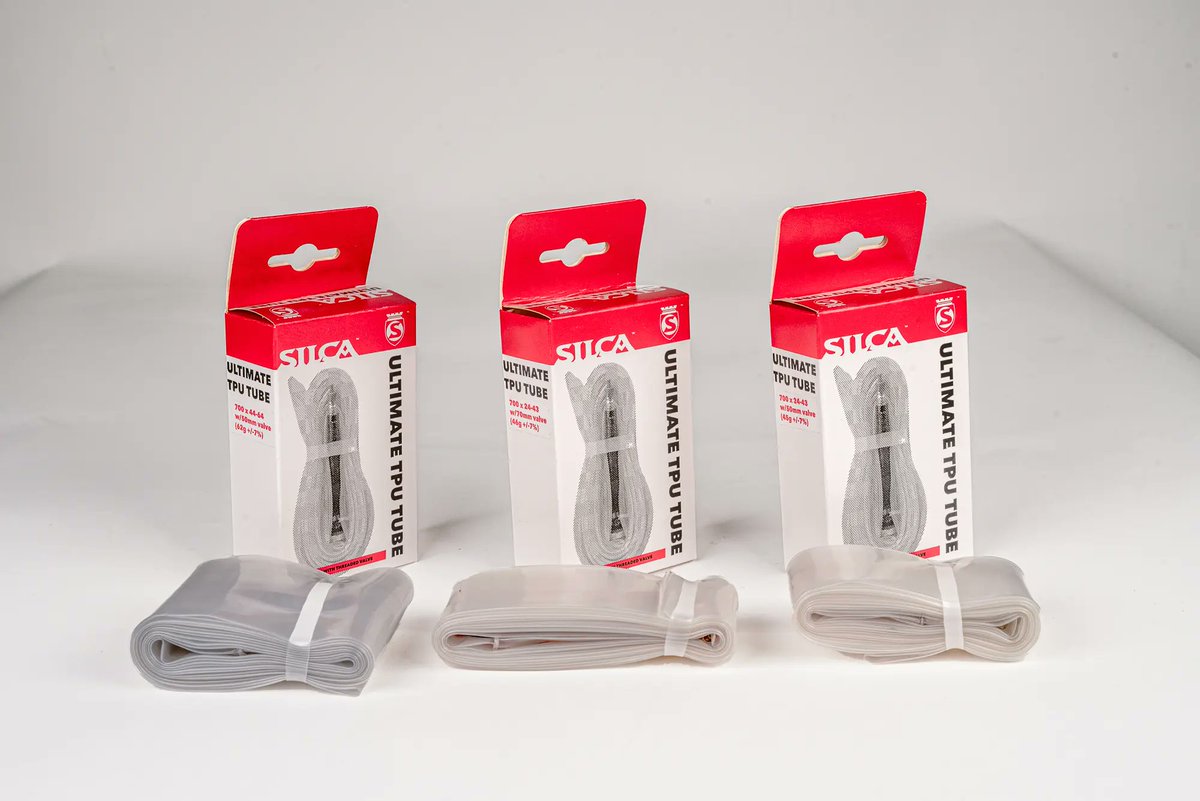
▪︎ TPU tubes instead of tubeless
Tubeless has dominated for a while, but TPU tubes are popping up everywhere. They’re light, more puncture-resistant than old-school butyl, and far less faff to live with.
▪︎ AI creeping into your ride
AI sunglasses still sound a bit mad, but Oakley’s Meta glasses are already out there. Camera, music, weather, voice control - all hands-free.
▪︎ Fully wireless Shimano
It looks like Shimano’s next Dura-Ace and Ultegra updates will go fully wireless. Potentially 13-speed, new freehub standards, and maybe even a pedal-based power meter. Big shift for a brand that’s always been quite conservative.
▪︎ Hookless losing favour
After a lot of debate, hookless road rims seem to be on the way out. Even brands that pushed them hardest are quietly moving back toward hooked or “mini-hook” designs.
▪︎ Shorter cranks becoming normal
More pros are riding shorter cranks, and it’s starting to filter down. For a lot of riders, especially on smaller frames, it could mean better comfort without losing performance.
Anything here you’re excited about… or not convinced by yet?
As the year comes to a close, we just want to say one thing: thank you! 🙏
2025 has been a big year for us at Eat Sleep Cycle, and it wouldn’t have been possible without the incredible community around us.
This year, we:
• Welcomed new riders on tours across Europe and beyond
• Launched new routes and destinations we’re genuinely proud of
• Celebrated milestone moments together, including our crowdfunding journey
• Rolled out countless community rides from our hubs
• Spent more time doing what we love most: riding bikes with great people
From first-time tour guests to long-time friends of ESC, from casual coffee rides to epic multi-day adventures - every single one of you has shaped this year.
Thank you for trusting us with your riding, your time, and your travel plans.
Thank you for showing up, sharing stories, and bringing the good vibes - on and off the bike.
We’re heading into the holidays feeling grateful, inspired, and excited for what’s ahead.
Wishing you a restful festive season, a strong start to the new year, and plenty of rides to look forward to in 2026.
See you on the road soon ❤️🚴
—
Eat Sleep Cycle
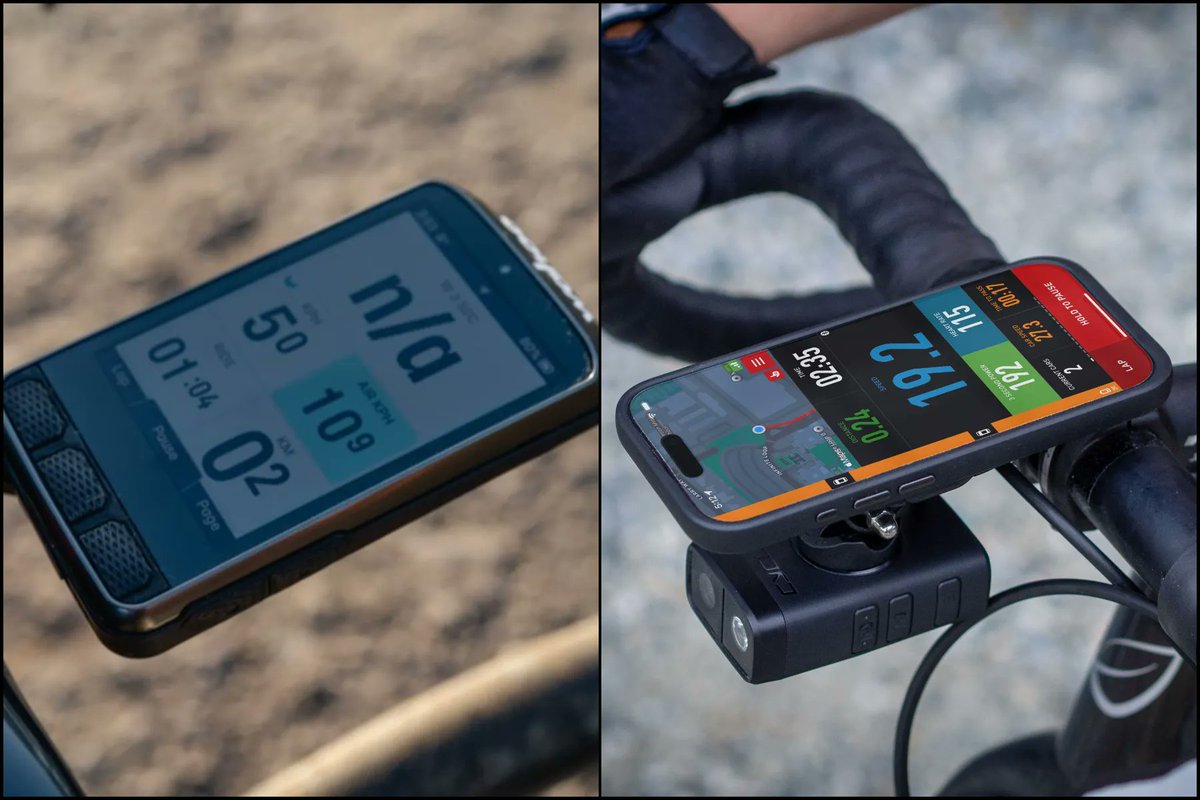
Do you actually need a bike computer? Or can you just use your phone? 🤳
Well, it depends…
Smartphones have come a long way. Apps like Cadence, Komoot and Strava mean your phone can now replicate much of what a cycling computer offers (at a fraction of the cost).
Other benefits include:
👍 A bigger, higher-res screen
👍 Ride recording and navigation
👍 Connectivity with most BLE sensors
👍 And (depending on your setup) some advanced ride metrics, too
But there are trade-offs.
Bike computers still win when it comes to:
→ Battery life on long rides
→ Durability and waterproofing
→ Sensor compatibility (especially ANT+)
→ And that “set it and forget it” simplicity on the handlebars
Our take? If you’re riding regularly, exploring new routes, or training with power, a dedicated bike computer is still a solid investment.
But if you’re just getting into the sport or mainly commuting, a smartphone with a solid mount might be all you need to start.
Both options have their place. It’s not always about the fanciest tech - just what keeps you riding more often.
Are you team bike computer or team phone? And has anyone made the switch recently? 🤔
This month, we’re shining a light on a very special bike. 🚲
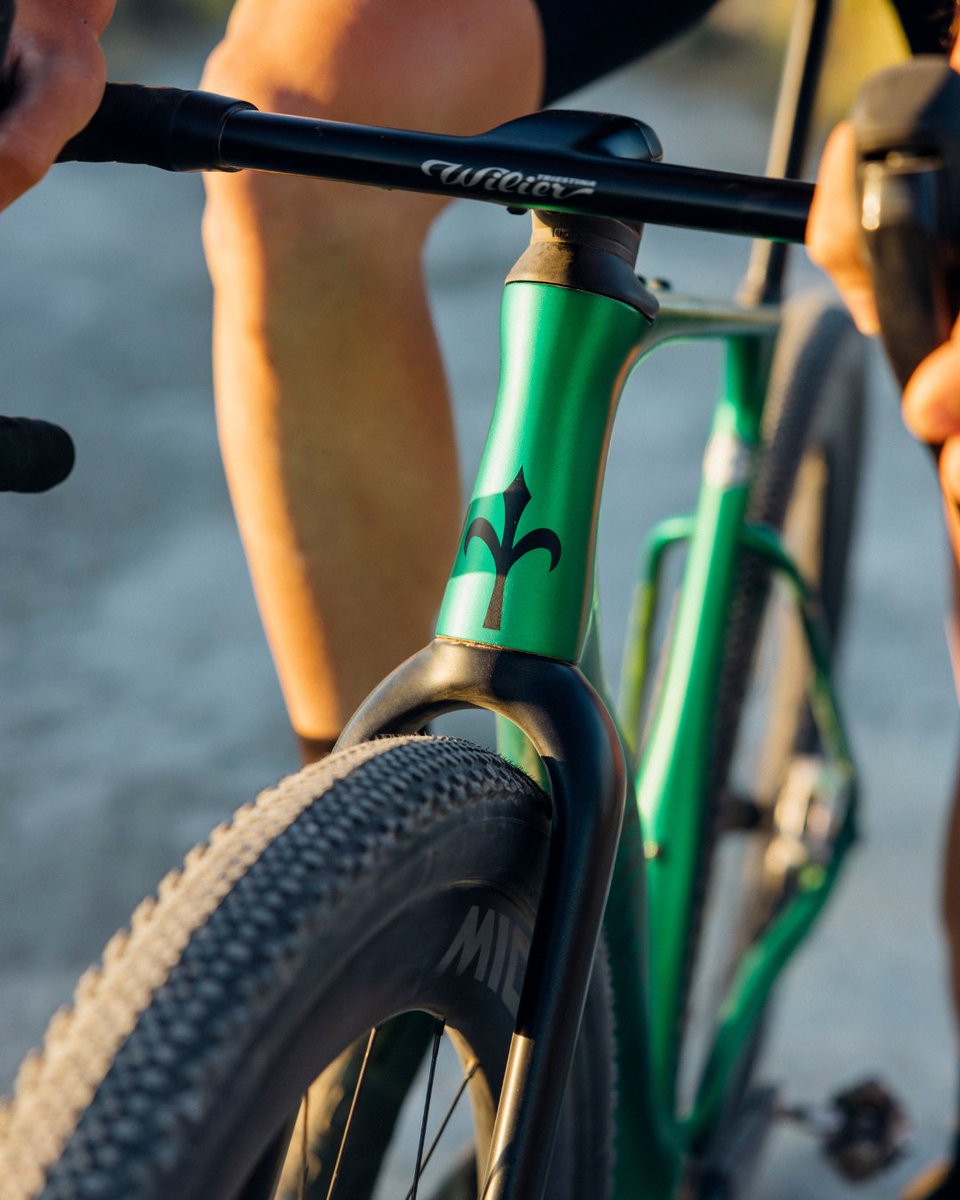
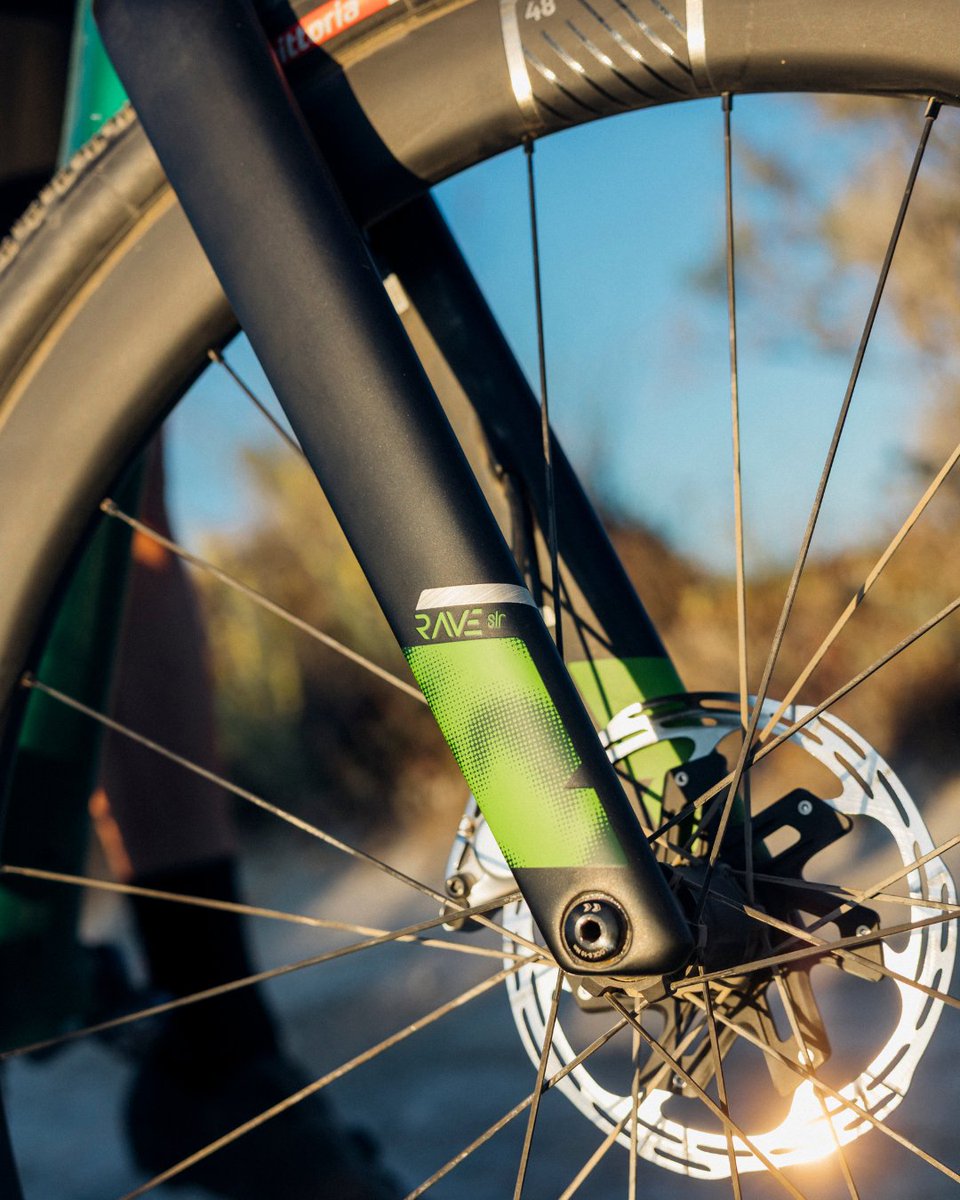
👉 The Wilier Rave SLR ID2
Fast, refined, and built for riders who want performance without compromise - it’s one of the most impressive gravel race bikes we’ve ridden in a while.
✅ Lightweight SLR carbon
✅ Race-tuned geometry
✅ Massive tyre clearance
✅ SRAM RED XPLR AXS 1x13 wireless drivetrain
Everything about the Rave SLR ID2 is designed to feel sharp, responsive, and effortless across mixed terrain. 🚴
It’s a bike that feels just as confident flying along smooth gravel as it does when the route turns rough, steep, or technical.
And this season, we’re excited to take things one step further…
In collaboration with @WilierTriestina, we’ve just launched a brand new, fully supported gravel tour through Girona and the Costa Brava - giving our guests the chance to ride the exceptional Wilier Rave SLR exactly where it belongs. 💪
(More details on the tour coming soon… 👀)
For those who want to own it, the Wilier Rave SLR ID2 is also available through our shop.
🔗 Check it out:
https://t.co/xh0l2gvEIv
Our 2025 Christmas Gift Guide for Cyclists is live! 🎁🚴
If you’re shopping for someone who loves riding, you’ll know: cyclists can be hard to buy for.
Different kit, technical gear, endless opinions…it’s a lot! 🤣
So, to help make the process a bit easier, we’ve put together a simple, cyclist-approved list of gift ideas at a range of different price points.
Inside the guide, you’ll find:
• Stocking fillers (socks, base layers, tees, beanies)
• Practical picks that every rider needs
• Experience-based gifts like bike hire + tour vouchers
• Bigger surprises (including ex-rental bikes) 👀
Whether you're buying for a roadie, a gravel rider, or someone just getting into cycling, there’s something in here they’ll actually use (and love).
🎄Check out the full guide: https://t.co/C7ORsfIW2i
#Christmasgifts #GiftIdeas #CyclingGifts
It’s been nearly 10 years since we opened our first hub in Girona, and it’s wild to think how much the city has changed as a cycling destination! 😮
When we set up here, Girona was already popular with a small circle of pros and a handful of travelling riders, but it definitely wasn’t the global hotspot it is today.
Over the years, we’ve watched it grow massively, and not because of one single factor...
It was more like a perfect mix coming together at the right time:
• The riding is unbelievably diverse (coastal loops, quiet backroads, big mountain days - all from one base!)
• WorldTour riders moved in early, which gradually pulled more cafés, mechanics, and services into the mix.
• The city itself suits the lifestyle. It's walkable, relaxed, got great food, mild winters, and is close to Barcelona + the Costa Brava.
• And most importantly: it built a real cycling identity (not just bike lanes, but cool cycling routes, community spots, routines… a whole ecosystem).
Watching that shift up close has been pretty special.
But we're curious to hear from others in this community:
If you’ve ever spent time in Girona, what do you think helped it grow into such a big cycling hub? 🤔