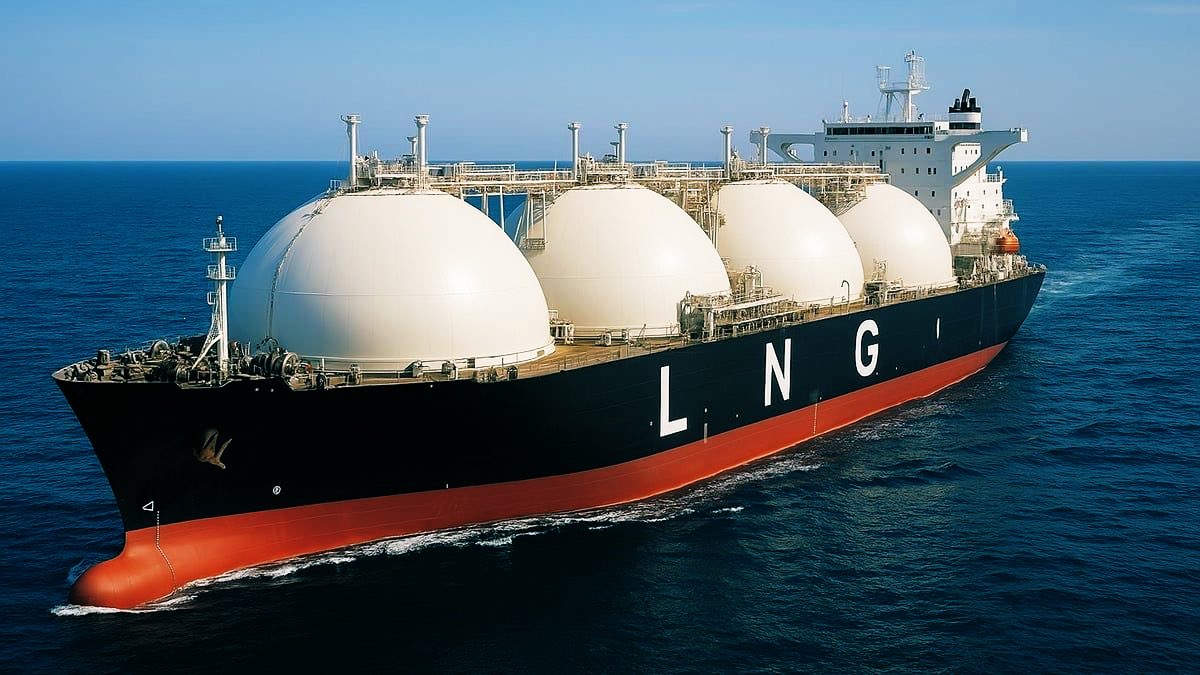
New #LNG and #methanol vessel orders now exceed 55 % of global capacity on order. Transition fuels remain the backbone of near-term fleet strategy. #FuelInsight#PortFocus
The #IMO delays adoption of its #NetZero Framework after U.S. objections. The pause clouds investment planning and slows the #decarbonization pathway for shipping. #EchelonView
Global bunker averages have dipped below $530/mt for VLSFO, reflecting softer crude and easing freight rates. A brief relief for operating cost pressure — but spreads and regional availability remain volatile. #FuelInsight#MarketWatch
The fleet of alternative-fuel capable ships is expected to nearly double by 2028, with LNG, methanol, ammonia and hydrogen leading the pipeline. Policy clarity must catch up to maintain momentum. #EchelonView#Transition
LNG demand for shipping is projected to at least double by 2030, driven by emissions rules and expanding infrastructure. LNG now leads among transition fuels in vessel orders and bunkering scale. #FuelInsight#TechTrend
IMO member states voted to delay the adoption of a carbon price mechanism for shipping by one year, following strong opposition from the U.S. and Saudi Arabia. Regulatory uncertainty now clouds investment signals. #EchelonView#Regulation
China and U.S. have imposed new port fees (from Oct 14), disrupting cargo flows and tightening vessel availability. Expect upward pressure on bunker indices across major trade corridors. #FuelInsight#PortFocus
The IMO vote looms: proposed carbon pricing on ships >5,000 gt could raise US$11–12 bn yearly. U.S. opposition may force delay or dilution. #IndustryNews#Regulation
AI‑driven fuel models like “FuelCast” now forecast consumption using environmental and operational data — aiding sailing speed, trim, routing decisions. Data systems will soon be core to fuel optimization. #EchelonView#TechTrend
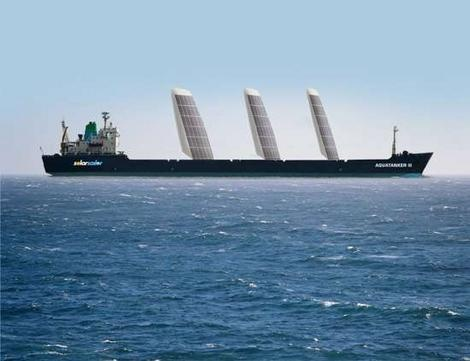
Wind‑assisted propulsion sees revival: modern Flettner rotors and rigid sails promise 10–20% fuel savings on long voyages. Adoption hinges on integration with routing AI. #PortFocus#FuelTransition
Bunker fuel availability in NW Europe tightens: LSMGO lead times stretch to 6–7 days while VLSFO and HSFO now require 5–7 day notice. Freight softening limits immediate upside. #FuelInsight#BunkerMarket
Methanol and LNG remain top transition fuels, but infrastructure defines the winner. Without scalable bunkering networks, innovation stays theoretical. #PortFocus#FuelTransition#MaritimeTech
The IMO’s Net-Zero Framework is more than a policy milestone — it’s a restructuring of global trade economics. Compliance costs will soon define competitiveness. #EchelonView#MaritimePolicy#Decarbonization
Global LNG demand in shipping is forecast to at least double by 2030, underscoring its near‑term role as a lower‑carbon bridge fuel amid tightening emissions rules. #FuelInsight#EchelonView
IMO delegates meet this week to vote on the Net‑Zero Framework, including global carbon pricing for large vessels. The U.S.–EU standoff may determine the outcome. #EchelonView#Regulation#FuelInsight
Port delays in Antwerp‑Bruges due to harbour pilot strikes are constraining bunker flows in NW Europe, tightening supply margins for short‑sea trades. #PortFocus#FuelInsight#EchelonView
Demand for LNG as marine fuel to at least double by 2030, driven by emissions regulation and abundant supply. Echelon sees this as one of the few bets with scale potential. #FuelTransition#EchelonView#LNGBunkering