Very happy to share our new paper in Nature Microbiogy! We measured the growth of environmental bacteria in the presence of chemical pollutants and investigated interactions in their responses to mixtures. @ic_blabs @PawarLab@CleggTom@JRosindell@EmmaRansome1
OUT NOW High throughput characterization of bacterial responses to complex mixtures of chemical pollutants by @EcologicalTom and colleagues https://t.co/Alunoo4X44
Can microbes mend the environment?
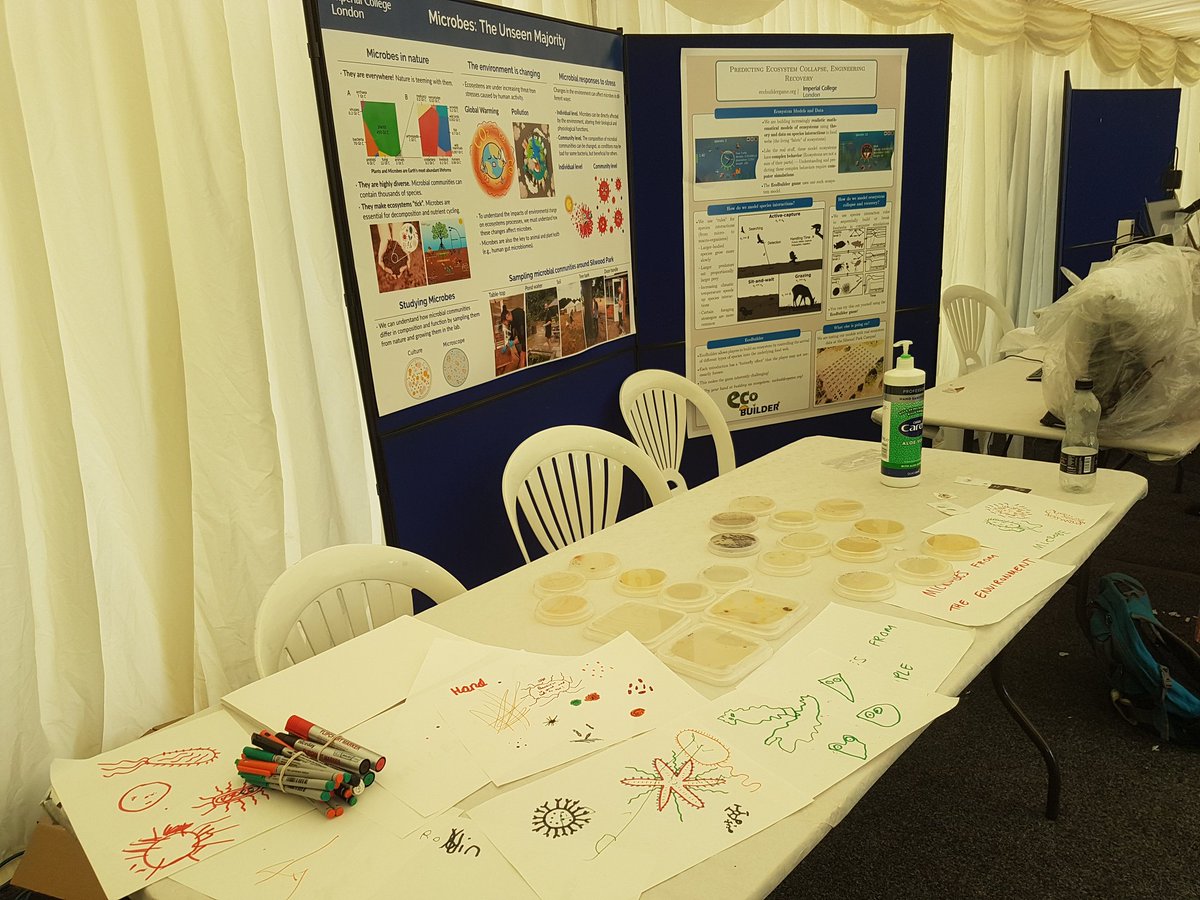
Researchers @ic_blabs and @EcologicalTom, based at Silwood Park, join @BBCRareEarth to discuss how microbes could help improve agriculture and the environment 🌲
📻 The magic of microbes, @BBCRadio4, today at 12pm
https://t.co/lKlt1GARpg
Sought: Highly motivated Post-Doctoral Research Associate to join our food system resilience project, led by @UniofReading , joining a large interdisciplinary team with an excellent track record in food system research. Apply now! (deadline 5th Nov)
https://t.co/8P5qu9Ohyt
In a bit of a COVID throwback, our new paper is out in Scientific Reports! We investigated the impact of environmental conditions on the transmission of different variants during their selective sweeps: https://t.co/jAKDJWD9Pf
@willpearse@IDorigatti @creswapi @mahika_dixit
Scholars in all disciplines & countries, we invite you to sign this open letter to @WHOSTP calling for equitable access & participation in research for all
Why we think you should sign
https://t.co/VzgUMMxdnk
Or go straight to the letter
https://t.co/Yok9PzAeso
#OSTPLetter
Communities of bacteria alter their composition in response to temperature changes, tapping into a reservoir of latent species which are better suited for these new conditions. https://t.co/wmQkIsnQyv
Our new paper, an @ic_blabs and @PawarLab collaboration, is out in @eLife. We performed an experiment to understand the importance of species sorting in the responses of bacterial communities to temperature change. https://t.co/d1kSdPxR9p
We found that changes in temperature can lead to the resuscitation of previously inactive species or strains, a potentially important mechanism for community responses to environmental change. #microbes#bacteria#warming@mhasoba1 @DGKontopoulos @EmmaRansome1
Dr Tom Smith (Imperial College) looking at interactions among multiple stressors and effect on microbes: no effect? antagonistic? Synergistic? Turns out lower order interactions persist in complex mixtures! 😳
Registration now open for #MMEG2022 https://t.co/bUtSxE06BC! We are very much looking forward to welcoming you to #Glasgow on 1-2 December to discuss all aspects of molecular microbial ecology! Please register early to secure your place at the meeting!
New paper in @EcographyJourna & R package: Fauxcurrence: simulating multi-species occurrences for null models in species distribution modelling and biogeography https://t.co/j3Q8LL73sl 1/8
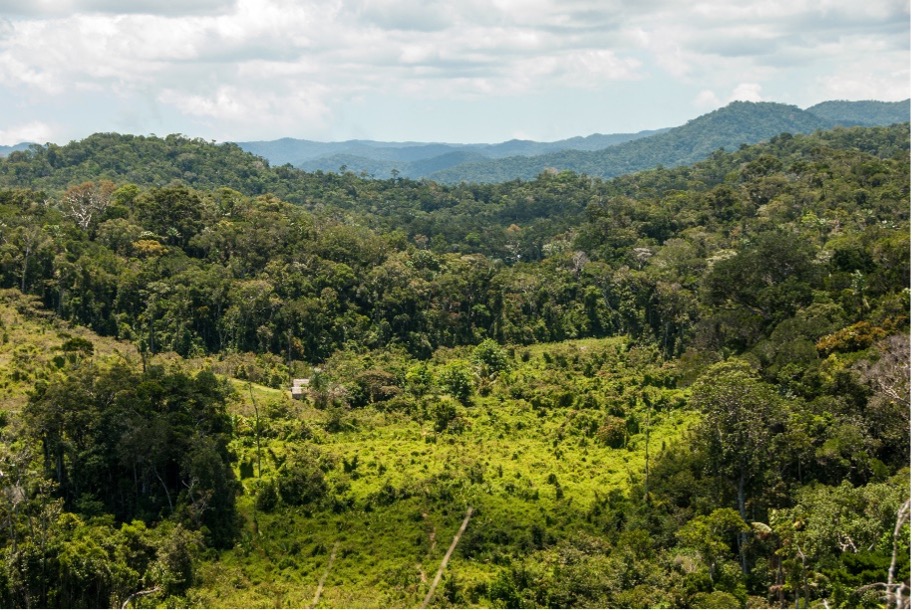
Our new paper is out today in @RSocPublishing#ProcB#openaccess We use #genomic data to investigate the history of some of the rarest plants on #Madagascar - we tackled a simple question - were these rare species always rare? https://t.co/uM46M8kEw7 Thread 1/7
Excited to be able to share our paper in @Ecology_Letters investigating the temperature dependence of microbial carbon use efficiency! https://t.co/oBKKmCikEH
Our paper on systematic variation in the temperature dependence of strain-level carbon use efficiency across bacterial clades is now out: https://t.co/lZ9Wljnh72
Thanks to a wonderful Tom-heavy collaboration with @EcologicalTom, @CleggTom, and @ic_blabs
Really happy to have this paper out in @PNASNews. We found that colder, more population-dense states had higher SARS-CoV-2 transmission rates, but that these environmental effects were negated when strong non-pharmaceutical interventions ("lockdown") were in place.