The MSc course on Smart Environmental Systainability (ECOLUTION) aims to train individuals with the necessary skills & knowledge to work in the industry
The @EcolutionMSc Mission brings together environmental sustainability, smart technologies, and European collaboration to prepare the next generation of sustainability professionals.
Watch the video: https://t.co/s9D0SA7luu
#EcolutionMSc#EACEA#ErasmusPlus#EUCofunded#SDG15
Prague recap: @EcolutionMSc students turned their Master's thesis work into clear research stories
Refined 30-second thesis reels, planned documentaries, social content. The lab focused on sharing research wITH wider audiences.
#EcolutionMSc#EACEA#ErasmusPlus#EUCofunded#SDG15
@EcolutionMSc students are heading to Prague for two weeks of learning and collaboration.
What’s included: environmental topics such as sensors, data processing, and wetlands management, alongside dedicated Master's thesis support.
#EcolutionMSc#EACEA#ErasmusPlus#EUCofunded
Environmental challenges influence how natural systems are managed and protected.
@EcolutionMSc’s Eco-Innovation and Sustainability course focuses on sustainable approaches to environmental management and long-term challenges.
#EcolutionMSc#EACEA#ErasmusPlus#EUCofunded#SDG15
Wetlands support biodiversity, regulate water systems, and contribute to the environment.
The Wetlands Conservation and Management course in the @EcolutionMSc focuses on the ecological importance of wetlands and their conservation.
#EcolutionMSc#EACEA#ErasmusPlus#EUCofunded
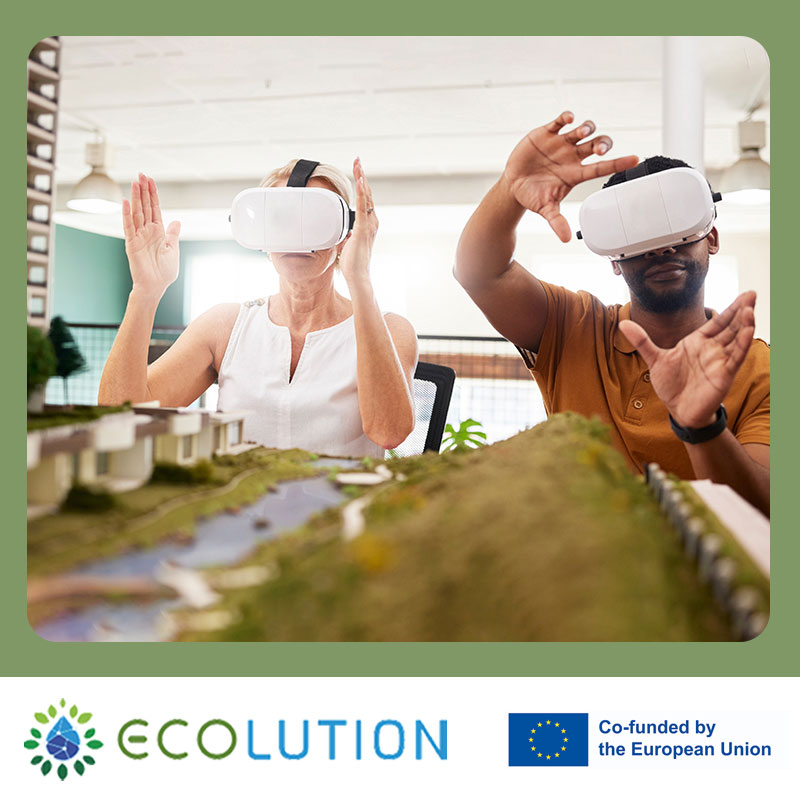
Extended reality (XR) is used in training, education, and industry to simulate real-world scenarios.
@EcolutionMSc’s XR Applications in Environmental Management course explores how these tools are applied in environmental contexts.
#EcolutionMSc#EACEA#ErasmusPlus#EUCofunded
Connected systems are becoming essential for sustainable infrastructure.
The IoT Platforms & Systems course within @EcolutionMSc explores how sensors, networks, and data platforms enable smarter environments and services.
#EcolutionMSc#EACEA#ErasmusPlus#EUCofunded#SDG15
📡 Why study Data Acquisition & Sensors?
Because we can’t manage what we can’t measure.
@EcolutionMSc students learn how to use real-time data from smart sensors to drive more sustainable farming and environmental planning.
#EcolutionMSc#EACEA#ErasmusPlus#EUCofunded
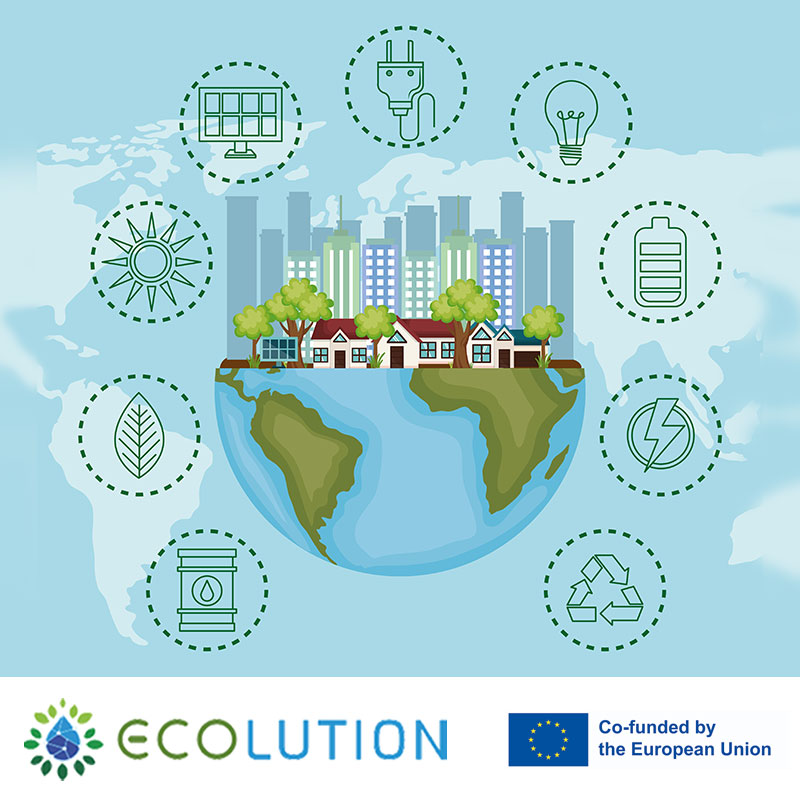
🌍 By connecting environmental systems analysis, data-driven tools, systems thinking, and policy frameworks, @EcolutionMSc approaches sustainability as a complex, interconnected challenge rather than isolated topics.
#EcolutionMSc#EACEA#ErasmusPlus#EUCofunded#SDG15
🌍 Sustainability challenges don’t exist in isolation.
Climate, biodiversity, technology, and society are deeply interconnected, which is why effective sustainability work requires systems thinking, not single-issue solutions.
#EcolutionMSc#EACEA#ErasmusPlus#EUCofunded#SDG15
🌍 As 2025 came to a close, @EcolutionMSc reflects on the sustainability themes explored this year, from natural resource management and environmental risk to digital tools, circular economy thinking, and policy perspectives.
#EcolutionMSc#EACEA#ErasmusPlus#EUCofunded
Where does our community learn best? Your top choice from our recent poll was clear: Seaside/balcony view led by a wide margin. @EcolutionMSc is built for flexibility and learning sustainability from the spaces that inspire you most. #EcolutionMSc#EACEA#ErasmusPlus#EUCofunded
📍 Why does environmental risk assessment matter?
In the @EcolutionMSc Environmental Risk Assessment I course, students learn to identify & manage threats to species, habitats & ecosystems.
#EcolutionMSc#EACEA#ErasmusPlus#EUCofunded#SDG15