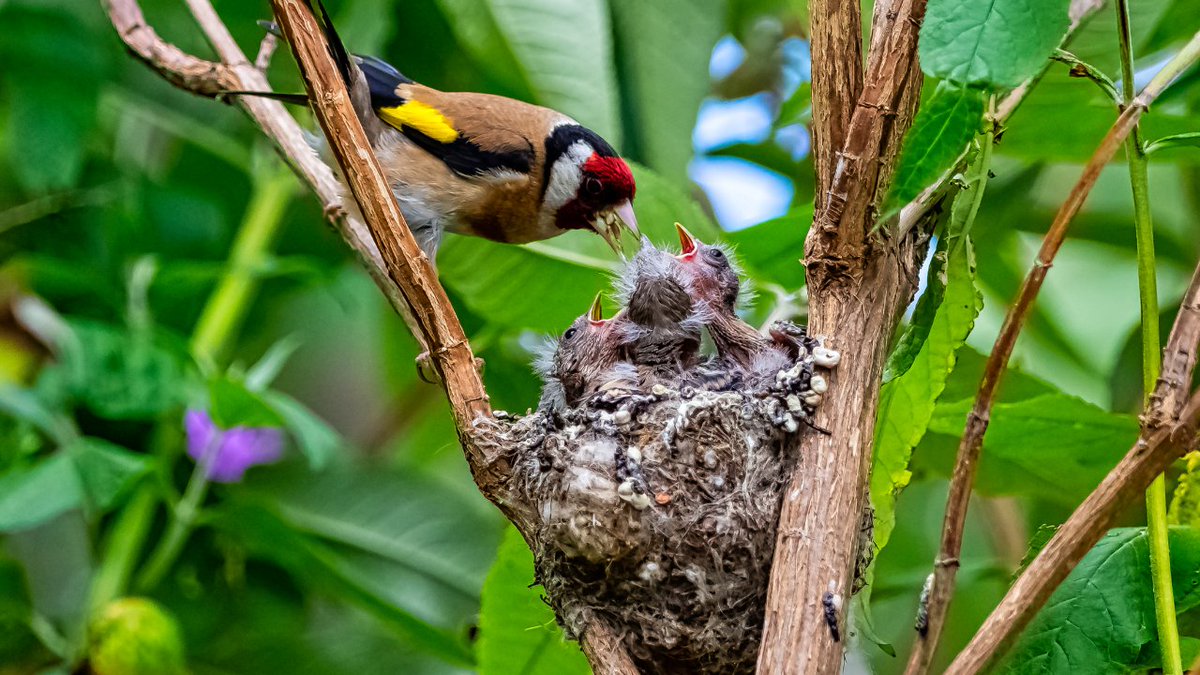
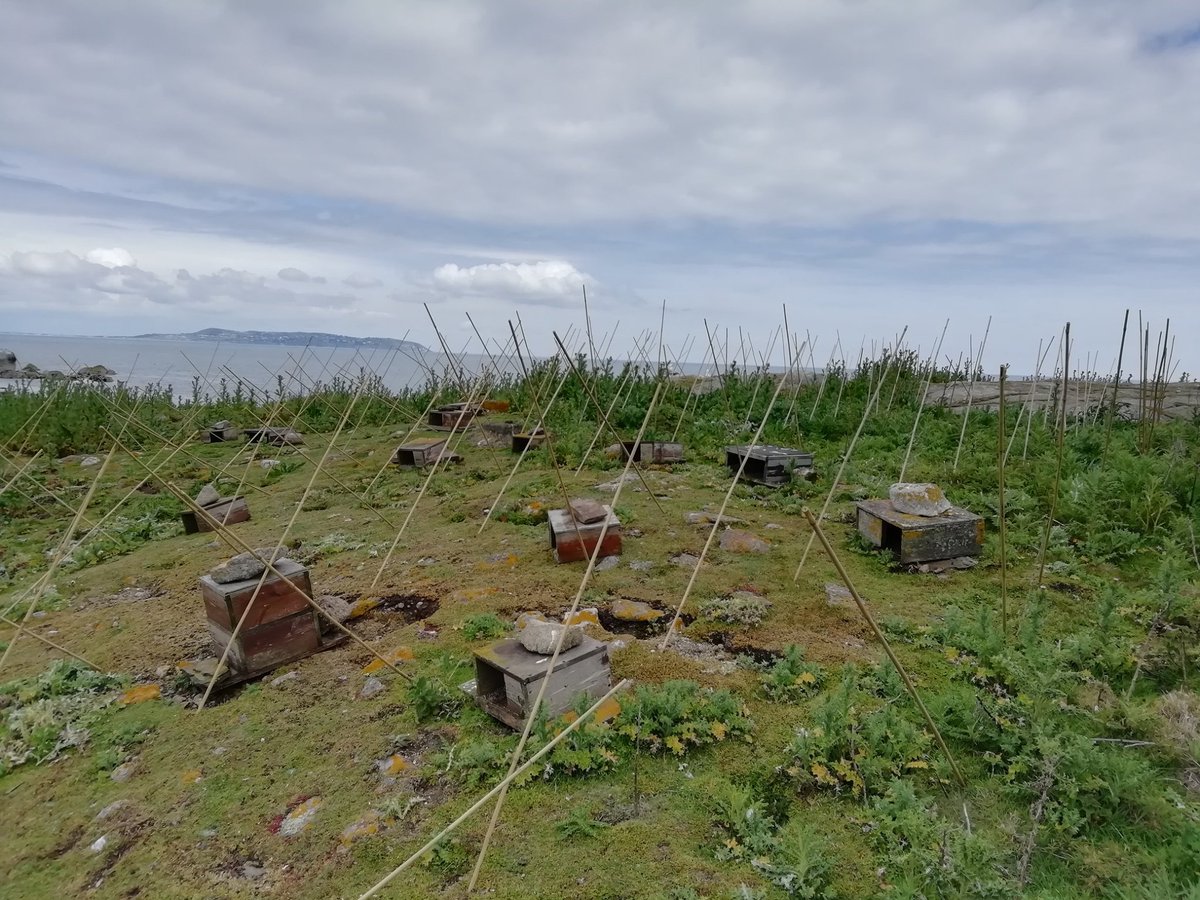
Sometimes our seabirds need active management to help boost populations and productivity. On the Isle of May we've created specialist 'tern terraces' to boost our numbers, following examples set elsewhere. Today's blog is an interesting read: https://t.co/VnWtRiQI6m
Its Water plant week!!! Please help with our @UCLgeography MSc on-line #wetland plant "field" identification course by posting pictures & videos of wet-loving plants this week with #waterplantweek. You can identify the plants or ask us to identify @BSBIbotany
Last week we helped translocate over 1 million elvers passed barriers to their migration on the Severn. This video by our Project Officer Tom shows just a few of them, and the awesome volunteers who helped
@SEGandrewK @EelGroup @BBCSpringwatch@IoloWilliams2@theriverstrust
#GlavenBeaverProject 🦫🌿
Flood & drought alleviation ✅
Sediment & pollutant capture ✅
Habitat complexity ✅
Biodiversity ✅
Carbon storage ✅
Pls support our crowdfunder to bring back beavers to the headwaters of the Glaven river: https://t.co/6dnenDT6bk
Watch & share ⬇️
And this is true for most #fishways we have seen the last years. In the netherlands for example only 30% work well. It’s time to start thinking different about solving connectivity issues. #damremoval
There are simple things we must do to protect wildlife between 1 March and 31 July when birds are nesting.
🐕 Keep your dog on a short lead
🐣 Watch out for nests on the ground
🚶🏿 Stick to pathways, even if they're muddy
🌳 Check for nesting birds before cutting hedges & trees
Brrrr... it's chilly out there! Loving this photo Volunteer Ranger & Photographer took of the Blakeney Lifeboat House & dunes in a flurry of snow. What 3 words come to mind? For me it's wild, evocative & striking 📷Hanne Siebers
Our river valleys should be full of wet bits - wetlands, back-channels, ponds, meanders...some of them wet all year, some of them wet sometimes, some of them wet rarely, some flowing, some still, some shallow, some deep - epic diversity! #WorldWetlandsDay
We have published Best Practice Guidance for the management of #tern colonies!! These cover #habitat management (e.g. #rafts), predator mitigation (e.g. #fencing, canes). Huge thanks to our tern colleagues who contributed their case studies! #conservation https://t.co/Lpbl71vGjU
Important coverage of 2 keystone species in #Norfolk as part of the brill @NorfolkNats "Norfolk's Wonderful 150 species" book. The species have a similar distribution pattern in the county #shuck#crucian