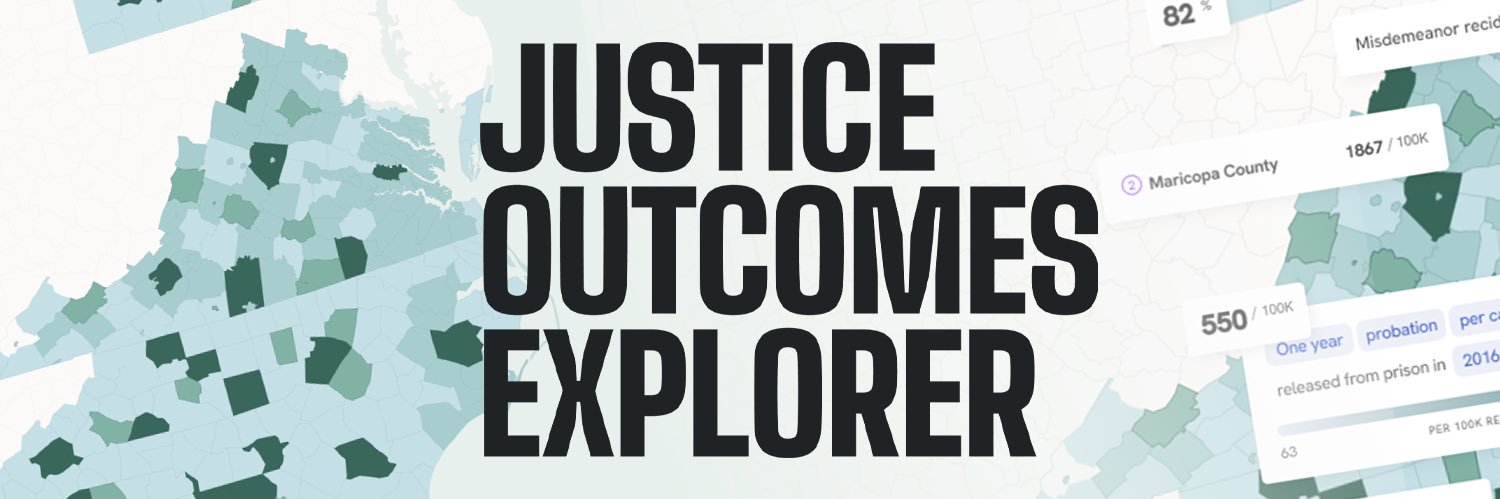
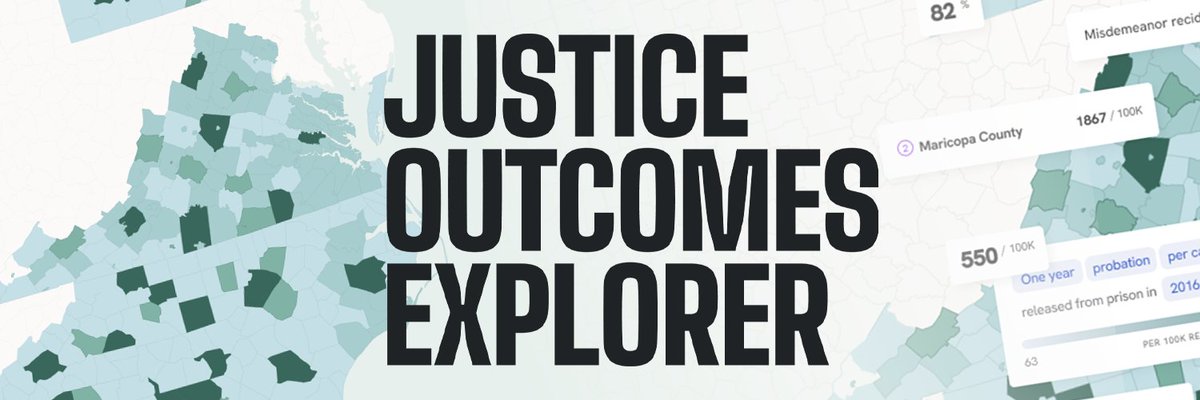
Today, we are proud to introduce the #JusticeOutcomesExplorer! JOE is a publicly available data dashboard that provides a fresh glimpse into how the criminal justice system touches the lives of millions of Americans every year: https://t.co/k1Yn1NzgzX [1/10] 🧵
Academic job market candidates:
Did you know you can "make your own post-doc" by applying for external research funding? Many/most departments would be happy to provide office space to someone who brings their own funds.
@Arnold_Ventures currently has multiple open RFPs. Apply for project-based funding that would cover your time for at least the next academic year. This will give you some flexibility/a back-up plan as you go through the academic job market.
Causal studies on many topics, including crime/CJ, will be eligible for AV funds.
https://t.co/bTHW7Dt69N
Congratulations to Andrei Levchenko for being appointed as AER coeditor, handling papers in international economics and starting on February 1. I’m delighted to have him on our team. @AEAjournals
The reason clearance rates are measured using arrests is that is what current data infrastructure allows. Police depts have access to reported crime and arrest data. Conviction data live in court data systems, which they usually can't link to.
We need better, integrated data!
@analisapackham@regressiondisco@KeithNHumphreys This seems like a great use for @UM_CJARS! Look at the stock of justice-involved people with drug charges in the last 25 years. See if their relative death rate accelerated over the last decade (compared to the gen pop) and if it recently leveled off in the surviving population.
Does Medicaid reduce involvement with the criminal justice system? In this new paper we find no effect of Medicaid on criminal charges and convictions using experimental variation in Medicaid coverage from the Oregon Health Insurance Experiment.
"In Texas, a woman whose water broke at 18 weeks—far too early for her baby to survive outside the womb—was unable to get an abortion until she became septic. She spent three days in the ICU, and one of her fallopian tubes permanently closed from scarring. In Tennessee, a woman lost four pints of blood delivering her dead fetus in a hospital’s holding area. In Oklahoma, a bleeding woman with a nonviable pregnancy was turned away from three separate hospitals. One said she could wait in the parking lot until her condition became life-threatening." https://t.co/5kGQpcWKRA
I have a new working paper posted today, which argues that U.S. local labor markets (LLMs) should be redefined. I present new LLMs which I argue (1) better match local planning areas, & (2) have higher average internal spillovers. https://t.co/tHCjZlUufK
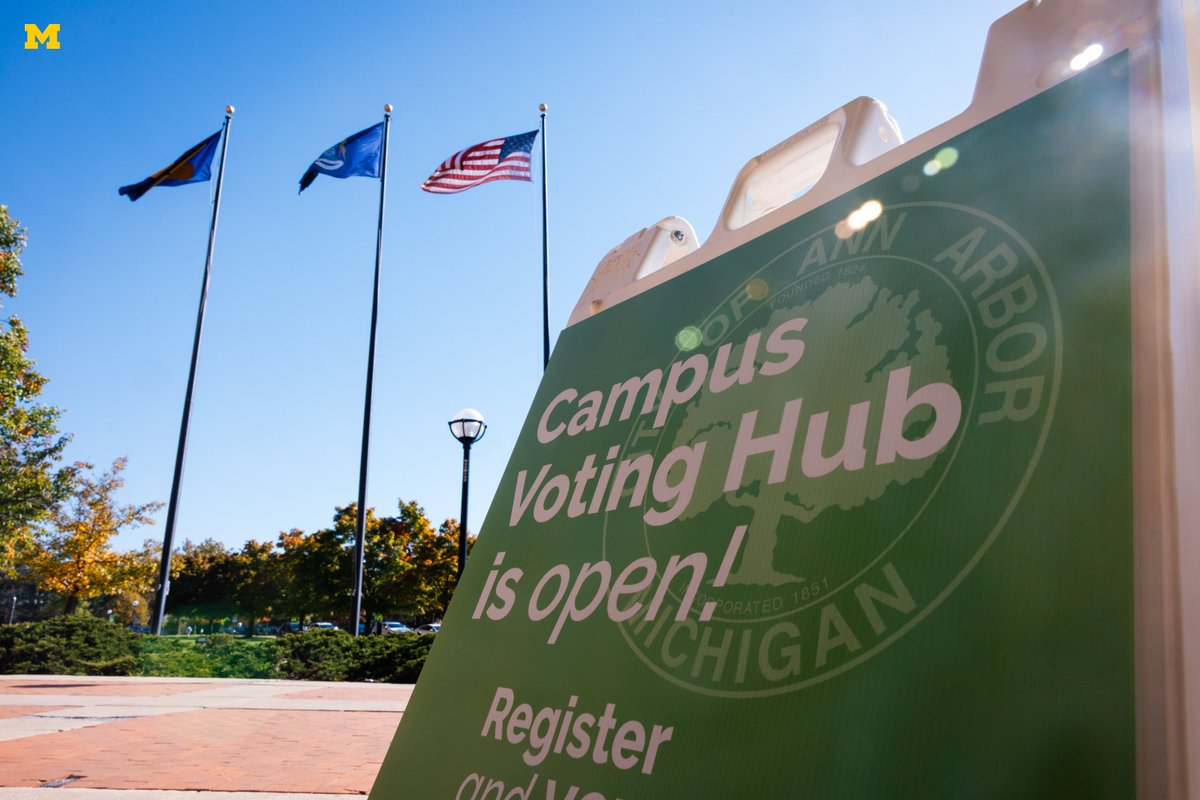
Wolverines, you can now vote early! The nine days of early voting began yesterday, and @UMichStudents can swing by the UMMA and Duderstadt voting hubs from 11am-7pm each day between now and November 3rd to vote. https://t.co/Itiqr1tmYk
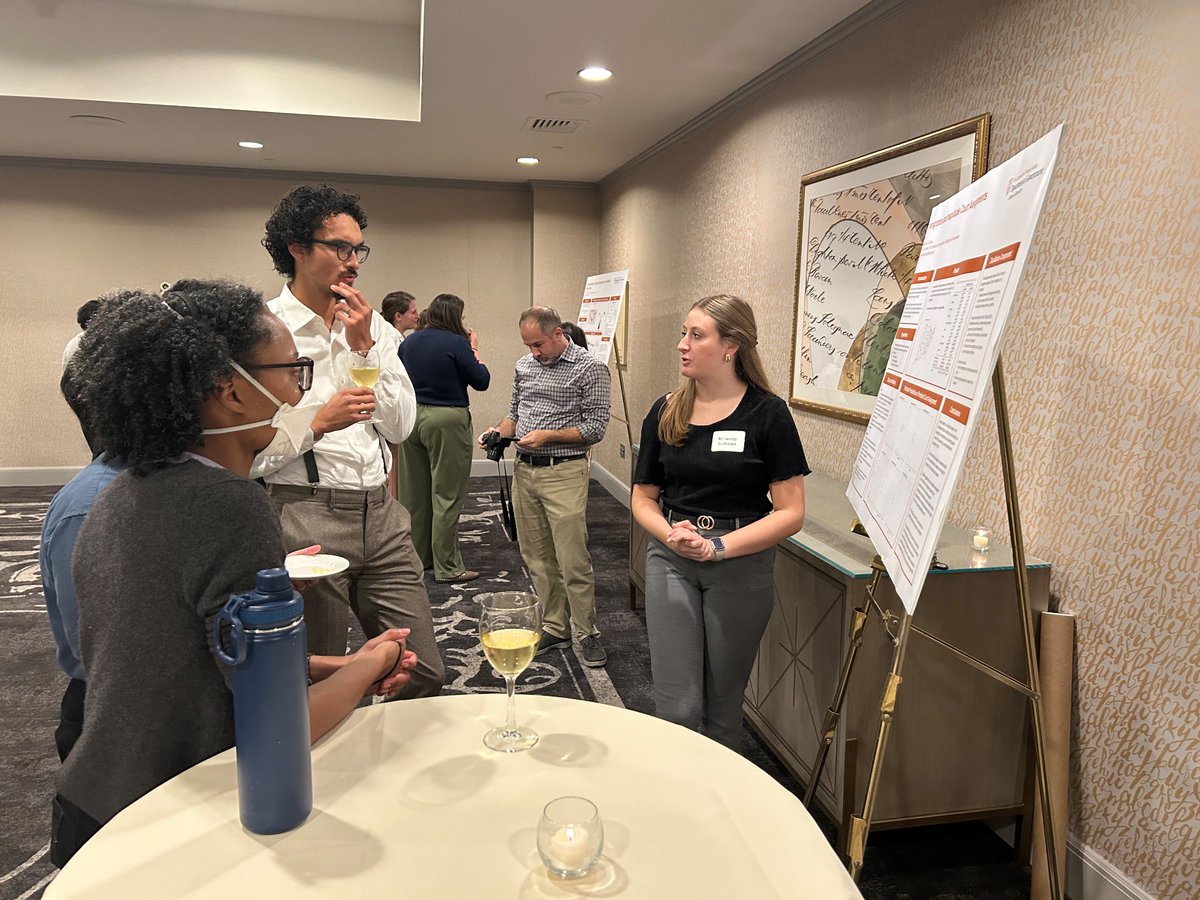
@SDSUCHEPS & @SdsuEcon welcome @Econ_Mike to present his paper, "The Direct and Intergenerational Effects of Criminal History-Based Safety Net Bans in the U.S."
Paper: https://t.co/zRoAh04x9h
Join us on Thurs 10/10 at 3:30PM PT in AL 660 or via zoom: https://t.co/Qau3OsX5rP
Black Americans get audited more, even among individuals claiming the EITC. It's because the IRS chooses who to audit based on who it suspects of overclaiming tax credits like the EITC or CTC, instead of who it suspects underpaid the most.
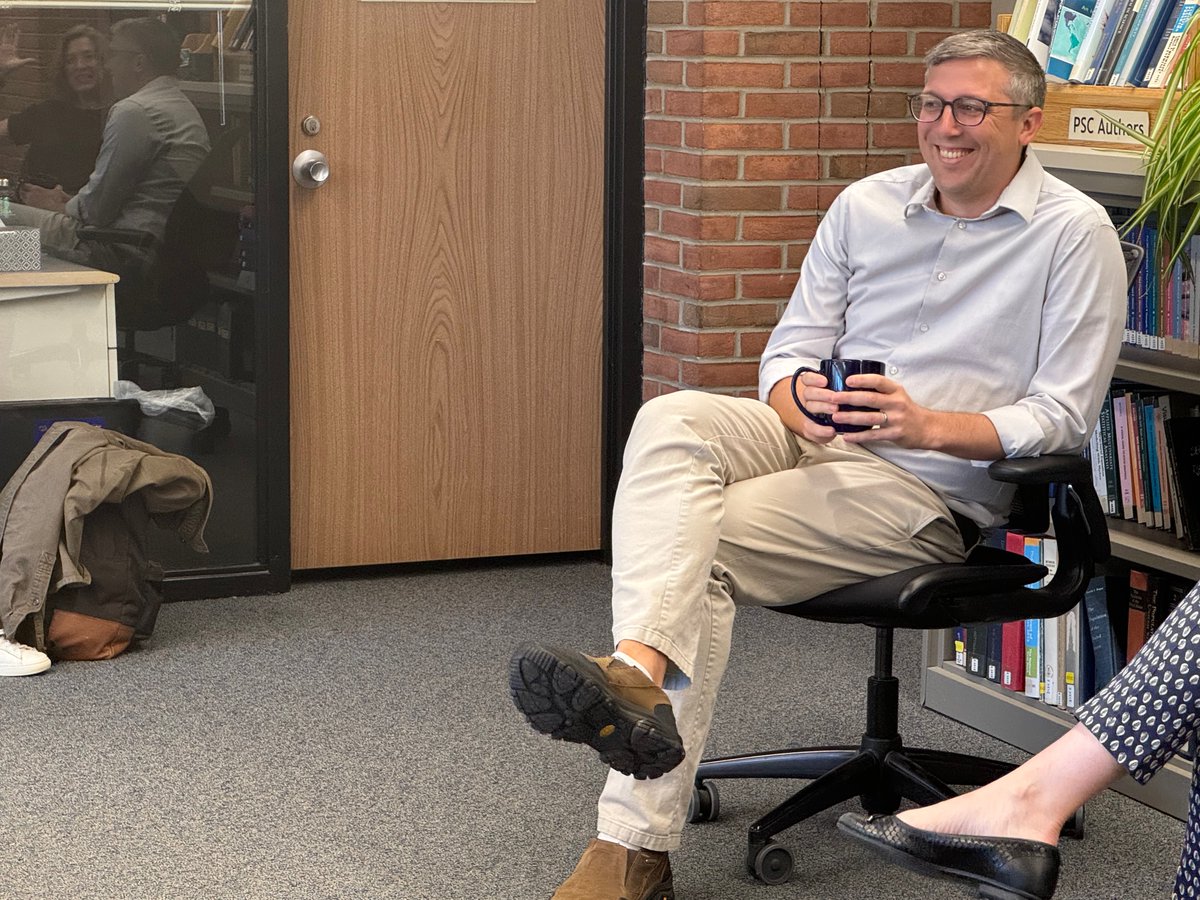
5 things to know about Mike Mueller-Smith @Econ_Mike@UM_PSC@UM_CJARS ⬇️:
🐢 Comparing his circular migration to that of a rare turtle returning to its breeding grounds, Mike was conceived in Ann Arbor and settled here after living in Florida, Baltimore, and New York.
📊 Mike's @UM_CJARS database centralizes criminal justice administrative records to answer fundamental questions that could not previously be measured -- such as how many people in the US have ever been justice-involved, charged, or convicted, and what circumstances promote contact with the justice system.
🖱️@UM_CJARS launched the #JusticeOutcomesExplorer last spring-- a publicly available data dashboard that democratizes access to criminal justice data to show how the criminal justice system touches the lives of millions of Americans every year: https://t.co/f1VPbiZi0B
💵 Among the headline findings out of this research: Fines and fees in the criminal justice system have been described as both poverty traps and effective crime deterrents, but they may be neither; @Econ_Mike found they had virtually no impact.
🌼 @Econ_Mike's super-power is growing dahlias in his yard, with the help of his son.
*Learn more about @UM_PSC faculty every month at our coffee chat events, where @sarahburgard conducts brief interviews that are never boring!*
@umichECON@umisr@UM_SRC
My piece in @TheAtlantic today:
Break Up Big Econ
The economics profession has become insular and status-obsessed, and not focused enough on making a positive impact on the world.
https://t.co/Fkl9vKOkXp
@jenniferdoleac Unfortunately, we don’t see that as a commonly used exit code in the data we receive from DOCs. My guess is that they are lumping these in with other more common exit reasons since this is a relatively recent phenomenon.












![UM_CJARS's tweet photo. Today, we are proud to introduce the #JusticeOutcomesExplorer! JOE is a publicly available data dashboard that provides a fresh glimpse into how the criminal justice system touches the lives of millions of Americans every year: https://t.co/k1Yn1NzgzX [1/10] 🧵 https://t.co/Y5Q0clNazQ](https://pbs.twimg.com/media/GMfgQD6bkAAqVqB.jpg)