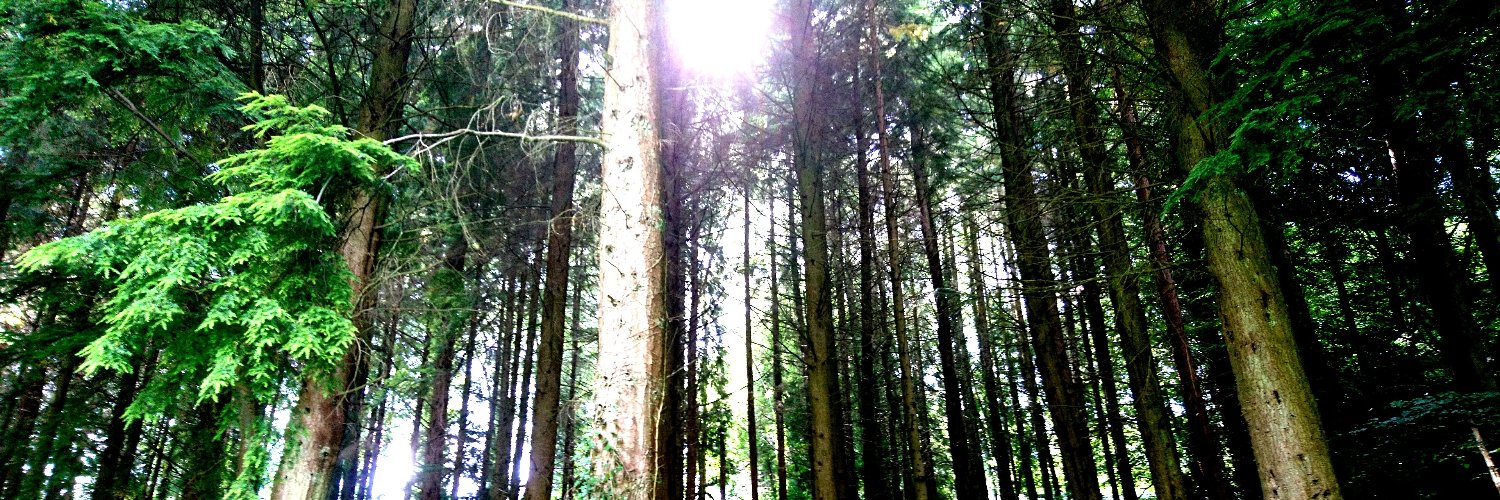
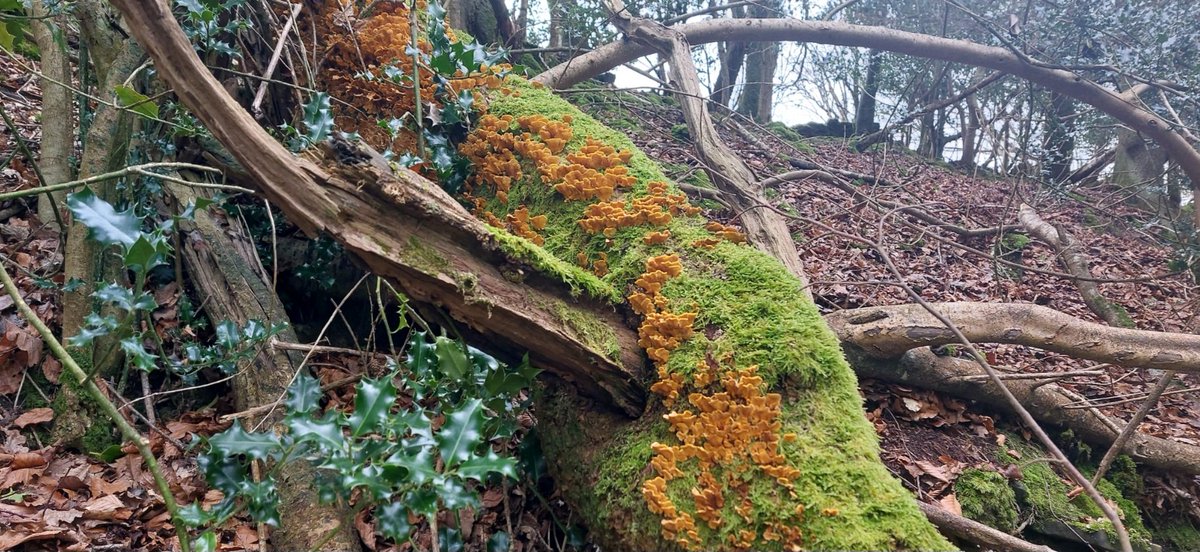
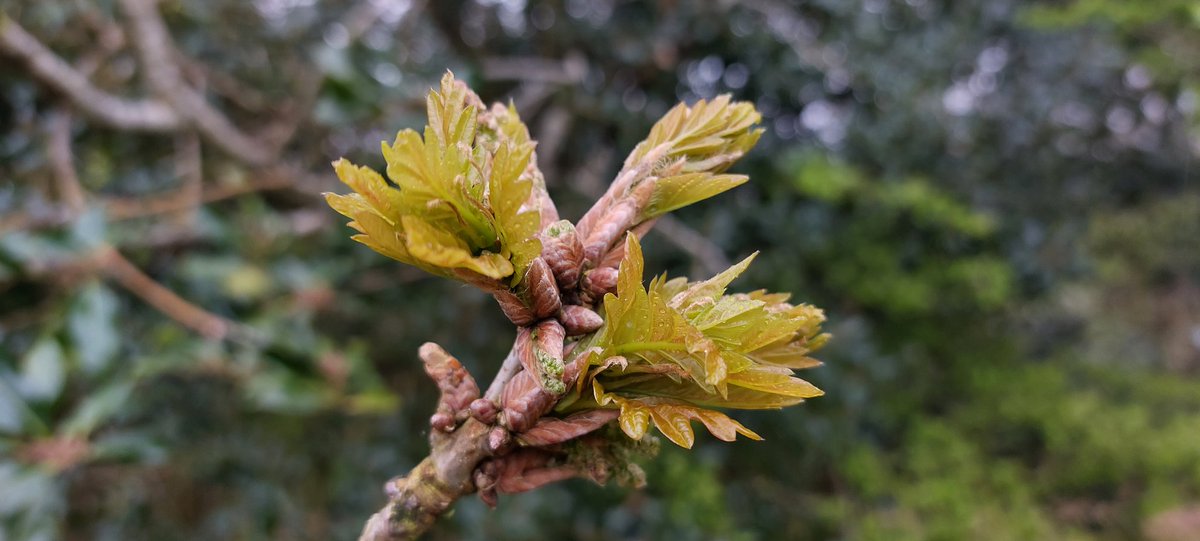
Such a privilege to be looking for champions @BirrCastle with the experts Aubrey and David from @TreeCouncil who were recording and measuring, their knowledge really is inspiring and their work is so important
@MarioNawfal@ScottAdamsSays Being a mother is a full time job, protecting POTUS is a full time job, can't do both at the same time without fucking both up
Scot's pine is a native species, a beautiful commercial timber, has very high biodiversity values, and is great at storing carbon. Am I missing something, or can Scot's pine save Irish Forestry?
https://t.co/IrOEt2r2JI
Just completed my 13th Native Woodland Conservation, the 1st was way back in 2006. That's 153 Hectares of preserved, rejuvenated native woodland habitat!😊
Privileged to have come across this swarm of our native bees today, maybe 50,000 of them, but didn't go close enough to count or disturb. We found them a home😊 #bees#nativebees
@eoinmauricedaly Comparatively? Compared to what? Aa a Dub I feel it's far less safe than compared to 10 years ago. And I'm poor, and married to a foreigner, so it's not any coded expression, it's what I honestly believe.
Greenpeace co-founder, Dr. Patrick Moore, utterly demolishes the lie that CO2 is somehow bad for the environment:
"Carbon dioxide is the currency of life, and the most important building block for all life on earth... The optimum level of CO2 for plant growth is about five times higher [than the concentration of CO2 present in the atmosphere today], yet the alarmists warn it is already too high. They must be challenged every day by every person who knows the truth in this matter. CO2 is the giver of life, and we should celebrate CO2 rather than denigrate it, as is the fashion today."
Full talk: https://t.co/lAmOv8I2yG
For more content like this, visit: https://t.co/lCHv5M6RdL
#ClimateScam #ClimateCult #NetZero #NetZeroScam
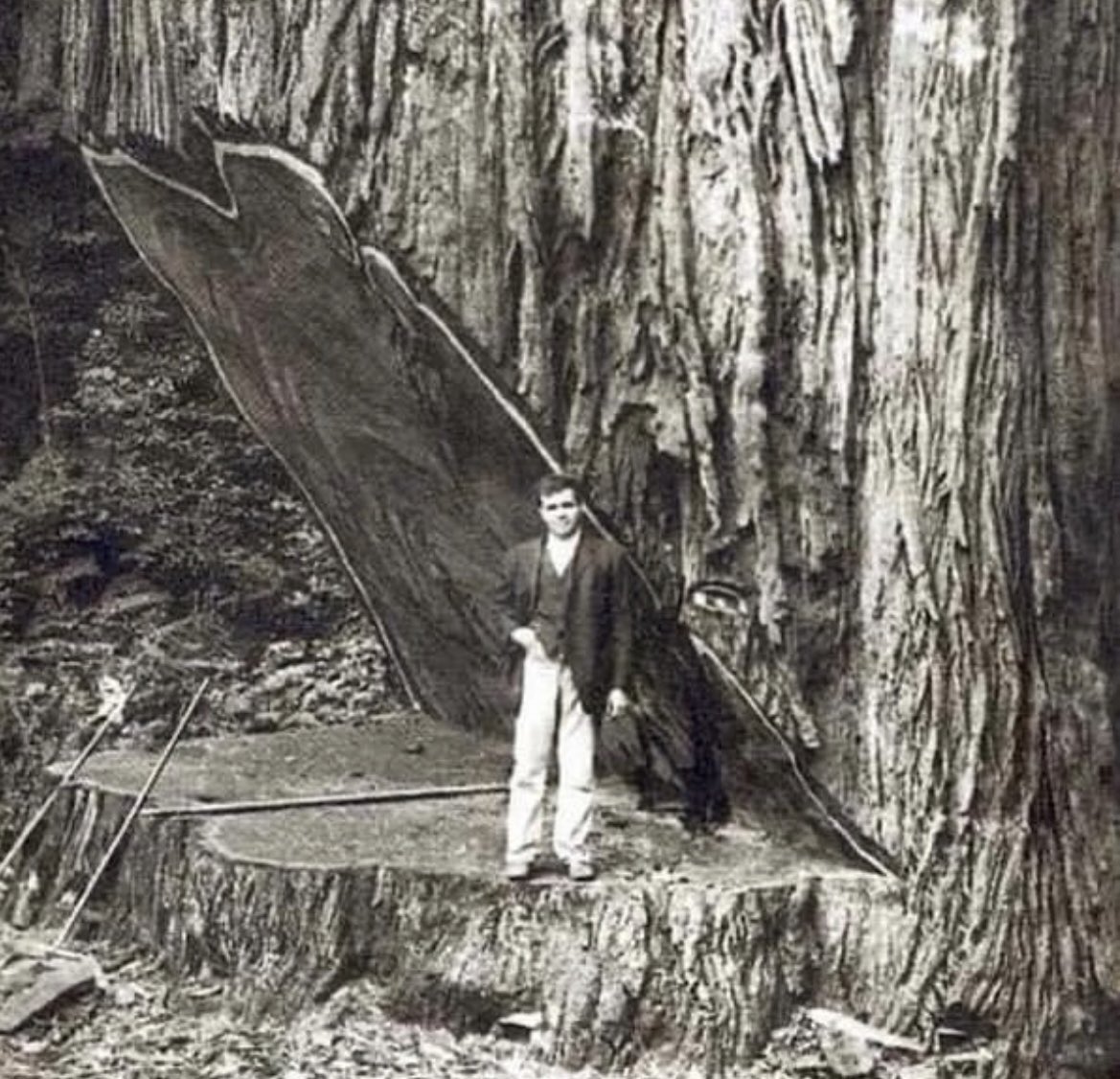
The giant sequoia tree pictured was a magnificent specimen that had an estimated age of 2600 years at the time of its unfortunate felling in the 1890s. Giant sequoias (scientifically known as Sequoiadendron giganteum) are among the largest and longest-living trees on Earth, and their existence spans several millennia. They are native to the western slopes of the Sierra Nevada mountain range in California, USA.
During the late 19th century, the logging industry experienced a significant boom in the United States, driven by the high demand for timber to support expanding cities and infrastructure projects. This period coincided with the industrial revolution, which led to an increased need for lumber. The immense size and durability of giant sequoias made them particularly sought after, and sadly, many of these ancient trees were felled during this time.
The cutting down of the 2600-year-old giant sequoia tree in the 1890s represents a tragic loss of natural heritage and a poignant reminder of the environmental impact caused by human activities. Today, there are efforts to protect and preserve the remaining giant sequoias, as they hold immense ecological value and are regarded as national treasures in the United States.