Inviting all Plymouth Marine Postgraduate Researchers to the PlyMSEF2023 Student Conference 📢
To submit an abstract (250 words) or register for this free event please visit our website: https://t.co/Kvp1rl8jwm
We look forward to welcoming you to PlyMSEF 2023!
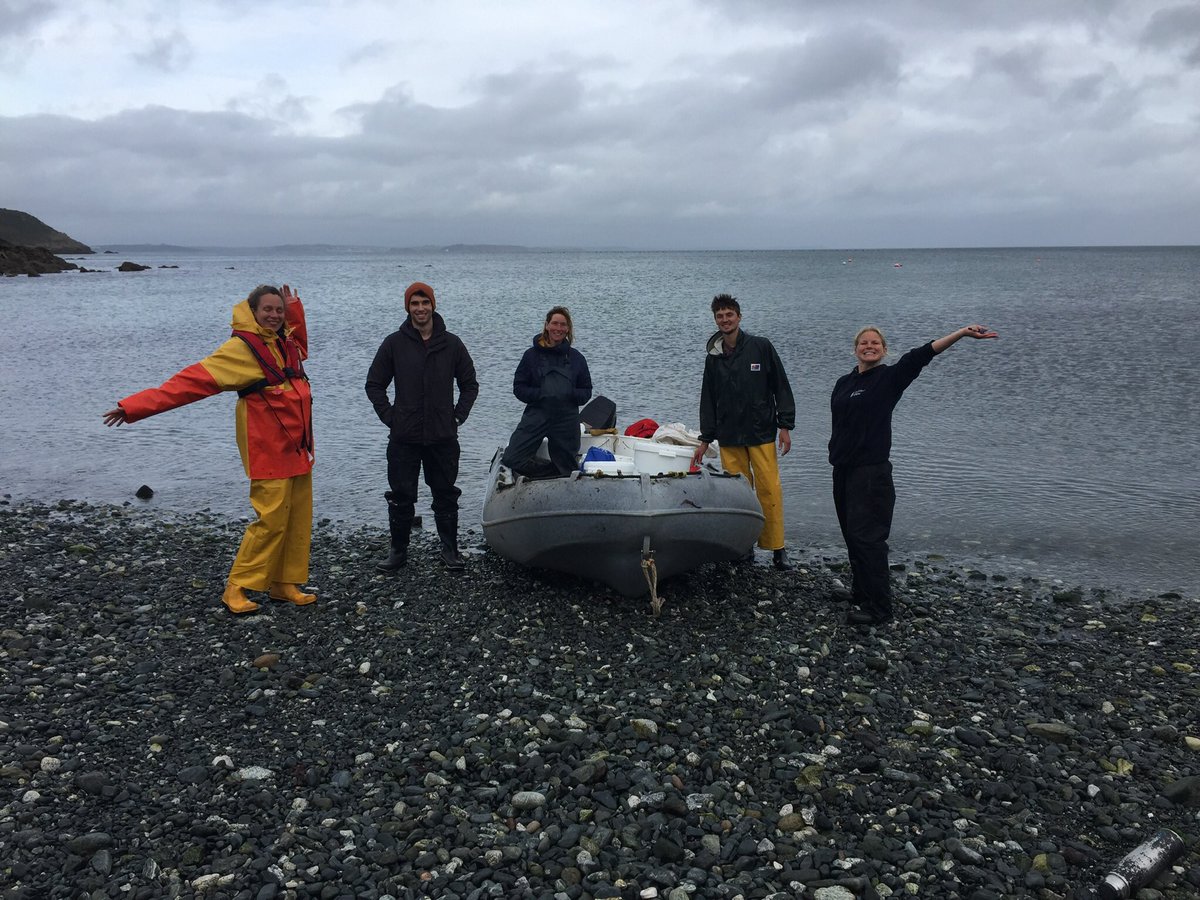
Thanks so much to @bps_algae and @JNGriffy for the invite to give the annual public lecture with @Pippa_J_Moore, really enjoyed it. Hopefully next time we will be IRL and this won't be our group conference photo!!! 🤣🤣🤣
I'm extremely proud to announce that my undergraduate thesis has now been published within the Plymouth Student E-journal!!!
If you would like to have a read please visit: https://t.co/uBer5rsYFy
#publication#graduate#research#marinebiology#ecology#innovation
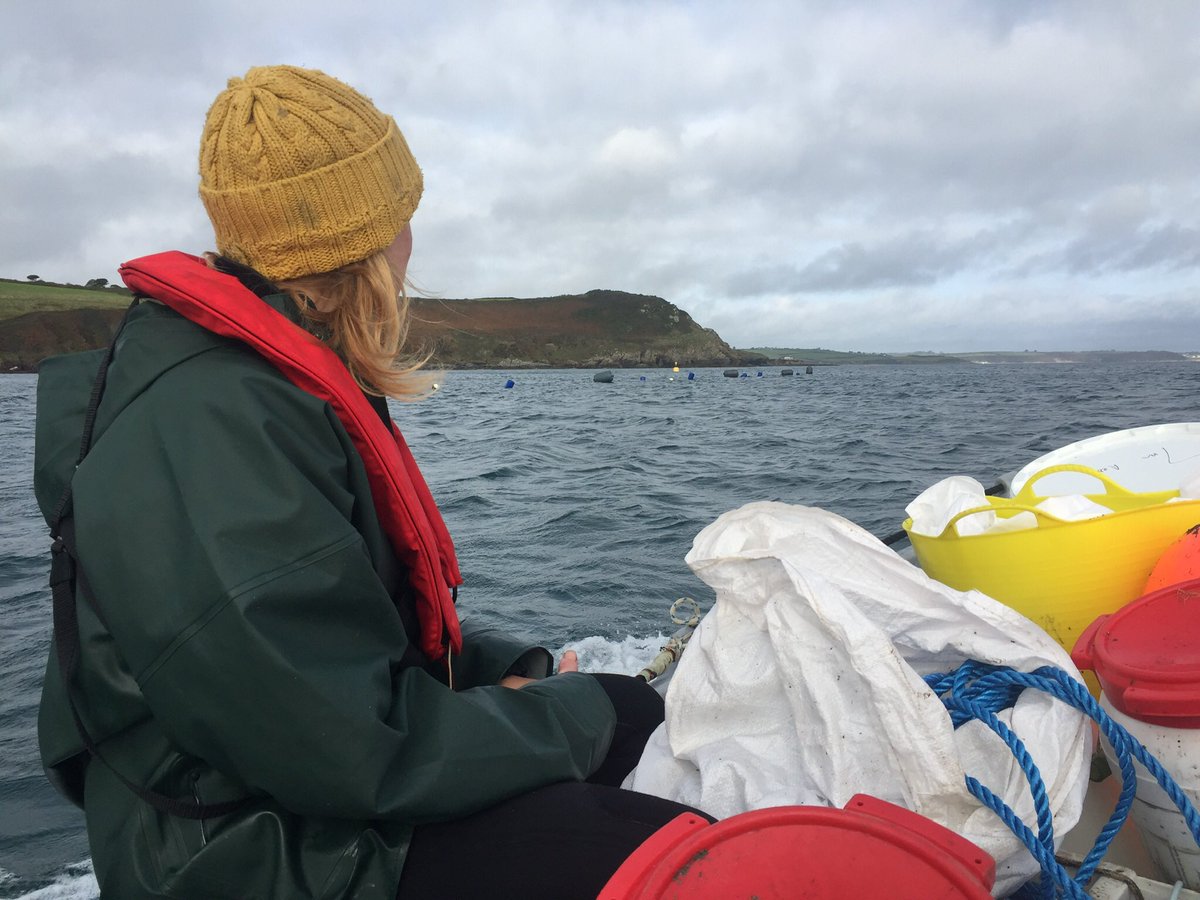
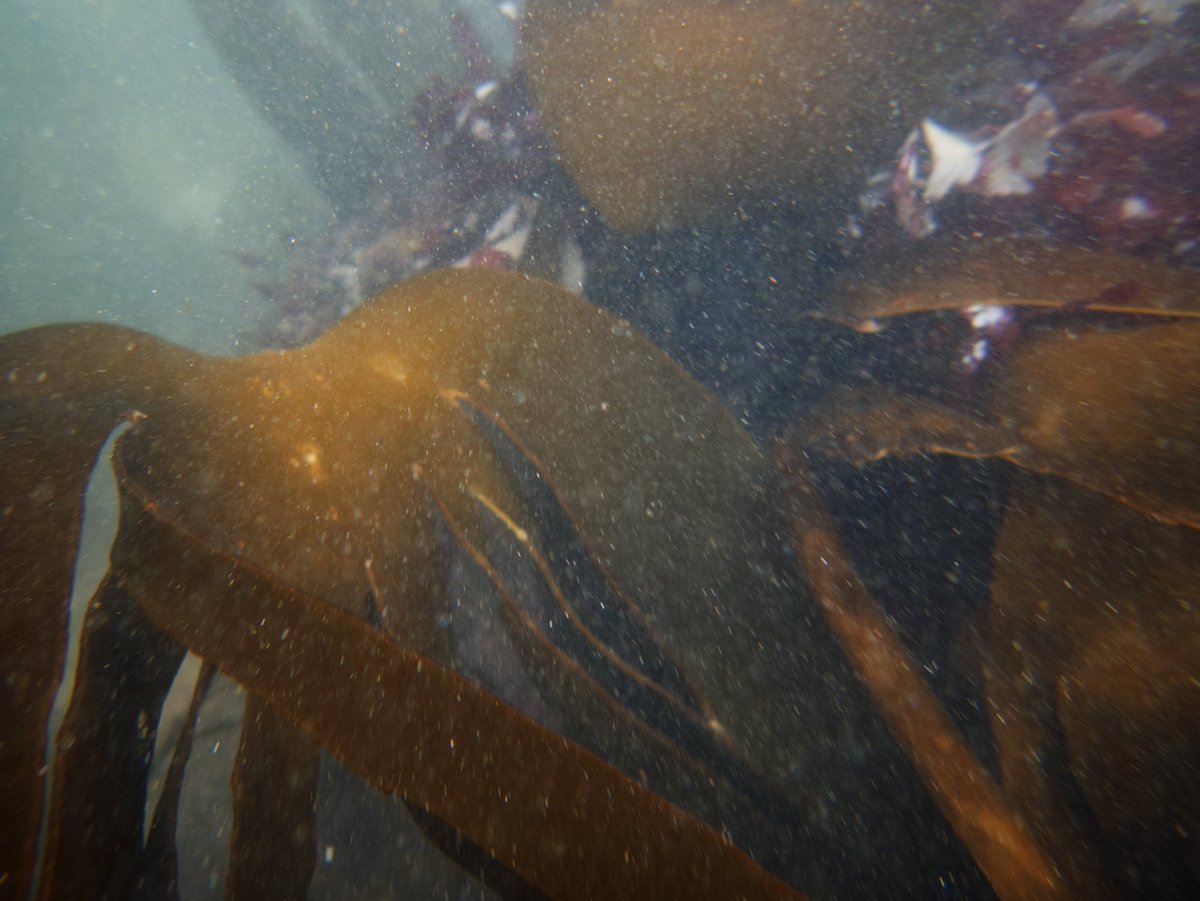
First day out sampling for my dissertation a couple of weeks back. Collecting Laminaria samples from Thurlestone. Awful visibility and no L. ochroleuca but great to get started.
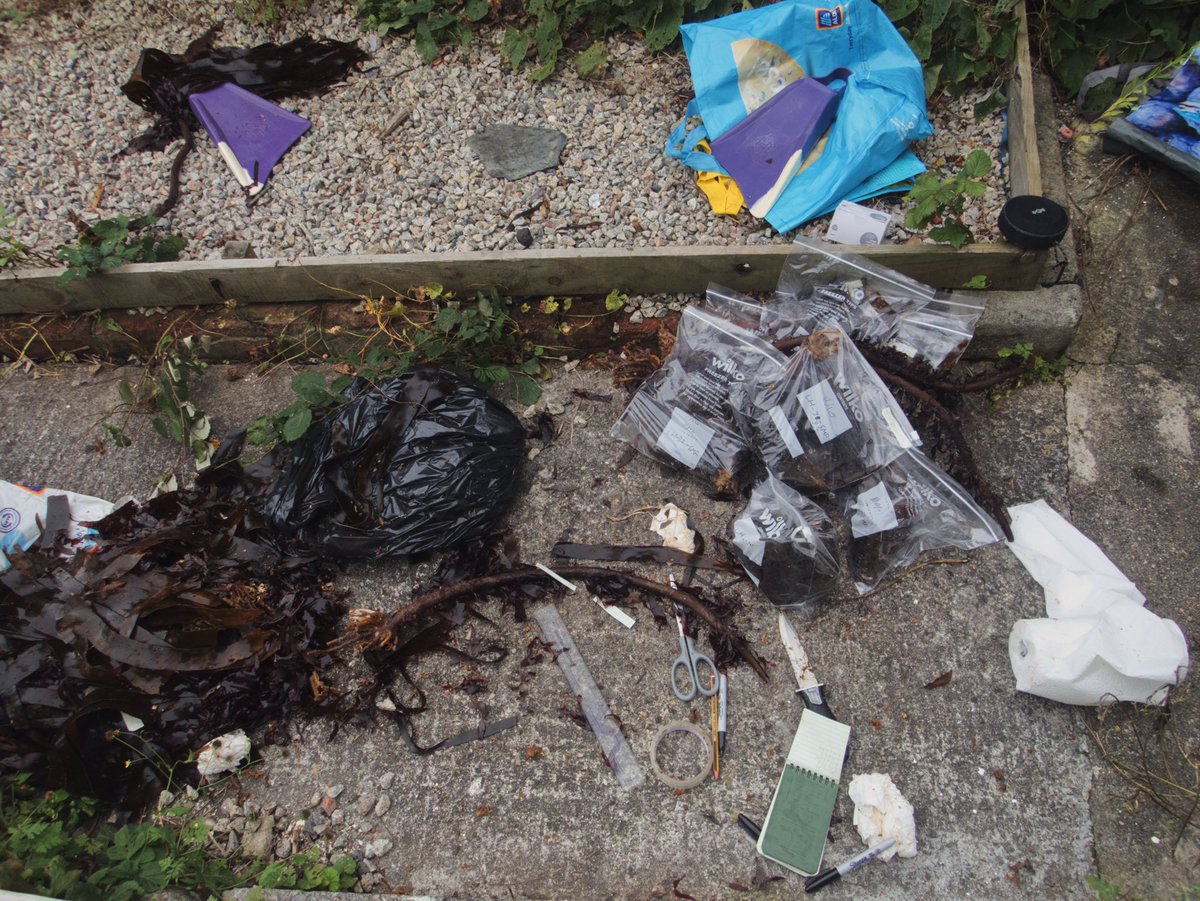
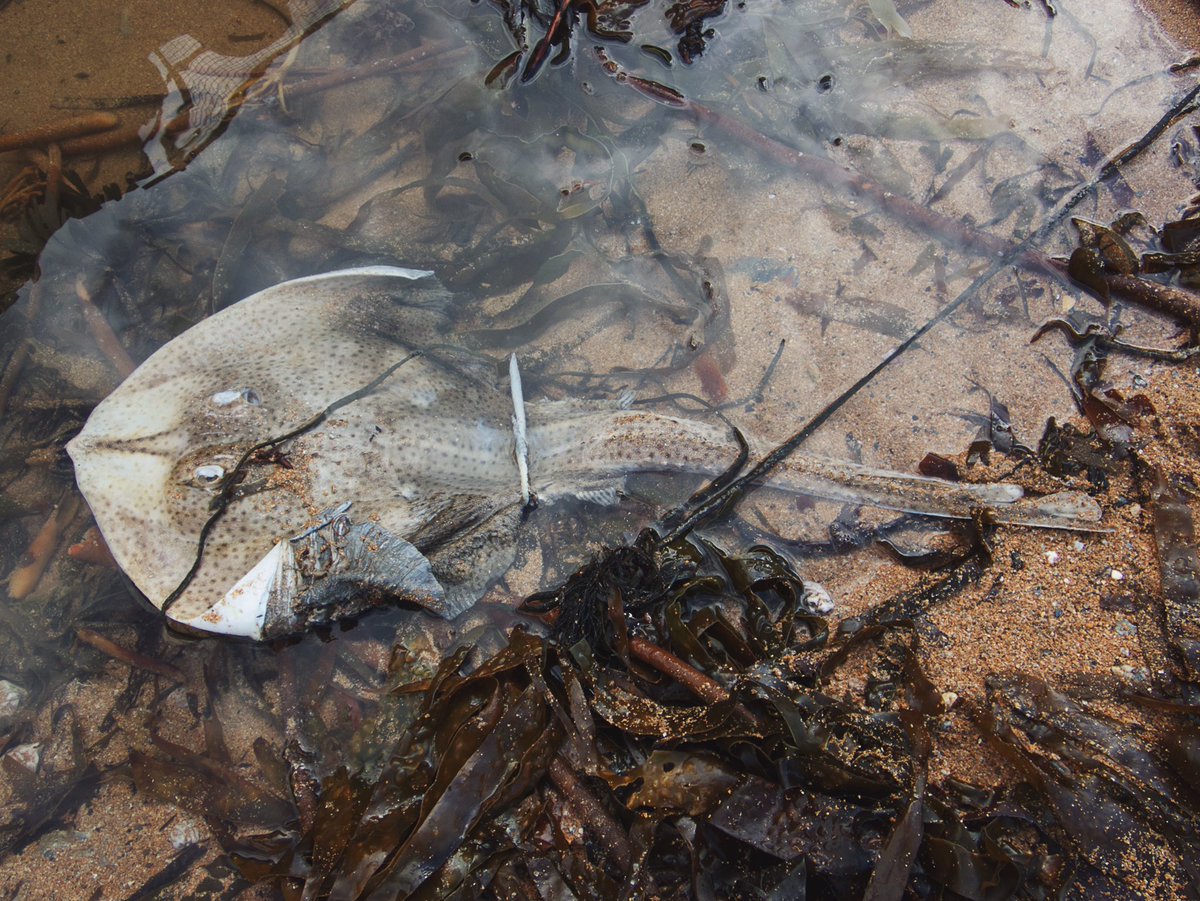
Dissertation fieldwork continued at Hope Cove with the last of the summery weather. No kelp was collected but somewhat improved vis, a friendly seal and an unusual strandline find made the day worth it.
Here is a small selection of animals found within the rockpools at Mt Batten yesterday:
1.Sea gherkin (Pawsonia saxicola)
2.Squat lobster
3.Oyster?
4.Brittle star
@PlymUni#plyMBIO#marine#photography
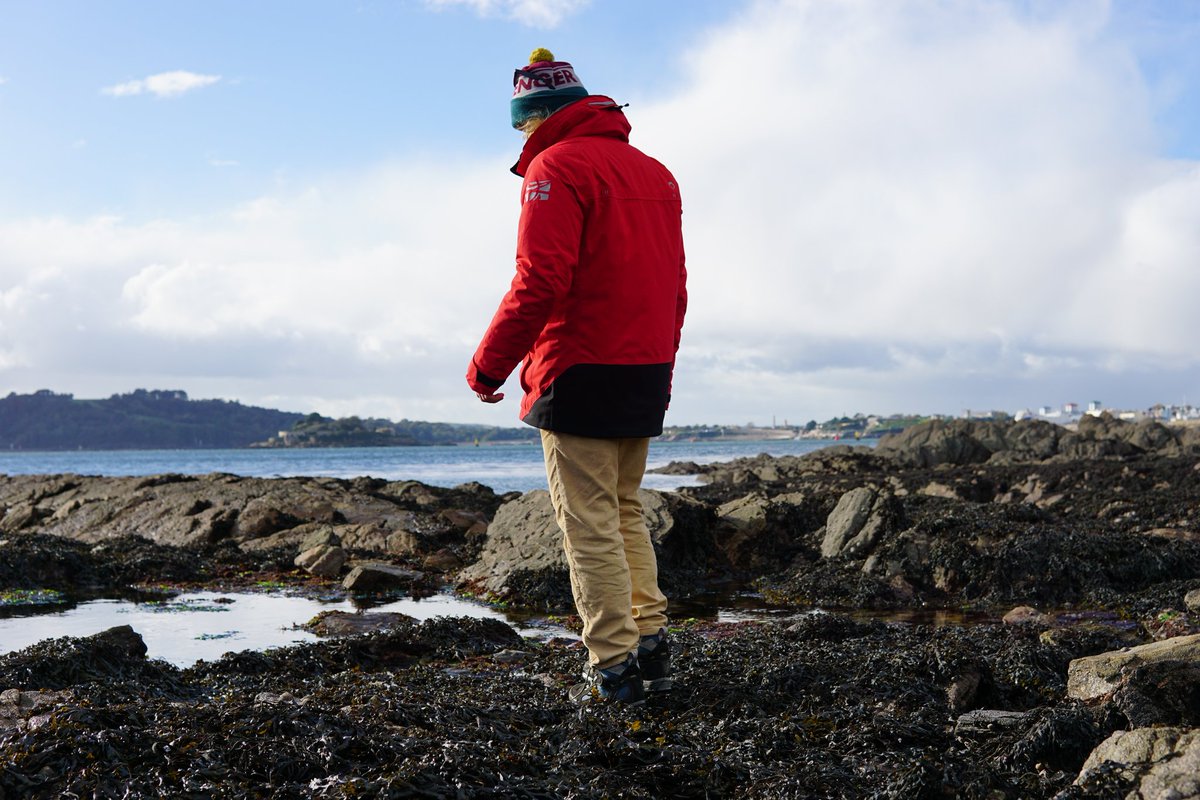
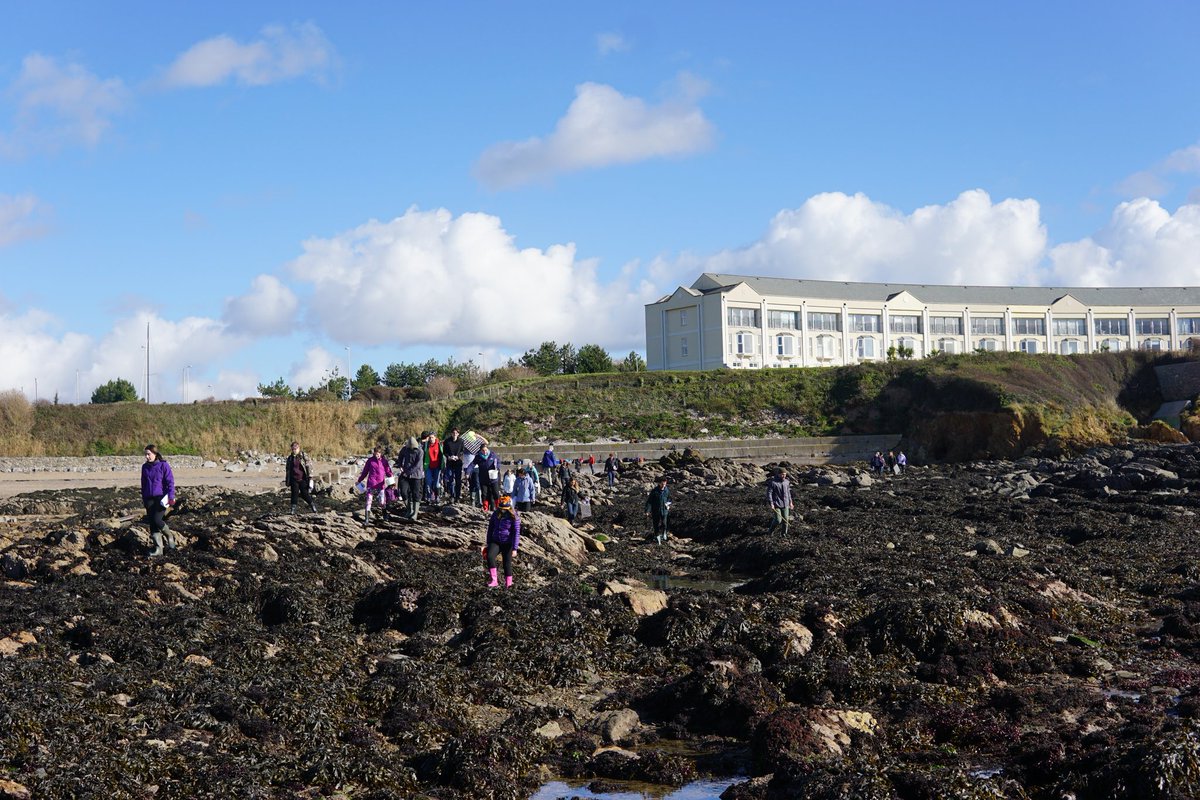
Brrr...Cold day rock pooling at Mt Batten! ❄
Was a brilliant day, Investigating how the diversity of phyla and gastropod species change in relation to shore height.
@MBERC_PlymUni#PlyMBIO#Plymouth
This ocean pancake (Platichthys flesus) or European flounder is a nocturnal bottom feeder, which commonly feeds on benthic invertebrates such as shrimps and bi-valves.🦐
Photo taken @NMAPlymouth#PlyMBIO#Plymouth#marinelife
#PlymMBIO#Reefrestoration#coral#outpalnt I couldn’t of been more grateful to of had the opportunity to help with the pilot out planting project of staghorn coral (Acropora cervicornis) with CCMI on Little Cayman, it was amazing to see and help with, thanks!
This is a rare sight! A bunch of students, staring into an environment commonly hidden in plain sight. (Picture was taken @NMAPlymouth.) Could this be the start of educating future generations, in order to protect our oceans? #oceaneducation#plymMbio#Ocean
Marine life living along natural pH gradients can help us predict effects of ocean acidification https://t.co/iSpAtiy2IB @PlymUniMI@DFO_MAR@Havforskningen