A raíz de un importante incencio en una nave, mucha gente me ha preguntado: ¿Es segura la fotovoltaica? He escrito este artículo que me han publicado en @pvmagespana
https://t.co/EF59VpLPlR
Is your smartphone or laptop battery dying faster than it should?
Lithium-ion (Li-ion) batteries power almost everything in our modern lives—from the phones in our pockets to the electric vehicles on our roads.
While these batteries naturally degrade over time, how we treat them determines whether they last two years or five.
Based on insights from Electronics Notes, here are 5 science-backed ways to preserve your battery’s useful life:
1️⃣ Find the "Sweet Spot" (20-80%): Li-ion batteries are happiest when they aren't pushed to extremes. Deep discharges (0%) and staying at a full 100% charge put stress on the electrodes. Try to keep your charge between 20% and 80% whenever possible.
2️⃣ Slow Down the Charging: We all love fast charging, but it generates heat and chemical stress. If you’re charging overnight, use a standard charger instead of a high-speed one to keep the battery "relaxed."
3️⃣ Beat the Heat: Temperature is the biggest enemy of battery health. Avoid leaving your devices in a hot car or in direct sunlight. High temperatures accelerate the internal chemical reactions that cause permanent capacity loss.
4️⃣ Storage Matters: If you aren’t going to use a device for a while, don't store it at 0% or 100%. Aim for about 50% charge and keep it in a cool, dry place (ideally between 5°C and 20°C).
5️⃣ Only Buy When Needed: Li-ion batteries start aging the moment they leave the factory. Avoid "stocking up" on spares; by the time you need them, they may have already lost significant capacity.
By making these small adjustments, we can reduce electronic waste and save money on costly replacements.
What’s your go-to tip for making your tech last longer? Let’s discuss in the comments!
For more information check the link in the comments.
#TechTips #Electronics #BatteryLife #LithiumIon #electroniccomponents #electronicsnotes
Para un aire exterior de 7°C, se pasa de un 350% de rendimiento en suelo radiante a 240% en radiadores de aluminio, una perdida del 30% (en realidad es superior por la muy menor inercia térmica en radiadores respecto solera de hormigón en suelo radiante)
Rendimiento b.c. #aerotermia es función temperatura exterior y de temperatura impulsión agua (cuanto menor la diferencia, más rendimiento y #ahorro).
En #Calefacción, una impulsión de agua a 35°C (suelo radiante) rendimientos típicos:
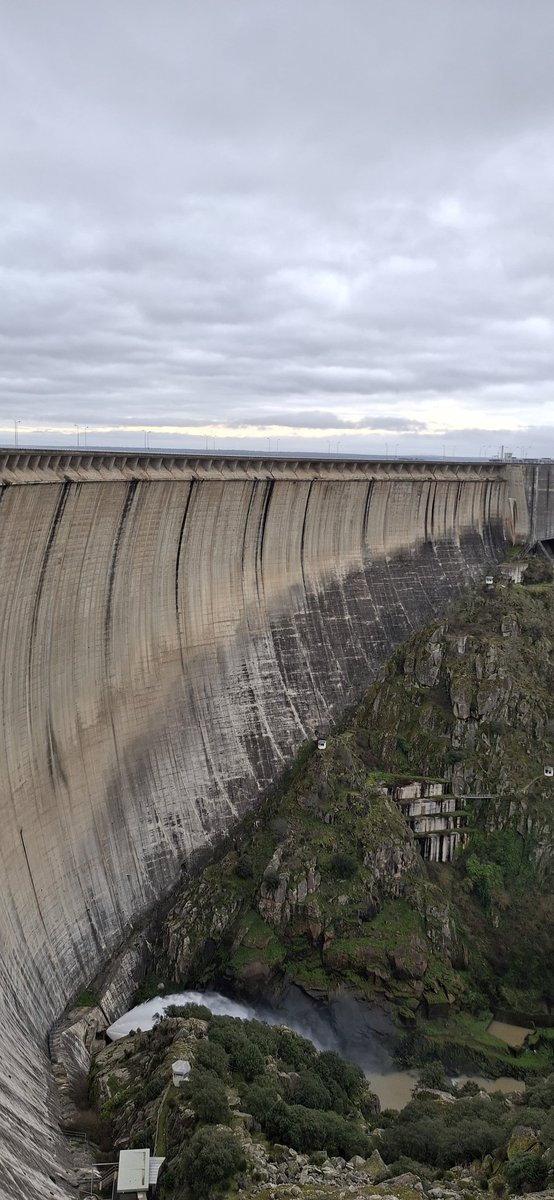
Hoy he visitado las dos grandes centrales hidroeléctricas de España, Villarino (810 MW), conectada con el enorme embalse de Almendra, y Aldeadávila (1.200 MW).
Aldeadávila turbinando a tope. El Duero baja con muchísima agua. Toda esta zona de Salamanca es espectacular 👀
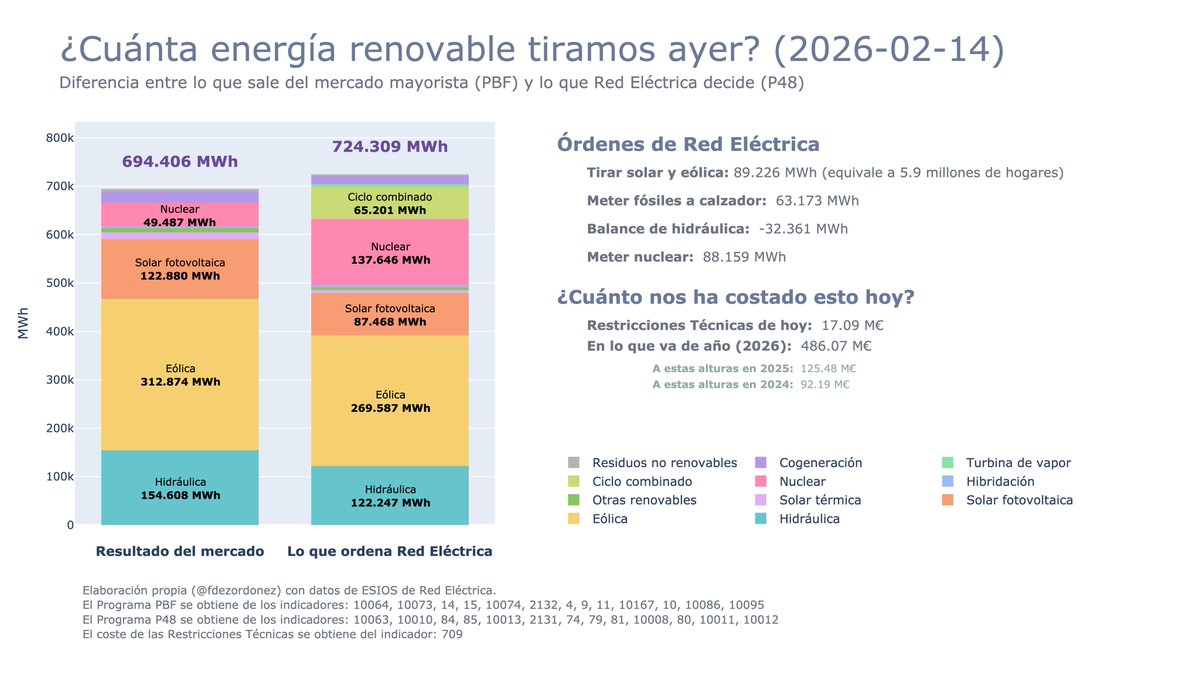
❌Ayer tuvimos que TIRAR energía renovable suficiente para abastecer a casi 6 millones de hogares en España.
📛Las Restricciones Técnicas que @RedElectricaREE impuso ayer nos costaron 17 M€ en un día.
💰En todo 2024 nos costaron 95 M€ y este año llevamos ya 486 M€.