🫀 Join the next SCMR webinar!
Learn about flow mapping, acquisition setup, and CMR applications for aortic and mitral intervention planning through expert-led presentations and case-based discussions.
Register: https://t.co/GhcvNKohsE
Imaging guided treatment of subclinical atherosclerosis—We’ve come a long way! - Journal of Clinical Lipidology
@EugeniaGianos@ACCinTouch@nationallipid https://t.co/h6aDFypjGT
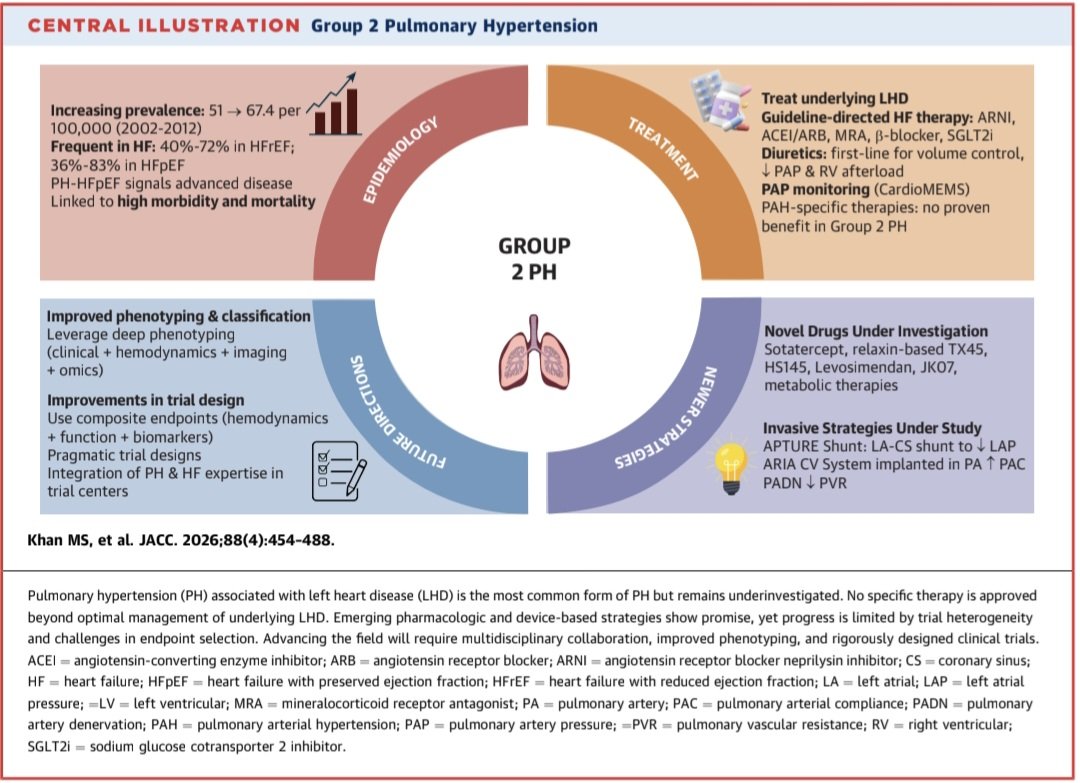
Hipertensión Pulmonar asociada a cardiopatía izquierda. 🫀💥🫁
🔷️La HP asociada a cardiopatía izquierda representa entre el 65-80% de todos los casos de HP, convirtiéndose en la forma más frecuente de la enfermedad. Su presencia incrementa significativamente la mortalidad, las hospitalizaciones y el riesgo de disfunción ventricular derecha, pero continúa siendo una entidad infradiagnosticada. 🚨🧐🔎
🔷️Definición hemodinámica: PAP media >20 mmHg y, para clasificarla como HP por cardiopatía izquierda, debe coexistir una PAWP >15 mmHg. La RVP adquiere un papel central: ≤2 UW define la HP poscapilar aislada, mientras que >2 UW identifica la forma combinada precapilar y poscapilar (asociada con aproximadamente 2.5 veces mayor mortalidad, mayor remodelado vascular y peor función del ventrículo derecho).
🔷️Los fármacos aprobados para HAP NO deben utilizarse rutinariamente en la HP por cardiopatía izquierda. Los antagonistas de endotelina, inhibidores de PDE-5, estimuladores de guanilato ciclasa y prostaciclinas NO han demostrado beneficio clínico consistente e incluso pueden incrementar la congestión pulmonar, la retención de líquidos y las hospitalizaciones por insuficiencia cardiaca. 🚫🥲
✔️El manejo continúa basándose en optimizar la enfermedad cardíaca subyacente mediante terapia dirigida por guías para insuficiencia cardiaca o corrección de valvulopatías, además del control adecuado del estado de volumen.
📚🆓️⤵️ State-Of-The-Art Review2026 @JACCJournals 💯
https://t.co/QZnvGgApSq
https://t.co/rudKWIqVqQ
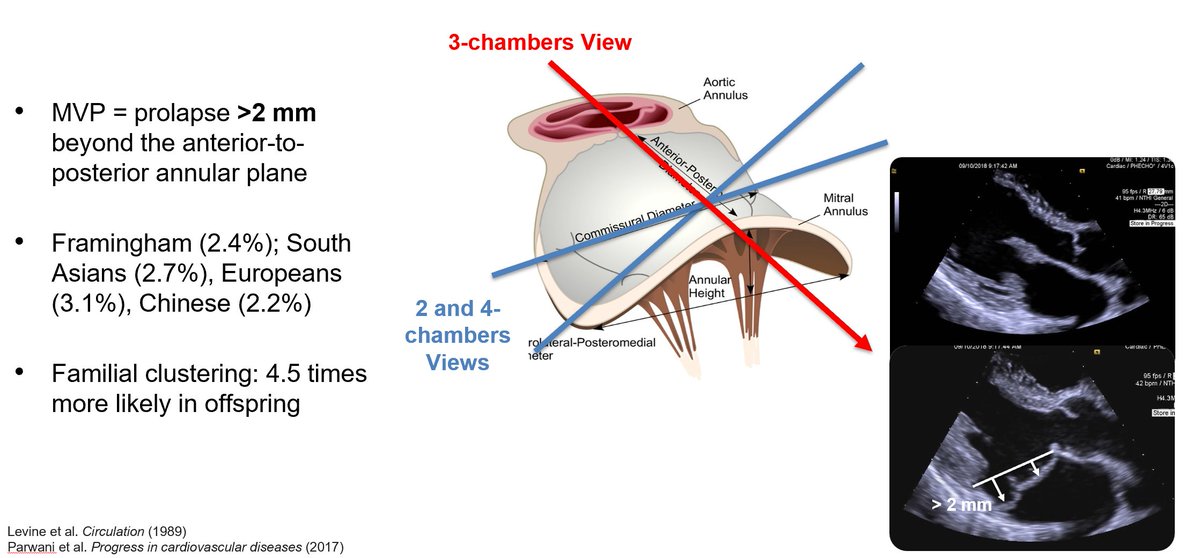
Annulus Paradoxus
🩺 What is Annulus Paradoxus?
Annulus paradoxus is the paradoxical finding where the E/e′ ratio is normal or low despite elevated left ventricular filling pressures, because the mitral annular e′ velocity is preserved or increased.
Thread 👇
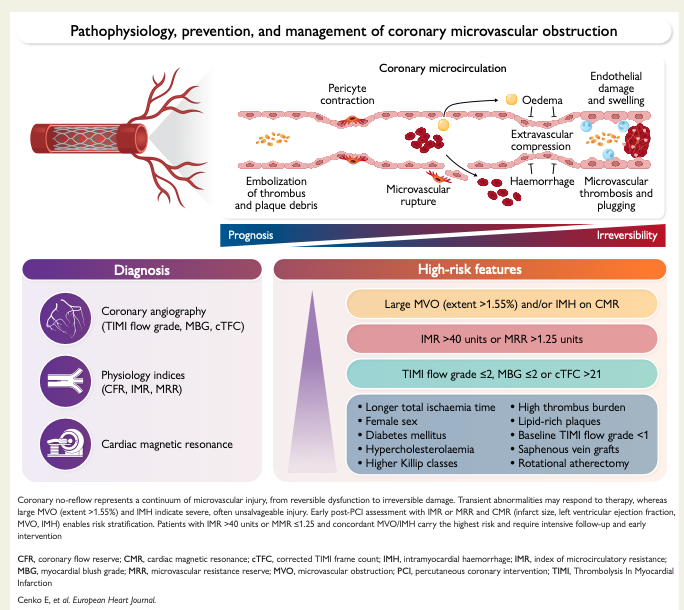
Consenso de la ESC (European Society of Cardiology) 2026, sobre Obstrucción Microvascular Coronaria (o fenómeno de no-reflujo). Lo más sintetizado que puedo:
🟢Fenómeno No-reflow coronario: perfusión tisular miocárdica inadecuada a pesar de la recanalización exitosa de la arteria coronaria epicárdica sin obstrucción mecánica. Frecuente y lo pensamos poco (hasta 60% post infarto con elevación del ST tienen perfusión subóptima). Es un problema microvascular que clínicamente puede evolucionar a falla cardíaca.
🟢 El predictor más importante para no-reflow: tiempo en isquemia (puerta-balón). Ser mujer también es un factor.
🟢 Es un marcador pronóstico importante. Un IMR (index of microvascular resistance) >40 casi triplica el hazard de muerte cardiaca. La hemorragia intramiocárdica triplica muerte.
🟢 Casi ninguna terapia farmacológica cambia el desenlace. Adenosina, nitroprusiato y calcioantagonistas mejoran marcadores angiográficos, no mortalidad. Aspiración de trombo rutinaria no se recomienda (riesgo de EVC).
🟢 Así que el enfoque es: diagnóstico temprano, reducir tiempo en isquemia, Estatina de alta dosis temprana, P2Y₁₂ potente, control de presión, glucemia y factores de riesgo.
Es un tema muy interesante. Pueden ver el artículo completo en el canal (https://t.co/3O93s10lns).
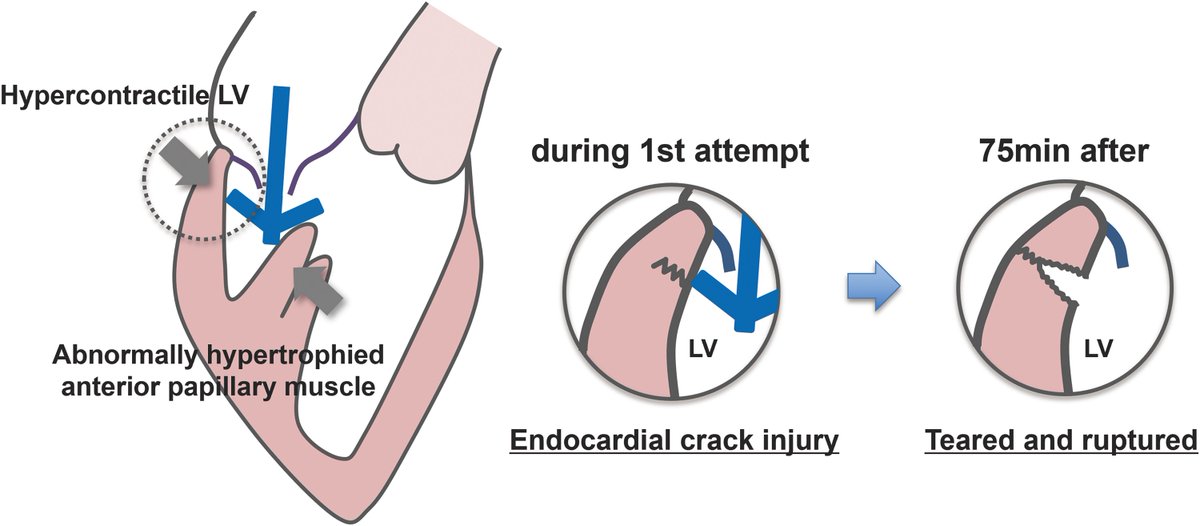
Most symptomatic HCM patients don't show their obstruction lying on the examination table🫀
A new EHJIMP review by Keen & Desai from Cleveland Clinic is a masterclass in why your imaging protocol, beyond just your imaging modality, determines whether you catch it.
The stress test choice matters more than most workups reflect:
* Upright treadmill can unmasks obstruction in >90% of patients at peak exercise.
* Semi-supine bicycle → only ~40%
* Bicycle allows continuous imaging through exertion, capturing the timing of obstruction onset and dynamic MR. Treadmill mostly captures recovery. It's a genuine trade-off, not a clear winner — the choice should be individualized.
* CMR remains uniquely good at catching what echo misses: small apical aneurysms (prognostically significant — arrhythmia and thrombus risk) and fibrosis burden via late gadolinium enhancement. But even LGE quantification isn't standardized — the two dominant methods (n-SD thresholding vs. full-width-half-maximum) can disagree enough to change how a patient gets risk-stratified.
Also worth flagging: AI-derived, demographic-adjusted LVH thresholds are showing that fixed wall-thickness cutoffs may under-diagnose HCM in women and smaller patients — a bias baked into decades of "normal" reference values.
Zooming out, the review isn't arguing for one best modality. It frames HCM imaging as a workflow problem: echo as the foundation, CMR for phenotyping and fibrosis, CT and PET deployed selectively when there's real diagnostic uncertainty — not sequentially by default.
Full open-access review at the #EHJIMP on /10.1093/ehjimp/qyag099
Genuinely curious where others land on this — treadmill or semi-supine bicycle your default for suspected latent LVOT obstruction, and has that choice ever changed your management?
𝐆𝐮𝐢𝐝𝐞𝐥𝐢𝐧𝐞 𝐖𝐚𝐭𝐜𝐡: A new AHA/ACC guideline on pulmonary embolism (PE) offers a system for classifying PE and provides management recommendations for each category. Behnood Bikdeli, MD, MS (@bbikdeli) shares the key recommendations: https://t.co/6QNInnQDoe
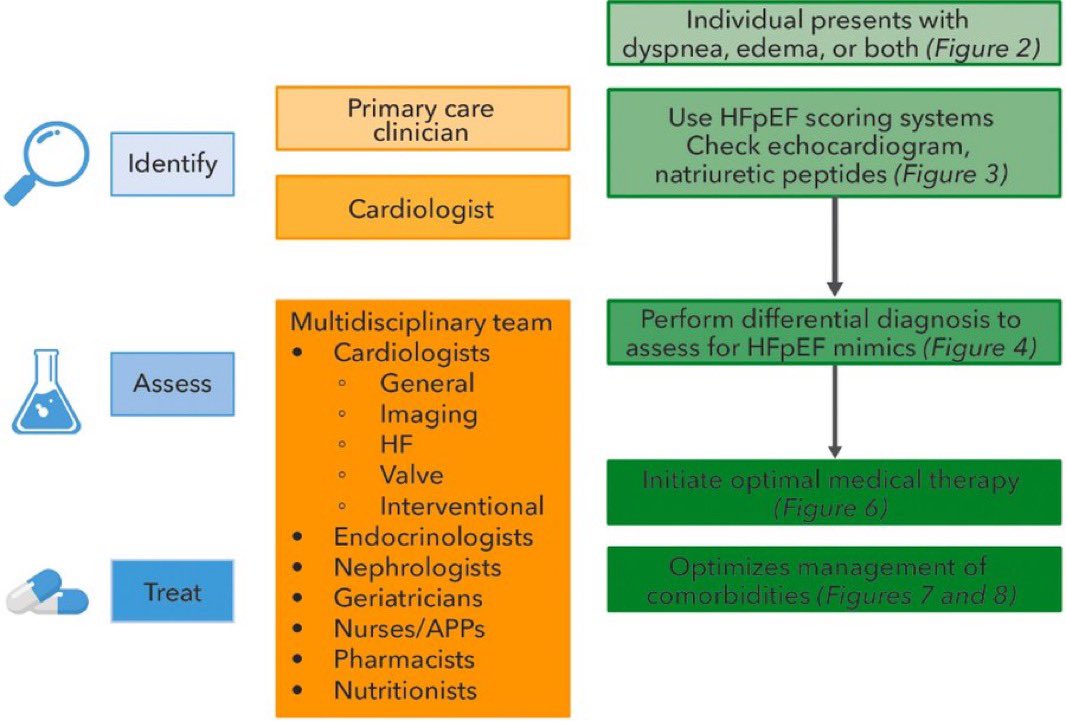
Management of Heart Failure With Preserved Ejection Fraction: 2026 ACC Expert Consensus Decision Pathway: A Report ACC Solution Set Committee
HFpEF is no longer viewed as a single cardiac condition, but rather as a complex
multisystem syndrome
https://t.co/ZGqNU6vBUQ
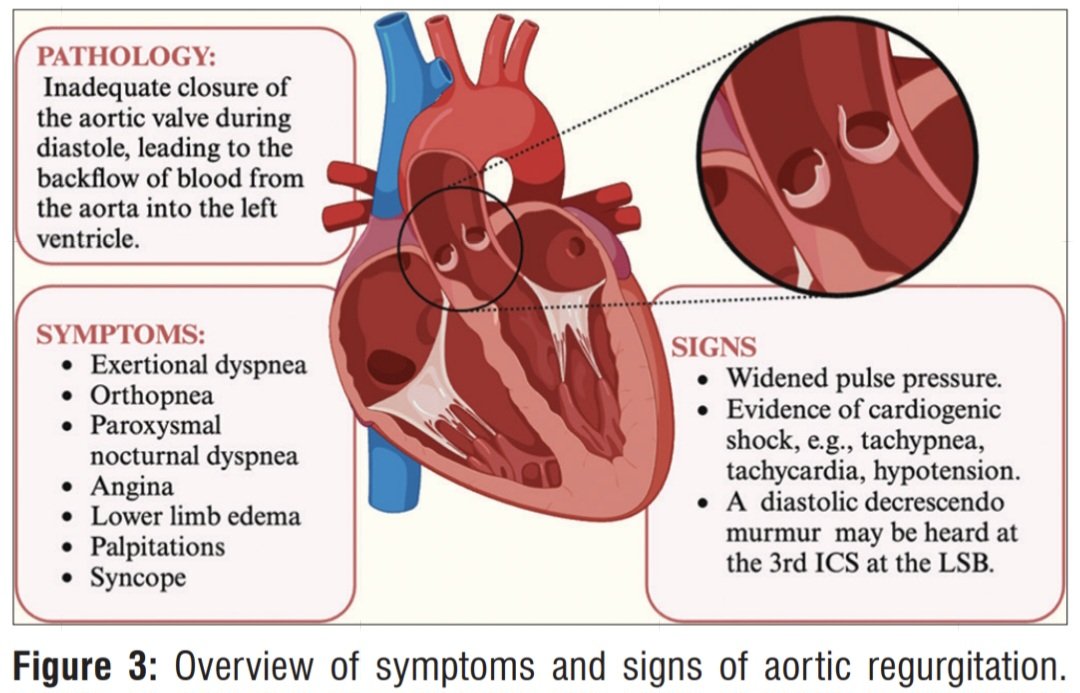
🟥Insuficiencia Aórtica, update 2026. 🫀💥
🩻El Eco♡ sigue siendo el estándar de oro, utilizando un enfoque multiparamétrico. Ningún parámetro aislado debe definir la gravedad. La RM cardíaca es el método de referencia para cuantificar volúmenes y fracción regurgitante cuando el ecocardiograma es inconcluso.
📊 Criterios ecocardiográficos de IAo grave:
✔️Vena contracta >6 mm.
✔️Volumen regurgitante ≥60 mL.
✔️Fracción regurgitante ≥50%.
✔️EROA ≥0.30 cm².
✔️Reversión holodiastólica del flujo en la aorta descendente.
⚠️La dilatación progresiva del VI y la 📉FEVI preceden al deterioro clínico. El strain (GLS) emerge como un marcador temprano de disfunción ventricular y podría ayudar a identificar pacientes candidatos a cirugía antes de cumplir los criterios clásicos.
🔪 El reemplazo valvular aórtico qx (SAVR) es el tratamiento de elección en la IAo severa sintomática o cuando existe disfunción/dilatación ventricular.
🧐🔎 En pacientes asintomáticos, la cirugía está indicada cuando: FEVI <50%, LVESD >50 mm o >25 mm/m². La evidencia reciente sugiere que una FEVI <60%, un volumen telesistólico indexado ≥45 mL/m² y un GLS alterado podrían identificar pacientes de mayor riesgo que se beneficiarían de una intervención más temprana. 🤔
📄🆓️⤵️
DOI:10.4103/ACCJ.ACCJ_4_26
https://t.co/XmKwHPYNzU
🚨 Don’t Miss the June JCMR Journal Club Webinar 🚨
🗓 June 10, 2026
⏰ 11 AM ET
👥 Dr. Simon Littlewood & Prof. René M. Botnar
🎙 Moderator: Dr. Ruud B. van Heeswijk
👉 Register:
https://t.co/KBhPxmMft1
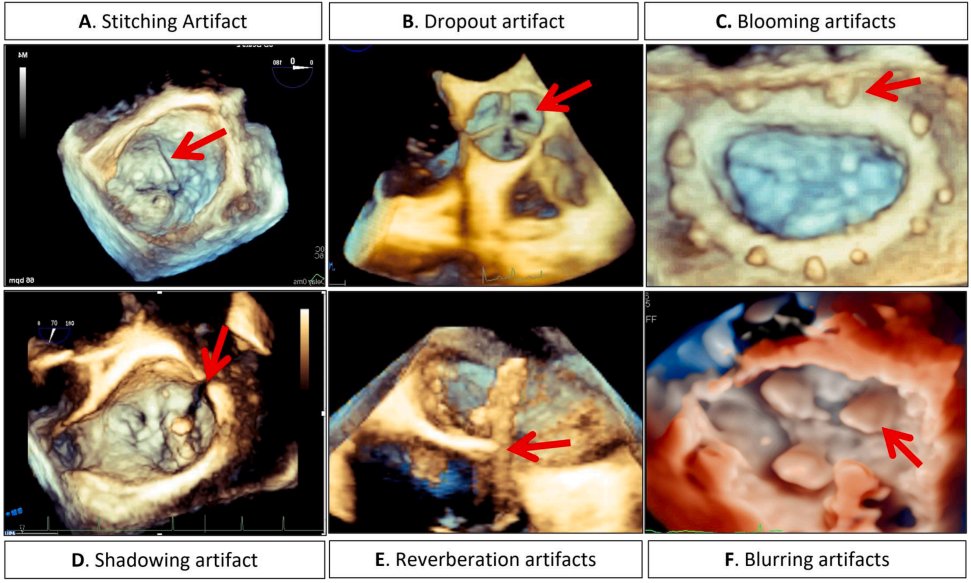
UPCOMING WEBINAR: Join us on July 14 from 6-7 PM ET for the #ASEWebinar, "Guidelines in Practice Webinar Series: Identification and Mitigation of Cardiac Ultrasound Artifacts!" 🫀
Sign up: https://t.co/2NuEf3JoYK
🫀NEW GUIDELINE🫀
Read our new #ASEGuideline, "Guidelines for the Intraprocedural Imaging for Mitral Valve Transcatheter Edge-to-Edge Repair!" https://t.co/mPEUDziCfD
Just published in JACC @JACCJournals!🫀
Acute HF care is evolving:
📍Rapid diagnosis
📍Early decongestion
📍Timely GDMT initiation
📍Structured follow-up
📍Focus on long-term outcomes, not just symptom relief
Grateful to have contributed to this international collaboration & learned so much from the exceptional experts involved in this work. Congratulations to @Jolie_Bruno_ and @AlexMebazaa for the leadership & to all co-authors on this important publication🫀
Read the full paper🔗: https://t.co/408QmNOznr
#HeartFailure #AcuteHeartFailure #JACC @jozinetm@BiykemB@GianluSava@pmyhre
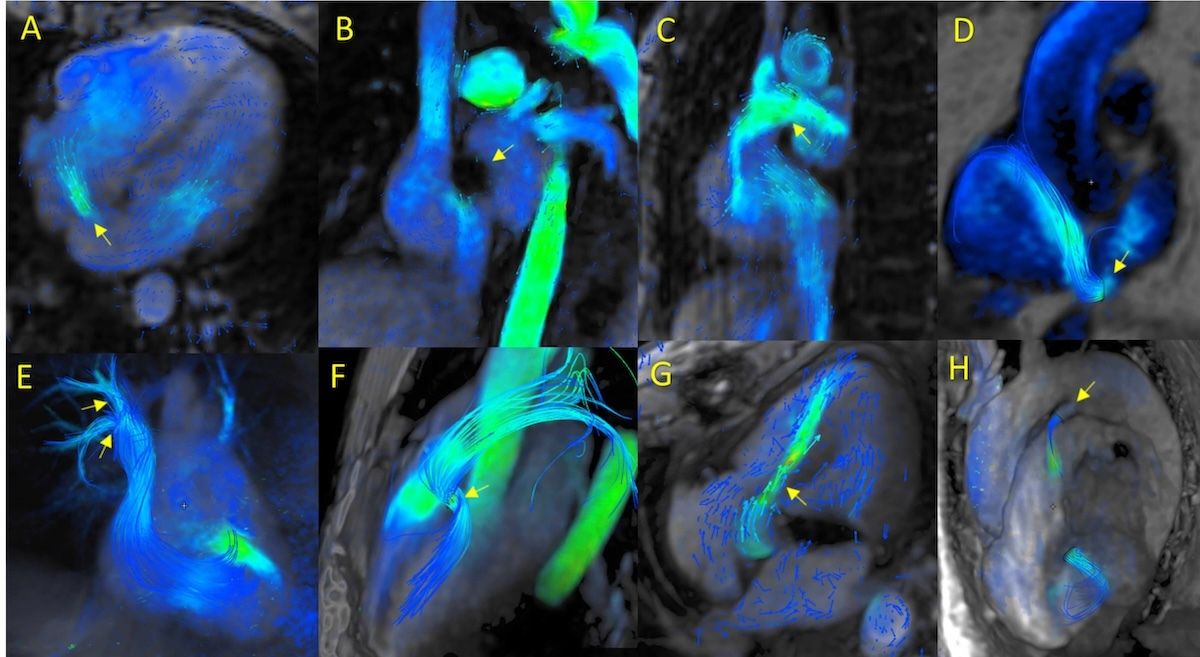
4D-Flow CRM: revisión de la experiencia de 8 años
👓 https://t.co/Sm4IEgJrkz ◀️
Si tuviéramos que convertirlo en una regla de laboratorio: 4D-Flow no es para “ver flujo”, es para responder preguntas que no se dejan responder con un plano
✅ En "García Fernández te pone al día"
🫀NEW GUIDELINE🫀
Read our newest #ASEGuideline, "Recommendations for the Identification and Mitigation of Cardiac Ultrasound Artifacts!" https://t.co/wST56DL1ZH