A custom software and product development company focused on healthcare data interoperability based on the #HL7#FHIR.
Solutions: Kodjin Interoperability Suite
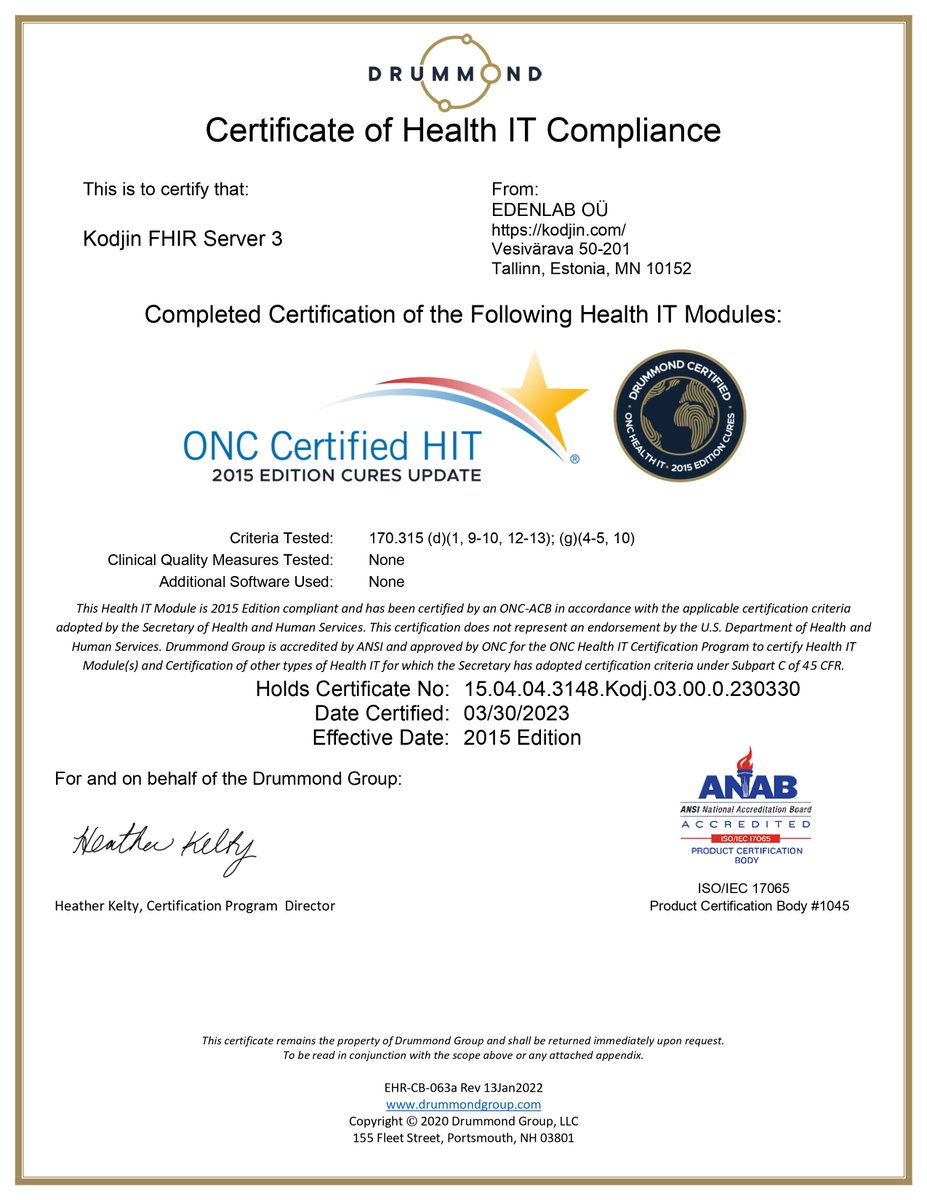
Kodjin #FHIR Server has passed the #ONC Health IT Certification, ensuring the highest standards of interoperability, security, and compliance 🥳
Our team is proud to provide reliable solutions for #healthcare providers and organizations!
https://t.co/uP2JV3qGaB
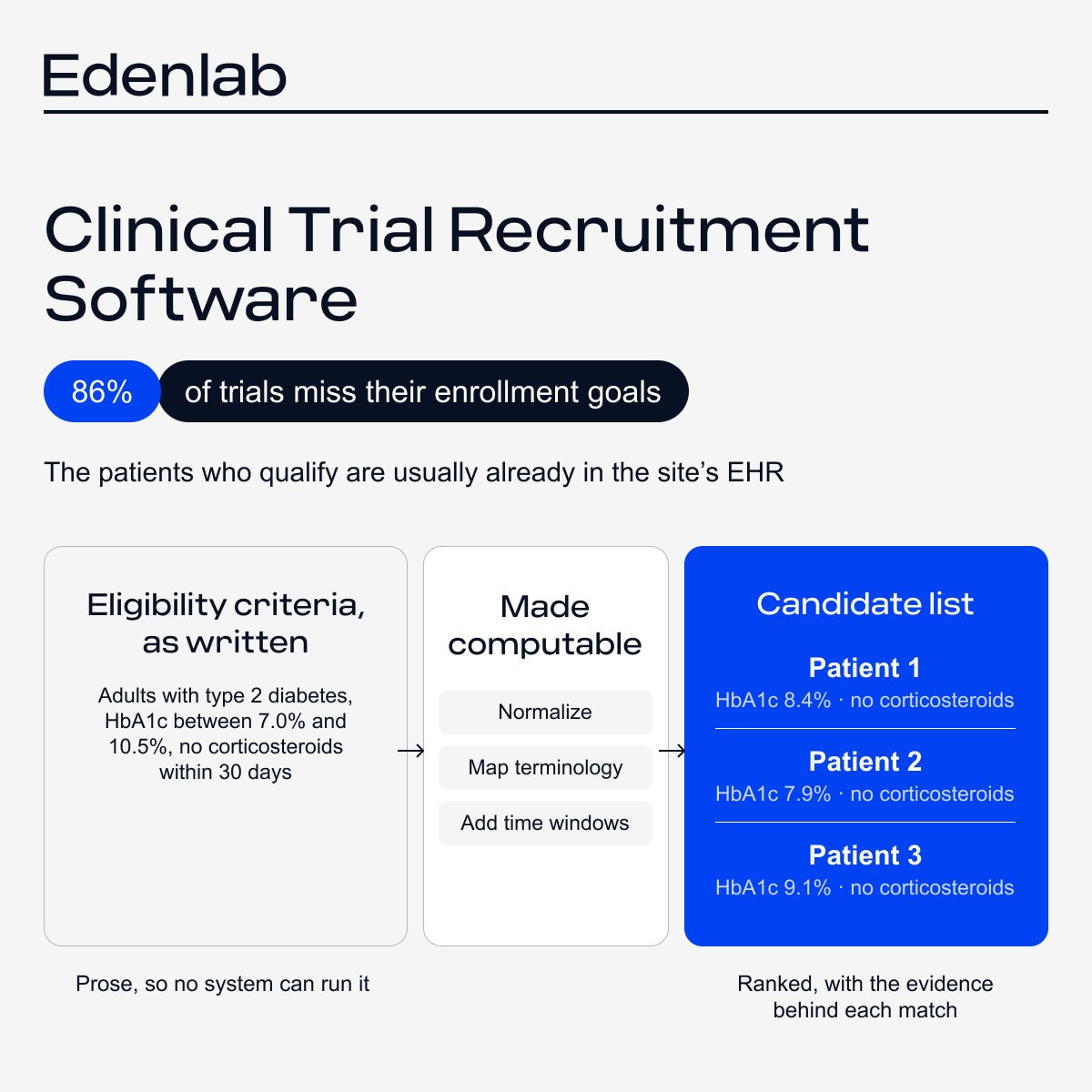
Most trials miss their enrollment targets. The eligible patients are usually already in the site's EHR.
Our new article covers how custom clinical trial recruitment software turns criteria into queries that run against real clinical data:
https://t.co/JKDdhqmn2v
Only 22% of health system IT leaders would wait 18 months for an AI feature from their EHR vendor. A year ago: 52%.
Shipping the feature was never the hard part. New article on why systemic AI enablement in an EHR has no blueprint, and what it costs.
https://t.co/D3CvZtcuX4
Patients got access.
Clinics kept the call volume.
Portals and chatbots run on siloed data, so they cannot answer what patients actually ask.
Our new article covers what changes when a semantic layer sits underneath them: https://t.co/HNZjATyZVI
Healthcare leaders keep asking for real-time dashboards. What usually gets them further is operational insight fast enough to change the next decision.
Our new article breaks down the architecture shift behind real-time analytics at enterprise scale: https://t.co/gIsAsHxwRC
#FHIR
Unwarranted clinical variation is a daily cost that never shows up as a line item.
Our new article explains why standardization stalls and how Kodjin Analytics turns real patient pathways into findings clinical leaders can act on in days.
Read: https://t.co/K7SFdkCqwh
Value-based reimbursement needs population health analytics that teams actually trust and use.
Our new article compares the main strategies and the solution stack behind them.
Read more: https://t.co/IWhHY6z3g1
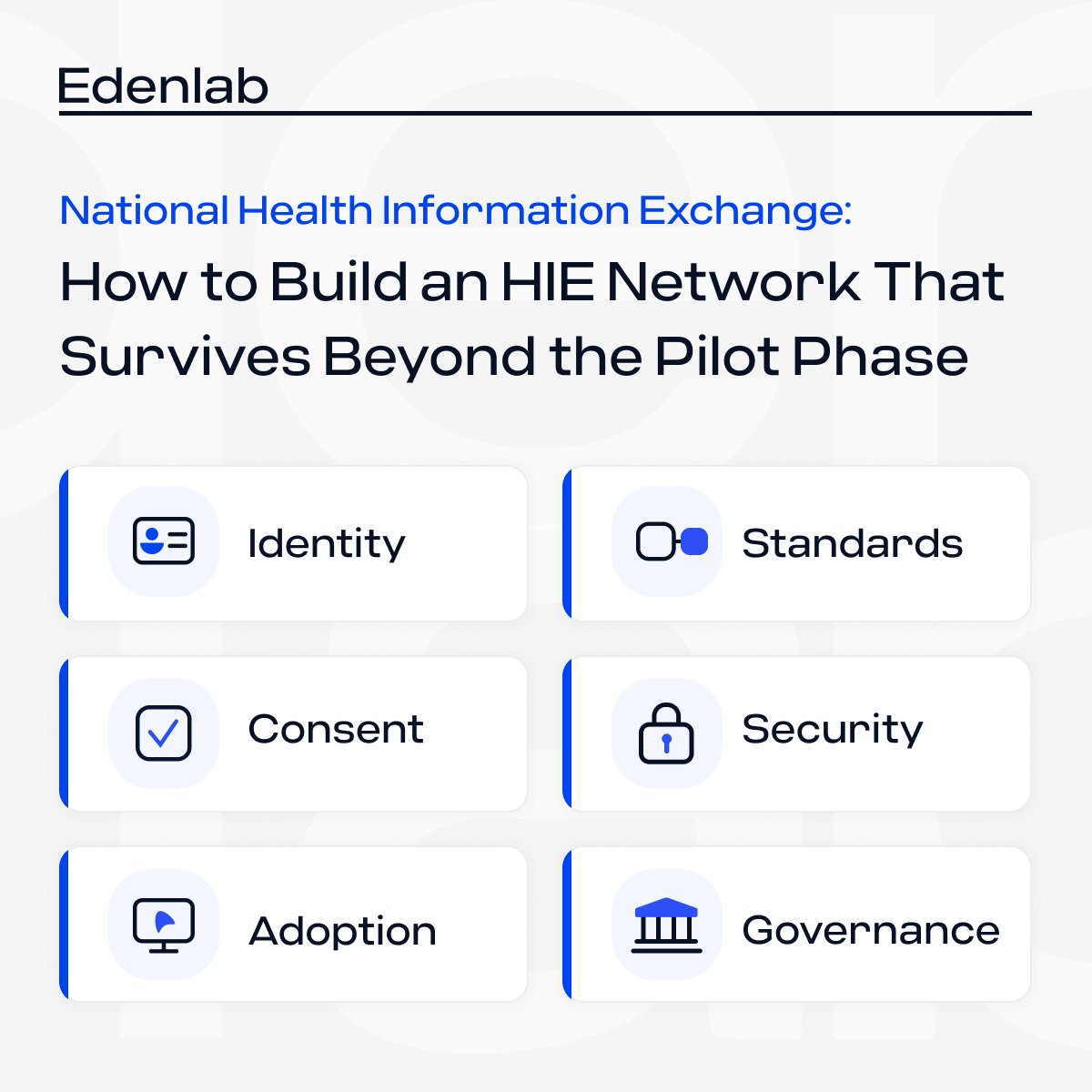
A national HIE can connect systems and still fail.
Standards enforcement, security, provider adoption, governance determine whether exchange scales beyond the pilot.
Explore the architecture choices and lessons from 5 national models: https://t.co/j38WIbB5IP
#HealthIT#FHIR
Clinical trial teams don’t need more data.
They need data they can use for faster recruitment, trusted cohorts, monitoring, evidence generation.
Our new article explores clinical trial analytics with #FHIR®, #OMOP, semantic layers, AI.
Read: https://t.co/sIfwH1F113
#HealthIT
Healthcare analytics breaks the moment it leaves your database — built for one schema, dead at the next. OMOP CDM fixes that. EHDS makes it urgent.
New article on why FHIR↔OMOP is harder than simple mapping:
https://t.co/2oiaoM3b6z
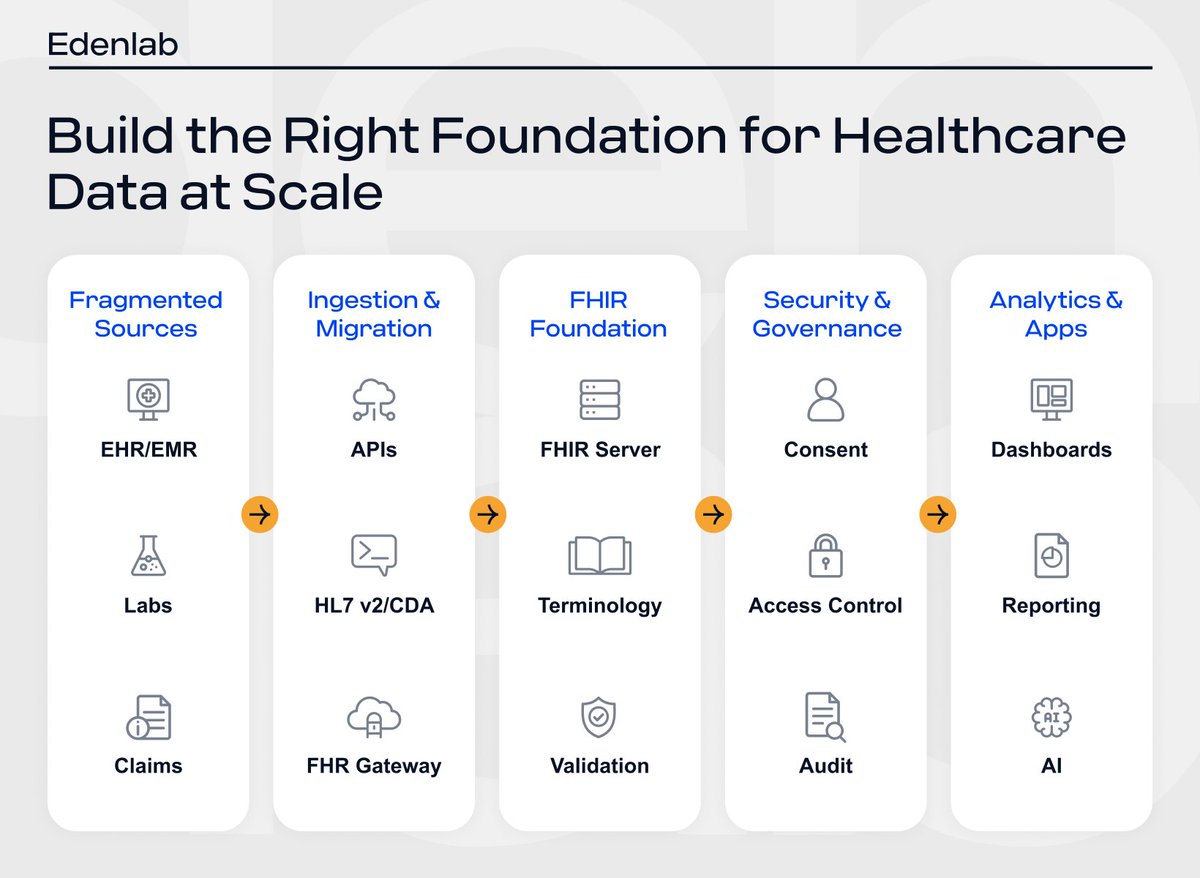
Provider data programs fail for a simple reason: legacy integrations consume all capacity.
A healthcare data strategy needs:
• a canonical model for reuse (FHIR)
• governance and security end-to-end
• phased migration from HL7 v2, departmental silos
https://t.co/4yOwUa67CF
Most denial programs improve at resolving claims. The harder part is seeing why the same denial patterns keep forming.
In the article, we break down where denial risk starts and how broader analytics helps teams act earlier https://t.co/MMUdsLhGu8
Interoperability projects stall on mapping: local codes, custom fields, one-off interfaces. AI-assisted mapping speeds up conversion to standards and improves consistency, when paired with human validation.
https://t.co/NQuhW1t2Ju
Healthcare analytics should show not only what happened, but how patients got there.
Our new article explores how Pathway Analysis in Kodjin Analytics turns clinical events into visible patient journeys.
Read more:
https://t.co/meoremL1s9
#FHIR#HealthIT
The “best tech stack for healthcare data” isn’t about tools—it’s about architecture: FHIR-first semantics, modular layers, measurable SLOs. Here’s a practical guide to choosing a scalable healthcare data platform tech stack:
https://t.co/bdoJMptquA
#FHIR#HealthIT
Turning vulnerable patient insights into action requires consistent rules, ongoing monitoring, targeted outreach, and a feedback loop that sharpens over time.
In the article, we go into the common failure points and the practical fixes:
https://t.co/lGkJgIh2kO
Most SME hospitals can’t afford enterprise analytics, yet readmissions still hit outcomes and margins.
Our article shows what “advanced analytics” looks like in real life: temporal + diagnostic insight that spots care gaps.
Read: https://t.co/w6UkcckNig
FDA, HIPAA, ONC transparency, FTC claim scrutiny...healthcare #AI isn’t a free-for-all. If you’re planning a roadmap, read this business guide
https://t.co/q0XIXkAd5g
#healthIT#healthcare
Late chronic disease detection drives avoidable utilization and financial volatility.
Our article explains what “high-quality” detection looks like and how Kodjin Analytics turns longitudinal signals into explainable cohorts and practical worklists.
https://t.co/sEd0FTlOLZ
The real challenge isn’t #HL7 vs #FHIR, it’s messy interfaces, endless mappings, fragile integrations & compliance pressure.
Check out our practical guide: FHIR vs HL7 v2/v3, focused on real architecture decisions.
https://t.co/GORNTu4hi1
#HealthIT