Form. Amb. of Uganda to the Nordic Countries, USA, the African Union, Ethiopia & Djibouti, Director/Senior Advisor World Bank.
Current Women League leader, ANT
I worked with @SueNsibirwa btn 2011-2019 as her supervisor when she headed our marketing function. Not once was she ever apprehended as a suspect in or charged with a criminal offense. In fact, she left two years before me with her record of high integrity & stellar performance. I am certain that her current employer would have done a due diligence before entrusting her with her present role. If what is being said about her now were true it would have come out long ago from more credible sources.
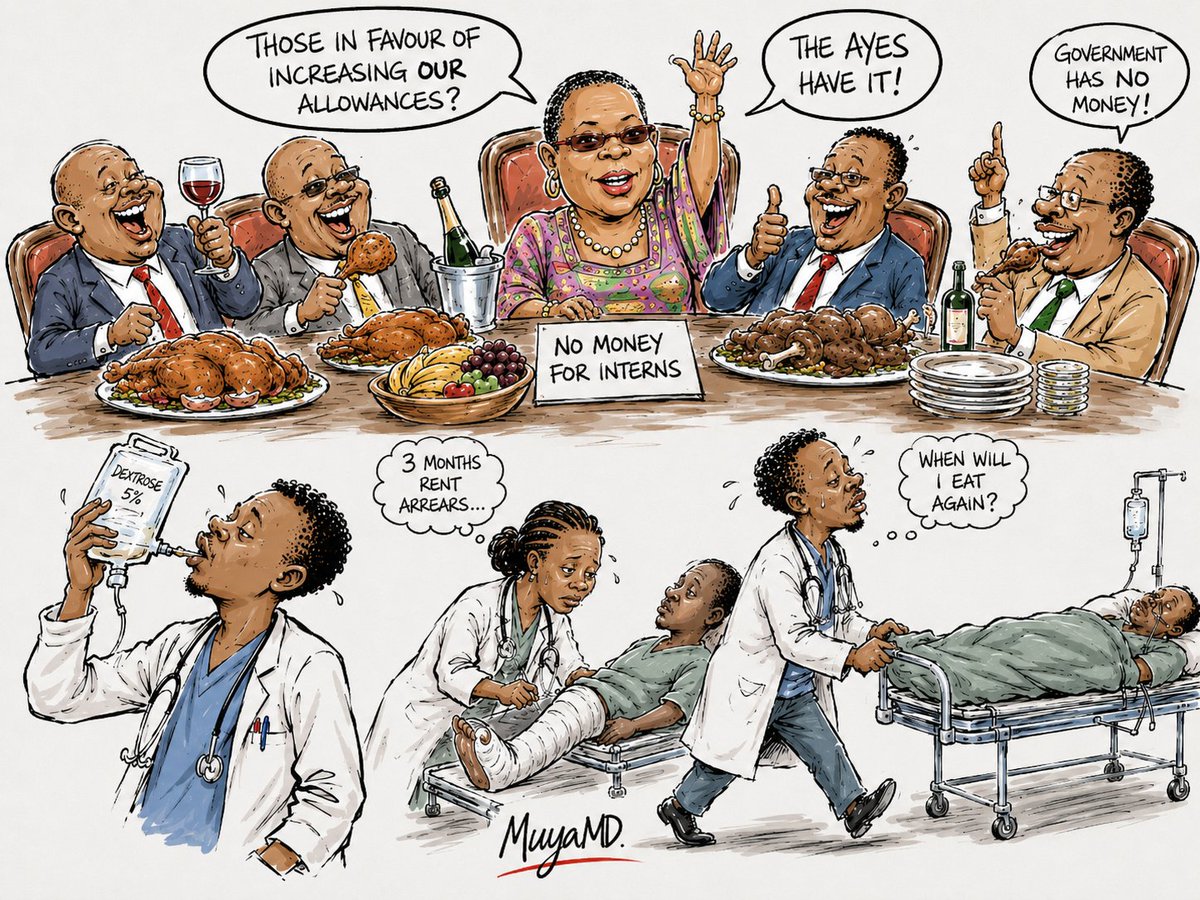
Let us be honest: the issue is not that medical interns are too many.
It is not that Uganda has no money.
It is that medical interns are not being treated as a priority.
Consider the choices being made:
• Parliament keeps growing.
Parliament’s budget reportedly doubled to about 𝗦𝗵𝘀 𝟭. 𝟮 𝘁𝗿𝗶𝗹𝗹𝗶𝗼𝗻. The money going to 529 MPs rose from about 𝗦𝗵𝘀 𝟰𝟬𝟬𝗯 in 2020/21 to 𝗦𝗵𝘀 𝟳𝟰𝟰.𝟰𝗯 in 2026/27, an increase of about 𝗦𝗵𝘀 𝟯𝟰𝟰.𝟰𝗯.
What direct return does this give the common Ugandan in a crowded hospital?
• Two offices alone tell the story.
The Speaker and Deputy Speaker offices had about 𝗦𝗵𝘀 𝟳.𝟭𝗯 combined in 2020/21. In 2026/27, they stand at about 𝗦𝗵𝘀 𝟱𝟬.𝟮𝗯 , an increase of about 𝗦𝗵𝘀 𝟰𝟯.𝟭𝗯 for only two offices.
That increase alone can pay 𝟯𝟬𝟬𝟬 interns 𝗦𝗵𝘀 𝟭𝗺 𝗽𝗲𝗿 𝗺𝗼𝗻𝘁𝗵 𝗳𝗼𝗿 𝗮 𝗳𝘂𝗹𝗹 𝘆𝗲𝗮𝗿, with money left.
• Questionable spending continues.
In 2025/26, selected Speaker’s office lines reportedly included 𝗦𝗵𝘀 𝟮.𝟰𝗯 for foreign travel, 𝗦𝗵𝘀 𝟵𝟲𝟲𝗺 for fuel, 𝗦𝗵𝘀 𝟰.𝟴𝗯 for incapacity, death benefits and funeral expenses, and 𝗦𝗵𝘀 𝟱.𝟮𝗯 for donations. Total: about 𝗦𝗵𝘀 𝟭𝟰.𝟮𝗯. What lasting public health return does this produce compared with doctors on wards?
• RDC structures are being funded.
Uganda reportedly has 146 RDCs, 170 Deputy RDCs and 432 Assistant RDCs, total 748 officials. Their proposed salary enhancement requires an extra 𝗦𝗵𝘀 𝟮𝟵.𝟬𝟳𝟵𝗯 every year.
Add the reported 𝗦𝗵𝘀 𝟯𝟬𝗯 for LC I to LC V political leader facilitation, and that is about 𝗦𝗵𝘀 𝟱𝟵𝗯. In what way does this benefit the common Ugandan?
• Donations are funded.
State House donations reportedly consumed 𝗦𝗵𝘀 𝟳𝟱𝟭𝗯 over seven financial years. In 2023/24 alone, donations were budgeted at 𝗦𝗵𝘀 𝟭𝟴.𝟭𝗯, but actual spending reached 𝗦𝗵𝘀 𝟴𝟬.𝟭𝟴𝗯. If tens and hundreds of billions can be found for donations, how does 𝗦𝗵𝘀 𝟮𝟰𝗯 to 𝗦𝗵𝘀 𝟯𝟲𝗯 for over 2,000 medical interns become impossible?
• Health was not protected with the same urgency.
The Ministry of Health vote fell from about 𝗦𝗵𝘀 𝟭. 𝟲𝟵𝟯 𝘁𝗿𝗶𝗹𝗹𝗶𝗼𝗻 in FY2023/24 to about 𝗦𝗵𝘀 𝟭. 𝟯𝟰𝟰 𝘁𝗿𝗶𝗹𝗹𝗶𝗼𝗻 in FY2024/25, a reduction of about 𝗦𝗵𝘀 𝟯𝟰𝟵𝗯. Even the 2025/26 estimate of 𝗦𝗵𝘀 𝟭.𝟱𝟲𝟰 𝘁𝗿𝗶𝗹𝗹𝗶𝗼𝗻 remains below the 2023/24 level. Yet health is the sector that directly touches mothers in labour, accident victims, children with malaria, emergency patients and families in public hospitals.
Now compare:
• 2,000 interns × Shs1m × 12 months = 𝗦𝗵𝘀 𝟮𝟰𝗯 per year
• 2,500 interns × Shs1m × 12 months = 𝗦𝗵𝘀 𝟯𝟬𝗯 per year
• 3,000 interns × Shs1m × 12 months = 𝗦𝗵𝘀 𝟯𝟲𝗯 per year
Even using the Ministry of Health’s own gross figure of Shs15.6m per intern per year, the reported 2,706 eligible interns would require about Shs42.2b. That is still small compared with what is being found for political comfort and administrative expansion.
That money is not a handout.
✨ It avails doctors on wards.
✨ It keeps emergency units covered.
✨ It supports maternity care.
✨ It fills staffing gaps in regional referrals.
✨ It protects patients.
So let us stop pretending.
This is not a numbers problem.
This is not a money problem.
It is a priority problem.
Medical interns are doctors under apprenticeship, not free labour!
#InternsNotSlaves
In a place of surrendered trust, you stop manipulating your prayers to get your own will done, and instead you open yourself for God to solve the problem in His way, in His time, for His glory. Today, you step aside- you move out of the way, and let God be the One who defines what help is and how it comes. Come to Him honestly, with nothing but a humble plea: “God, just help me.”
One thing I have learned about Ugandans lately is that many of us support the law when it favors us and dismiss the very same law when it works against us.
For example, if @ReachDrMuganga were opposition-leaning and the issue of dual citizenship arose, many of us in the opposition would be labeling Uganda a lawless country and asking why the law was only being applied to "our own."
If it were a Muganda with dual citizenship facing the same situation, some would argue that westerners were deliberately pushing Baganda out so they could take over key ministries.
Now that it is a Munyarwanda who is perceived to be NRM-leaning, suddenly the law works in Uganda and everyone is busy quoting the Constitution.
These are the double standards we must put aside if we are to have an honest conversation and chart a genuine way forward for our country. Principles should remain principles, regardless of who is affected.
Retired Archbishop Augustine Kasujja has called on Ugandans to reject greed, corruption, and land grabbing, saying these practices are hindering the country's development.
@MugenyiHenry_#NBSLiveAt9#NBSUpdates#MartyrsDay2026
Happy Uganda Martyrs’ Day!
Today we honour the martyrs who stood boldly against oppression and died for their convictions at Namugongo. Their sacrifice highlighted the power of courage, integrity, and resistance to unjust authority. Their legacy continues through leaders and citizens who defend justice, freedom, and accountability in our society today.
As we pray today, let us commit to building a Uganda rooted in true democracy, strong human rights protections, and inclusive development.
May we work together to shield our country and the world from threats like Ebola and other crises.
Ismail Kasule Amooti Owensonga
MP Hoima City West Division!
Uganda’s Unpaid Medical Interns: A Crisis at the Heart of Public Healthcare
Uganda’s public health system is facing a deepening moral, legal, and policy crisis following the government’s refusal to pay medical interns. At the center of this dispute are young doctors who, after years of intense and costly training, are expected to shoulder the backbone of hospital care, without pay. The decision has far-reaching consequences for healthcare delivery, medical education, and the future of the profession in Uganda
Medical interns in Uganda are not observers or trainees in a casual sense. They are frontline healthcare providers. In many public hospitals, interns cover critical staffing gaps, run wards, attend to emergencies, clerk patients, prescribe under supervision, and provide round-the-clock care.
In practice, interns do most of the regular medical work that keeps hospitals functional, especially in regional referral hospitals where shortages of senior doctors are chronic. Demotivating interns through non-payment directly undermines patient care, increases preventable deaths, and overburdens the few fully employed doctors who remain. Refusing to pay interns while continuing to rely on their labor amounts to institutionalized exploitation.
Before internship, a Ugandan medical doctor spends at least five years at university, followed by internship as a mandatory requirement for full registration. Medical education is among the most demanding and expensive courses in the country. By the time students reach internship, many come from families already financially exhausted. Internship pay is therefore not a luxury, it is basic subsistence, covering rent, food, transport, among others.
Denying interns pay after such prolonged investment effectively turns medical training into a pathway of debt, distress, and despair. The situation poses a sharp dilemma, especially for government-sponsored medical students.
On one hand, the state argues fiscal constraints and frames internship as “training.” On the other hand, it compels graduates to serve, posts them to hospitals, assigns shifts, and disciplines them as workers. This contradiction raises fundamental questions. If internship is compulsory national service, why is it unpaid? Why should interns offer an unpaid service in government hospitals? What’s government’s commitment to universal healthcare?
Uganda’s approach stands in stark contrast to practices across much of Africa. In Kenya, Medical interns are salaried government employees, with formal contracts and monthly pay. In South Africa, Interns receive structured remuneration and are fully integrated into the public service payroll. In Rwanda, Internship is funded as part of national health workforce planning, with clear state responsibility. In Ghana, House officers (interns) are paid and recognized as essential health workers.
In these countries, governments acknowledge a basic truth: you cannot sustain a health system on unpaid labor.
Uganda’s refusal to pay interns risks isolating the country, accelerating brain drain, and making medicine unattractive to talented students, especially those from poor backgrounds.
The unpaid internship policy has consequences beyond medical interns themselves. Patients suffer from demoralized staff and service disruptions
Rural and public hospitals face collapse as interns withdraw labor. Medical students reconsider their career choices or plan to leave the country. Public trust in health governance erodes.
Uganda cannot claim commitment to universal healthcare while refusing to pay the very doctors who keep hospitals running. Internship is not charity work; it is essential labor performed after years of specialized training. Government decision undermines its health system, exploits young professionals, and jeopardizes the future of medical education in Uganda.
Paying medical interns is not merely a budgetary decision; it is a test of justice, foresight, and national priorities.
https://t.co/O9Co6t1h5Y
“But seek ye first the kingdom of God, & his righteousness; & all these things shall be added unto you.” Matthew 6:33
May God give us the grace to understand that it’s beneficial to choose God first. If that was you, truthfully, what would you chose?
our MPs during their induction were only concerned about the speed of approving their medical trips abroad, or whether they are allowed to travel with their spouses, etc..meanwhile the rest of the population that depends on medical interns isn’t their problem!
https://t.co/hwsRHF3wWB
This woman is trying to kill herself and her child due to desperation. Something should be done to arrest the situation. A society/Govt is measured by the way it takes care of its most disadvantaged.
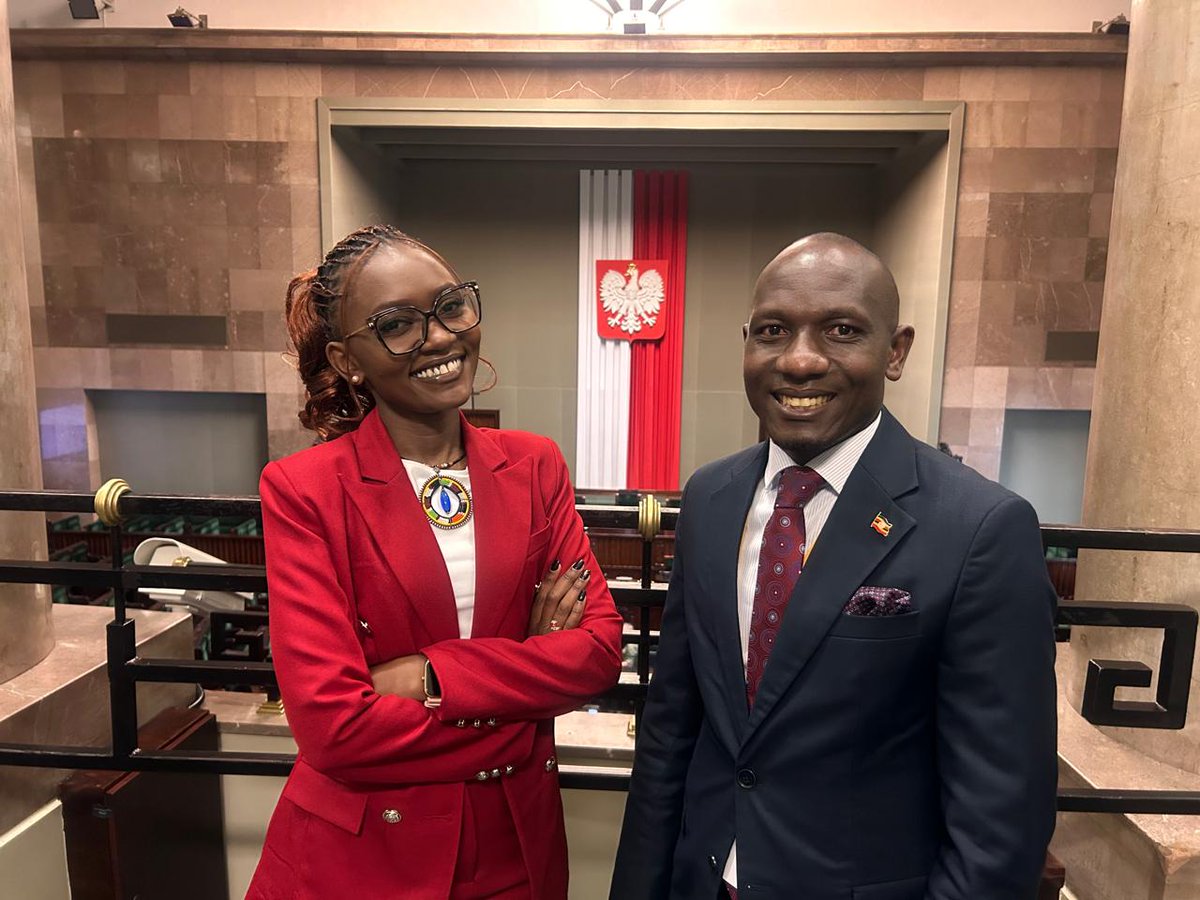
Just back from the OSCE/ODIHR @osce_odihr PPPN Conference in Warsaw. I presented WYDE findings on barriers to youth political participation together with Agnes Kariuki, and @GaryKlaukka Executive Director @EU_ENoP. Also discussed was political party finance & corruption risks.