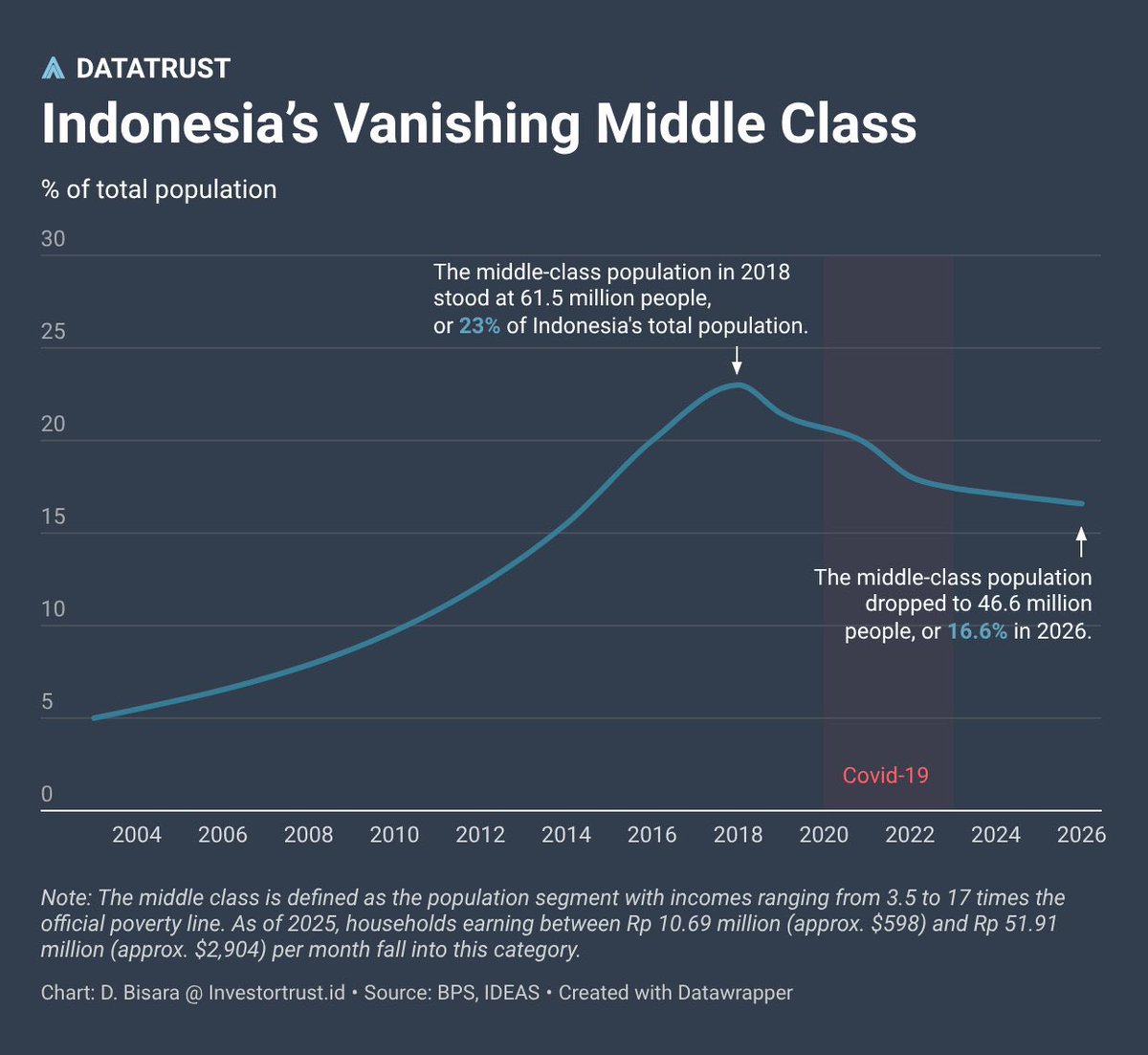
This chart should terrify policymakers. Indonesia’s middle class did not merely slow down. It went into reverse.
After two decades of expansion, the middle-class population peaked at 61.5 million people in 2018, representing 23% of the population. By 2026, that figure had fallen to just 46.6 million people, or 16.6%. That is not a cyclical slowdown. That is structural deterioration.
For years, policymakers celebrated GDP growth, infrastructure projects, commodity booms, and headline investment numbers. But the ultimate scorecard of an economy is whether ordinary people become wealthier over time. This chart suggests millions of Indonesians are moving in the opposite direction.
The middle class is the economic engine of every successful country. They buy homes, cars, insurance, consumer goods, education, travel, financial products, and healthcare. They generate tax revenue. They create small businesses. They drive domestic demand. When the middle class shrinks, the economy loses its most important customer.
The uncomfortable question is simple: where did the gains go? If GDP is growing, if conglomerates continue expanding, if commodity exports remain large, then why are fewer Indonesians qualifying as middle class than eight years ago?
More importantly, if you are born poor in Indonesia today, what ladder exactly are you supposed to climb?
If you are exceptionally good looking, perhaps you can monetize attention through social media. If you are academically gifted, perhaps you can break into an ultra-competitive institution like MBB, survive years of brutal expectations, and eventually use that platform to do something bigger. If you are entrepreneurial, maybe you build a business against overwhelming odds. If you are lucky, perhaps you benefit from family connections, inheritance, or access to opportunities unavailable to most people.
But an economy cannot rely on exceptionalism. A healthy economy creates millions of pathways upward, not a handful of lottery tickets.
The situation becomes even more concerning when you consider that well-paying white-collar jobs are becoming increasingly scarce. Many multinational companies that once established regional operations, technology centers, shared-service hubs, and professional offices in Indonesia have either downsized, relocated, or shifted future expansion elsewhere.
Those jobs were not valuable merely because of the salaries they paid. They were valuable because they transferred knowledge, management expertise, technical skills, global best practices, and professional networks into the local workforce. Over time, they helped develop intellectual capital that could later be recycled into entrepreneurship, leadership positions, startups, and domestic businesses.
When those opportunities disappear, the loss is not limited to employment. The country also loses a training ground for future managers, engineers, consultants, analysts, and business leaders. Human capital compounds just like financial capital. Once that pipeline weakens, rebuilding it can take years or even decades.
The bigger risk is that social mobility slows. When people stop believing hard work leads to a better life, trust in institutions weakens. Aspirations decline. Consumption slows. Talent leaves. The country’s most productive people increasingly look elsewhere for opportunity.
This is why Indonesia’s biggest economic challenge is no longer growth. It is upward mobility. A country cannot thrive without a growing middle class, a steady pipeline of high-quality jobs, and a clear path for ordinary people to join it. And right now, all three appear to be moving in the wrong direction.
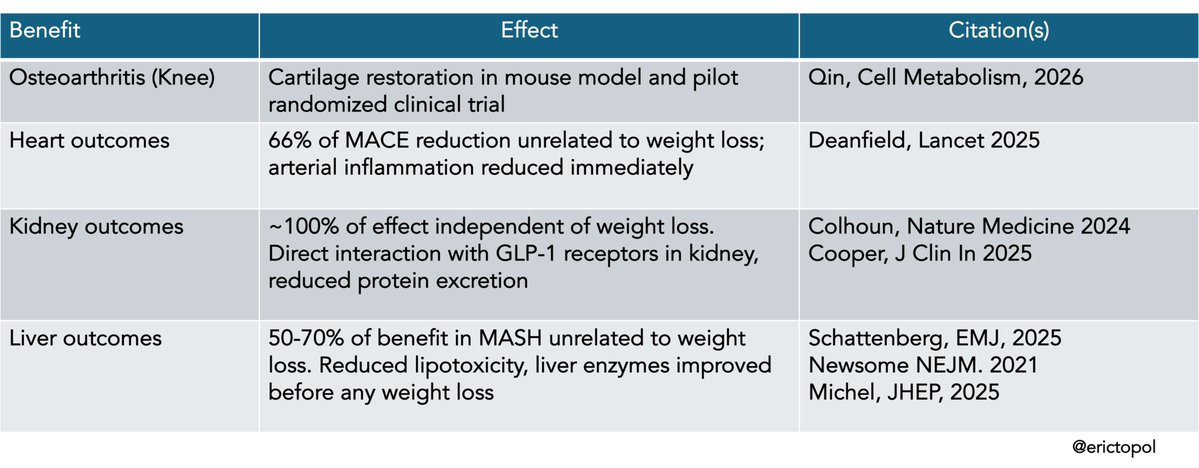
We used to think that the benefit of GLP-1 drugs (like Ozempic) was dependent on weight loss.
Now we know so many health benefits have little to do with that!
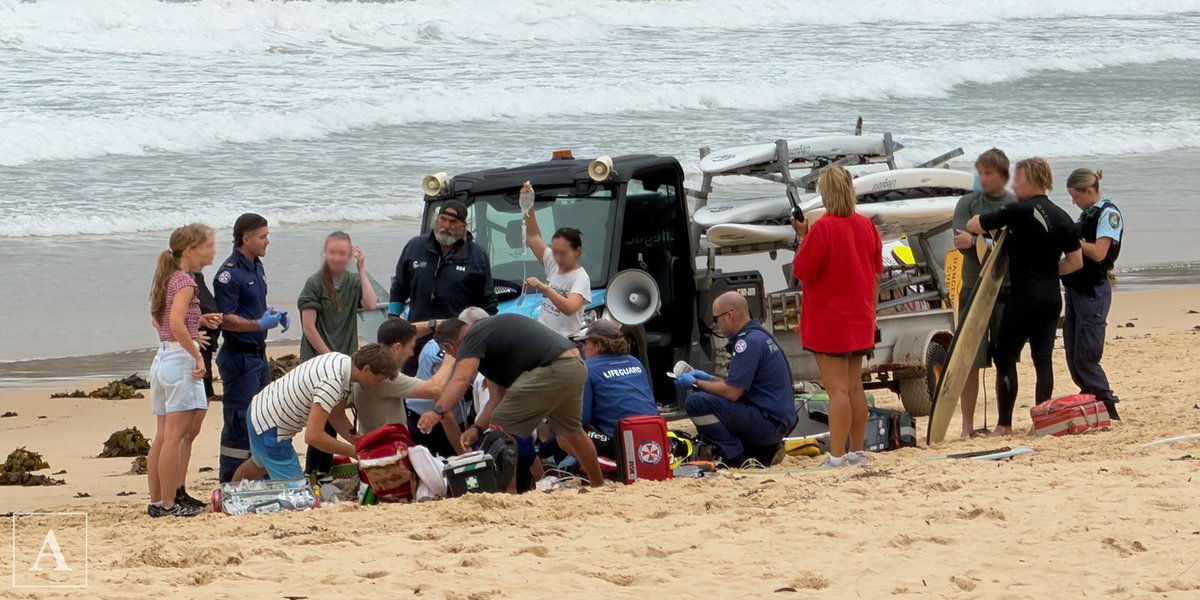
The victim of Monday's shark attack in Manly was initially assessed as having a 5% chance. A clinical professor of emergency medicine specialising in pre-hospital critical care of severe injuries, traumatic cardiac arrest, and aeromedical retrieval was nearby and rushed to help. That aid, along with the rescue helicopter crew's proactive decision to bring additional blood and fluids, helped stabilise the man. He is now in hospital in critical but stable condition.
Sebelumnya, gw ingetin lagi ya.. mau kabur aja dulu ke manapun, harus bisa adaptasi dengan baik. Be COMPATIBLE dengan day to day life mereka.
Contoh simple: makanan!
Beberapa hari yg lalu (and on going) banyak banget orang kita yang menghina pickled herring, dibilang makan kayak kucing liar. Padahal itu resep dari sejak medieval era, jadi staple food orang Eropa termasuk Vikings. Hingga kini jadi kebanggaan street food di Belanda khususnya Amsterdam. Mereka gak maksa kita makan, tapi orang kita yang nyamber langsung hina-hina. Paham makanannya aja juga gak.
On K2-18b biosignature detection.
- 2nd independant detection from different instrument
- 0.3% detection error possibility
- Habitable zone (Hate this term but just means it could have liquid water)
- Water Vapor detected in atmosphere
- Not only is Dimethyl Sulfide a biosignatue, its at the consentration we predict a hycean world with life would have
- This chemical must be replinished
I am not an expert on this subject, just relaying what I have digested so far.
Hypersketpticism is good in science. But while it is accurate to say we are not 100% sure K2-18b has life, it is just as accurate to say life is the simplest and most likely explanation for the evidence. In any non-astrobiology science, in such a scenario, we would usually just say that last part outright. Its more likely than not that K2-18b has life.
Awesome!
3 interesting findings:
1. At every level of education—from kindergarten through PhD—girls outperform boys. Boys and girls from rich families don’t differ much in terms of educational attainment. But among children from low income families, boys lag far behind girls.
OK Go recorded this music video shot in near-zero gravity aboard a parabolic airliner without using CGI, wires or green screen: the video was cut from one take filmed over 45 minutes of continuous flight.
Saya baru menemukan harta karun lagi. Kali ini adalah kumpulan ilustrasi kehidupan sehari-hari di Hindia Belanda sekitar akhir abad 19. Dibuat oleh penerbit Gaultherus Kollf. Gambar2 ini bisa diakses di websitenya Rijksmuseum. Saya akan tunjukan beberapa gambar2nya di thread ini.
Southeast Asia is completely dominated by its seven largest metro areas(Jakarta/Manila/Singapore/KL/Bangkok/Hanoi/HCMC),
They comprise 12 - 15 % of the regional population, but make up 80 % of the entire regional GDP.
This is one big difference between Southeast Asia and say China/India/America. Southeast Asia lacks a distributed urban hierarchy tier, its megacities and bust. In that way it’s a lot more like Africa.
It’s few genuine Tier 2s like Surabaya/Penang/Chiang Mai contribute about 15 % of economic value.
Kami memperoleh rekaman voice note dr. Aulia Risma Lestari, calon dokter spesialis Undip yang ditemukan meninggal dunia setelah mengalami bullying.
Rekaman ini menyiratkan, selain perundungan, pemerasan, dan eksploitasi dilakukan dokter senior Undip, korban juga dipaksa kerja rodi di Rumah Sakit Dr Kariadi, Semarang.
Tayangan selengkapnya, tunggu #BukaMata di YouTube Narasi Newsroom. Segera!
| Buka Mata