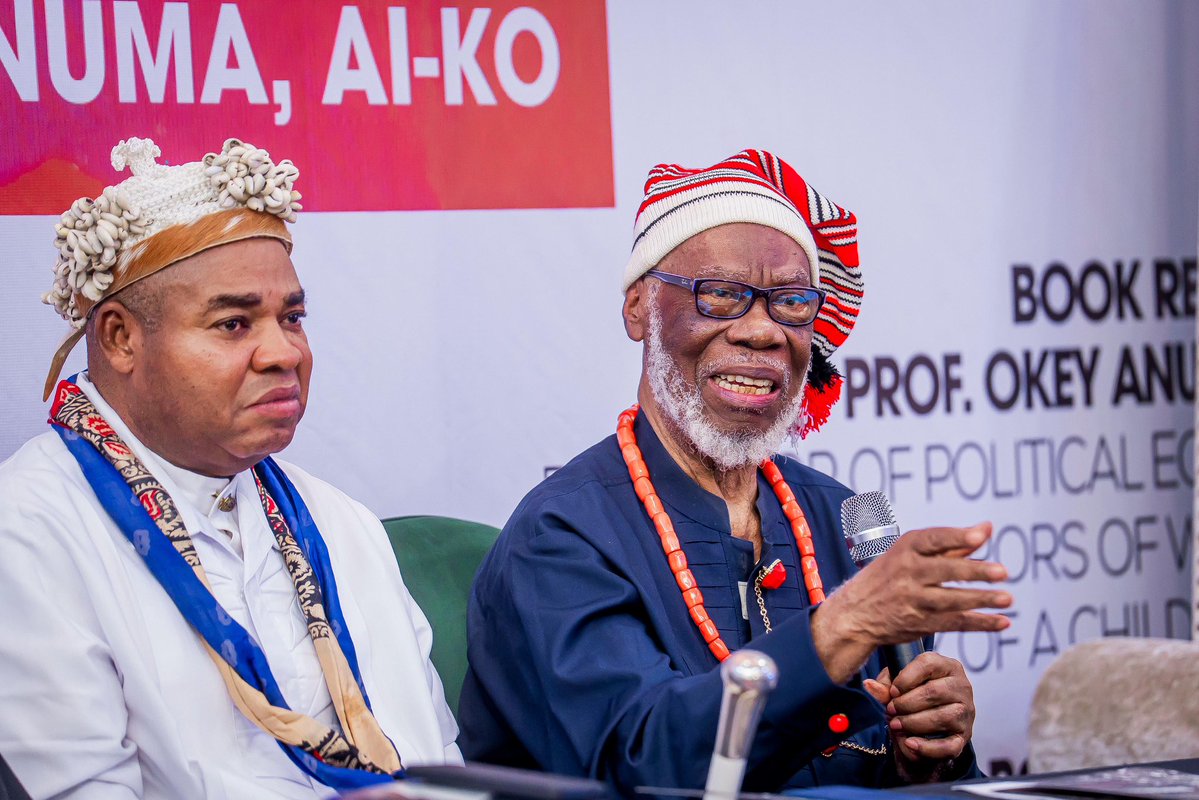
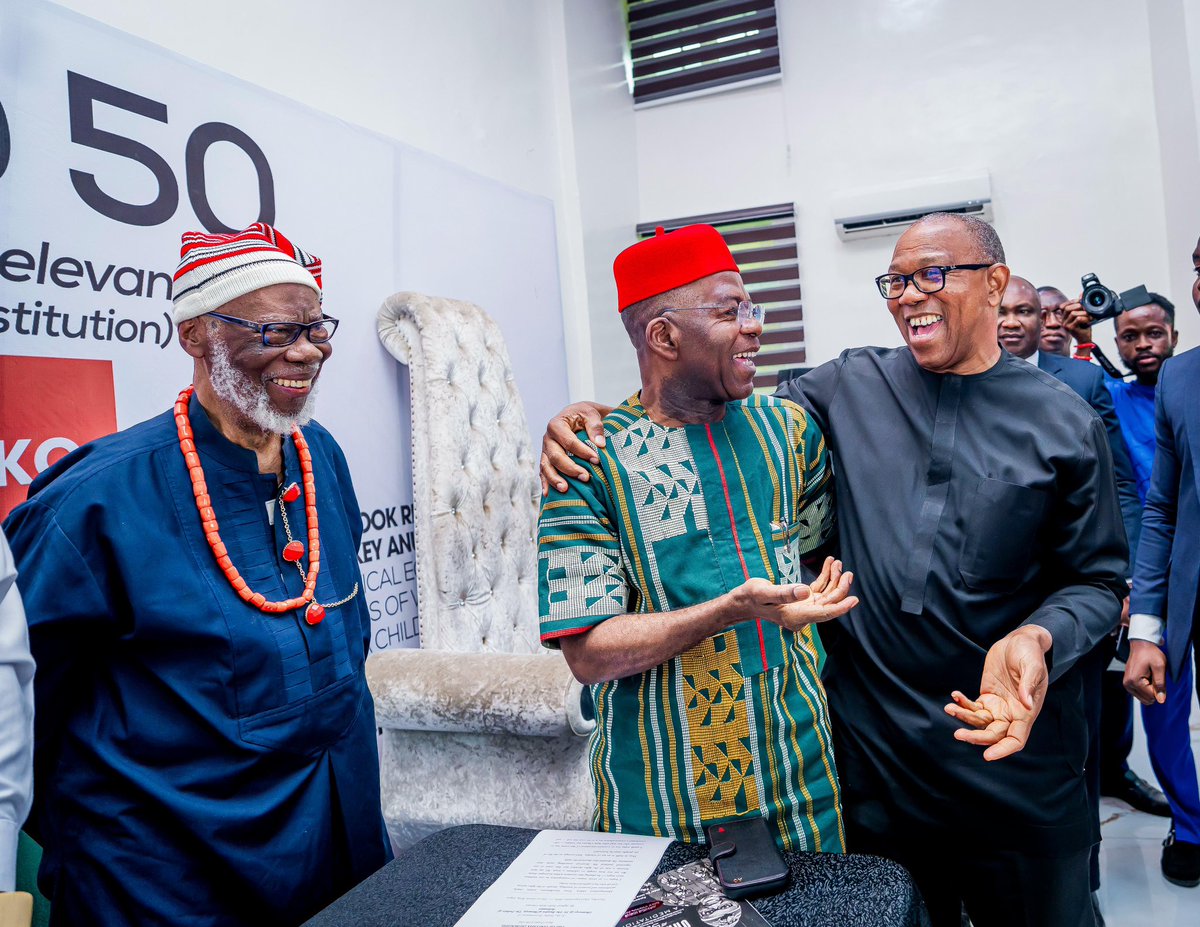
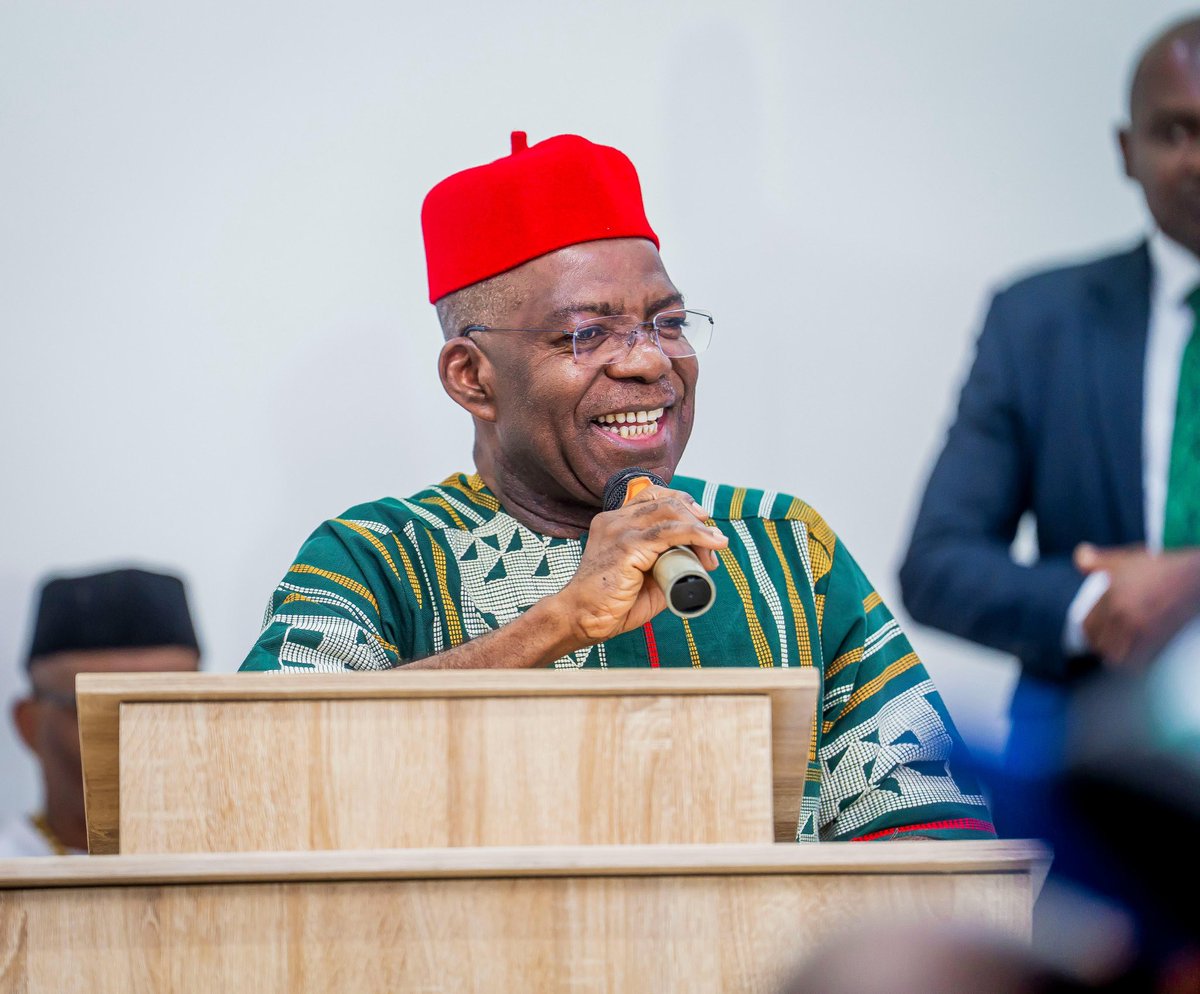
Yesterday in Ikeja, Lagos, I joined eminent Igbo leaders, traditional rulers and other distinguished guests at the public presentation of the book, Ohaneze at 50: The Burden of Memory, The Politics of Relevance: A Critical Biographical Reflection of an Igbo Institution, written by Agbaeze Ireke Kalu Onuma. My speech, titled “Ohaneze at 50: A Book That Holds Up the Mirror,” reflected on the significance of the book and the future of Ohanaeze Ndigbo.
At 50, Ohanaeze Ndigbo deserves celebration, but also honest reflection. This 602-page work goes beyond recounting the organisation’s history. It examines its leadership, achievements, challenges and continuing relevance.
As Phyllis Diller (1917–2012) reminds us, “Maybe it's true that life begins at fifty. But everything else starts to wear out, fall out, or spread out.”
The book therefore challenges us to look beyond history and ask what Ohanaeze has become, what it should be, and what it must do to remain relevant to generations of Ndigbo yet unborn.
It reminds us that while heritage provides a foundation, relevance must be earned continuously. The future of Ndigbo requires institutions that embrace young people, technology, innovation and the global Igbo community, while translating our rich cultural identity into greater economic, intellectual and political strength.
I commend Agbaeze Ireke Kalu Onuma for undertaking this important work and recommend the book to everyone interested in the history, identity, unity and future of Ndigbo.
Ohaneze at 50 is not merely a record of history, it is an invitation to reflect on where we are and where we should be headed.
As Chili Davies aptly puts it, “Growing old is mandatory; growing up is optional.”
May the 50th anniversary of Ohanaeze Ndigbo mark not only a celebration of its past, but also inspire a deeper conversation about the future we must build.