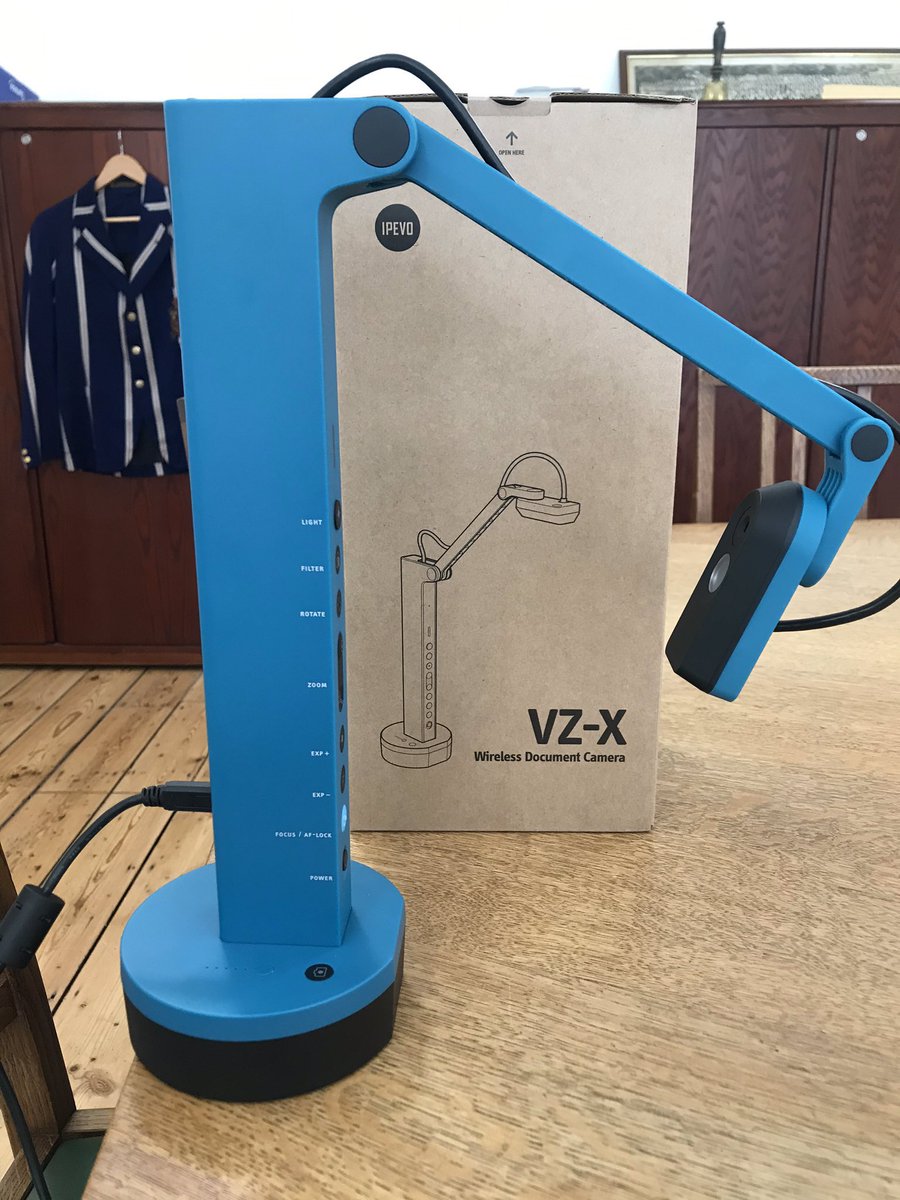
My visualiser, a thread:
1. I’ve been a teacher of English for 18 years. Yesterday, I taught my last year 11 lesson of this academic year. I can honestly say I think my teaching is better now than it’s ever been, thanks to my visualiser.
Reminder!
We have an exciting new vacancy available!
We are hiring for a Reach Internal Alternative Provision Deputy Centre Manager. This is for our newly established REACH cohort.
Find out more and apply: https://t.co/4lvAD4kpp4
Applications close April 16th 2026.
'Warm Strict' and the Culture Curriculum @YewlandsAcademy. Great to hear of the transformational work of Principal Kimberley Willmott and her team @brigantialearn1 and the reflections of the talented current and aspirational headteachers in the locality!
Another consequence of allowing disruptive students to stay in the classroom is that it sends the message to everyone in the room that education isn’t that important.
OPEN CHALLENGE
Show me a successful turnaround school that didn't massively improve behaviour standards via centralised behaviour policies, including substantial consequences for repeated poor behaviour.
I'm happy to wait
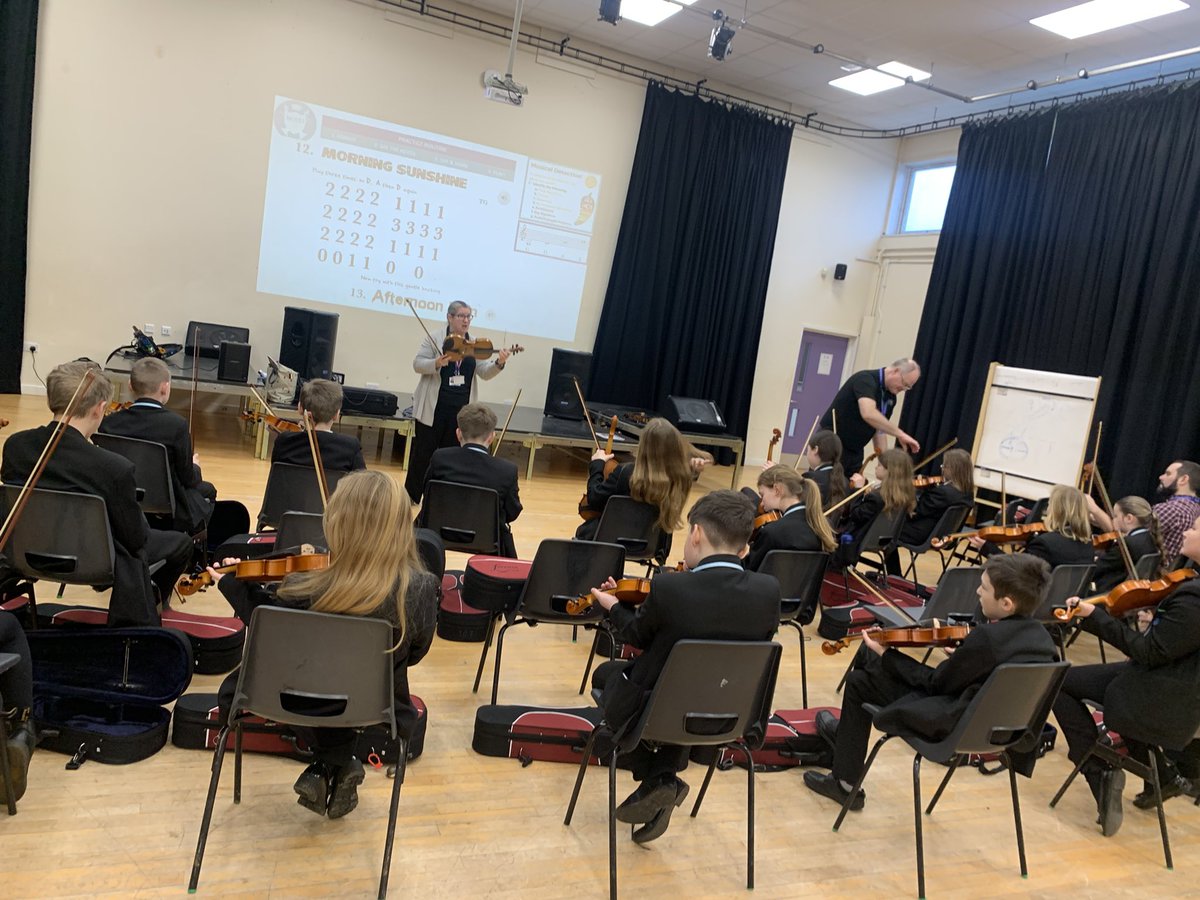
Access to music education in UK schools is not a given. We’ve now supported over 20,000 students across the UK! 🥳 We work with 29 secondary schools who serve disadvantaged and sometimes challenging communities providing enhanced staffing, funding for instruments and also regular support and opportunities to perform.
#RPSAwards #MusicEducation #MusicChangesLives #YoungMusicians #ImpactAward
I spoke to a teacher this week who was asked by the school’s senior leadership team to be more “innovative” in her teaching. All staff were allocated £1 and told to go to a pound shop to purchase a “prop” to use to create a “buzz” in the classroom. Here was my response: 🧵
4.Students want to learn, make progress, feel clever and successful- just as we all do. They won’t thank you for a shoehorning wooden spoons into your Macbeth lesson, however much fun it might be at the time.
“In schools where behaviour standards are high, disadvantaged children do disproportionately well.
In schools where behaviour standards are weak, disadvantaged children do disproportionately badly.”