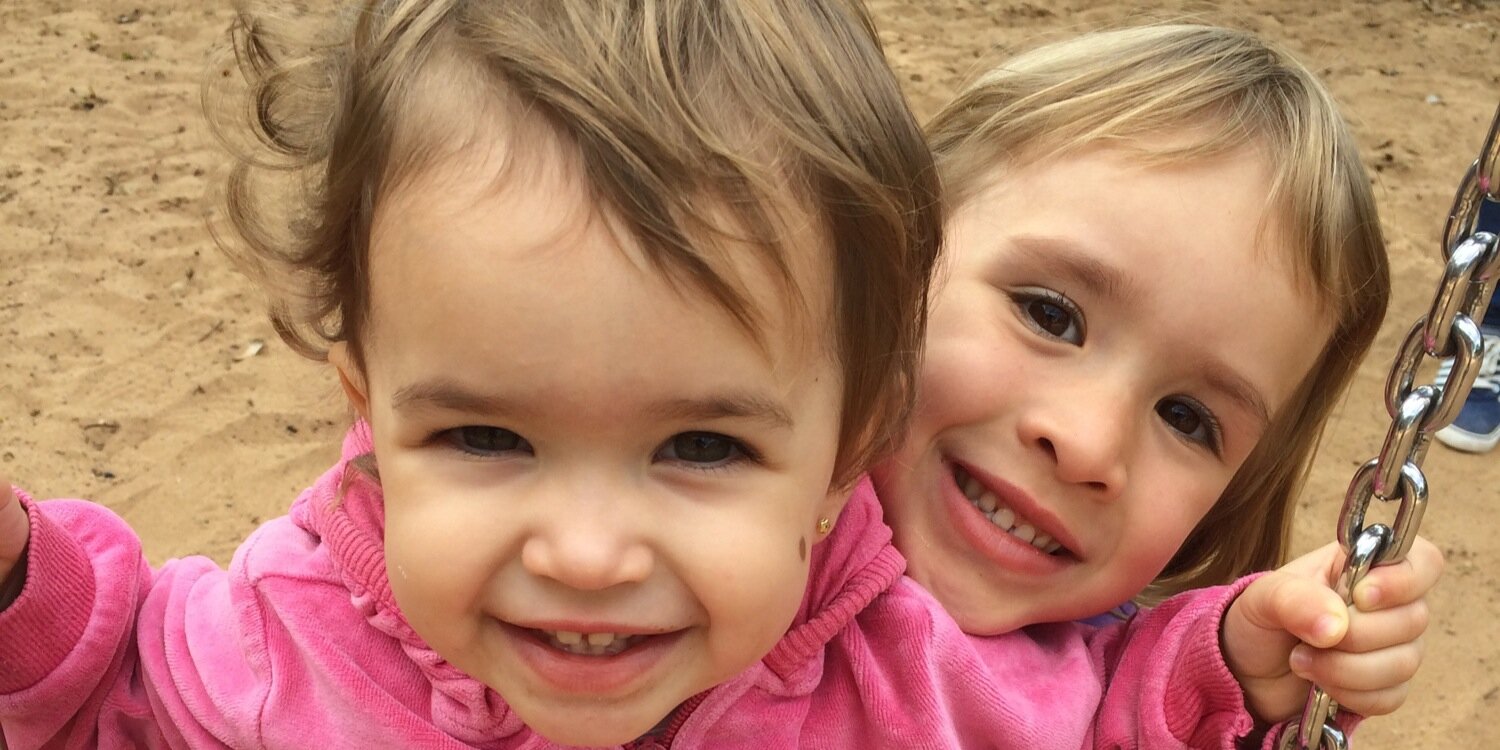
¡Primer premio Escuela Infantil! @escuela06 en la categoría de “La clase en casa” Muy contento y agradecido por este reconocimiento. Gracias a todas las familias de @PurezaSantaCruz que lo hicieron posible. 👏🏻👏🏻👏🏻
¡Segundo Premio Escuela Infantil en la categoría de # LaClasenCasa al proyecto Guayota, la leyenda continúa de CEIP Pureza de María!
https://t.co/nAz7M0T64f
Buenos días a todas/os. Os animo a participar en el sorteo de un ejemplar de "Dictados en acción" Con dos sencillos pasos. Darle a "me gusta" y a republicar a este post. Al hacerlo entraréis automáticamente en el sorteo de día 9 de julio. Que tengáis un feliz inicio de semana.
🔴 ÚLTIMA HORA | Bajada histórica de las ratios escolares: se quedan en menos de la mitad en el 0-3, en 20 alumnos en el segundo ciclo de Infantil y 30 en Bachillerato https://t.co/nU5AU1W3sh
Vivo atrás de una escuela y cada mañana me despiertan los niños, que arrancan a las 8 a 220v
Escucho algunas clases y, por supuesto, los recreos.
Y cada vez estoy más convencida de que las maestras merecen realmente los 3 meses de vacaciones y un salario mayor que los senadores.
Nos quejamos de que los alumnos no leen, pero en las salas de profesores ya casi nadie abre un libro ni un periódico. Permitidme reflexionar, con mucho dolor, sobre cómo los claustros se han contagiado de una sociedad cada vez más inculta y superficial. 🧵va...
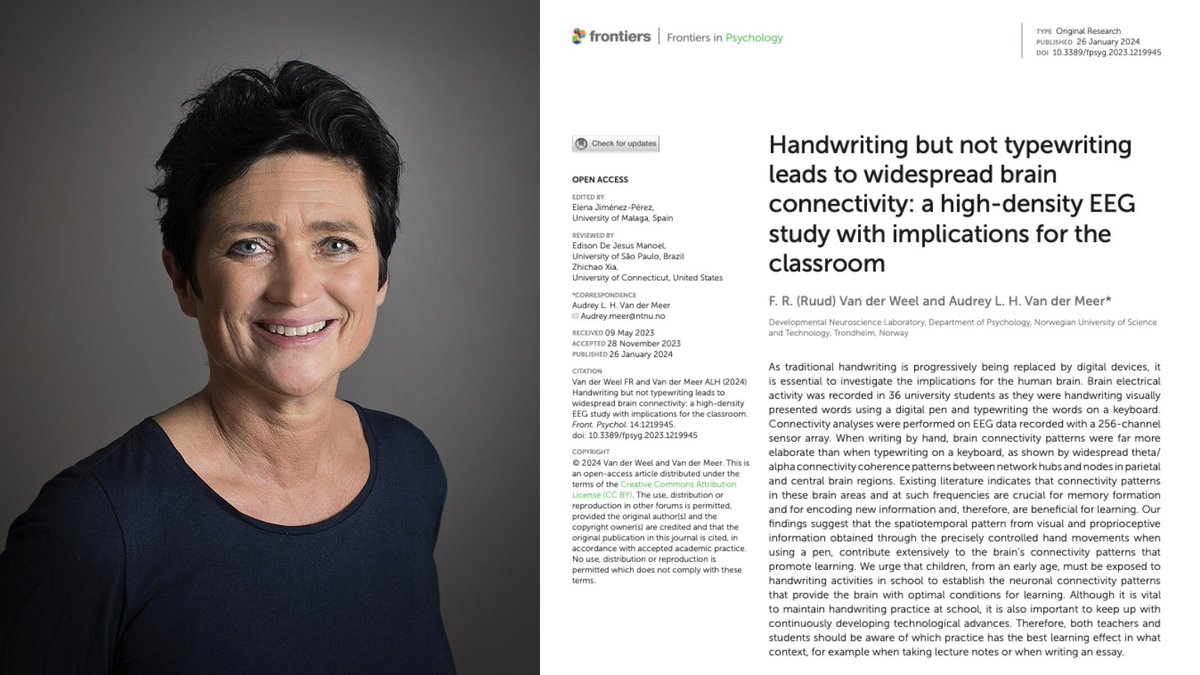
A Norwegian neuroscientist spent 20 years proving that the act of writing by hand changes the human brain in ways typing physically cannot, and almost nobody outside her field has read the paper.
Her name is Audrey van der Meer.
She runs a brain research lab in Trondheim, and the paper that closed the argument was published in 2024 in a journal called Frontiers in Psychology. The finding is brutal enough that it should have changed every classroom on Earth.
The experiment was simple. She recruited 36 university students and put each one in a cap with 256 sensors pressed against their scalp to record brain activity. Words flashed on a screen one at a time.
Sometimes the students wrote the word by hand on a touchscreen using a digital pen, and sometimes they typed the same word on a keyboard. Every neural response was recorded for the full five seconds the word stayed on screen.
Then her team looked at the part of the data most researchers had ignored for years, which is how different parts of the brain were communicating with each other during the task.
When the students wrote by hand, the brain lit up everywhere at once.
The regions responsible for memory, sensory integration, and the encoding of new information were all firing together in a coordinated pattern that spread across the entire cortex. The whole network was awake and connected.
When the same students typed the same word, that pattern collapsed almost completely.
Most of the brain went quiet, and the connections between regions that had been alive seconds earlier were nowhere to be found on the EEG.
Same word, same brain, same person, and two completely different neurological events.
The reason turned out to be something nobody had really paid attention to before her work. Writing by hand is not one motion but a sequence of thousands of tiny micro-movements coordinated with your eyes in real time, where each letter is a different shape that requires the brain to solve a slightly different spatial problem.
Your fingers, wrist, vision, and the parts of your brain that track position in space are all working together to produce one letter, then the next, then the next.
Typing throws all of that away. Every key on a keyboard requires the exact same finger motion regardless of which letter you are pressing, which means the brain has almost nothing to integrate and almost no problem to solve.
Van der Meer said it plainly in her interviews.
Pressing the same key with the same finger over and over does not stimulate the brain in any meaningful way, and she pointed out something that should scare every parent who handed their kid an iPad.
Children who learn to read and write on tablets often cannot tell letters like b and d apart, because they have never physically felt with their bodies what it takes to actually produce those letters on a page.
A decade before her, two researchers at Princeton ran the same fight using a completely different method and ended up at the same answer. Pam Mueller and Daniel Oppenheimer tested 327 students across three experiments, where half took notes on laptops with the internet disabled and half took notes by hand, before testing everyone on what they actually understood from the lectures they had watched.
The handwriting group won by a wide margin on every question that required real understanding rather than surface recall.
The reason was hiding in the transcripts of what the two groups had actually written down.
The laptop students typed almost word for word, capturing more total content but processing almost none of it as they went, while the handwriting students physically could not write fast enough to transcribe a lecture in real time, which forced them to listen carefully, decide what actually mattered, and put it in their own words on the page.
That single act of choosing what to keep was the learning itself, and the keyboard had quietly skipped the choosing and skipped the learning along with it.
Two studies. Two countries. Same answer.
Handwriting makes the brain work. Typing lets it coast.
Every note you have ever typed instead of written went into your brain through a thinner pipe. Every meeting, every book highlight, every idea you captured on your phone instead of on paper was processed at half depth.
You did not forget those things because your memory is bad. You forgot them because typing never woke the part of the brain that would have made them stick.
The fix is the thing your grandmother already knew.
Pick up a pen. Write the thing down. The slower road is the faster one.
Un coworking es un espacio de trabajo compartido en el que profesionales independientes, autónomos, emprendedores y empleados de distintas empresas desarrollan sus actividades en un mismo entorno físico. Y a mí que se me parece…
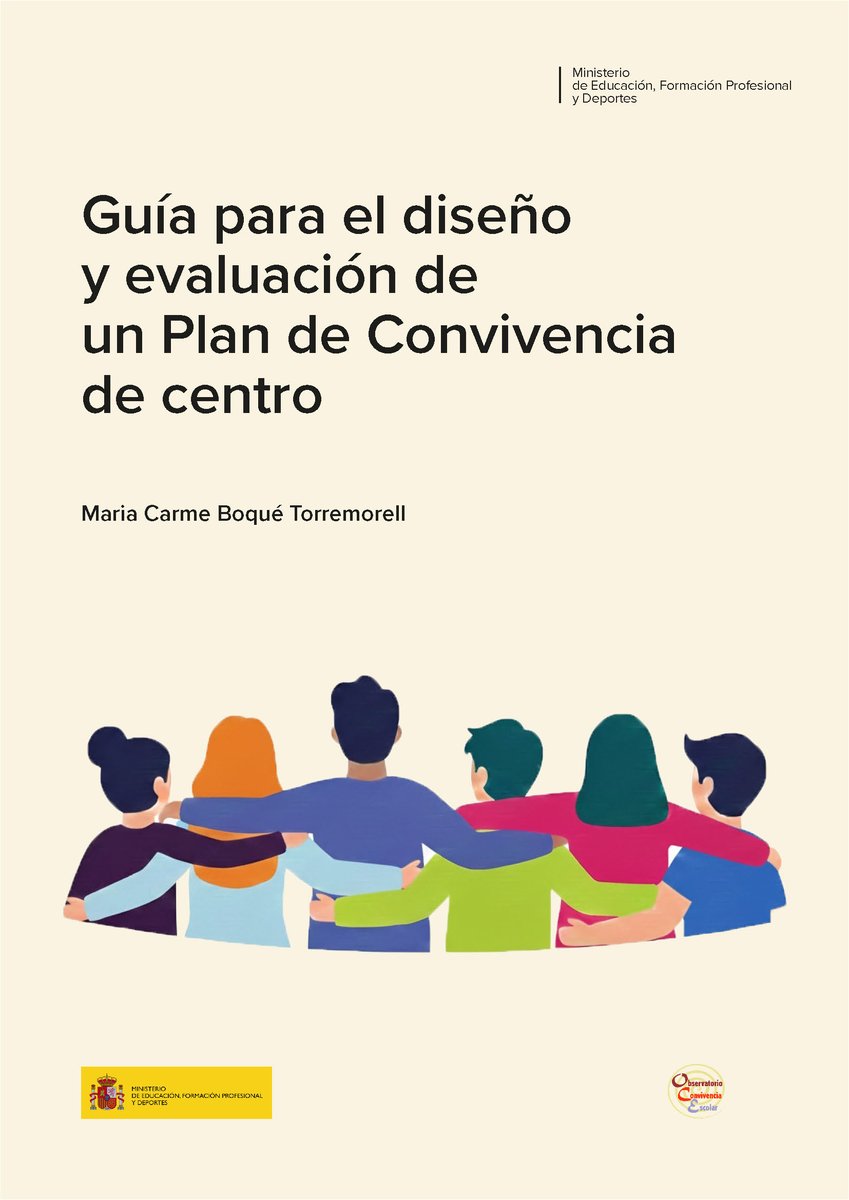
✨Refuerza valores como igualdad, diálogo y respeto en tu centro
📖Consulta esta guía que propone pasos claros para planificar, implementar y evaluar un Plan de Convivencia centrado en la comunidad educativa
🔗https://t.co/6xfvHGh2WQ
El teclado nos da velocidad, pero el bolígrafo nos da profundidad
Escribir a mano no es nostalgia; es una alta tecnología para el cerebro que obliga a pensar, sintetizar y recordar
La "fricción" de la tinta potencia pensamiento crítico y memoria sólida
https://t.co/uHyUcYVS8c
Cobra más sentido, estos días, aquello que decía Ken Robinson “la escuela mata la creatividad” ¡cuánta razón tenía! A todo aquel que se acerque a su entorno. #todaviaestamosatiempo
Llega Mayo y comienzan los juegos del hambre.
Yo seguiré sin tener perfil, no pasa nada. Aunque es verdad que uno se plantea arreglarse un poco a ver si lo mejora. Quizá #DrBlasGarcia podría hacer algo😂