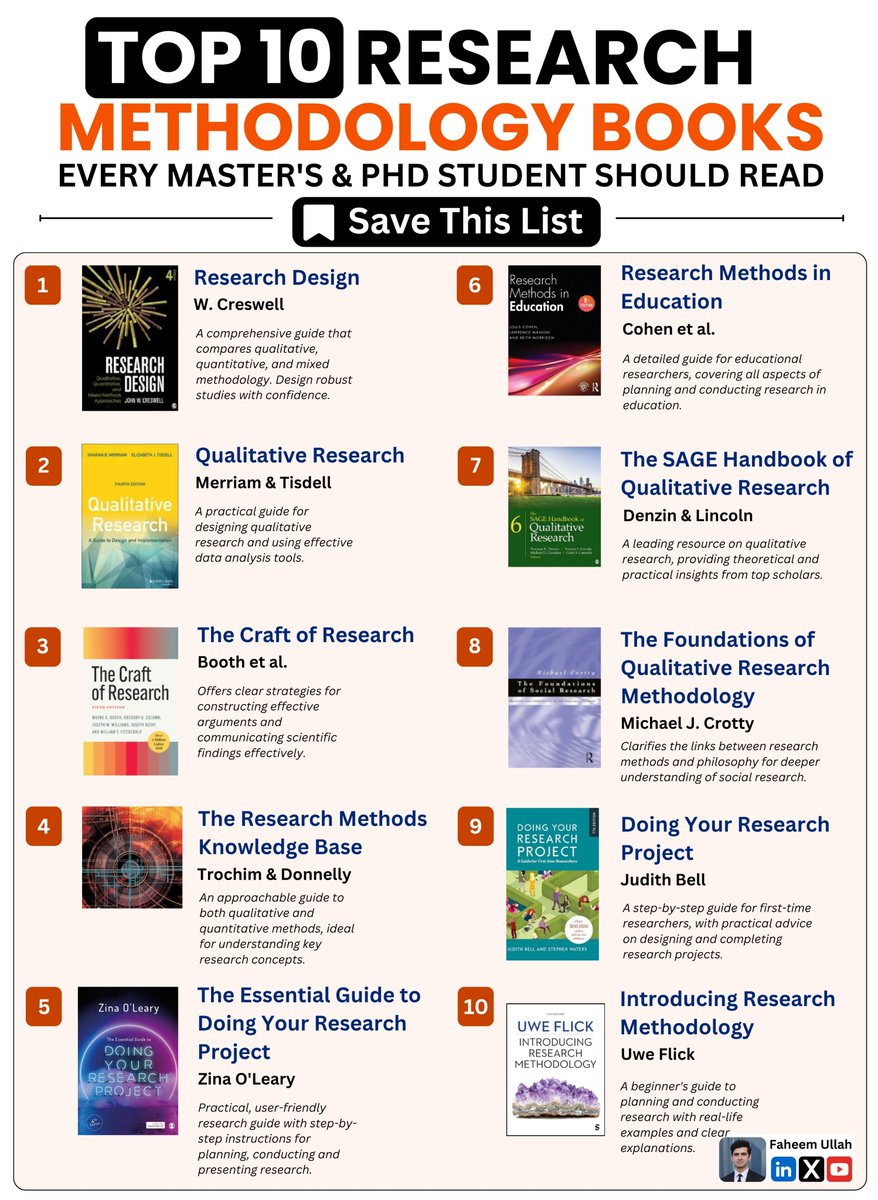
Top 10 Research Methodology Books
1. Research Design
https://t.co/H4xGdmj9E9
2. Qualitative Research: A Guide to Design and Implementation
https://t.co/J4Uc12K2Jv
3. The Craft of Research
https://t.co/mGjfPOjikZ
4. The Research Methods Knowledge Base
https://t.co/bc8a0FMq3S
5. The Essential Guide to Doing Your Research Project
https://books.googl
https://t.co/JNjfjgbxfR
6. Research Methods in Education
https://t.co/ziwBBoAvdt
7. The SAGE Handbook of Qualitative Research
https://t.co/DGTTo3ApFT
8. The Foundations of Social Research
https://t.co/nmI9zHqbQt
9. Doing Your Research Project
https://t.co/785ay467ms
10. Introducing Research Methodology
https://t.co/785ay467ms
hi #rpmtwt dahil malapit na kami makalaya sa the is sis at oral revalida as a pagod na third year, I'm sharing my differential diagnosis transes based on DSM-5.
https://t.co/ESD8ogtwEc
Nitel araştırmalarda örneklem büyüklüğünden devam edelim. Bu 👇🏼sistematik analiz çalışması psikoloji sosyoloji ve tıp alanlarından sağlıkla ilgili dergileri 15 yıl sürede incelemiş ve nitel çalışmalarda örneklem sayısına ilişkin ampirik verilere dayanarak öneriler sunuyor++
Nitel araştırmalarda “kaç görüşme yeterli?” sorusunun cevabı son yıllarda çok tartışılır oldu ve farklı çalışmalar var. Bu 👇🏼çalışma ideal “sihirli sayı” yok diyor ve incelediği 562 çalışmaya göre örneklem kararlarımızı açıklamada 3 adım öneriyor: 1. Açma 2. Odaklanma 3. Kapama++
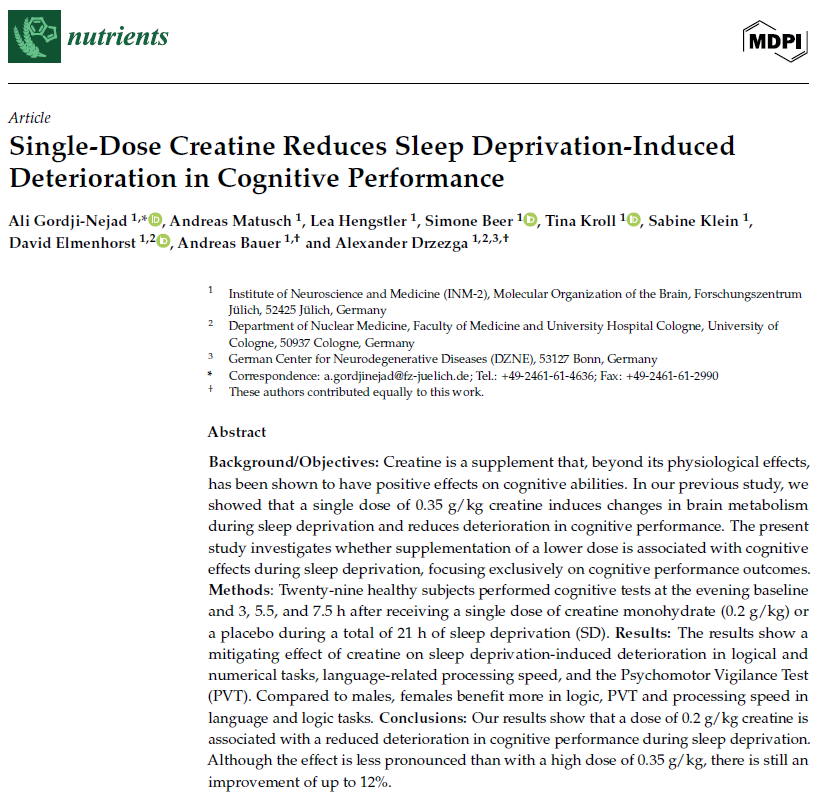
Kurang tidur (<6 jam setiap hari) selama 2 minggu berturut-turut dapat menurunkan kemampuan kognitif kita.
Kurang tidur ini sering banget loh sebenernya kita alami, TAPI kita gak sadar.
Kok bisa?
Yuk kita bahas!
Jadi ada penelitian yang menunjukkan durasi tidur <6 jam per hari tuh bikin kita setara kemampuan otaknya dengan orang yang sama sekali gak tidur dalam 2 hari berturut-turut.
Gue pernah beberapa kali gak tidur dalam 48 jam dan untuk jalan aja goyang sih, senggol bacok, buat mikir apalagi, mana bisa!
Nah bahayanya adalah rasa ngantuk itu hanya akan terasa dalam 1-2 hari pertama kita kurang tidur, lama-lama tubuh kita akan terbiasa, padahal, kemampuan otak perlahan-lahan turun. Yang bahaya adalah kemampuan konsentrasi, reaksi, pengambilan keputusan, dan memori, kita bisa berkurang!
Coba bayangin kalo kalian adalah dokter atau CEO yang selalu harus ambil keputusan penting?
Gimana kalo kalian tidurnya kurang? Bisa bahaya kan untuk keputusan-keputusan yang kalian buat.
Kesimpulan:
Simpel. Usahain jangan kurang tidur deh, kasian otak lo.
Semoga bermanfaat!
Chronic stress is linked to:
• Heart disease
• Alzheimer's
• Autoimmune disorders
After 20+ years helping 500+ executives and professionals…
Here are the only 7 ways that actually eliminate chronic stress:
1. Walk without your phone or music (20 min)
Sample size is definitely an often talked about issue in qualitative research.
Another new article asking “How Many Interviews Do I Need?”
Kasper Trolle Elmholdt, Michael Gill, Jeppe Agger Nielsen, 2026 https://t.co/ilpI0xQMBy
The scariest finding in this paper: the subjects couldn't tell it was happening.
UPenn ran this study on 48 healthy adults. One group slept 8 hours. Another slept 6. Another slept 4. For 14 straight days. They tested cognitive performance every 2 hours from 7:30am to 11:30pm.
The 6-hour group's reaction times, working memory, and sustained attention deteriorated on a near-linear curve. By day 14 they were performing at the same level as someone who hadn't slept at all in 48 hours. The 4-hour group hit that threshold by day 6.
Here's the part that should unsettle everyone who thinks they "do fine" on 6 hours: the subjects' self-reported sleepiness flatlined after the first few days. Their brains kept getting worse. Their perception of how impaired they were stopped updating. The cognitive decline was invisible to the person experiencing it.
The researchers found a hard threshold. Any wakefulness beyond 15.84 hours in a day produces cumulative neurobiological cost. That cost compounds every single day you exceed it and does not reset with a weekend of sleeping in.
About 35% of American adults sleep less than 7 hours a night. 40% of those get 6 hours or less. In 1942 that number was 11%. We built an entire professional culture around a sleep schedule that this paper says is functionally equivalent to pulling consecutive all-nighters.
"I'm fine on 6 hours" is the most common response to sleep research. The first thing chronic sleep debt destroys is your ability to notice chronic sleep debt.
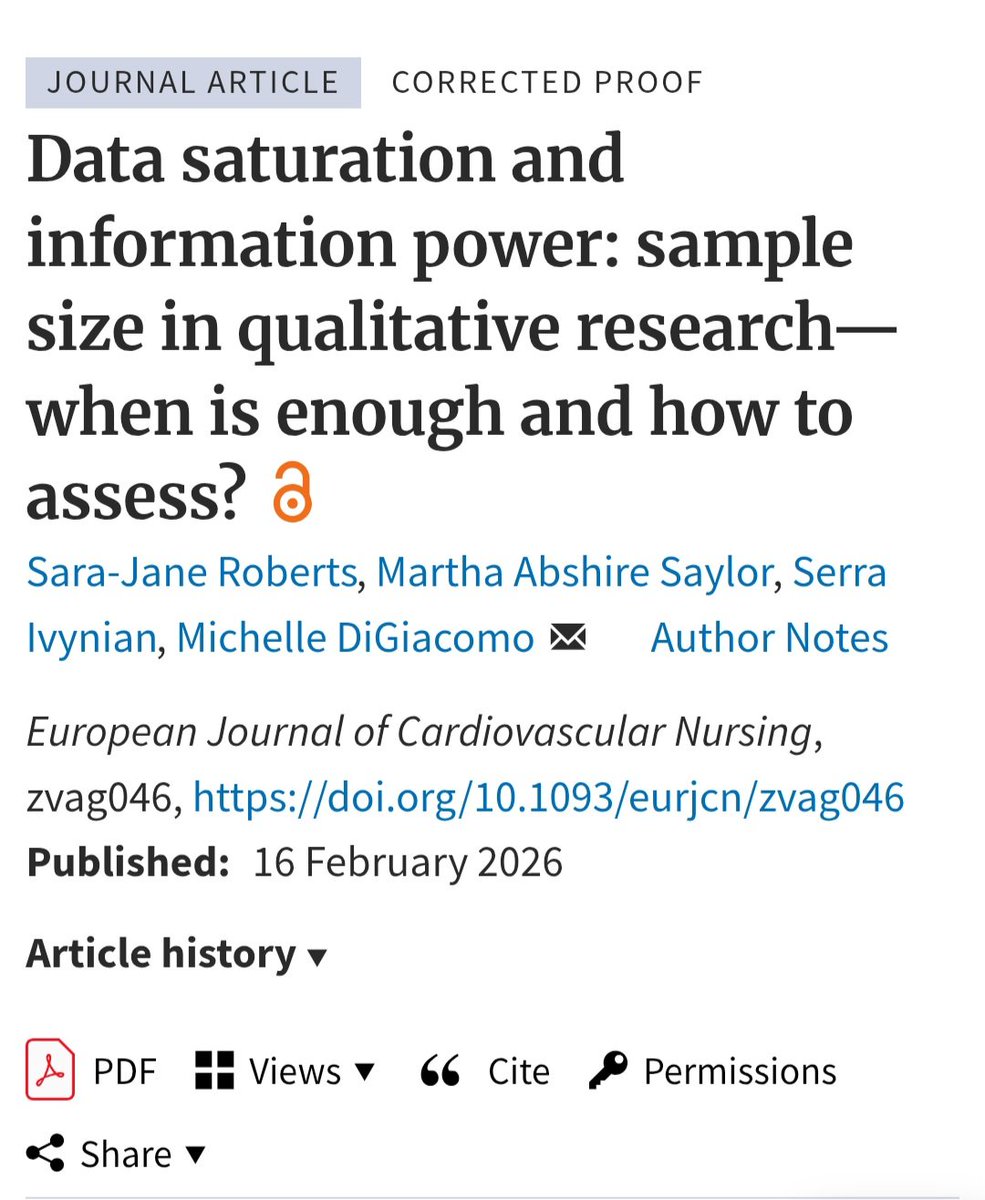
On the topic of sample size in qualitative research, this 2026 paper can also be really helpful as it discusses not only the concept of data saturation but also the concepts of information power and information redundancy:


![EkelNeuro's tweet photo. [Another session done]
Introducing Psychological Assessment in the Recruitment Process of the Philippine General Hospital. https://t.co/ANsGjmcyu6](https://pbs.twimg.com/media/HGHwD4CaEAAhVq4.jpg)
![EkelNeuro's tweet photo. [Another session done]
Introducing Psychological Assessment in the Recruitment Process of the Philippine General Hospital. https://t.co/ANsGjmcyu6](https://pbs.twimg.com/media/HGHwD1LawAksAa4.jpg)







![EkelNeuro's tweet photo. [Another session done]
Introducing Psychological Assessment in the Recruitment Process of the Philippine General Hospital. https://t.co/ANsGjmcyu6](https://pbs.twimg.com/media/HGHwD8jbYAASZ-T.jpg)