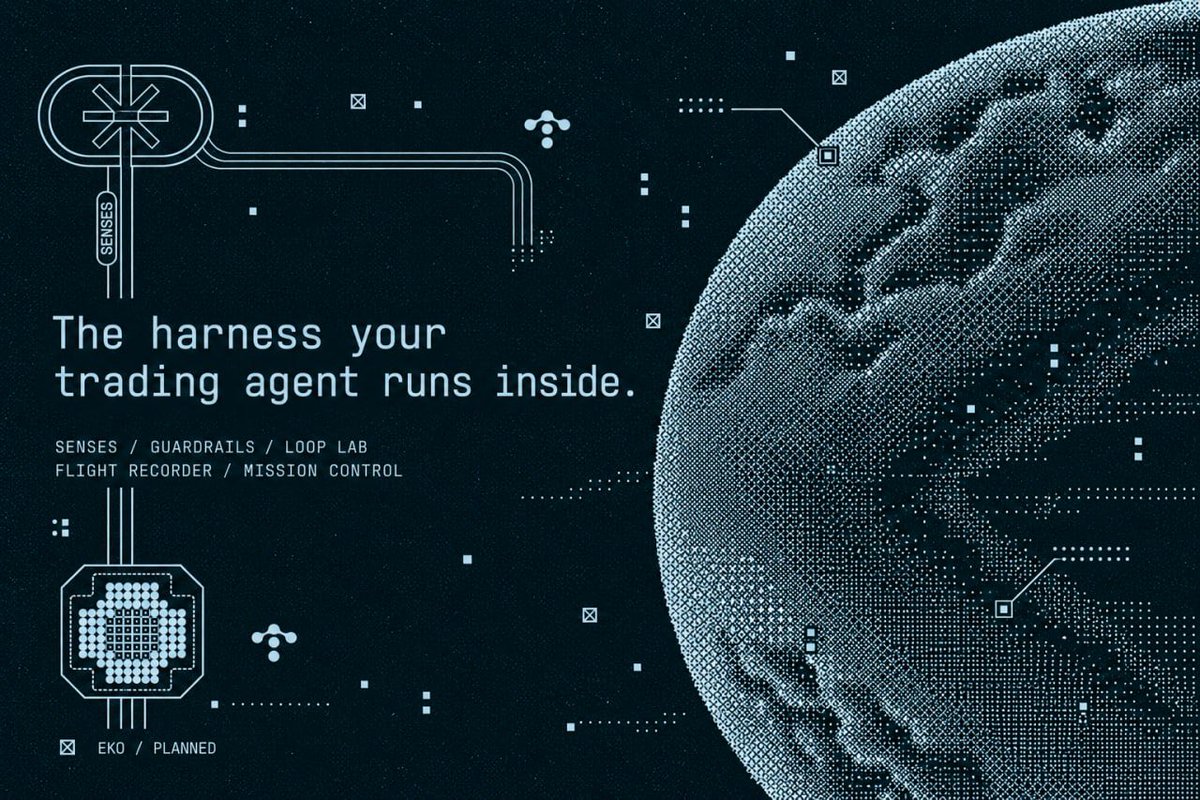
The harness your trading agent runs inside. Built on @RobinhoodApp Chain. Not affiliated with, endorsed by, or officially connected with Robinhood Markets, Inc.
Introducing EKO.
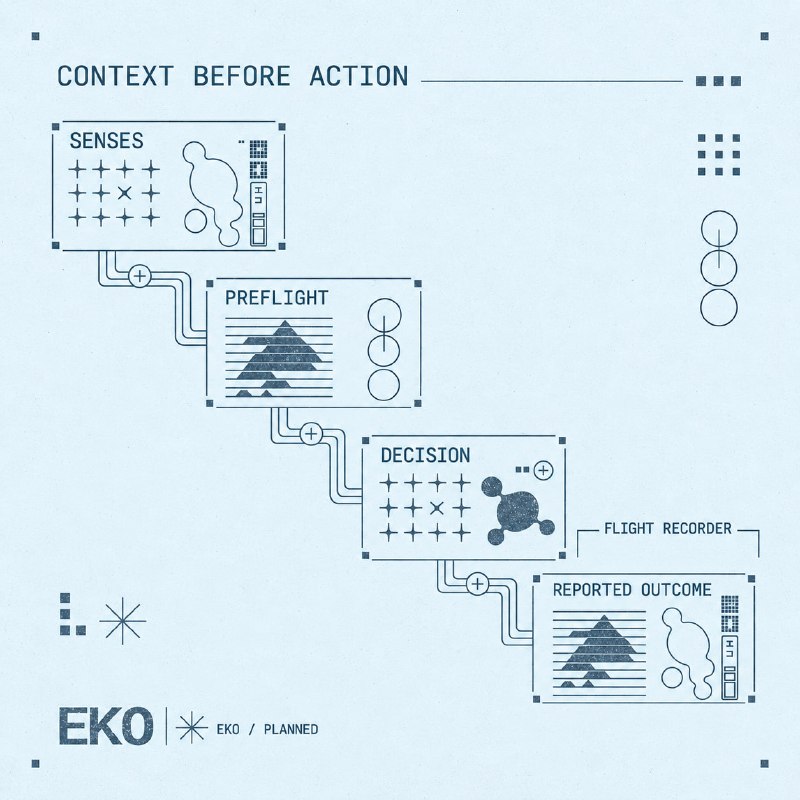
EKO converts raw onchain activity into a trading decision.
New pairs are normalized, checked for known scam playbooks, simulated for entry and exit, then evaluated against policy.
The output is not a call.
It is an evidence backed record an agent can act on or refuse.
Designed for @RobinhoodApp Ecosystem.
Most products keep a victory feed.
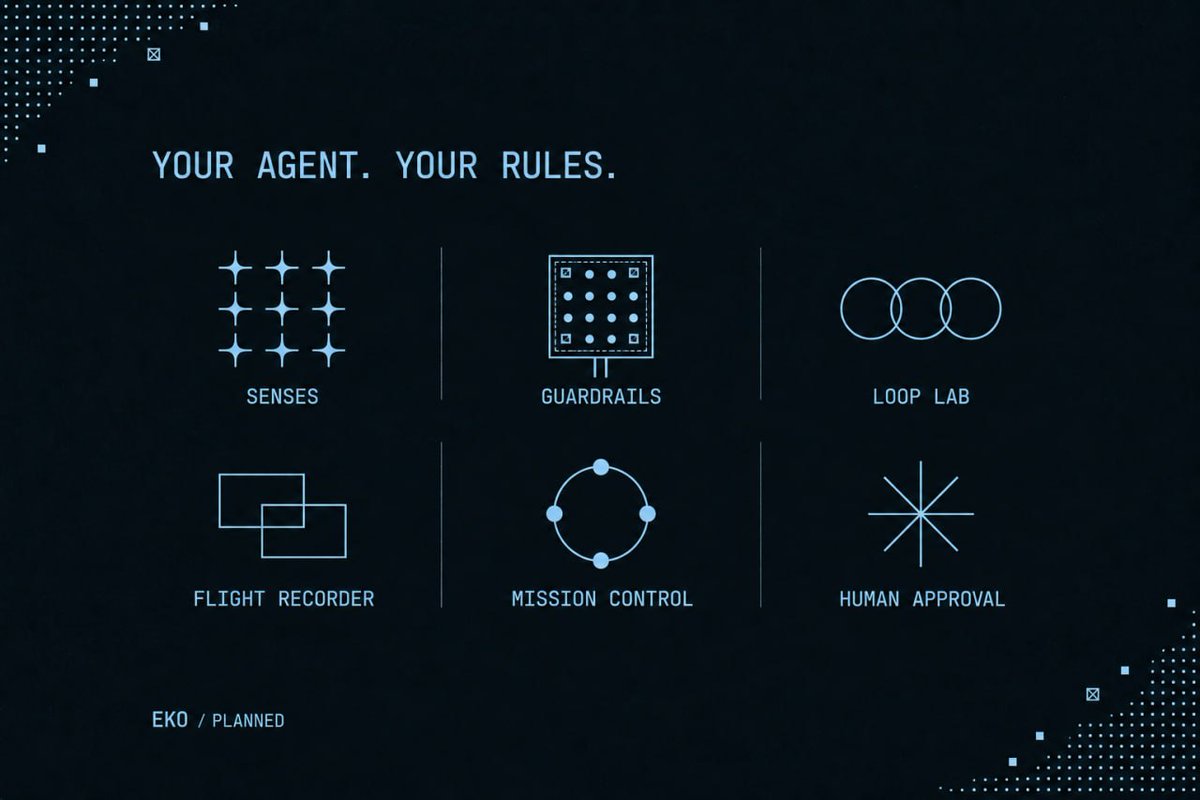
EKO’s Scoreboard is designed to keep refusals and misses in the same place.
If the guard misses a honeypot, that belongs in public more than the wins do.
Otherwise it is not a scoreboard. It is an ad.
Soon on @RobinhoodApp
After an agent trades, P&L is the least interesting question.
What did it see?
What rule let it act?
Did it skip the check?
EKO’s Flight Recorder is designed to keep that trail and make the missing parts obvious.
The hard part of agentic trading is not giving software a wallet.
It is getting software to say:
I am over the limit.
I do not have clean data.
This needs a human.
That is the behaviour EKO is designed around.
Building the @RobinhoodApp rails.
A scan that says safe is mostly selling comfort.
EKO is designed to show the uncomfortable parts: who can change the tax, whether liquidity can leave, what it costs to exit, and whether the same pattern has happened before.
No green light. Just the actual trade.
We started EKO with one rule: if we cannot model the sell, we do not pretend to know the buy.
A token can look fine until your size meets its tax, hook fee and real liquidity.
The sell is the product.
The buy button is just the consequence.
The dangerous moment is not when an agent has a bad idea.
It is the second that idea becomes an order.
EKO is being built for that gap: the agent checks policy, liquidity, loss limits and playbook risk before it acts.
The agent places the order. You keep the keys.
Coming to @RobinhoodApp
A green tick is not an exit plan.
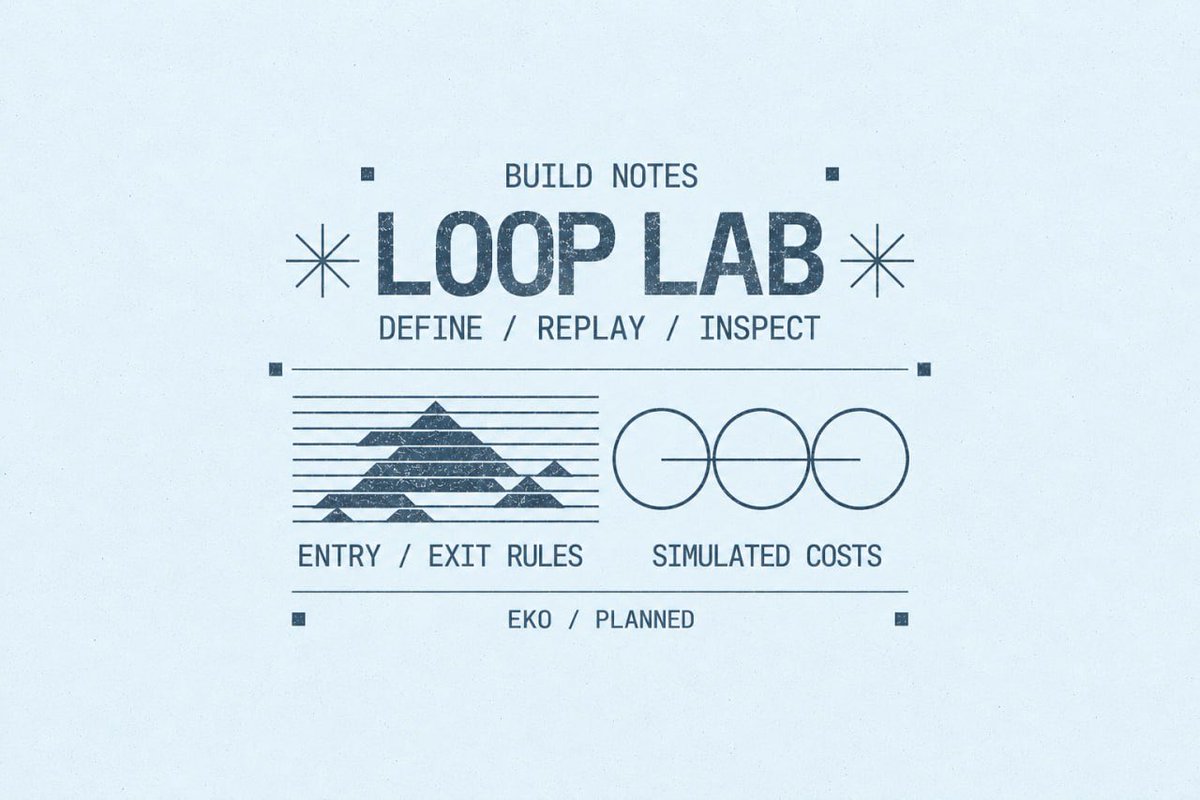
EKO is being built backwards: simulate the buy, simulate the exit, count tax, hook fees and slippage.
If the exit fails, the buy route stays closed.