James Kaprielian deja de formar parte del roster escarlata. Queremos desearle éxito en sus próximos proyectos, gracias por defender la casaca infernal. 🫡
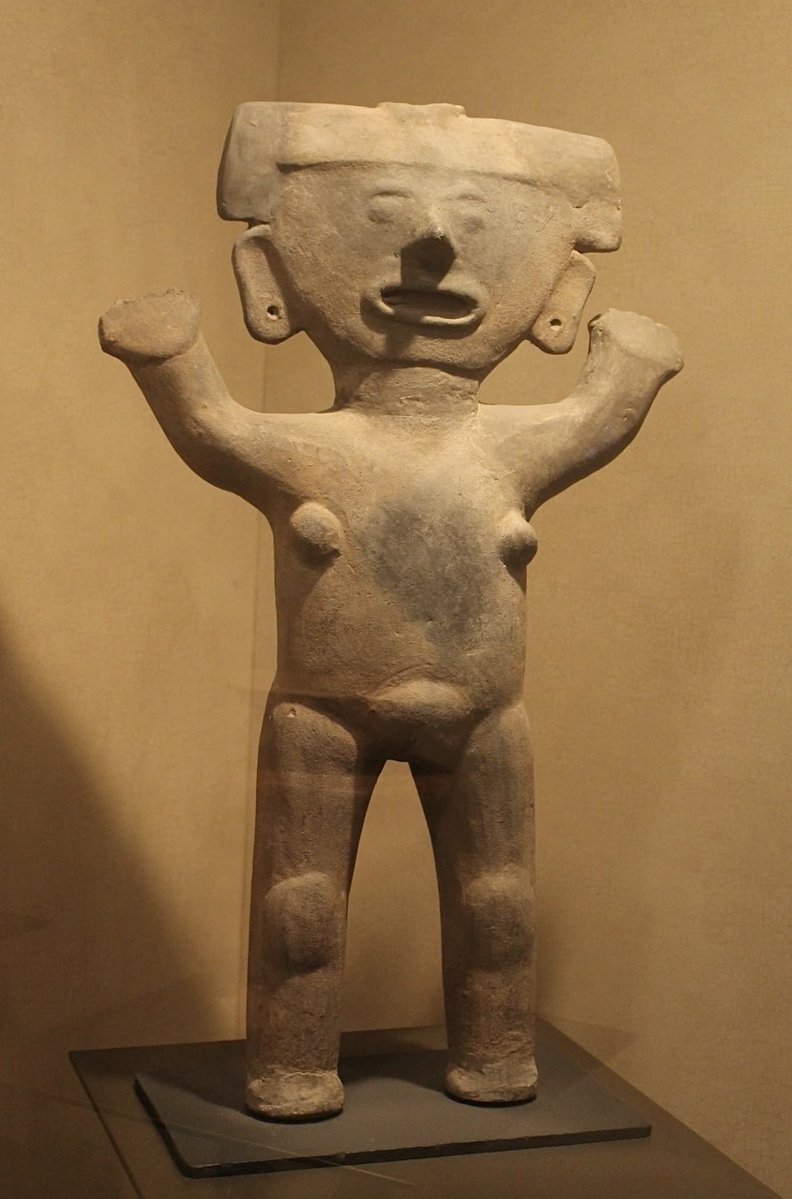
Escultura de hombre.
La pieza proviene del Valle de Colima. Fue elaborada en barro. Este tipo de figuras modeladas son características de la denomina cultura “chanal”, antiguos habitantes del sitio arqueológico El chanal. Posiblemente se representó un ritual de canto o baile.
Primer ataque iraní de esta temporada contra Arabia Saudita.
¿Saben quién gana con esta agresividad iraní?
Trump.
El mundo árabe no va a tener más alternativa que plegarse a los Acuerdos de Abraham.
¿Y quién pierde?
Erdogan.
@Joasabin1Sabina@pedroferriz3 Ya deja de estar Ventaneando la vida de tu papá. Por eso luego andas de metiche diciendo pendejadas en x. Ya supera que cambiaron a tu jefa por un señor con vestido.
JA JA JA JA JA JA JA JA JA JA JA JA JA JA JA JA JA JA JA JA JA JA JA JA JA JA JA JA JA JA JA JA JA JA JA JA JA JA JA JA JA JA JA JA JA JA JA JA JA JA JA JA JA JA JA JA JA JA!
@pedroferriz3 Si la norma afecta a la gente de manera negativa para su bienestar. SE CAMBIA LA PINCHE NORMA Y SE CUMPLE. Si no, a pretexto de "la norma afecta a la gente" van a saltarse las normas valiendo madres para corromperse y robar.
Trevor Bauer hará su siguiente apertura este sábado cuando los @DiablosRojosMX se enfrenten a los Pericos de Puebla en el Estadio Alfredo Harp Helú 🗡️👹🔥
A young man was buried on the shore of Lake Baikal about 4,400 years ago. He was a hunter, part of a small forager community that fished the lake and hunted the taiga. When researchers sequenced DNA from his teeth, they found something no one expected.
He was carrying Yersinia pestis. The plague.
This is the same bacterium that would one day empty medieval villages and pile bodies in the streets of 14th century Europe. It was already in his blood thousands of years before the first rat scurried off a Genoese trading ship.
He wasn't alone. Ancient DNA studies over the last decade have pulled Y. pestis out of Bronze Age and Stone Age burials from Siberia to Scandinavia, some dating back more than 5,000 years. The oldest confirmed case so far comes from a hunter-gatherer in Latvia who died around 3,000 BCE.
This is a problem for the story we thought we knew.
Plague, as we understand it, needs infrastructure. It needs black rats and their fleas. It needs dense human populations, granaries, ports, trade routes. None of that existed in the world these people lived in. They moved in small bands. They hunted elk and gathered plants. They buried their dead in shallow graves under the open sky.
And yet the bacterium was there, moving between them somehow.
The early strains were different from the medieval one. They lacked the specific gene that lets modern plague survive in a flea's gut and get transmitted through a bite. Without fleas, it likely spread person to person, through the air or through direct contact. Slower. Less explosive. But present.
How it traveled across thousands of miles of forest and steppe, from Siberia to the Baltic to central Europe, is still an open question. These were not empty landscapes. People moved, traded stone tools, married across bands, buried their dead in shared traditions. Something moved with them.
By the time rats and fleas and cities entered the picture, plague had already been shadowing humans for millennia.
It was waiting for the right conditions.
#archaeohistories
🚨 Poland’s Ancient “Pyramids” Are Older Than Some Egyptian Wonders… And Almost Nobody Talks About Them
Hidden deep within the forests of Poland lies one of Europe’s strangest ancient mysteries — enormous earth structures known today as the “Polish Pyramids.” But these are not pyramids of stone and gold. They are long, massive burial mounds, some stretching nearly 150 meters across the landscape like giant scars left behind by a forgotten civilization.
Built around 4,000 years ago by the mysterious Funnelbeaker culture, these structures were created using nothing more than primitive tools, human strength, and astonishing precision. Even today, archaeologists still wonder how ancient people managed to build monuments of this scale without modern technology. Some of the stones used in the tombs weigh several tons, transported from miles away across rough terrain.
What makes the mystery even deeper is their purpose. Only a few individuals were buried inside these giant mounds, suggesting they may have been leaders, priests, or figures believed to hold special power. Imagine entire communities spending years building enormous tombs for a single person. Why? What made these individuals so important?
Walking among these silent structures today feels unsettling. The forests around them are quiet, almost too quiet, as if the land itself remembers something long forgotten. There are no crowds, no flashing tourist signs — just ancient earth rising from the ground like the remains of a vanished world.
The Polish Pyramids remind us that history still hides secrets in the places we least expect. Long before modern nations existed, someone stood here, looked at the same sky, and built monuments meant to survive forever.
And somehow… they did.
Fuerte movilización de aeronaves del Ejército en Navolato, Sinaloa. ¿Iban tras un peligroso narcotraficante? ¡No! Fue para una de las narco-series de @epigmenioibarra.
A que nivel de ignominia ha sido reducida la Gran Fuerza de México por parte del obradorismo. Antes los helicópteros del Ejército se dedicaban a acribillar delincuentes. Hoy, son utilería para uso y disfrute del mayor propagandista del gobierno.
Exige @SomosMxMexico inmediata liberación de Ernesto Ruffo Appel. ‼️
Ernesto Ruffo es un preso político del régimen morenista.
Él explicó a exhaustividad y detalle a las autoridades correspondiente. No hay delito que perseguir.
En este caso se trata de una cortina de humo para intentar distraer de los escandalosos casos de la gobernadora morenista en Baja California y en Sinaloa.
Trabajo para un proyecto de investigación en cáncer en el IMSS. Tengo prestaciones? No. Tengo seguro medico público? No. Tengo escritorio? No. Bueno, hasta el papel de baño lo tenemos que comprar nosotros. Y entiendo que hay otras prioridades, tragedias ocurriendo en el país.
The Arch of Titus in Rome is far more than a mere relic of antiquity; it encapsulates the narrative of an empire asserting its dominance. Erected in 81 CE by Emperor Domitian to commemorate his brother Titus, the arch pays tribute to the Roman triumph in Judea and the fierce siege of Jerusalem that occurred in 70 CE.
Towering at over 50 feet (15.4 meters), this monumental structure is positioned along the Via Sacra, the principal thoroughfare of the Roman Forum. As you walk underneath it, you'll encounter intricate sculptures depicting Titus in a chariot on one side, while the opposite side showcases Roman soldiers transporting treasures taken from the Temple of Jerusalem.